
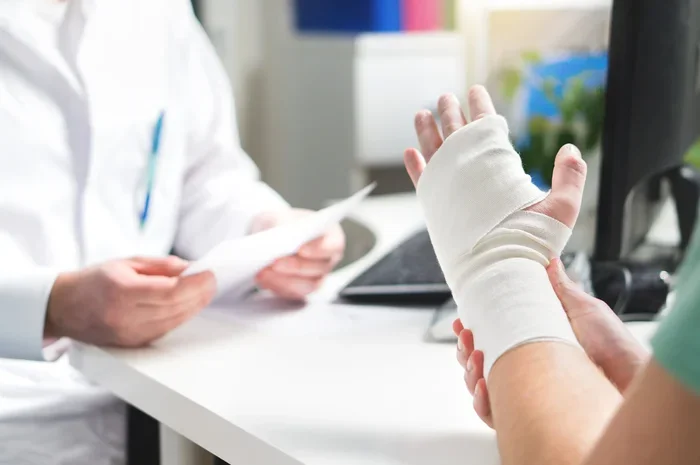
The degloving meaning refers to a severe injury where skin and tissue are torn away from the underlying muscle, fascia, or bone. This traumatic condition often results from high-force accidents and requires immediate medical attention. Understanding degloving injury causes, symptoms, and treatment can help you act fast in an emergency.
Have you ever heard the term degloving and wondered what it actually means? It sounds like something out of a medical textbook, but it is a real and serious injury that affects thousands of people every year. The degloving meaning is straightforward but alarming. It describes a traumatic injury where the skin is forcibly separated from the tissue underneath. Think of it like peeling a glove off your hand, except it happens to your body in a violent accident. This type of injury can damage blood vessels, nerves, muscles, and even bone. It is not something to take lightly.
Whether you are a worker in a factory, a driver on the highway, or an athlete pushing your limits, understanding degloving injury basics could save your life or the life of someone you love. In this article, we will break down everything you need to know. We will cover the causes, symptoms, treatment options, and recovery process. By the end, you will have a clear picture of what a degloving injury really is and why quick action matters so much.
Key Takeaways
- Degloving injuries involve the separation of skin from deeper tissues, often caused by industrial accidents, vehicle crashes, or sports trauma.
- Early recognition of symptoms such as swelling, bruising, and exposed tissue is critical for proper treatment.
- Treatment options range from wound care and antibiotics to complex reconstructive surgery and skin grafting.
- Recovery time varies depending on injury severity, location, and the patient’s overall health.
- Complications like infection and tissue necrosis are common and require close medical monitoring.
- Prevention strategies include proper safety gear, workplace protocols, and awareness of high-risk activities.
- Long-term outcomes improve significantly with early intervention and expert plastic or orthopedic care.
📑 Table of Contents
- What Is Degloving? Understanding the Basics
- Common Causes of Degloving Injuries
- Degloving Injury Symptoms You Should Know
- How Doctors Diagnose a Degloving Injury
- Degloving Injury Treatment Options
- Recovery and Long-Term Outlook
- Common Mistakes to Avoid After a Degloving Injury
- Preventing Degloving Injuries
- Conclusion
What Is Degloving? Understanding the Basics
The degloving meaning in simple terms is an injury where skin and soft tissue are ripped away from the body. The name comes from the way the skin looks as though it has been peeled off like a glove. This is not a minor cut or scrape. It is a severe soft tissue injury that can expose muscle, tendon, and bone. The damage often goes far deeper than what you can see on the surface.
There are two main types of degloving injuries. The first is an open degloving injury, where the skin is completely torn away and the wound is visible. The second is a closed degloving injury, where the skin remains intact but the tissue underneath has been torn loose. Closed injuries are tricky because they hide serious damage beneath the skin. Both types require urgent medical care.
Open vs Closed Degloving Injuries
An open degloving injury is easier to spot. You can see the wound, and it often looks horrific. The skin may be partially attached or hanging by a thread. In many cases, the tissue is completely removed from the area. Common locations for open injuries include the legs, arms, and scalp. These often happen in workplace accidents or vehicle collisions.
A closed degloving injury is far more deceptive. The skin looks normal on the outside, but underneath, there is a huge pocket of separated tissue. Blood collects in this space, causing swelling and pain. These injuries are often missed at first, which can lead to serious complications. Degloving injury symptoms in closed cases include deep bruising, tight swelling, and numbness. If you suspect a closed injury, seek medical help right away.
Why Degloving Injuries Are So Serious
The reason degloving injuries are so dangerous is that they destroy the blood supply to the skin and tissue. Without blood flow, the tissue dies. This is called tissue necrosis, and it can spread quickly. Dead tissue becomes a breeding ground for bacteria, leading to severe infections like necrotizing fasciitis. In the worst cases, amputation may be necessary to save the patient’s life.
Beyond the physical damage, these injuries carry a heavy emotional toll. Survivors often face long recovery periods, multiple surgeries, and lasting changes to their appearance. Mental health support is a vital part of the healing journey. The degloving injury recovery process demands patience, skilled medical care, and a strong support system.
Common Causes of Degloving Injuries
Understanding what causes a degloving injury helps you recognize risk factors and take preventive steps. These injuries are almost always the result of high-force trauma. They are not minor accidents. They happen when a body part gets caught, crushed, or pulled with extreme force.
Vehicle Accidents
Road traffic accidents are one of the leading causes of degloving injuries. When a person’s limb gets caught in a vehicle or strikes the road at high speed, the friction can strip the skin away. Motorcycle accidents are especially dangerous in this regard. Riders have minimal protection, and their legs or arms can easily get dragged along pavement. Degloving of the leg from a motorcycle crash is a well-documented and devastating injury pattern.
Industrial and Workplace Accidents
Factories, construction sites, and farms are hotspots for degloving injuries. Heavy machinery with moving parts can catch loose clothing, gloves, or even skin. A worker’s hand or arm can get pulled into a conveyor belt, gear, or roller in seconds. The avulsion injury that results removes skin and tissue in one violent motion. Employers must follow strict safety protocols, including machine guarding and proper training, to prevent these tragedies.
Sports and Recreation Injuries
High-impact sports also pose risks. Skiing, cycling, and horseback riding can lead to degloving when a rider falls and the body scrapes against the ground at speed. Degloving of the finger is common in climbers who get their fingers caught in equipment or rock faces. Even turf burns in football can sometimes be a mild form of degloving.
Animal Bites and Attacks
Although less common, animal attacks can cause degloving injuries. Large dogs, for example, can grab a person’s limb and twist, tearing the skin away from the tissue beneath. These injuries require immediate wound care and often reconstructive surgery.
Degloving Injury Symptoms You Should Know
Recognizing the symptoms of a degloving injury early can make a huge difference in outcomes. The signs vary depending on whether the injury is open or closed, but there are clear warning signals everyone should watch for.
Visible Signs of Open Degloving
In an open injury, the signs are hard to miss. The skin is partially or fully removed from the area. You may see exposed muscle, fat, or even bone. Heavy bleeding is common. The wound edges are often ragged and irregular. Swelling around the wound is severe, and the pain is intense. If you see any of these signs, call emergency services immediately.
Hidden Signs of Closed Degloving
Closed injuries are deceptive. The skin may look bruised or swollen but intact. Here are the key degloving injury symptoms to watch for:
- Painless swelling in the affected area
- Deep bruising that spreads quickly
- Numbness or tingling below the injury site
- Skin that feels tight or glossy
- Pain that worsens with movement
- A crackling sensation under the skin (called crepitus)
If you notice any of these symptoms after a high-force accident, do not wait. Go to the emergency room. A degloving injury diagnosis requires imaging tests like MRI or CT scans to see the full extent of the damage beneath the skin.
When to Seek Emergency Help
Any time you suspect a degloving injury, treat it as a medical emergency. Signs that demand immediate attention include heavy bleeding, visible tissue damage, loss of sensation, or a limb that looks misshapen. Do not try to push the skin back into place. Cover the wound with a clean, moist cloth and seek help right away.
How Doctors Diagnose a Degloving Injury
Diagnosing a degloving injury involves both physical examination and imaging tests. Doctors need to understand the full scope of damage to plan the right treatment. The process usually follows a clear sequence.
Physical Examination
The first step is a thorough visual and physical exam. The doctor will check the wound, assess blood flow, and test nerve function. They will look for signs of tissue death, such as pale or gray skin. They will also check pulses below the injury to make sure blood is still flowing to the extremities.
Imaging Tests
Imaging plays a critical role in diagnosis. An MRI scan gives doctors a detailed view of soft tissue damage. It can reveal how far the separation has spread beneath the skin. A CT scan helps identify any fractures or bone involvement. In some cases, doctors use angiography to check for damage to blood vessels. This helps them plan reconstructive surgery more effectively.
Grading the Injury
Not all degloving injuries are the same. Doctors classify them by severity. A Grade 1 injury involves minor skin separation with good blood supply. A Grade 3 injury means extensive tissue loss and poor blood flow. The grade determines the treatment approach and the likely degloving injury recovery timeline. Higher-grade injuries often require multiple surgeries and longer hospital stays.
| Grade | Severity | Tissue Damage | Typical Treatment |
|---|---|---|---|
| Grade 1 | Mild | Minor skin separation, good blood flow | Wound care, antibiotics, rest |
| Grade 2 | Moderate | Partial tissue separation, fair blood flow | Surgical cleaning, skin grafting |
| Grade 3 | Severe | Full tissue separation, poor blood flow | Complex reconstruction, possible amputation |
Degloving Injury Treatment Options
Treating a degloving injury is complex and requires a team of specialists. The goal is to save as much tissue as possible, prevent infection, and restore function and appearance. Treatment depends on the injury grade, location, and the patient’s overall health.
Immediate Wound Care
The first step in the emergency room is wound care. Doctors clean the injury thoroughly to remove dirt and debris. They control bleeding with pressure, stitches, or cauterization. Antibiotics are given to prevent infection, which is a major risk with these injuries. In open injuries, the wound is often left open initially to allow swelling to go down before closure.
Surgical Treatment Options
Surgery is often necessary for moderate to severe degloving injuries. There are several surgical approaches:
- Reattachment surgery: If the separated skin is still attached and viable, surgeons may reattach it. This works best when treatment happens quickly.
- Skin grafting: When skin is lost, doctors take healthy skin from another part of the body and place it over the wound. This is called a skin graft and is one of the most common procedures for degloving recovery.
- Flap surgery: In flap surgery, tissue with its own blood supply is moved from one area to another. This is used when the wound needs more coverage and blood flow.
- Negative pressure wound therapy: A vacuum device is placed over the wound to promote healing. It removes excess fluid and encourages new tissue growth.
Reconstructive and Plastic Surgery
For severe injuries, plastic surgery reconstruction may be needed. This can involve multiple procedures over months or even years. Surgeons work to restore the appearance and function of the affected area. Reconstructive surgery is especially common for degloving of the face or degloving of the hand, where appearance and mobility are critical.
Amputation as a Last Resort
In the worst cases, when tissue death is extensive and infection cannot be controlled, amputation may be the only option to save the patient’s life. This is a difficult decision made by the medical team in consultation with the patient. Rehabilitation and prosthetic fitting follow amputation to help the patient regain independence.
Expert Insight
Dr. Sarah Chen, a trauma surgeon specializing in soft tissue injuries, notes that “time is the most critical factor in degloving treatment. The sooner a patient receives expert care, the better the chances of saving tissue and avoiding amputation. Every hour counts.”
Recovery and Long-Term Outlook
Recovery from a degloving injury is a long and challenging journey. The timeline depends on the severity of the injury, the treatment received, and the patient’s age and overall health. Patience and commitment to rehabilitation are essential.
Early Recovery Phase
The first few weeks after treatment are the most critical. Patients need to keep the wound clean and follow all medical instructions. Pain management is a priority, and doctors prescribe medications to help. During this phase, the risk of infection is highest. Patients must watch for signs like redness, warmth, pus, or fever and report them immediately.
Rehabilitation and Physical Therapy
Physical therapy plays a huge role in recovery. After surgery, the affected area may be stiff and weak. A therapist guides the patient through exercises to restore range of motion and strength. For injuries involving the hands or fingers, occupational therapy helps patients regain fine motor skills needed for daily tasks. Recovery can take anywhere from a few months to over a year, depending on the injury.
Emotional and Psychological Support
The emotional impact of a degloving injury should not be overlooked. Scarring, changes in appearance, and loss of function can affect a person’s mental health. Many survivors benefit from counseling or support groups. Talking to others who have been through similar experiences can provide comfort and practical advice.
Long-Term Prognosis
With proper treatment and rehabilitation, many patients recover well from degloving injuries. Full recovery is more likely for Grade 1 and Grade 2 injuries. Severe Grade 3 injuries may result in lasting changes, but patients can still achieve good function and quality of life. Advances in skin grafting techniques and reconstructive surgery continue to improve outcomes every year.
Quick Tips for a Smoother Recovery
- Follow your doctor’s wound care instructions to the letter.
- Attend every physical therapy session without skipping.
- Eat a balanced diet rich in protein and vitamins to support healing.
- Avoid smoking, which slows down tissue repair.
- Stay positive and seek mental health support when needed.
- Report any changes in the wound or new symptoms immediately.
Common Mistakes to Avoid After a Degloving Injury
Recovering from a degloving injury comes with pitfalls. Avoiding these common mistakes can make a big difference in your healing process.
Skipping Follow-Up Appointments
It is tempting to skip appointments once the wound looks better. But doctors need to monitor healing from the inside. Skipping follow-ups can lead to missed infections or complications that worsen over time. Always keep your scheduled visits.
Ignoring Signs of Infection
Some people downplay early signs of infection, thinking it is just normal healing pain. But infection in a degloving wound can spread fast. Redness that spreads, fever, foul-smelling discharge, or increased pain are all red flags. Do not wait, seek help immediately.
Returning to Activity Too Soon
Being eager to get back to normal life is understandable. But returning to physical activity too early can reopen the wound or damage healing tissue. Follow your doctor’s timeline for resuming activities. Patience now leads to better outcomes later.
Neglecting Emotional Health
Physical healing gets all the attention, but emotional healing matters just as much. Depression and anxiety are common after severe injuries. If you feel overwhelmed, talk to a professional. There is no shame in asking for help.
Preventing Degloving Injuries
While not all degloving injuries can be prevented, there are steps you can take to reduce your risk. Prevention starts with awareness and safety habits.
Workplace Safety
If you work in a high-risk environment, always follow safety protocols. Wear protective gear like gloves, long sleeves, and sturdy footwear. Make sure all machinery has proper guards and emergency shut-off switches. Attend every safety training session your employer offers.
Safe Driving Practices
Wearing a seatbelt and following traffic rules dramatically reduces your risk of severe injury in a crash. Motorcyclists should always wear full protective gear, including gloves, boots, and armored clothing. Avoid distracted driving at all costs.
Sports Safety
Use proper equipment for your sport. Wear helmets, pads, and appropriate footwear. Follow the rules and listen to coaches. If you feel pain or fatigue, stop and rest. Pushing through pain increases your risk of serious injury.
Conclusion
The degloving meaning is clear. It is a severe, traumatic injury where skin and tissue are torn away from the body. It can happen in vehicle accidents, workplace incidents, sports, and many other situations. The degloving injury symptoms range from visible wounds to hidden swelling and numbness. Treatment requires expert medical care, often including surgery, skin grafting, and long rehabilitation.
Recovery from a degloving injury is possible, especially with early intervention and proper care. Prevention through safety awareness remains the best defense. If you or someone you know suffers this type of injury, seek emergency help immediately. Quick action can mean the difference between a full recovery and life-changing complications. Stay informed, stay safe, and never underestimate the importance of protecting your skin and soft tissues.
Frequently Asked Questions
What does degloving mean in medical terms?
In medical terms, degloving refers to an injury where the skin and underlying soft tissue are forcibly separated from the deeper structures like muscle, fascia, or bone. It is a type of avulsion injury that can be open (skin completely removed) or closed (skin intact but tissue separated underneath). Both forms require urgent medical treatment.
How long does it take to recover from a degloving injury?
Recovery time depends on the severity of the injury. Mild Grade 1 injuries may heal in a few weeks with proper wound care. Moderate Grade 2 injuries often require surgery and take several months. Severe Grade 3 injuries can take a year or more, involving multiple surgeries and extensive rehabilitation. Every case is different.
Can a degloving injury be fatal?
Yes, in severe cases, a degloving injury can be life-threatening. Massive blood loss, infection, and tissue necrosis are serious risks. In extreme cases, amputation may be necessary to prevent the spread of infection. This is why immediate emergency care is absolutely critical for anyone suspected of having a degloving injury.
What is the difference between a degloving injury and a regular abrasion?
A regular abrasion is a superficial wound that affects only the top layer of skin. A degloving injury goes much deeper, separating the skin from the tissue below. Abrasions heal quickly with basic first aid, while degloving injuries require professional medical treatment, often surgery, and have a much longer and more complicated recovery process.
Are degloving injuries common in workplace accidents?
Yes, workplace accidents are one of the leading causes of degloving injuries. Industries like manufacturing, construction, agriculture, and mining involve heavy machinery, moving parts, and high-force equipment. Workers who operate these machines are at significant risk. Following safety protocols and wearing proper protective gear is essential to prevention.
What should you do immediately after a degloving injury?
Call emergency services right away. Do not try to push the skin back in place. Cover the wound with a clean, moist cloth or sterile dressing. Apply gentle pressure to control bleeding if possible. Keep the injured person warm and still while waiting for help to arrive. Quick action improves the chances of successful treatment.