
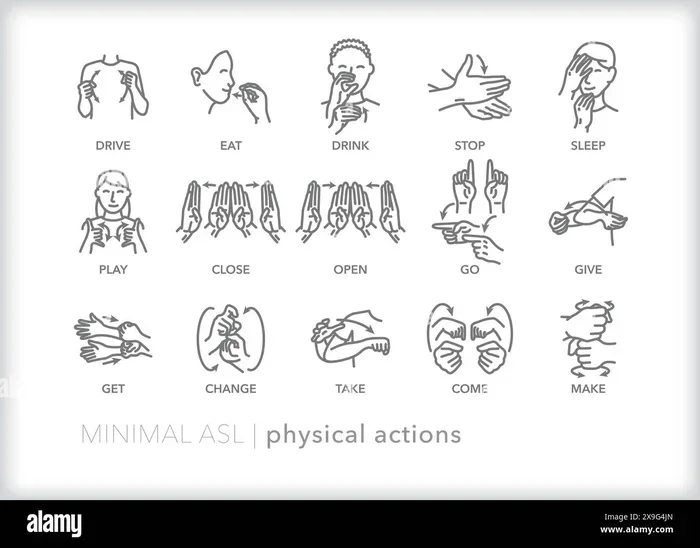
Learning how to say a lot in ASL goes far beyond simple signs. You need to understand ASL grammar, facial expressions, and spatial modifiers to convey abundance and emphasis. This guide covers everything from basic quantity signs to advanced expressive techniques that help you communicate with real confidence in the Deaf community.
Communication is a powerful tool, and knowing how to say a lot in ASL opens doors you never knew existed. Whether you are learning American Sign Language for personal growth, professional reasons, or to connect with the Deaf community, expressing abundance and emphasis matters. It is not just about waving your hands around. It is about meaning, context, and confidence.
When people ask how to say a lot in ASL, they often expect a single magic sign. But ASL works differently from spoken English. The meaning of a sign shifts based on grammar, facial expressions, and spatial relationships. Think of it like learning translate to english in hindi meaning — the words alone do not carry the full message. The structure and emotion behind them do the heavy lifting.
This guide breaks down everything you need to know. From basic quantity signs to advanced expressive techniques, you will find practical tips, common mistakes to avoid, and expert insights that help you sign with confidence. Let us dive in.
Key Takeaways
- Master the core signs: Learn the essential ASL signs for “a lot,” “many,” and “much” to build a strong foundation.
- Use non-manual markers: Facial expressions and body language amplify your meaning in ASL.
- Understand ASL grammar: Word order and spatial mapping make your signing more natural and expressive.
- Practice with real conversations: Regular interaction with the Deaf community builds fluency and confidence.
- Avoid common mistakes: Over-signing, ignoring facial cues, and poor spatial awareness can weaken your message.
- Expand your vocabulary: Classifiers and modifiers let you describe large quantities with precision and flair.
📑 Table of Contents
- Understanding How to Say a Lot in ASL
- Non-Manual Markers: The Secret Sauce of ASL Expression
- ASL Grammar: Why Word Order Matters for Emphasis
- Common Mistakes When Signing “A Lot” in ASL
- Building Confidence in ASL Communication
- Advanced Techniques for Expressing Large Quantities
- Quick Tips for Everyday ASL Conversations
- Conclusion
Understanding How to Say a Lot in ASL
Before you start signing big numbers or sweeping gestures, you need to understand the foundation. ASL is a visual language with its own grammar rules. It does not follow English sentence structure. So when you want to express “a lot,” your approach depends on context, intensity, and what you are describing.
The basic concept of “a lot” in ASL involves more than one sign. You combine hand shapes, movement size, and facial expressions to show quantity and emphasis. A small, gentle movement might mean “a little,” while a large, sweeping motion shows “a lot” or “many.” This is what makes ASL so expressive and rich.
The Core Signs for Quantity
Every language has words for quantity, and ASL is no different. Here are the essential signs you need to know:
- MANY: Use both hands with palms facing up, fingers spread, and move them outward and upward. This is the go-to sign when you want to express a large quantity.
- LOT: Bring both hands together with fingers spread, then pull them apart with a slight upward motion. It shows abundance or a significant amount.
- MUCH: Hold one hand flat and move it slightly forward with a trembling motion. This works well for uncountable quantities like water or time.
- ALOT (combined): Some signers blend MANY and LOT into a single fluid motion for emphasis. This informal version is common in casual conversation.
- BIG NUMBER: Use a large sweeping gesture with both hands to indicate a high quantity or large scale.
Each of these signs carries a slightly different nuance. Understanding when to use each one comes with practice and exposure to native signers. The N A meaning of each sign shifts depending on context, so pay close attention to how Deaf signers use them in real conversations.
Non-Manual Markers: The Secret Sauce of ASL Expression
Here is where things get interesting. In ASL, your face is just as important as your hands. Non-manual markers include facial expressions, eye gaze, head movements, and body posture. They change the meaning of your signs dramatically.
When you want to say “a lot,” your facial expression should match the intensity. Raised eyebrows can indicate a question about quantity. A wide mouth with a slight smile shows excitement or emphasis. A furrowed brow might convey seriousness about the amount.
Facial Expressions That Amplify Quantity
- Exaggerated eyebrows: Raise them slightly to emphasize a large quantity. This is especially useful when signing “a lot of people” or “a lot of food.”
- Widened eyes: Shows surprise or awe at the amount. Great for storytelling and expressive narratives.
- Head tilt: A slight tilt combined with a large hand movement adds dramatic weight to your signing.
- Smile or frown: Your emotional state colors the meaning. A smile makes “a lot” feel positive and exciting. A frown can suggest overwhelm.
Think of non-manual markers as the wyo meaning in text of ASL — they add layers of emotion and intent that plain hand signs cannot carry alone. Without them, your signing feels flat and incomplete.
ASL Grammar: Why Word Order Matters for Emphasis
One of the biggest hurdles for new signers is understanding ASL grammar. English uses Subject-Verb-Object order. ASL uses Topic-Comment structure. This means you establish the topic first, then comment on it. When expressing quantity, this structure changes how you position your signs.
For example, in English you might say, “I have a lot of books.” In ASL, you would sign BOOKS A-LOT I-HAVE. The topic (books) comes first, followed by the quantity marker (a lot), and then the verb phrase.
Spatial Mapping for Large Quantities
ASL uses space to represent concepts. You can map out a large quantity by signing across a wider area in front of you. The bigger your signing space, the more emphasis you place on the amount. This is called spatial grammar, and it is a core feature of expressive ASL.
- Wide movements: Spread your signs across a larger area to show abundance.
- Tall movements: Sign from low to high to indicate growth or increase in quantity.
- Circular motions: A sweeping circle with both hands can represent “a lot” flowing or spreading out.
When you in lieu of meaning something through spatial grammar, you are using the physical space around you as a canvas. This is what separates basic signing from fluent, confident communication.
Common Mistakes When Signing “A Lot” in ASL
Even experienced learners make mistakes with quantity signs. Here are the most common errors and how to fix them.
Over-Signing the Movement
Some learners think bigger movements always mean “more.” That is not true. Over-exaggerating your hand movements can look unnatural and even distracting. The key is controlled, purposeful motion. A smooth, confident sweep looks better than a frantic, oversized gesture.
Ignoring Facial Expressions
Without matching facial expressions, your quantity signs lose their impact. If you sign MANY with a blank face, people may not understand the emphasis you intend. Practice in front of a mirror and watch how your expressions change the feel of your signing.
Using English Word Order
This is the number one mistake new signers make. Translating English sentences directly into ASL signs creates confusion. Remember the Topic-Comment structure and practice signing in natural ASL order. Watch native Deaf signers and mimic their word placement.
Skipping the Non-Manual Markers
Some learners focus only on hand signs and forget everything else. But in ASL, your face, eyes, and body are all part of the grammar. Skipping non-manual markers is like speaking in a monotone voice — technically correct, but boring and hard to follow.
Building Confidence in ASL Communication
Confidence comes with practice. No one becomes a fluent signer overnight. But with the right approach, you can build your skills steadily and communicate with real authority in ASL.
Practice Strategies That Work
- Sign with native Deaf signers: Nothing beats real conversation. Join local Deaf community events or online ASL groups. Immersion is the fastest path to fluency.
- Record yourself signing: Watch your recordings and compare them to native signers. You will spot areas for improvement quickly.
- Use an ASL dictionary: Apps and websites like ASL Pro and Lifeprint offer video demonstrations of thousands of signs. Use them daily.
- Practice with a mirror: Check your facial expressions and hand shapes. Make sure your movements are clear and intentional.
- Sign along with videos: Follow along with ASL storytelling videos or songs. This builds muscle memory and rhythm.
Expressive Signing Techniques
To truly say “a lot” with confidence, you need expressive signing. This means using your whole body — hands, face, shoulders, and even your posture — to convey meaning. Expressive signers captivate their audience. They make every sign feel alive and purposeful.
- Use your eyebrows actively: They are one of the most powerful non-manual markers in ASL.
- Vary your signing speed: Slow down for emphasis, speed up for excitement. This creates a natural rhythm.
- Engage your shoulders and torso: They add weight and presence to your movements.
- Make eye contact: This builds connection and shows confidence in your communication.
The Deaf community values expressive, dynamic signing. When you put in the effort to develop your expressive skills, people notice. You will feel more confident, and your messages will land with greater impact.
Advanced Techniques for Expressing Large Quantities
Once you have the basics down, you can explore advanced methods for conveying large amounts in ASL. These techniques add depth and nuance to your signing.
ASL Classifiers for Quantity
Classifiers are hand shapes that represent categories of objects. They let you describe groups, stacks, clusters, and waves of things. For example, you can use the C-hand classifier to represent a group of round objects like balls or oranges. Moving multiple C-hands across your signing space shows a large quantity without spelling out every single item.
Modifying Signs with Size and Intensity
You can modify any quantity sign by adjusting its size and speed. A small, quick movement suggests “a little.” A large, slow movement suggests “a lot.” This principle applies across all ASL signs and is essential for expressive communication.
- Big movement = big meaning: Use large, sweeping gestures for emphasis.
- Small movement = subtle meaning: Use tiny, controlled gestures for nuance.
- Fast movement = urgency or excitement: Quick signs convey energy and intensity.
- Slow movement = gravity or calm: Slow, deliberate signs show importance or relaxation.
These modifiers give you incredible control over your signing. They let you fine-tune your message and communicate exactly what you mean, every time.
Quick Tips for Everyday ASL Conversations
- Always match your facial expression to the emotion of your message.
- Practice quantity signs in front of a mirror at least 10 minutes daily.
- Watch ASL storytelling videos to pick up natural rhythm and expression.
- Join Deaf community meetups or online groups for real-world practice.
- Do not be afraid to make mistakes — they are part of the learning process.
- Use classifiers to describe groups and quantities without over-signing.
- Keep your movements smooth and controlled, not rushed or frantic.
Conclusion
Learning how to say a lot in ASL is about much more than memorizing signs. It is about understanding grammar, embracing facial expressions, and practicing with real people. Every skill you build — from basic quantity signs to advanced classifiers — brings you closer to confident, expressive communication. The Deaf community welcomes learners with open arms, and your effort to communicate in their language shows respect and genuine connection. Keep practicing, stay curious, and never stop signing.
Remember, confidence in ASL comes from consistent practice and real-world experience. Use these tips, explore the resources mentioned, and most importantly, enjoy the journey of learning one of the world’s most beautiful visual languages.
Frequently Asked Questions
What is the basic sign for “a lot” in ASL?
The basic sign involves bringing both hands together with fingers spread, then pulling them apart with a slight upward motion. Some signers also use the MANY sign, which involves both hands moving outward and upward from the body. Practice both and use whichever feels most natural in context.
Do facial expressions really matter when signing “a lot” in ASL?
Yes, absolutely. Facial expressions are a core part of ASL grammar. They change the meaning and intensity of your signs. When expressing quantity, raised eyebrows and widened eyes add emphasis and help your audience understand the scale of what you are describing.
Can I use ASL classifiers to show large quantities?
Yes, classifiers are one of the most powerful tools in ASL for describing groups and large amounts. You use specific hand shapes to represent categories of objects and move them through space to show quantity, movement, and arrangement. This is a skill that develops with practice and exposure.
How long does it take to feel confident signing about quantities in ASL?
It varies from person to person. With regular practice, most learners start feeling more confident within a few months. The key is consistent practice, real conversation with native signers, and patience with yourself as you grow.
What is the difference between MANY, LOT, and MUCH in ASL?
MANY is used for countable plural items. LOT shows abundance and is often used in casual conversation. MUCH is used for uncountable quantities like liquids or abstract concepts. Each sign has its own hand shape and movement, so practice them separately to build accuracy.
Where can I practice ASL with the Deaf community?
Look for local Deaf community centers, ASL meetup groups, or online platforms like Deaf Chat Coffee and ASL Discord servers. Many universities also offer ASL clubs open to the public. Immersing yourself in real conversations is the fastest way to build confidence and fluency.