
Learning how to say attack in German is easier than you think. The most common word is “Angriff,” but German offers several powerful verbs and phrases depending on context. This guide breaks down pronunciation, usage, and real-world examples so you can speak confidently.
Learning a new language is exciting. But sometimes the simplest words trip people up the most. If you have ever wondered how to say attack in German, you are in the right place. This guide gives you everything you need to sound natural and confident. No fluff. No filler. Just clear, practical advice you can use today.
The German language has a reputation for being tough. Long words. Complex grammar. Strange sounds. But here is a secret. Many German words are logical and straightforward once you know the patterns. The word for attack is a perfect example. Once you learn it, you unlock related words and phrases that boost your vocabulary fast. Let us dive in.
Key Takeaways
- Angriff is the primary German noun for attack
- Angreifen is the most common verb form meaning to attack
- Pronunciation matters, and we break it down step by step
- German has multiple words for attack depending on the situation
- Common phrases and compound words make your German sound natural
- Avoid common mistakes that make learners look foolish
- Practical tips help you remember and use these words confidently
📑 Table of Contents
- The German Word for Attack
- How to Pronounce Attack in German
- Different Ways to Say Attack in German
- Common Phrases Using Attack in German
- German Words Related to Attack
- Tips for Remembering and Using Attack Words in German
- Common Mistakes to Avoid
- Expert Insights on German Vocabulary Building
- Conclusion
The German Word for Attack
The most direct translation of attack in German is Angriff. This word works as a noun and covers most situations where you need to describe an assault or offensive move. Whether you are talking about a physical fight or a figurative push in a debate, Angriff fits the bill.
But German is a language of depth. It does not give you just one word and call it a day. You get several options depending on tone, context, and intensity. That is what makes learning German so rewarding. You pick the right word for the right moment.
Breaking Down Angriff
Angriff (pronounced AHNG-reef) is a masculine noun. In German grammar, this means it uses the article “der” before it. You say “der Angriff” when referring to a specific attack. The plural is “die Angriffe.”
Here are simple examples of how to use it in a sentence:
- Der Angriff kam überraschend. (The attack came as a surprise.)
- Er startete einen Angriff. (He launched an attack.)
- Der militärische Angriff war erfolgreich. (The military attack was successful.)
Notice how natural these feel? That is the beauty of German. The structure is predictable. Once you learn the pattern, you can build sentences quickly. If you ever need to translate concepts across languages, tools that help you translate to English in Hindi meaning work similarly by breaking down word meanings into their core components.
How to Pronounce Attack in German
Pronunciation is where many learners struggle. But it does not have to be scary. Let us break it down simply.
The word Angriff has two parts: “Angriff” splits into “Angriff” with the stress on the first syllable. The “A” sounds like the “a” in “father.” The “ngr” is a soft nasal sound. The final “iff” sounds like “iff” in English. Put it together and you get “AHNG-reef.”
Here are quick tips to nail the pronunciation:
- Practice the “ng” sound slowly at first
- Keep your tongue relaxed during the “r” sound
- Stress the first syllable, not the second
- Listen to native speakers on YouTube or language apps
- Record yourself and compare
The verb form angreifen (to attack) follows a similar pattern. It sounds like “AHNG-gray-fen.” The ending changes because German verbs shift based on tense and subject. But the core sound stays the same. Once you master that, you are golden.
Common Pronunciation Mistakes
Many English speakers say “Angriff” too fast. They rush the “ngr” blend and end up sounding awkward. Slow down. Break the word into chunks. Practice each part separately before putting it together. Also, avoid adding an extra vowel sound at the end. The word ends cleanly with the “f” sound. Keep it crisp.
Different Ways to Say Attack in German
Here is where things get interesting. German gives you a toolkit of words for attack. Each one carries a slightly different shade of meaning. Learning these makes your German sound sophisticated and natural.
Angreifen (Verb)
Angreifen is the go-to verb for attack. It means to launch an offensive or to assault. You use it in everyday conversations and formal writing alike.
- Die Armee griff den Feind an. (The army attacked the enemy.)
- Er griff mich an. (He attacked me.)
- Die Kritiker griffen die Regierung an. (The critics attacked the government.)
As you can see, angreifen works in physical and figurative contexts. It is versatile and powerful. This is one word you should add to your active vocabulary right away.
Sturm (Storm / Attack)
Sturm means storm but also carries the sense of a sudden attack. It adds drama and urgency to your language. You will hear it in news reports and historical discussions.
- Der Sturm auf die Festung begann um Dawn. (The attack on the fortress began at dawn.)
- Ein Sturm der Kritik traf das Team. (A storm of criticism hit the team.)
Überfall (Raid / Assault)
Überfall refers to a sudden, violent attack or a robbery. It is more specific than Angriff. You use it when the attack is fast and unexpected.
- Der Überfall ereignete sich nachts. (The assault happened at night.)
- Ein Überfall auf die Bank wurde verhindert. (A raid on the bank was prevented.)
Offensive (Offensive / Attack)
Offensive is a borrowed word from French and English. Germans use it in military and sports contexts. It sounds familiar to English speakers, which makes it easy to remember.
- Die Offensive begann am Morgen. (The offensive began in the morning.)
- Die Offensive des Teams war beeindruckend. (The team’s offensive was impressive.)
Common Phrases Using Attack in German
Knowing individual words is great. But real fluency comes from using them in phrases. Here are the most common ways Germans talk about attacks.
- Angriff auf (attack on) – “Der Angriff auf die Stadt war verheerend.” (The attack on the city was devastating.)
- In Angriff nehmen (to take on / to tackle) – This phrase means to start working on something. “Ich nehme das Projekt in Angriff.” (I will tackle this project.)
- Den Angriff abwehren (to defend against the attack) – “Die Spieler wehrten den Angriff ab.” (The players defended against the attack.)
- Ein Angriffspunkt (an attack point) – Used in strategy and sports. “Das war ihr Angriffspunkt im Spiel.” (That was their attack point in the game.)
Each phrase adds depth to your German. You sound less like a textbook learner and more like someone who actually speaks the language. That is the goal, right?
Language is full of shortcuts and informal expressions. For instance, in casual text conversations, people use abbreviations like “WYO” which has a specific Wyo meaning in text that differs from formal language. Similarly, German has informal ways to express intensity and action that go beyond textbook vocabulary.
German Words Related to Attack
German builds words by combining smaller pieces. This feature is called compounding, and it is one of the most fun parts of the language. Once you understand the pattern, you can guess meanings of words you have never seen before.
Compound Words with Angriff
- Angriffslust – the desire to attack (fighting spirit)
- Angriffsfläche – attack surface (used in cybersecurity too)
- Angriffsplan – attack plan
- Angriffsteam – attack team
- Erstarrungsangriff – freezing attack (medical term)
These compound words are everywhere in German. They look intimidating at first. But once you break them apart, they make perfect sense. “Angriffsfläche” literally means “attack surface.” “Angriffsplan” means “attack plan.” See how logical it is?
Verb Forms and Tenses
Using angreifen correctly requires knowing how it changes with tense. Here is a quick reference:
- Present: Er greift an (He attacks)
- Past: Er griff an (He attacked)
- Perfect: Er hat angegriffen (He has attacked)
- Future: Er wird angreifen (He will attack)
Notice the pattern? The verb splits into two parts in the perfect tense. This is standard for many German verbs. Once you recognize the pattern, conjugating becomes much easier.
Formal vs. Informal Usage
In formal settings like news or legal documents, you use words like “Angriff” and “Überfall” with precision. In casual speech, Germans might use shorter or more colorful expressions. Understanding this difference helps you choose the right word for the right situation. Context shapes language in every culture, and knowing when to use formal versus informal expressions is key to sounding natural.
Tips for Remembering and Using Attack Words in German
Memory tricks make language learning faster. Here are some practical methods to lock in these words.
Use Flashcards
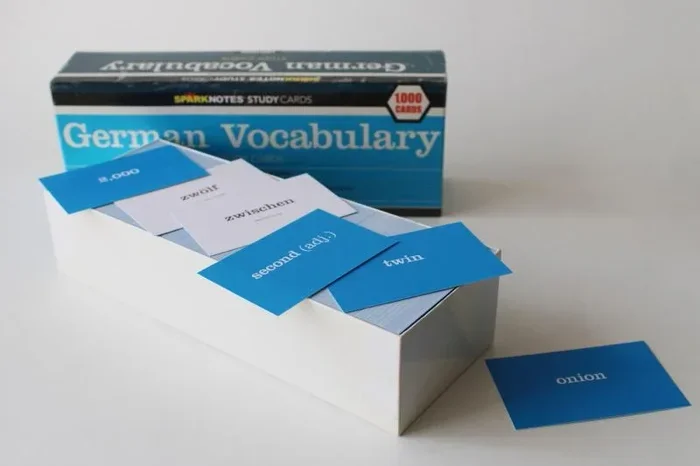
Write the German word on one side and the English meaning on the other. Review them daily. Apps like Anki or Quizlet make this effortless. The key is consistency. Five minutes a day beats one long session per week.
Create Sentences
Do not just memorize definitions. Write three original sentences for each word. This forces your brain to use the word actively. Active use beats passive recognition every time.
Watch German Content
Movies, news clips, and YouTube videos expose you to real pronunciation and usage. Pause when you hear a new word. Write it down. Look it up. This method builds both vocabulary and listening skills simultaneously.
Practice with a Partner
Find a language exchange partner or join a German conversation group. Speaking aloud reinforces what you have learned. It also builds confidence. You will make mistakes, and that is perfectly fine. Every mistake is a lesson.
Quick Tips for Success
- Start with the three most common words: Angriff, angreifen, Überfall
- Practice pronunciation daily for just five minutes
- Use new words in real conversations as soon as possible
- Do not fear mistakes. They are part of the process
- Review old words regularly so they stay fresh
Common Mistakes to Avoid
Even eager learners make preventable errors. Here are the most common ones when using attack words in German.
- Confusing Angriff with angriff: Remember, nouns are capitalized in German. Always write “Angriff” with a capital A.
- Using the wrong article: Angriff is masculine (der), not neutral (das) or feminine (die). Using the wrong article sounds immediately unnatural to native speakers.
- Forgetting verb separation: In sentences with prefixes like “an-” in angreifen, the verb splits in main clauses. “Er greift den Feind an” not “Er an greift den Feind.”
- Overusing one word: German gives you options. Using “Angriff” for every single context makes your speech sound repetitive and limited.
- Ignoring word order: In subordinate clauses, the verb moves to the end. “Weil er den Feind angreifen wollte” not “Weil er angreifen den Feind wollte.”
Avoiding these mistakes keeps your German clean and credible. You will sound more polished and natural in every conversation.
Expert Insights on German Vocabulary Building
Language experts agree that learning vocabulary in clusters is more effective than memorizing isolated words. Instead of just learning “Angriff,” learn its related verb “angreifen,” its compound forms, and its common phrases. This approach builds a web of connected knowledge that sticks in your memory longer.
Another expert tip is to learn words in context. Do not study “Angriff” in a vacuum. Study it inside a real sentence. This way, your brain stores not just the word but also its grammatical patterns and typical companions. When you need the word in real life, it comes out naturally without hesitation.
Also, do not underestimate the power of repetition. Research shows that spaced repetition dramatically improves long-term retention. Review new words at increasing intervals. Day one, day three, day seven, day fourteen. By the time you reach the second month, those words are part of your permanent vocabulary.
Finally, stay curious. Explore how words like “in lieu of meaning” work in English and how that concept translates to German. Understanding how different languages handle similar ideas deepens your overall language intuition and makes you a better communicator in any context.
Conclusion
Learning how to say attack in German opens doors to richer conversations and deeper understanding of the language. The word Angriff is your foundation. Angreifen is your verb. And words like Überfall and Sturm add variety and precision to your speech.
Use the phrases, practice the pronunciation, and avoid the common mistakes outlined in this guide. With consistent effort, you will use these words naturally and confidently. German vocabulary does not have to be overwhelming. Take it one word at a time. Build your skills step by step. And soon, you will speak with clarity and confidence that turns heads.
The journey of learning any language is about progress, not perfection. Every new word you add is a victory. So go ahead. Use Angriff in your next conversation. You have got this.
Frequently Asked Questions
What is the most common German word for attack?
The most common word is Angriff. It is a masculine noun used in everyday and formal contexts. The verb form is angreifen, which means to attack. Together, these two words cover most situations where you need to describe an attack in German.
How do you pronounce Angriff correctly?
Angriff is pronounced “AHNG-reef” with the stress on the first syllable. The “ng” sound is nasal, and the word ends cleanly with the “f” sound. Practice slowly at first and gradually increase your speed as you grow more comfortable with the pronunciation.
Is there a difference between Angriff and Überfall?
Yes, there is a meaningful difference. Angriff is a general term for any attack. Überfall specifically refers to a sudden, violent attack or a robbery. Use Überfall when the attack is fast, unexpected, and often criminal in nature.
Can angriff be used in figurative contexts?
Absolutely. Germans use Angriff in figurative and abstract senses. For example, “ein Angriff auf die Pressefreiheit” means an attack on press freedom. The word is flexible and works in both physical and metaphorical situations.
How many German words for attack should I learn?
Start with the top three: Angriff, angreifen, and Überfall. These cover most everyday situations. Once you are comfortable, add Sturm and Offensive for more nuance. There is no need to learn every single variation at once.
What is the best way to practice German attack vocabulary?
Write original sentences using each word. Speak them aloud to practice pronunciation. Use flashcards with spaced repetition. Watch German videos and listen for these words in context. The combination of writing, speaking, and listening creates the strongest memory retention.