
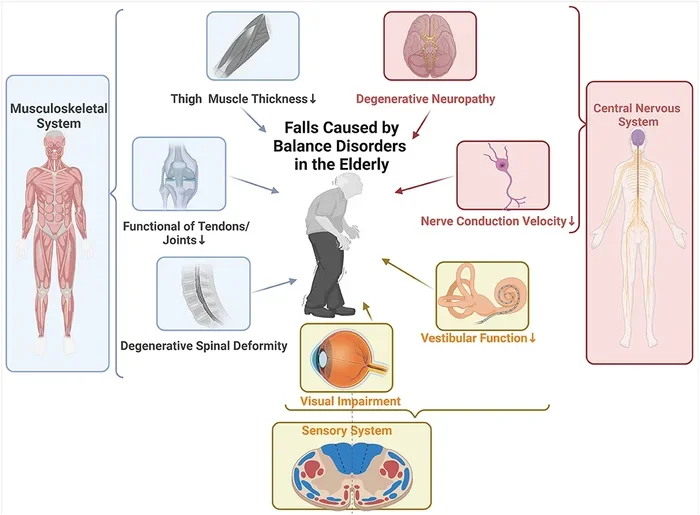
The ataxia meaning refers to a neurological condition that affects muscle coordination and balance. It is not a single disease but a symptom of underlying health issues that impact the brain, nerves, or muscles. Understanding the ataxia meaning helps patients and families recognize early signs and seek proper care.
Have you ever stumbled while walking or dropped something without knowing why? Most people experience moments like these from time to time. But for some individuals, coordination problems happen often and get worse over time. This is where the ataxia meaning becomes important to understand.
The ataxia meaning describes a neurological condition that affects muscle control and coordination. It is not one single disease. Instead, it is a sign that something is wrong in the nervous system. People with this condition may struggle with balance, speech, and fine motor skills. The good news is that understanding the ataxia meaning is the first step toward managing it effectively.
In this article, we will break down everything you need to know. We will cover the different types, causes, symptoms, and treatment options. By the end, you will have a clear picture of what ataxia is and how it impacts health. Let us dive in.
Key Takeaways
- Ataxia meaning: A neurological condition that causes loss of muscle coordination and balance control.
- Multiple types exist: Cerebellar, sensory, and vestibular ataxia each affect the body differently.
- Common causes include: Genetics, stroke, multiple sclerosis, alcohol abuse, and vitamin deficiencies.
- Early diagnosis matters: Recognizing symptoms early leads to better treatment outcomes and quality of life.
- Treatment options are available: Physical therapy, occupational therapy, and lifestyle changes can help manage symptoms.
- Living with ataxia is possible: Many people lead fulfilling lives with the right support and care plan.
📑 Table of Contents
What Does Ataxia Mean?
The ataxia meaning comes from a Greek word that translates to “lack of order.” This makes sense because the condition causes movements to become uncoordinated and irregular. When someone has ataxia, their brain struggles to send the right signals to their muscles. The result is clumsy or uncontrolled movement.
Many people confuse ataxia with muscle weakness. But that is not quite right. The muscles themselves are often fine. The problem lies in the brain’s ability to coordinate movement. Think of it like a computer with a faulty connection. The hardware works, but the signals get mixed up.
The Cerebellum Connection
The cerebellum plays a huge role in coordination. This part of the brain sits at the back of the skull. It controls balance, posture, and smooth movement. When the cerebellum gets damaged, the ataxia meaning becomes very real in a person’s daily life. Even simple tasks like buttoning a shirt or walking in a straight line become challenging.
Damage to other parts of the nervous system can also cause ataxia. The spinal cord and peripheral nerves help transmit signals from the brain to the muscles. When these pathways get disrupted, coordination suffers. This is why the ataxia meaning covers such a wide range of symptoms and conditions.
Types of Ataxia and Their Meaning
Not all ataxia is the same. Doctors classify it into several types based on the cause and the area of the brain or body affected. Understanding these types helps clarify the ataxia meaning in different contexts.
Cerebellar Ataxia
Cerebellar ataxia is the most common type. It happens when the cerebellum gets damaged or degenerates. People with this type often show signs of unsteady gait and slurred speech. They may also have trouble with eye movements and depth perception.
This type can result from many causes. Stroke, tumors, and genetic conditions are common culprits. Alcohol abuse over many years can also lead to cerebellar damage. The ataxia meaning in this case points directly to cerebellar dysfunction.
Sensory Ataxia
Sensory ataxia occurs when the nerves that send position signals to the brain get damaged. These nerves help you know where your body is in space. Without this sense, people lose proprioception. Proprioception is the ability to sense the position of your limbs without looking at them.
People with sensory ataxia often stomp their feet when walking. They do this because they cannot feel the ground properly. Their eyes become more important for balance. In the dark or with closed eyes, their coordination gets much worse. This is a key clue that helps doctors identify the ataxia meaning as sensory in nature.
Vestibular Ataxia
Vestibular ataxia relates to the inner ear and balance system. The vestibular system helps you maintain equilibrium. When it malfunctions, dizziness and vertigo often follow. People with this type may feel like the room is spinning.
Inner ear infections, head injuries, and certain medications can trigger vestibular ataxia. The ataxia meaning here centers on balance disruption rather than muscle control alone. This distinction matters for treatment and recovery.
Common Causes of Ataxia
Finding the ataxia meaning in a specific case means identifying the root cause. Many conditions can lead to ataxia. Some are genetic, while others develop over time. Let us look at the most common causes.
Genetic and Inherited Causes
Some forms of ataxia run in families. These are called inherited ataxias. They happen because of gene mutations passed down from parents. One well-known example is Friedreich’s ataxia. This condition affects the nervous system and the heart. It usually shows up in childhood or the teenage years.
Another genetic cause is spinocerebellar ataxia. This group includes many different subtypes. Each one affects a different gene. The ataxia meaning in genetic cases often gets clearer as research advances. Genetic testing can now identify many of these mutations early.
Acquired Causes
Not all ataxia is inherited. Many people develop it later in life due to external factors. These are called acquired causes. They include:
- Stroke: A stroke can damage the cerebellum or brainstem. This disruption leads to sudden coordination loss.
- Multiple sclerosis: This autoimmune disease attacks the protective covering of nerves. Ataxia is a common symptom.
- Alcohol abuse: Long-term heavy drinking damages the cerebellum. This is one of the most preventable causes.
- Vitamin deficiencies: Low levels of vitamin B12 or vitamin E can cause coordination problems.
- Thyroid disorders: An underactive or overactive thyroid can affect the nervous system.
- Infections: Certain viral and bacterial infections can trigger temporary or permanent ataxia.
Toxic and Medication-Related Causes
Some medications and substances can cause ataxia as a side effect. Chemotherapy drugs, sedatives, and certain anticonvulsants are known culprits. Heavy metal exposure, such as lead or mercury poisoning, can also lead to coordination problems. The ataxia meaning in these cases often improves once the substance is removed or the dosage is adjusted.
Symptoms and Signs to Watch For
Recognizing the symptoms of ataxia early can make a big difference. The ataxia meaning shows up in many ways. Some signs are subtle at first and become more obvious over time.
Movement and Coordination Symptoms
The most visible signs of ataxia involve movement. People may notice:
- Unsteady gait: Walking becomes wobbly or uneven. The person may sway or stumble frequently.
- Poor balance: Standing on one foot or walking on a narrow surface becomes very difficult.
- Clumsiness: Dropping objects, bumping into furniture, or missing steps happens more often.
- Fine motor problems: Buttoning clothes, writing, or using utensils gets harder.
- Tremors: Involuntary shaking may appear, especially during purposeful movements.
Speech and Eye Movement Symptoms
Ataxia does not only affect the body. It can also change speech and eye movements. Dysarthria is the medical term for slurred or slow speech. The person may sound drunk or mumbled even when they are sober. Eye movement problems, called nystagmus, cause the eyes to make rapid, involuntary movements.
Cognitive and Emotional Effects
Many people do not realize that ataxia can affect mental health too. Depression and anxiety are common among those living with coordination disorders. The frustration of losing physical control takes a toll. Social isolation often follows as people withdraw from activities they once enjoyed.
When to See a Doctor
If you or someone you love shows signs of coordination loss, see a doctor. Sudden onset of ataxia can signal a medical emergency, especially if it follows a stroke or head injury. Gradual worsening of symptoms also needs professional evaluation. Early intervention improves outcomes significantly.
Diagnosis and Testing
Diagnosing ataxia involves several steps. Doctors need to rule out many possible causes. The process starts with a thorough clinical evaluation.
Neurological Examination
A neurologist will test reflexes, muscle strength, and coordination. They may ask the patient to walk heel-to-toe or touch their nose with their finger. These simple tests reveal a lot about the ataxia meaning in a specific case. The doctor observes the pattern of movement problems to narrow down the type.
Imaging and Lab Tests
MRI scans help doctors see the brain and spinal cord in detail. They can detect tumors, stroke damage, or degeneration of the cerebellum. Blood tests check for vitamin deficiencies, thyroid problems, and markers of autoimmune disease. Genetic testing confirms inherited forms of ataxia. Together, these tools help build a complete picture.
Treatment and Management Options
There is no cure for many forms of ataxia yet. But treatment can significantly improve quality of life. The ataxia meaning guides the treatment approach because different types need different strategies.
Physical Therapy
Physical therapy is one of the most effective treatments. A trained therapist designs exercises that improve balance, strength, and coordination. Gait training helps people walk more steadily. Balance exercises reduce the risk of falls. Many patients see real progress with consistent therapy.
Occupational Therapy
Occupational therapy focuses on daily living skills. Therapists teach adaptive techniques for dressing, cooking, and writing. They also recommend assistive devices. Canes, walkers, and wheelchairs can restore independence. The ataxia meaning in treatment means finding ways to work around coordination challenges.
Medication and Lifestyle Changes
Medications can address specific symptoms. Drugs that reduce tremors or dizziness may help. Treating the underlying cause is also crucial. If vitamin deficiency is the issue, supplements can make a big difference. For alcohol-related ataxia, stopping drinking can halt progression. Thyroid medication can restore balance when the cause is hormonal.
Lifestyle changes play a supporting role too. A healthy diet, regular exercise, and good sleep habits all help the nervous system function better. Avoiding alcohol and toxins protects the brain from further damage.
Speech Therapy
For those with speech difficulties, speech therapy offers real benefits. Therapists work on articulation and breathing control. They also introduce communication aids when needed. This aspect of treatment often gets overlooked but makes a huge difference in daily confidence.
Living with Ataxia: Tips for Daily Life
Adjusting to life with ataxia takes time and patience. But many people find ways to thrive. The ataxia meaning becomes less scary when you have practical strategies in place.
Start by making the home environment safer. Remove tripping hazards like loose rugs. Install grab bars in the bathroom. Use non-slip mats in the kitchen. These small changes prevent falls and injuries.
Stay socially active. Isolation worsens depression and anxiety. Join a support group for people with coordination disorders. Connecting with others who understand the challenges provides emotional strength. Online communities are also a great resource.
Keep a routine. Regular meals, exercise, and sleep schedules help the body stay as stable as possible. Track symptoms in a journal. This helps doctors adjust treatment plans over time.
Focus on what you can do, not what you cannot. Celebrate small victories. Every improvement, no matter how minor, is a step forward. A positive mindset goes a long way in managing any chronic condition.
Ataxia in Children vs. Adults
The ataxia meaning can look different depending on age. Children often develop inherited forms like Friedreich’s ataxia. Symptoms may first appear as clumsiness or frequent falling. Parents might mistake it for normal childhood accidents at first. But persistent coordination problems warrant a doctor’s visit.
In adults, acquired causes are more common. Stroke, head injury, and alcohol abuse top the list. Adults also face degenerative forms that worsen slowly over years. The treatment approach varies by age group. Children often respond well to early intervention. Adults benefit from a combination of therapy and lifestyle adjustments.
Research and Future Outlook
Research into ataxia is growing every year. Scientists are studying gene therapy as a potential treatment for inherited forms. Clinical trials are testing new drugs that may slow or stop degeneration. The ataxia meaning continues to evolve as researchers uncover more about the nervous system.
Stem cell therapy shows promise in early studies. This approach aims to repair damaged nerve cells. While it is not yet widely available, it offers hope for the future. Advances in genetic testing also make earlier diagnosis more possible than ever before.
The outlook for people with ataxia is improving. Better treatments, earlier detection, and stronger support networks make a real difference. Many people with ataxia live full, active lives. The key is to stay informed and work closely with healthcare providers.
Conclusion
The ataxia meaning is more than just a medical term. It represents a real challenge that affects coordination, balance, and independence. But it is not the end of the story. With the right knowledge, treatment, and support, people with ataxia can lead meaningful and fulfilling lives.
If you recognize any of the symptoms we discussed, do not wait. Talk to a healthcare professional. Early action opens the door to better outcomes. Share this article with someone who might benefit from understanding the ataxia meaning. Knowledge is power, and it starts with awareness.
Frequently Asked Questions
What is the simple ataxia meaning in everyday language?
In simple terms, ataxia means a loss of muscle coordination. It makes movements unsteady and uncontrolled. It is not a disease itself but a symptom of other conditions affecting the brain or nerves.
Is ataxia a life-threatening condition?
Ataxia itself is not usually life-threatening. However, the underlying cause can be serious. For example, ataxia caused by a stroke needs immediate medical attention. Genetic forms may worsen over time but do not always shorten lifespan. Proper management greatly improves outcomes.
Can ataxia be cured?
There is no cure for many types of ataxia yet. But treatment can significantly reduce symptoms. Physical therapy, medication, and lifestyle changes help people manage the condition. Some acquired forms improve when the cause is treated, such as vitamin deficiency or alcohol use.
What is the difference between ataxia and Parkinson’s disease?
Ataxia affects coordination and balance. Parkinson’s disease affects movement speed, causing stiffness and tremors. They are different neurological conditions. However, both can impact daily life and benefit from similar therapies like physical and occupational therapy.
Can children outgrow ataxia?
Some children with mild ataxia improve with therapy and time. Genetic forms usually do not go away on their own. Early intervention is key for the best results. A pediatric neurologist can provide the most accurate guidance for each child.
What exercises help with ataxia symptoms?
Balance exercises, walking on different surfaces, and coordination drills all help. Tai chi and yoga improve stability and body awareness. A physical therapist can design a personalized program. Consistency matters more than intensity when managing ataxia symptoms.