
Knowing how to say post office in Spanish is essential for travelers and language learners alike. The most common translation is oficina de correos, but there are several other useful variations you should know. This guide covers pronunciations, regional differences, and real-world phrases so you can confidently find a post office anywhere in the Spanish-speaking world.
Key Takeaways
- Point 1: The primary way to say post office in Spanish is oficina de correos, widely understood across all Spanish-speaking countries.
- Point 2: Regional variations like correos (Spain) or correo (Latin America) give you flexibility depending on where you are.
- Point 3: Learning related vocabulary like sello (stamp), paquete (package), and direccin (address) makes your post office visit much smoother.
- Point 4: Pronunciation tips and audio resources help you sound natural when asking for directions.
- Point 5: Understanding cultural differences in postal services across Spanish-speaking countries adds real-world value.
- Point 6: Common mistakes to avoid include direct translations that don’t exist in Spanish.
📑 Table of Contents
- How to Say Post Office in Spanish Without Struggling
- The Main Word: Oficina de Correos
- Regional Variations Across Spanish-Speaking Countries
- Related Vocabulary You Will Need at the Post Office
- Common Mistakes When Asking for the Post Office in Spanish
- How to Find a Post Office When Traveling
- Cultural Insights About Spanish Postal Services
- Quick Tips for Remembering How to Say Post Office in Spanish
- Expert Insights on Learning Spanish Postal Vocabulary
- Conclusion
How to Say Post Office in Spanish Without Struggling
Have you ever found yourself standing on a street in Madrid or Mexico City, trying to mail a letter, and drawing a blank on the word post office? You are not alone. Many Spanish learners struggle with everyday vocabulary that seems simple but has regional twists. The good news is that learning how to say post office in Spanish is easier than you think. In this guide, we break it all down so you can walk up to any counter with confidence. Let us get started.
Translation is a tricky business. Sometimes a word in English maps perfectly to a Spanish equivalent, and sometimes it does not. For example, if you want to understand how translation works between languages like Hindi and English, checking out resources on translate to English in Hindi meaning can give you a broader perspective on how words shift across cultures. Similarly, Spanish has its own unique ways of expressing the concept of a postal service. This article will walk you through every variation, pronunciation tip, and practical phrase you need.
Why Knowing This Matters
Whether you are traveling, moving abroad, or just curious, knowing how to find and use a post office in Spanish is a real-life skill. You might need to send a birthday gift, pick up a package, or buy postage stamps. Walking in and not knowing the right words can turn a simple task into a frustrating experience. Plus, showing even basic effort in the local language earns you goodwill everywhere you go. People appreciate it when visitors try to speak their language, even if you make mistakes.
Let us also keep in mind that Spanish is spoken in over 20 countries. Each region has its own flair, slang, and sometimes even different words for the same thing. So learning post office in Spanish is not just about one single phrase. It is about understanding the landscape of options available to you. That is exactly what this article delivers.
The Main Word: Oficina de Correos
The most standard and widely recognized way to say post office in Spanish is oficina de correos. This phrase works in almost every Spanish-speaking country. Let us break it down word by word so it sticks in your memory.
- Oficina means office. You probably already know this one.
- De means of or from. It connects the two parts of the phrase.
- Correos means mail or posts. This is the key word that tells people what kind of office you are looking for.
When you put it together, oficina de correos literally translates to “office of mails.” Simple, right? Now let us talk about how to say it out loud.
Pronunciation Guide
Pronouncing oficina de correos correctly will help people understand you faster. Here is a simple breakdown.
- Oficina — oh-fee-SEE-nah. The stress falls on the third syllable.
- De — deh. A short, soft word.
- Correos — koh-RREH-ohs. The double r needs a slight roll.
Try saying it slowly a few times: “oh-fee-SEE-nah deh koh-RREH-ohs.” Once that feels comfortable, speed it up to a natural pace. If you are worried about your accent, remember this: native speakers are forgiving. They will understand you as long as your meaning is clear. Do not let fear of perfection stop you from trying.
Regional Variations Across Spanish-Speaking Countries
Here is where things get interesting. Spanish is not one monolithic language. It changes from country to country. So the word for post office in Spanish can vary depending on where you are. Let us explore the most common regional differences.
In Spain
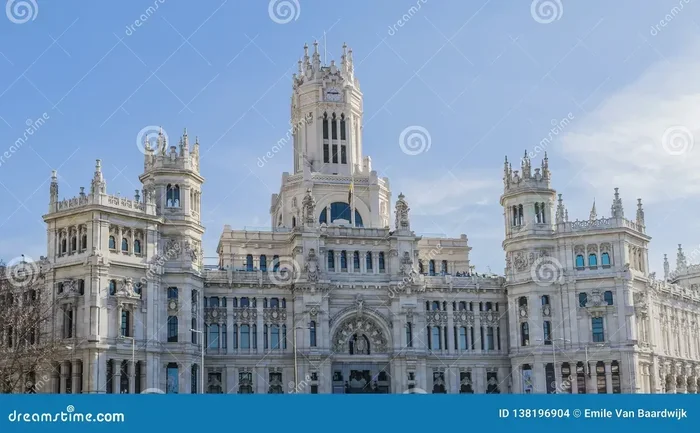
In Spain, the national postal service is called Correos. When people in Spain want to say post office, they often just say correos on its own. You might also hear oficina de correos, but the shorter version is very common in everyday conversation. The main post office in Madrid is a great example. Locals simply call it “los correos.”
In Mexico
In Mexico, the postal service goes by Correos de Mxico. In daily speech, Mexicans might say correo (singular) when referring to the post office. You could also hear oficina de correos, but it is less commonly used in casual speech compared to Spain.
In Argentina
Argentina has its own postal service called Correo Argentino. In Buenos Aires, you might hear people use correo or even refer to it more informally depending on the neighborhood. The formal term oficina de correos still works, but locals have their own casual shortcuts.
In Colombia and Other Latin American Countries
In Colombia, the postal service is Servicio Postal Nacional (4-72). In everyday conversation, Colombians might simply say el correo. Across Central America and the Caribbean, similar patterns emerge. The word correo or oficina de correos gets you understood almost everywhere.
So what is the takeaway here? If you learn oficina de correos, you will be understood in virtually every Spanish-speaking country. But knowing the local shortcuts shows respect and helps you blend in. It is like knowing that some people say “soda” and others say “pop” in English. Same idea, different flavor.
Related Vocabulary You Will Need at the Post Office
Knowing how to say post office in Spanish is just the beginning. To actually navigate a visit successfully, you need a few more words in your pocket. Here is a handy list of essential vocabulary you will encounter at any postal office.
| English | Spanish | Pronunciation |
|---|---|---|
| Stamp | Sello | SEH-yoh |
| Package | Paquete | pa-KEH-teh |
| Letter | Carta | CAR-tah |
| Address | Direccin | dee-rehk-see-THOHN |
| Envelope | Sobres | SOH-brehs |
| Mailbox | Buzn | boo-ZOHN |
| Tracking number | Nmero de seguimiento | NOO-meh-roh deh seh-goo-EE-mee-en-toh |
| Postage | Franqueo | frahn-KEH-oh |
| Registered mail | Correo certificado | koh-RREH-oh sehr-tee-fee-KAH-doh |
| Opening hours | Horario de atencin | oh-RAH-ree-oh deh ah-tehn-see-THOHN |
Having these words ready will make your visit much smoother. Imagine walking up to the counter and saying, Hola, necesito comprar un sello y un sobre (Hello, I need to buy a stamp and an envelope). Suddenly, you are not just a tourist. You are someone who prepared. That small effort goes a long way.
Useful Phrases for Your Visit
Beyond individual words, having full phrases ready is a game changer. Here are some practical examples you can use right away.
- Dnde est la oficina de correos ms cercana? — Where is the nearest post office? (DOHN-deh ehs lah oh-fee-SEE-nah deh koh-RREH-ohs mahs seh-RKA-nah?)
- Quiero enviar esta carta. — I want to send this letter. (KYEH-roh ehn-BYAR ehs-TAH CAR-tah.)
- Cunto cuesta enviar un paquete? — How much does it cost to send a package? (KOON-toh KWES-tah ehn-BYAR oon pa-KEH-teh?)
- Necesito un sello para Estados Unidos. — I need a stamp for the United States. (neh-seh-SEE-toh oon SEH-yoh pah-rah ehs-TAH-dohs oo-NEE-dohs.)
- Tiene servicio de menslera? — Do you have a mailing service? (TYEH-neh sehr-BEE-see-oh deh mehn-SYEH-rah?)
These phrases cover the most common situations you will face. Practice them a few times before your trip. Even a rough attempt will make a huge difference. And if you get stuck, you can always fall back on pointing and gestures. But the words will take you much further.
Common Mistakes When Asking for the Post Office in Spanish
Every language learner makes mistakes. That is completely normal and nothing to be embarrassed about. But some errors come up more often than others when people try to say post office in Spanish. Let us look at the most common ones so you can avoid them.
Mistake 1: Translating Word for Word
Some learners try to translate “post office” directly as “oficina de correo” (singular). While this is not technically wrong, the more natural and widely used form is oficina de correos (plural). Using the plural form will sound more natural and is understood everywhere.
Mistake 2: Confusing Correos with Corre
Correo means mail or post. Correr means to run. These are completely different words, but they look similar on paper. Mixing them up can lead to some very confusing moments. Just remember: correos is the postal service, and correr is what you do at the gym.
Mistake 3: Forgetting the Article
In Spanish, nouns usually need an article. Saying “I need to go to oficina de correos” sounds incomplete. The correct version is “I need to go to la oficina de correos.” The little word “la” (the) makes a big difference in sounding natural.
Instead of relying on a direct translation, sometimes it helps to understand the broader meaning behind phrases. For instance, if you are trying to grasp how certain expressions carry alternative meanings in different contexts, understanding the concept of in lieu of meaning can sharpen your instinct for when to use one term versus another in Spanish. Context matters a lot in translation.
How to Find a Post Office When Traveling
Knowing the words is great, but actually finding a post office in a foreign city can be a challenge. Here are some practical tips that will help you locate a postal office quickly and easily.
Use Google Maps
Google Maps is your best friend when traveling. Simply type oficina de correos or correos into the search bar. The map will show you the nearest locations with hours, reviews, and directions. This works in almost every Spanish-speaking country.
Ask Locals
Do not be shy about asking people on the street. Most people are happy to help. Use the phrase Dnde est la oficina de correos? and point to your phone map if needed. You will be surprised how willing strangers are to help a visitor who makes even a small effort with their language.
Look for Street Signs
In many cities, especially in Spain and larger Latin American cities, the postal service has dedicated buildings with clear signage. Look for the word Correos on the building. In smaller towns, the post office might share a building with a pharmacy or a bank, so keep your eyes open.
Check Online Directories
Most countries have an official postal service website. In Spain, it is correos.es. In Mexico, it is correosdemexico.com.mx. These websites have location finders that show you every branch in your area. Bookmark the right site before your trip and save it on your phone.
Quick tip: save the phrase Dnde est la oficina de correos in your phone notes before you travel. Having it ready means you will never feel stuck, even in areas with limited internet access.
Cultural Insights About Spanish Postal Services
Understanding how postal services work in Spanish-speaking countries adds another layer of confidence. It is not just about vocabulary. It is about knowing what to expect.
In Spain, Correos handles everything from letters to banking services in rural areas. In Mexico, Correos de Mxico has been modernizing its services in recent years. In Argentina, Correo Argentino plays a similar role. Each country has its own quirks and strengths.
One thing that remains consistent across all these countries is the importance of the postal service for rural communities. In areas where internet access is limited, the postal office remains a lifeline for communication and commerce. This cultural context helps you appreciate why the post office matters so much in the Spanish-speaking world.
Also, keep in mind that postal services in Spanish-speaking countries may operate on different schedules than what you are used to. Some offices close for a long lunch break in the afternoon. Always check the hours before you go. Asking Cules son las horas de atencin? (What are the hours of service?) saves you a wasted trip.
When you are exploring language nuances, it is also worth noting how different languages handle the concept of alternatives and substitutions. Understanding when one term is used in place of another in informal communication can deepen your overall language awareness and help you pick up on regional shortcuts more naturally.
Quick Tips for Remembering How to Say Post Office in Spanish
Here are some fast, practical tips to lock in your learning. These are things you can do right now, not just before a trip.
- Write it down five times. Repetition works. Grab a notebook and write oficina de correos five times. Say it out loud each time.
- Use a flashcard app. Apps like Anki or Quizlet let you create digital flashcards. Add oficina de correos and review it during your commute.
- Practice with a friend. Find a language partner or a friend who is also learning Spanish. Quiz each other on postal vocabulary.
- Watch Spanish videos. Search for “oficina de correos” on YouTube. Hearing the phrase in real conversations helps it stick faster than reading alone.
- Label things around your home. Put a sticky note on your mailbox that says correo. Every time you see it, say the word out loud.
- Set a daily reminder. Use your phone to remind yourself to practice the phrase once a day for a week. Consistency beats intensity.
The key is to make learning feel effortless. When the phrase post office in Spanish becomes second nature, you will not even have to think about it. It will just roll off your tongue.
Expert Insights on Learning Spanish Postal Vocabulary
Language experts agree that learning vocabulary in context is far more effective than memorizing isolated words. Instead of just memorizing oficina de correos, try building a mini-dialogue around it. Imagine yourself walking into the post office, greeting the clerk, and asking for stamps. Visualize the whole scene. This mental rehearsal activates the same brain pathways as real experience.
Another expert tip is to group related words together. Learn correos, sello, paquete, and direccin as a cluster rather than separate items. When your brain stores them as a connected set, recall becomes faster and more natural. This technique, called chunking, is widely used in language education and works beautifully for practical vocabulary like postal terms.
Finally, do not underestimate the power of repetition over time. Research shows that spacing out your practice sessions leads to much better long-term retention. Review oficina de correos today, then again tomorrow, then again in three days. Each review strengthens the memory trace a little more.
Conclusion
Learning how to say post office in Spanish does not have to be a struggle. The main phrase, oficina de correos, works across the entire Spanish-speaking world. Add in regional variations like correos in Spain or correo in Latin America, and you have a flexible toolkit for any situation. Pair this with the related vocabulary, practical phrases, and cultural insights from this guide, and you are fully prepared for your next visit to a postal office.
Remember the common mistakes to avoid, use the quick tips to reinforce your learning, and always practice in context. The more you use these words in real or imagined scenarios, the more natural they will become. So go ahead, practice saying oficina de correos out loud right now. You will be glad you did when the moment comes to use it in real life.
Language learning is a journey, and every new word is a step forward. Mastering how to say post office in Spanish is a small but meaningful victory. Celebrate it, build on it, and keep expanding your vocabulary one phrase at a time. You have got this.
Frequently Asked Questions
What is the most common way to say post office in Spanish?
The most common and universally understood way is oficina de correos. This phrase works in Spain, Mexico, Argentina, Colombia, and virtually every Spanish-speaking country. It is the safest and most widely recognized term you can use.
Do all Spanish-speaking countries use the same word for post office?
Not exactly. While oficina de correos is understood everywhere, regional variations exist. In Spain, people often just say correos. In Mexico and much of Latin America, correo (singular) is common in casual speech. But oficina de correos will always get the point across.
How do I pronounce oficina de correos correctly?
Break it into three parts: oh-fee-SEE-nah (oficina), deh (de), and koh-RREH-ohs (correos). The stress in “oficina” is on the third syllable, and the double r in “correos” should have a light roll. Practice slowly and gradually increase your speed.
What other words should I know when visiting a post office in Spanish?
Key words include sello (stamp), paquete (package), carta (letter), sobre (envelope), and direccin (address). These will help you communicate your needs clearly at any postal office. Learn them as a group for better retention.
Can I use Google Maps to find a post office in a Spanish-speaking country?
Yes, absolutely. Search for oficina de correos or simply correos in Google Maps, and it will show you the nearest locations with hours and directions. This works in most Spanish-speaking countries and is one of the easiest ways to find a post office while traveling.
What is the biggest mistake English speakers make when looking for a post office in Spanish?
The biggest mistake is translating word for word without considering natural usage. Saying “oficina de correo” (singular) instead of the more natural “oficina de correos” (plural) is common. Also, forgetting to use the article “la” before the noun makes speech sound incomplete. Small details like these make a big difference in sounding natural.