
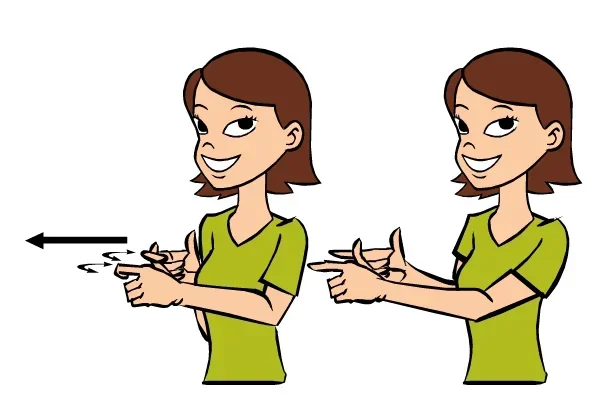
Our guide teaches you exactly how to say run in sign language using clear, step-by-step instructions. You will learn the basic ASL running sign, common variations, teaching tips, and real-world usage examples. Whether you are a beginner or building on existing skills, this guide makes it easy to add the running sign to your American Sign Language vocabulary.
Key Takeaways
- Basic Running Sign: The core ASL sign for “run” uses both hands with curved fingers moving forward in a quick, repetitive motion.
- Multiple Variations Exist: Depending on context, you can use a sprinting variation, a jogging variation, or a full-speed running sign.
- Facial Expressions Matter: Adding intensity to your face helps convey whether someone is running slowly or sprinting full speed.
- Teaching Tips Work: Using physical movement and games makes learning the run sign fun and memorable for kids and beginners.
- Context Changes the Sign: The running sign shifts slightly depending on whether you mean “run” as in exercise, “run” as in fleeing, or “run” as in operating something.
- Practice Makes Permanent: Regular practice with a partner or in front of a mirror builds muscle memory and fluency.
📑 Table of Contents
- What Does “Run” Look Like in Sign Language?
- Step-by-Step Guide to Signing “Run” in ASL
- Common Variations of the Running Sign
- How to Teach the “Run” Sign to Beginners
- Running Signs in Different Contexts
- Tips for Mastering the Running Sign in Sign Language
- Common Mistakes to Avoid When Signing “Run”
- Why Learning the “Run” Sign Matters
- Conclusion
What Does “Run” Look Like in Sign Language?
If you have ever wondered how to say run in sign language, you are in the right place. The basic sign for “run” in American Sign Language is simple, visual, and easy to remember. Both hands move forward with curved fingers, mimicking the motion of feet hitting the ground.
Sign language is a beautiful and expressive way to communicate. It uses hand shapes, movements, facial expressions, and body language to convey meaning. Unlike spoken language, sign language relies entirely on visual cues. This makes signs like “run” incredibly intuitive to learn.
Many people search for how to sign run because they want to communicate with deaf friends, family members, or students. Some learn it for fitness classes. Others need it for a school project or personal interest. No matter your reason, this guide covers everything you need to know.
When you look up wyo meaning in text, you find quick slang definitions. But sign language is far more rich and layered. A single sign like “run” can carry different meanings based on context, speed, and facial expression. We will explore all of that in this guide.
Step-by-Step Guide to Signing “Run” in ASL
Learning how to say run in sign language does not require any special equipment. All you need are your hands and a little practice. Follow these steps to get started.
Step 1: Start with the Correct Hand Shape
Hold both hands in front of your body. Keep your fingers slightly curved, as if you are holding a small ball. Your palms should face downward. This hand shape is the foundation of the running sign in ASL.
Step 2: Position Your Hands Properly
Place your hands at about chest height. Keep them shoulder-width apart. Your arms should be relaxed and loose. This starting position gives you the freedom to move your hands quickly and naturally.
Step 3: Move Your Hands Forward
Push both hands forward in a quick, repetitive motion. Each movement should be short and sharp, like a footstrike. The motion should feel energetic and rhythmic. Think of it as mimicking the pounding of feet on the ground.
Step 4: Add Facial Expression
Your face plays a big role in sign language. For a regular run, keep a neutral or slightly focused expression. For sprinting, widen your eyes and show intensity. For a casual jog, relax your face. These small changes make your signing much clearer.
Step 5: Practice the Full Motion
Put it all together. Hand shape, position, forward motion, and facial expression. Practice slowly at first. Then gradually increase your speed. The goal is to make the sign look natural and effortless.
Common Variations of the Running Sign
Not all running is the same. In sign language, you can adjust the running sign to match the situation. Here are the most common variations you will encounter.
Sprinting Sign
The sprinting version of how to say run in sign language is faster and more exaggerated. You move your hands with quick, sharp bursts. Your body leans slightly forward. Your facial expression shows urgency and speed. This sign clearly communicates maximum effort.
Jogging Sign
For a light jog, slow down the hand motion. Keep the movements smaller and more relaxed. Your face stays calm. This variation works well when you want to describe a casual run or warm-up exercise.
Running Away Sign
Sometimes “run” means fleeing or escaping. In this case, you add a backward directional component. Instead of moving your hands forward, you push them backward away from your body. Pair this with a worried or scared expression. This tells the viewer the person is running from something.
Running a Machine or Business
Here is where context really matters. When “run” means operating something, the sign changes entirely. You might use a different hand shape and motion. This is similar to how the in lieu of meaning changes depending on what phrase you are replacing. The same word, different context, different sign.
How to Teach the “Run” Sign to Beginners
Teaching how to say run in sign language to a beginner can be a fun and rewarding experience. Whether you are a parent, teacher, or friend, these tips will help you make the learning process smooth and enjoyable.
Use Physical Movement
One of the best ways to teach the running sign is to actually run in place while signing. This connects the physical action with the hand sign. The learner remembers the sign better because they are using their whole body. Kids especially love this approach.
Play Signing Games
Turn practice into a game. Call out different actions and have the learner sign them. Include “run,” “walk,” “jump,” and “stop.” Make it a race. The more fun the activity, the more the learner will want to practice. Games build confidence and reduce anxiety.
Use Visual Aids
Print out pictures or draw simple diagrams showing the hand positions. You can also use video demonstrations. Watching someone else sign helps the learner understand timing and flow. Many online resources break down how to sign run with slow-motion replays.
Repeat and Reinforce
Repetition is key to sign language learning. Practice the running sign a few minutes every day. Use it in real conversations whenever possible. The more the learner sees and uses the sign, the more natural it becomes.
Running Signs in Different Contexts
Communication is all about context. The same basic sign for “run” can mean very different things depending on the situation. Understanding these nuances is what separates a beginner from an advanced signer.
When you translate to english in hindi meaning, you see how words shift meaning across languages. The same thing happens in sign language. The running sign might mean exercise in one sentence and escape in another. Your facial expression and body language provide the clues.
Running as Exercise
This is the most common use. You sign “run” while talking about jogging, cardio, or training. Keep the motion steady and moderate. A slight smile or focused expression works well here.
Running as Fleeing
In a story or real-life situation, “run” might mean running away from danger. Use the backward directional motion we discussed earlier. Add urgency to your face and body. The viewer will immediately understand the difference.
Running as Operating
When you say “run a company” or “run a program,” the sign changes. This is a concept-specific sign rather than a physical action sign. It is a great example of how sign language uses different signs for different meanings of the same English word.
Running in Storytelling
If you are telling a story in ASL, the running sign becomes part of a larger narrative. You might combine it with signs for “fast,” “forest,” “chase,” or “exhausted.” The combination of signs creates a vivid picture in the viewer’s mind.
Tips for Mastering the Running Sign in Sign Language
Mastering how to say run in sign language takes time and consistent effort. Here are practical tips to help you improve faster and sign with greater confidence.
Practice in Front of a Mirror
Mirror practice lets you see your hand shapes and movements clearly. Check that your fingers are curved correctly. Watch your facial expressions. Make sure your motions are smooth and rhythmic. Recording yourself on video is another great option.
Sign with a Partner
Practice with a friend who also knows sign language. Take turns signing sentences that include “run.” Give each other feedback. Signing with a partner simulates real conversation and builds fluency much faster than solo practice.
Watch Native Signers
One of the fastest ways to improve is to watch fluent signers. Look for videos of deaf individuals telling stories or having conversations. Pay attention to how they sign “run” in different contexts. Notice the speed, facial expressions, and body language they use.
Be Patient with Yourself
Learning any new language takes time. Do not get discouraged if the sign feels awkward at first. Sign language is a full, complex language. Every expert was once a beginner. Celebrate small wins and keep practicing.
Use the Sign in Daily Life
Find opportunities to use the running sign every day. Talk about your morning jog. Describe a dog running in the park. Tell a friend about a close call where you had to run. Real-world usage cements the sign in your memory.
Common Mistakes to Avoid When Signing “Run”
Even experienced learners make mistakes. Knowing what to avoid helps you progress faster and sign more accurately.
- Using flat hands instead of curved fingers: The running sign requires a gentle curve. Flat hands change the meaning and look unnatural.
- Moving too slowly: Running implies speed. If your hand motion is too slow, it starts to look like walking. Keep the movements quick and sharp.
- Ignoring facial expressions: In ASL, your face is part of the grammar. A blank face while signing “run” makes the sign unclear. Match your expression to the action.
- Confusing “run” with “escape”: These are different signs with different directional movements. Make sure you use the correct direction for the intended meaning.
- Overthinking the hand shape: Perfection is not the goal at first. Focus on the overall motion and flow. Hand shape will improve with practice.
Why Learning the “Run” Sign Matters
Understanding how to say run in sign language is about more than just one sign. It opens the door to communicating about physical activity, storytelling, and everyday events. The running sign is a building block in your ASL vocabulary. Once you master it, you can combine it with other signs to express complex ideas.
Sign language is a gateway to the deaf community. Learning even basic signs like “run” shows respect and willingness to connect. It breaks down barriers and builds bridges between hearing and deaf individuals. Every new sign you learn brings you closer to meaningful communication.
Whether you are learning for personal growth, professional development, or to communicate with a loved one, the running sign is a great place to start. It is simple, visual, and useful in countless conversations. Start practicing today and watch your sign language skills grow.
Remember that communication is about connection. When you sign “run” to someone, you are sharing an experience. You are saying, “I understand this feeling. I can picture this moment.” That is the true power of sign language.
Conclusion
Learning how to say run in sign language is a rewarding journey. You now know the basic sign, the variations, the teaching methods, and the common mistakes to avoid. The running sign in ASL is versatile, expressive, and easy to remember with regular practice.
Start with the basic hand shape and forward motion. Add facial expressions to convey the right intensity. Practice with a partner or in front of a mirror. Use the sign in real conversations to build confidence. Over time, you will sign “run” naturally and effortlessly.
Sign language is more than a communication tool. It is a culture, a community, and a way of seeing the world. Every sign you learn, including the running sign, brings you deeper into this rich and vibrant language. Keep practicing, stay curious, and enjoy the journey of learning how to sign run in American Sign Language.
Frequently Asked Questions
What is the basic sign for “run” in ASL?
The basic ASL sign for “run” uses both hands with curved fingers moving forward in quick, repetitive motions. Your palms face downward, and the movement mimics feet hitting the ground. Add facial expressions to match the speed and intensity of the run.
Is the running sign different for sprinting versus jogging?
Yes, it is. For sprinting, you use faster, more exaggerated hand movements and an intense facial expression. For jogging, the motion is slower and more relaxed. The hand shape stays the same, but the speed and energy change based on the type of running.
Can children learn the “run” sign easily?
Absolutely. Children pick up the running sign quickly because it is visual and physical. Using games, running in place, and repetition makes it even easier for young learners. Kids enjoy the connection between the hand sign and the actual movement.
Do I need to use facial expressions when signing “run”?
Yes, facial expressions are essential in sign language. They act as adverbs and adjectives, modifying the meaning of your signs. A focused face shows a serious run, while an excited face shows a joyful run. Without facial expression, the sign can feel incomplete.
Are there regional differences in how “run” is signed?
While American Sign Language is standardized across the United States, minor regional variations can exist. Some signers may use slightly different hand movements or body shifts. However, the core running sign remains consistent and widely understood across the deaf community.
How long does it take to master the running sign in sign language?
Most learners can sign “run” comfortably within a few days of practice. Mastering the variations and using them naturally in conversation takes a few weeks. Consistent daily practice, even just five to ten minutes, makes a big difference in building fluency and confidence.