
The tmi meaning is simple: it stands for “too much information.” People use this acronym when someone shares more details than needed, especially about personal or private topics. Understanding tmi meaning helps you communicate better online and in person. This guide covers the definition, origin, examples, and how to avoid oversharing in everyday life.
Key Takeaways
- TMI stands for “too much information”: it is a widely used acronym that signals when someone has shared more than necessary.
- The term originated in the 1990s: it grew from workplace humor and became a staple of internet slang over time.
- TMI appears in texts, chats, and social media: it is used in both casual and digital communication to flag oversharing.
- Oversharing can harm relationships: sharing too much personal detail can make others uncomfortable and strain trust.
- Setting personal boundaries helps: knowing when to stop sharing protects your privacy and respects others.
- TMI is not always negative: sometimes honest sharing builds connection, but context matters a lot.
- Professional settings have their own rules: what feels normal among friends may be considered tmi at work.
📑 Table of Contents
- What Does TMI Mean?
- The Origin and History of TMI
- How TMI Shows Up in Everyday Life
- Tmi on Social Media and Digital Communication
- Setting Healthy Boundaries to Avoid Oversharing
- Why Do People Share Too Much Information?
- Is TMI Always a Bad Thing?
- TMI in Professional Settings
- Common Mistakes People Make With TMI
- How to Respond When Someone Says TMI to You
- Key Takeaways
- Final Thoughts
What Does TMI Mean?
If you have ever seen the letters tmi meaning pop up in a group chat or social media post, you are not alone. TMI stands for “too much information.” It is a quick way to tell someone they have shared more personal detail than you needed or wanted to hear.
The tmi definition is straightforward. When someone tells you about a stomach issue in graphic detail, or describes every step of their morning routine at the dinner table, you might say, “That is so tmi.” The phrase signals that the sharing too much has crossed a comfortable line.
TMI in text messages works the same way. You might receive a long voice note about a breakup, and your friend replies with just “tmi.” It is a lighthearted way to set a boundary without being rude. The acronym fits perfectly into the fast-paced world of digital communication where people want quick, clear exchanges.
The beauty of this term is that almost everyone understands it. Whether you are a teenager texting friends or a professional chatting with coworkers, tmi meaning is universally recognized. It has become one of the most common pieces of internet slang used across the globe.
Why Knowing the TMI Meaning Matters
Understanding tmi meaning is more than just knowing an acronym. It helps you read the room, both online and in person. When you recognize that you are crossing into oversharing territory, you can adjust your communication style. This small awareness can improve your relationships and make conversations more enjoyable for everyone.
People who understand tmi meaning tend to be better at reading social cues. They know when a topic is too personal. They know when their audience is not interested in every detail. This skill is especially valuable in the age of social media oversharing, where boundaries can blur quickly.
The Origin and History of TMI
The TMI acronym did not appear overnight. It has a fun history that stretches back several decades. Understanding where it came from gives you a deeper appreciation for how language evolves.
Where It All Started
The phrase “too much information” has been around since at least the 1980s. However, the shortened form TMI gained popularity in the 1990s. Office workers in the United States started using it as a humorous way to deflect uncomfortable questions. Think of a coworker asking about your weekend plans in too much detail, and you would roll your eyes and say, “TMI, please.”
As the internet grew in the early 2000s, tmi meaning found a new home. Chat rooms, forums, and early social networks gave people a platform to share constantly. With that came the need for a quick way to say “back off.” The acronym fit perfectly into this new digital world.
How TMI Became Internet Slang
By the 2010s, tmi meaning had become a household term. Texting made it even more popular. People used it in SMS, iMessage, WhatsApp, and eventually in comments on Instagram, Twitter, and TikTok. The rise of online oversharing made the term more relevant than ever.
Today, tmi meaning is used by people of all ages. It is not just for young internet users. Parents, professionals, and grandparents all recognize the acronym. It has truly become a part of modern digital communication culture.
How TMI Shows Up in Everyday Life
TMI is everywhere in daily life. You hear it, you read it, and you might even say it yourself. Let us look at how tmi meaning shows up in real situations.
At the Dinner Table
Family dinners can sometimes turn into more than they should. Maybe your aunt starts describing her medical symptoms in great detail. Or your uncle shares a story that is far too personal for the room. That is a classic moment for tmi meaning. Someone at the table will likely say, “Okay, that is tmi,” and everyone will laugh or shake their heads.
In Group Chats
Group chats are another hot spot for oversharing. When one person sends a long message about a breakup, a health issue, or a relationship problem, others might respond with “tmi.” It is a gentle way to say, “I appreciate your honesty, but I did not need all of that.”
In the Workplace
Workplace conversations also have their own tmi meaning boundaries. Sharing too much about your personal life during a meeting or in the break room can make colleagues uncomfortable. A quick “tmi” can redirect the conversation back to work without causing awkwardness.
On Social Media
Social media oversharing is one of the biggest drivers of tmi meaning today. People post detailed updates about their health, relationships, finances, and even bathroom habits. While sharing can be healthy and authentic, there is a fine line between being open and being too much.
When someone comments “tmi” on a social media post, it is usually a friendly reminder to keep some things private. It is part of online etiquette that has developed naturally over the years.
Tmi on Social Media and Digital Communication
The way we communicate has changed dramatically. Digital communication is now the default for many people. Texting, posting, and messaging happen constantly throughout the day. With this shift, tmi meaning has become even more important.
The Rise of Oversharing Online
Social media platforms encourage people to share. Likes, comments, and shares reward openness. This creates a culture where online oversharing can feel normal. People post about their workouts, their meals, their arguments, and their feelings in real time.
But not everyone wants to know every detail. That is where tmi meaning comes in. It acts as a social signal that says, “This is more than I need to know.” It helps people maintain personal boundaries in a world that often feels like there are none.
Information Overload and TMI
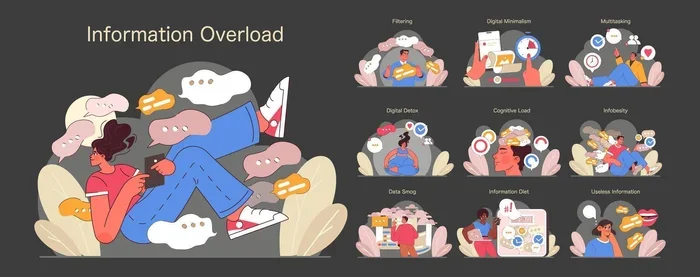
We live in an age of information overload. Notifications, news alerts, and endless scrolling can overwhelm anyone. When someone adds more detail than needed to a conversation, it adds to this overload. Recognizing tmi meaning helps people manage their attention and focus on what truly matters.
Think about it this way. If someone tells you a 10-minute story about a minor inconvenience, you might feel mentally drained. That is information overload in action. A simple “tmi” can cut through the noise and bring the conversation back to a manageable level.
TMI in Texting and Messaging Apps
Texting has its own unwritten rules. People expect short, clear messages. When someone sends a 500-word text about something trivial, the response “tmi” is almost automatic. It has become a standard part of tmi in text culture.
Messaging apps like WhatsApp, Telegram, and Signal also use tmi meaning regularly. Group chats are especially prone to oversharing. One person’s long story can derail the entire conversation, and “tmi” is the go-to way to gently pull things back.
Setting Healthy Boundaries to Avoid Oversharing
Knowing tmi meaning is one thing. Applying it to your own life is another. Setting healthy personal boundaries is a skill that takes practice. Here are some practical tips.
Know Your Audience
Not everyone in your life needs to know everything. Think about who you are talking to before you share. A close friend might appreciate deep details. A coworker or acquaintance might prefer small talk. Matching your sharing level to your audience is the first step in avoiding oversharing.
Ask Yourself a Simple Question
Before you share something personal, ask yourself: “Does this person need to know this?” If the answer is no, it might be tmi. This simple check can save you from awkward moments and protect your digital privacy.
Respect Other People’s Boundaries
Boundaries work both ways. When someone tells you something is tmi, respect it. Do not push for more details. Do not take it personally. Most of the time, they are just trying to keep the conversation comfortable for both of you.
Use the TMI Rule in Social Media Posts
Before you post something personal online, apply the tmi rule. Read your post and ask: “Would I be comfortable if my boss, my parents, or a stranger saw this?” If not, consider editing it down or keeping it private. This simple habit protects your personal space and builds a healthier online presence.
Create a Sharing Comfort Zone
Not all topics are meant for all audiences. Create a mental map of what you share with whom. Keep deep personal matters for close friends and family. Keep lighter topics for casual conversations. This approach reduces the chance of sharing too much with the wrong person.
Why Do People Share Too Much Information?
Understanding tmi meaning also means understanding why people overshare in the first place. There are several reasons behind this behavior.
Emotional Relief
Sometimes people share because it feels good to get things off their chest. Talking about problems can provide emotional relief. The problem is that not everyone wants to hear about it. What feels like a release for the speaker can feel like a burden for the listener.
Seeking Validation
Social media has created a culture where people seek validation through sharing. Likes and comments on personal posts can feel affirming. But this search for approval can lead to online oversharing that crosses into tmi territory.
Lack of Awareness
Some people simply do not realize they are oversharing. They do not pick up on social cues. They do not notice when others look uncomfortable. For these individuals, learning about tmi meaning can be a real eye-opener.
Building Connection
Sharing personal stories can be a way to build connection. Vulnerability creates trust. The key is balance. When sharing becomes excessive, it stops building connection and starts creating distance. Knowing the difference is part of mastering social media boundaries.
Is TMI Always a Bad Thing?
Here is an interesting twist. TMI is not always negative. Sometimes sharing a lot of detail shows honesty and authenticity. In close relationships, deep conversations build trust and intimacy.
The difference lies in context and consent. If both people are comfortable with the level of detail, then there is no problem. TMI only becomes an issue when one person feels overwhelmed or uncomfortable. Context is everything.
Think of it this way. A therapist asking about your feelings is not tmi. A stranger on the bus asking the same question might be. The setting, the relationship, and the timing all matter.
Learning to read these cues is a valuable life skill. It helps you be more empathetic. It helps you communicate more effectively. And it helps you avoid being the person everyone quietly rolls their eyes at.
TMI in Professional Settings
Workplaces have their own rules about sharing too much. What feels normal among friends can be completely out of place in a professional environment.
Discussing personal health issues, relationship drama, or financial problems at work can make colleagues uncomfortable. It can also affect your professional reputation. Understanding tmi meaning in a work context helps you stay respected and focused.
Here are a few quick guidelines for the workplace:
- Keep personal details vague: you do not need to explain every detail of your weekend.
- Stay professional in meetings: save deep conversations for breaks or after work.
- Watch your email tone: long, emotional emails can come across as tmi to coworkers.
- Respect hierarchy: what you share with a close friend is not always appropriate for your boss.
Following these simple tips keeps your professional image strong and your digital communication effective.
Common Mistakes People Make With TMI
Even people who understand tmi meaning can make mistakes. Here are some common ones to avoid.
Assuming Everyone Wants to Know
Just because you find a topic interesting does not mean everyone else does. Assuming your audience wants every detail is a common mistake. Always gauge interest before diving deep.
Using TMI to Shut Someone Down
While “tmi” is usually lighthearted, using it to dismiss someone’s feelings can be hurtful. If a friend is going through a tough time, listen first. Save the tmi comment for lighter moments.
Oversharing as a Habit
If you find yourself being labeled tmi regularly, it might be time for a self-check. Ask trusted friends for honest feedback about your communication style. Self-awareness is the first step toward change.
Ignoring Cultural Differences
What counts as tmi varies across cultures. In some cultures, sharing personal details is completely normal. In others, it is considered private. Being aware of these differences prevents misunderstandings and shows respect.
How to Respond When Someone Says TMI to You
Hearing “tmi” can sting a little. But how you respond matters. Here are some tips for handling it gracefully.
- Do not take it personally: most of the time, it is not about you. It is about the situation.
- Smile and move on: a lighthearted “fair enough” keeps the peace.
- Reflect later: if it keeps happening, think about whether you might be sharing more than is comfortable.
- Set your own boundaries: if someone consistently makes you feel like you are sharing too much, it is okay to address it calmly.
Remember, tmi meaning is meant to be helpful, not harmful. When used with kindness, it keeps conversations balanced and enjoyable.
Key Takeaways
- TMI stands for “too much information”: it is a universal acronym that signals when sharing has gone too far.
- The term has a rich history: from office humor in the 1990s to a global internet slang staple today.
- TMI appears in texts, chats, and social media: it is a key part of modern digital communication.
- Oversharing can strain relationships: knowing when to stop sharing protects both your privacy and your connections.
- Setting personal boundaries is essential: understanding tmi meaning helps you respect your own limits and those of others.
- TMI is not always bad: context, consent, and audience determine whether sharing is appropriate.
- Professional settings require extra care: what feels normal among friends may be considered tmi at work.
Final Thoughts
The tmi meaning is more than just three letters. It is a reminder to be mindful of what we share and with whom. In a world of constant digital communication, knowing when to hold back is a superpower.
Whether you are texting a friend, posting on social media, or chatting at work, understanding tmi meaning helps you navigate conversations with grace. It keeps things comfortable. It protects your personal boundaries. And it shows respect for the people around you.
Next time you feel the urge to share every detail, pause for a moment. Ask yourself if it is necessary. If it is not, you now know exactly what to say. And if someone tells you that you are being tmi, take it as a friendly nudge, not a criticism.
Mastering the art of sharing without oversharing is a skill that serves you well in every area of life. Keep it simple. Keep it kind. And always remember the tmi meaning: too much information. Use it wisely, and your conversations will be better for it.
Frequently Asked Questions
What is the tmi meaning in simple words?
TMI stands for “too much information.” It is used when someone shares more personal detail than is comfortable or necessary. It is a quick, casual way to signal that the conversation has crossed a boundary.
Where did the tmi acronym come from?
The phrase “too much information” has been around since the 1980s. The shortened form TMI became popular in the 1990s, especially in American office culture. It then spread through the internet and became a staple of internet slang.
Is tmi only used in text messages?
No, tmi meaning is used in many places. You will see it in text messages, group chats, social media comments, and even in face-to-face conversations. It is a universal signal that applies to all forms of digital communication.
Can saying tmi hurt someone’s feelings?
Usually, tmi is said in a lighthearted way. But if it is used repeatedly or in a harsh tone, it can feel dismissive. The key is to use it kindly and only when the sharing truly crosses a comfortable line.
How can I stop oversharing online?
Start by asking yourself if your audience needs to know the details. Apply the tmi rule before posting anything personal. Set clear social media boundaries and remember that not everything needs to be shared publicly.
What is the difference between sharing and oversharing?
Sharing builds connection and trust. Oversharing happens when the details go beyond what the audience needs or wants. The difference comes down to context, audience, and whether the other person feels comfortable with the level of detail being shared.
=== CONCLUSION ===
TMI meaning is one of those terms that has woven itself into everyday communication. From text messages to social media to dinner table conversations, it serves as a gentle reminder to keep things balanced. Understanding tmi meaning is not just about knowing an acronym. It is about developing awareness of how your words affect others.
Oversharing is a common habit in today’s connected world. But with a little mindfulness, you can avoid crossing the line. Respect your own personal boundaries. Respect the boundaries of others. And use tmi as a tool to keep conversations comfortable and enjoyable.
Now that you know the full tmi meaning, you are better equipped to navigate the sometimes messy world of modern communication. Share thoughtfully. Listen actively. And remember: sometimes less really is more.