
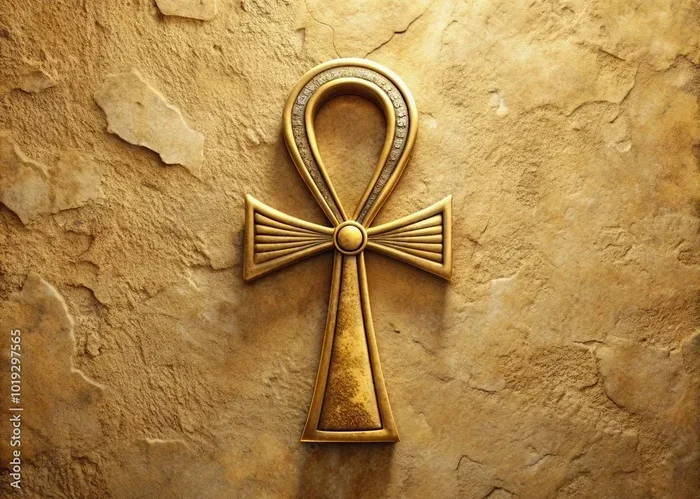
The ankh meaning goes far beyond a simple hieroglyph — it represents eternal life, divine power, and the sacred balance of existence in ancient Egyptian culture. Also known as the key of life or Egyptian cross, the ankh symbol has captivated people for thousands of years. This article dives deep into its origins, spiritual significance, and how it shapes modern culture today.
The ankh meaning has fascinated historians, spiritual seekers, and curious minds for centuries. This ancient Egyptian symbol looks like a cross with a loop at the top, and it carries one of the deepest messages in human history. People across the world still wear it, ink it on their skin, and study it with wonder. But what does this iconic symbol really mean? Where did it come from? And why does it still matter today? Let us walk through the full story of the ankh together.
The ankh is also called the key of life or the Egyptian cross. It shows up in ancient hieroglyphics, temple walls, and burial chambers across Egypt. The symbol looks simple, but its layers of meaning are vast. From the afterlife to resurrection, the ankh touches on some of humanity’s biggest questions. It asks what happens when we die, what gives life purpose, and how the divine connects to the everyday.
In this article, we will explore the ankh meaning in depth. We will look at its origins in ancient Egyptian mythology, its connection to gods and goddesses, and how it evolved over thousands of years. We will also cover its role in modern culture, from ankh jewelry to tattoos and spiritual practices. By the end, you will understand why this symbol continues to hold such power.
Key Takeaways
- Ancient Origins: The ankh is one of the oldest and most recognized symbols from ancient Egypt, dating back over 4,000 years.
- Eternal Life: Its primary meaning centers on eternal life, resurrection, and the afterlife journey of the soul.
- Divine Connection: The ankh was closely tied to gods like Osiris and Isis, representing their power over life and death.
- Modern Relevance: Today, the ankh appears in jewelry, tattoos, art, and spiritual practices worldwide.
- Cultural Bridge: The symbol connects ancient Egyptian wisdom to modern African heritage and New Age spirituality.
- Multiple Meanings: Depending on context, the ankh can symbolize water, air, divine breath, or the union of male and female energies.
📑 Table of Contents
- The Origins Of The Ankh Symbol
- The Spiritual Meaning Of The Ankh
- The Ankh And The Gods Of Egypt
- The Ankh In Modern Culture
- Comparing The Ankh To Other Sacred Symbols
- Common Mistakes People Make About The Ankh
- Quick Tips For Working With The Ankh Symbol
- Expert Insights On The Ankh Meaning
- Key Takeaways
The Origins Of The Ankh Symbol
The ankh is one of the most ancient symbols ever created. It first appeared in ancient Egypt around 2600 BCE during the Early Dynastic Period. That makes it over 4,500 years old. The symbol shows up in some of the earliest known hieroglyphic texts, carved into stone temples and painted on papyrus scrolls.
The shape of the ankh is unique. It has a cross with a looped top instead of a straight vertical line. Many scholars believe the loop represents the sun rising over the horizon. Others think it symbolizes the eternal cycle of birth, death, and rebirth. The horizontal arm may represent the earthly realm, while the vertical arm points toward the heavens. Together, the shape creates a powerful visual of divine connection.
The ankh was not just a religious symbol. It was also a part of daily Egyptian life. People wore it as amulets for protection. Scribes carved it into sacred texts. Kings held ankh symbols in their hands as a sign of their god-given authority. The symbol touched every part of Egyptian society.
The Ankh In Egyptian Art And Architecture
Ancient Egyptian artists used the ankh everywhere. You can find it painted on the walls of tombs in the Valley of the Kings. It appears in relief carvings at Karnak and Luxor temples. The symbol was often placed in the hands of mummified figures, known as ushabti statues. These statues were meant to serve the dead in the afterlife.
The ankh also appeared in temple rituals. Priests would hold an ankh-shaped instrument near the face of the deceased during mummification. This act was meant to breathe eternal life into the person. The ritual was called the “Opening of the Mouth” ceremony, and the ankh played a central role.
The Loop That Means Everything
Why a loop? That question has puzzled scholars for a long time. The loop at the top of the ankh is what sets it apart from other crosses. Some believe the loop represents the sun disc, a key symbol in Egyptian mythology. The sun was seen as the source of all life. Without the sun, crops would die, rivers would dry up, and people would perish.
Others think the loop represents the breath of life. In ancient Egyptian belief, the gods breathed life into humans. The loop could symbolize that sacred breath, the divine spark that separates living beings from the dead. This idea connects directly to the ankh meaning of eternal life.
The Spiritual Meaning Of The Ankh
The spiritual meaning of the ankh goes deep. At its core, the ankh represents the promise that life does not end with death. It is a symbol of resurrection, rebirth, and the soul’s journey beyond the physical body. For the ancient Egyptians, death was not the final chapter. It was a doorway to something greater.
The ankh was closely tied to the afterlife beliefs of ancient Egypt. The Egyptians believed in a complex journey after death. The soul had to pass through the Hall of Judgment, face the god Osiris, and have its heart weighed against the feather of Maat. If the heart was lighter than the feather, the soul could enter the afterlife. The ankh was a promise that this journey led to everlasting life.
The Key Of Life And The Breath Of God
The key of life nickname for the ankh is very telling. A key opens doors. The ankh, in this sense, is the key that opens the door to eternity. It unlocks the path from the mortal world to the divine realm. The Egyptians saw the ankh as a tool that bridges the gap between the human and the sacred.
In many depictions, gods and goddesses hold the ankh near the nose or mouth of the pharaoh. This represents the breath of God, the divine spark that keeps the soul alive forever. The ankh was not just a symbol of physical life. It represented spiritual life, the kind that continues long after the body is gone.
The Union Of Male And Female Energies
The ankh also symbolizes the balance of male and female energies. The loop at the top is often seen as feminine, representing the womb, creation, and nurturing. The cross below is seen as masculine, representing strength, stability, and structure. Together, they create a balanced whole.
This union is a key part of ancient Egyptian cosmology. The Egyptians believed that creation came from the merging of opposites. Male and female, sky and earth, chaos and order. The ankh captured this balance perfectly. It reminded people that life comes from the harmony of contrasting forces.
The Ankh And The Gods Of Egypt
The ankh was deeply connected to the Egyptian pantheon. Many gods and goddesses were shown holding the ankh or offering it to the living and the dead. The symbol was a divine gift, a sign that the gods had the power to grant and sustain life.
Isis And The Ankh
Isis is perhaps the goddess most associated with the ankh. She was the goddess of magic, motherhood, and healing. In many statues and paintings, Isis holds the ankh in her hand or wears it on her head. The ankh represented her power to bring the dead back to life. Her story of resurrecting Osiris is one of the most famous myths in ancient mythology.
Isis used the ankh to breathe life back into Osiris after his brother Set killed him. This act made the ankh a symbol of resurrection and hope. Even today, people who connect with Isis in modern spiritual practices see the ankh as a sacred tool for healing and renewal.
Osiris And The Afterlife
Osiris was the god of the afterlife, the dead, and resurrection. He was the first mummy, according to Egyptian legend. Set murdered him and cut his body into pieces. Isis gathered the pieces and used her magic to put him back together. Osiris then became the ruler of the underworld.
The ankh was Osiris’s gift to humanity. It promised that just as he was resurrected, so too could every human soul live on after death. The ankh meaning in this context is deeply personal. It tells each person that their journey does not end at the grave.
Other Gods And The Ankh
Many other gods held the ankh. Ra, the sun god, carried it as a symbol of his life-giving power. Hathor, the goddess of love and joy, wore it as a sign of her divine femininity. Anubis, the god of mummification, was sometimes shown with the ankh, representing his role in guiding souls to the afterlife.
The fact that so many gods shared the ankh shows how central it was to Egyptian religion. It was not the symbol of one god. It belonged to the entire divine realm.
The Ankh In Modern Culture
The ankh did not disappear with ancient Egypt. It lives on in modern culture in powerful ways. People around the world recognize the symbol, even if they do not know its full history. The ankh meaning has evolved, but its core message of eternal life still resonates.
Ankh Jewelry And Fashion
Ankh jewelry is hugely popular today. You can find ankh necklaces, rings, bracelets, and earrings in almost every style. Some people wear ankh jewelry as a fashion statement. Others wear it as a spiritual symbol, a reminder of their connection to ancient wisdom and the afterlife.
The ankh has also made its way into mainstream fashion. Designers have featured the symbol on clothing, shoes, and accessories. Celebrities have been spotted wearing ankh necklaces on red carpets. The symbol has become a global fashion icon that carries deep meaning beneath its simple shape.
Ankh Tattoos
Ankh tattoos are one of the most popular tattoo designs worldwide. People choose this tattoo for many reasons. Some want to honor their African heritage. Others see it as a symbol of spiritual growth and inner strength. Some get it as a reminder that life is eternal and that death is just a transition.
The beauty of an ankh tattoo is its simplicity. The shape is clean and bold. It looks great in any size, from a tiny wrist tattoo to a full back piece. The symbol also works well in different styles, from minimalist line art to detailed, colorful designs.
The Ankh In African Heritage And Identity
The ankh has become a powerful symbol of African heritage and pride. During the Harlem Renaissance and the Black Power movement, the ankh gained popularity as a symbol of African identity and spiritual roots. It represents a connection to a rich and ancient civilization that shaped human history.
Today, many people of African descent wear the ankh as a badge of cultural pride. It reminds them of their ancestors, their resilience, and their deep spiritual traditions. The ankh meaning in this context is about heritage, identity, and the unbroken chain of history.
The Ankh In New Age And Spiritual Practices
The ankh has also found a home in modern spiritual practices. It appears in meditation, energy healing, and crystal work. Many people believe the ankh carries a powerful vibrational frequency that promotes healing and spiritual growth.
In New Age circles, the ankh is often used as a tool for chakra alignment and energy work. Some practitioners place an ankh-shaped crystal on the heart chakra to open it up. Others meditate with the symbol to connect with ancient Egyptian wisdom and the energy of eternal life.
Comparing The Ankh To Other Sacred Symbols
The ankh shares similarities with other sacred symbols from different cultures. Understanding these connections can deepen your appreciation of its meaning.
| Symbol | Culture | Meaning | Similarity To Ankh |
|---|---|---|---|
| Ankh | Ancient Egypt | Eternal life, key of life | The original symbol of everlasting life |
| Coptic Cross | Early Christianity | Faith, resurrection | Derived from the ankh shape; loop replaced with a circle |
| Crux Ansata | Greco-Roman | Eternal life, divine power | Latin for “cross with a handle”; same shape as ankh |
| Ouroboros | Ancient Egypt/Greece | Cycles, eternity, rebirth | Represents the eternal cycle of life and death |
| Caduceus | Greek Mythology | Healing, balance | Shares the cross shape but lacks the loop |
The ankh stands out because it is the oldest of these symbols and the most directly tied to the concept of eternal life. While the Coptic cross and crux ansata borrowed its shape, the ankh remains the original and most powerful version.
Common Mistakes People Make About The Ankh
Confusing It With A Regular Cross
The most common mistake is confusing the ankh with a Christian cross. While they share some visual similarities, they are very different. The Christian cross represents the crucifixion of Jesus Christ and the sacrifice that brought salvation. The ankh represents eternal life, resurrection, and the divine breath. They carry different meanings, even though they look alike.
Treating It As Just A Fashion Trend
Another mistake is treating the ankh as just a fashion trend. Yes, ankh jewelry and tattoos are stylish. But the symbol carries thousands of years of history and deep spiritual significance. When you wear or display an ankh, you are connecting with an ancient tradition. It is worth understanding and respecting that connection.
Ignoring Its African Roots
Some people adopt the ankh without acknowledging its African origins. The ankh is an African symbol. It comes from one of the oldest civilizations on the African continent. Recognizing and honoring its roots is an important part of understanding its true meaning.
Quick Tips For Working With The Ankh Symbol
- Choose Quality Jewelry: If you buy ankh jewelry, look for pieces made with intention and care. Sterling silver and gold are popular choices that last a lifetime.
- Meditate With The Symbol: Hold an ankh pendant or printout during meditation. Focus on the shape and what it represents. Let its energy center you.
- Research Before You Ink: If you are considering an ankh tattoo, learn about its meaning first. Make sure the design honors the symbol’s rich history.
- Use It As A Reminder: Place an ankh somewhere you will see it daily. Let it remind you that life is eternal and that every ending is a new beginning.
- Share The Story: When someone asks about your ankh necklace or tattoo, share the story. Spreading knowledge keeps ancient wisdom alive.
Expert Insights On The Ankh Meaning
What Egyptologists Say
Egyptologists like Dr. Zahi Hawass and Dr. Kara Cooney have spoken about the ankh’s significance. They describe it as one of the most important symbols in the ancient Egyptian language. Dr. Cooney notes that the ankh was not just a religious object. It was a cultural cornerstone that shaped how Egyptians understood life, death, and everything in between.
Spiritual Teachers’ Perspectives
Modern spiritual teachers often use the ankh as a teaching tool. They explain that the loop represents the infinite nature of the soul. The cross represents the physical body and the earthly journey. Together, they show that the soul is eternal, even when the body is not.
Many teachers also emphasize the ankh’s connection to personal transformation. They encourage people to use the symbol as a focal point for setting intentions around growth, healing, and spiritual awakening.
Key Takeaways
- Ancient Origins: The ankh dates back over 4,500 years and is one of the oldest known symbols in human history.
- Eternal Life: The primary ankh meaning is eternal life, resurrection, and the soul’s journey beyond death.
- Divine Connection: The ankh was closely tied to gods like Isis, Osiris, and Ra, representing their power over life and the afterlife.
- Modern Relevance: Today, the ankh thrives in jewelry, tattoos, fashion, and spiritual practices around the world.
- Cultural Pride: The ankh serves as a powerful symbol of African heritage and identity for many people today.
- Balance And Union: The symbol represents the harmony of male and female energies, creation, and the balance of opposites.
- Spiritual Growth: Many people use the ankh as a tool for meditation, healing, and personal transformation.
The ankh meaning is one of the most profound and enduring messages in human history. It tells us that life does not end. It transforms. It continues. The ancient Egyptians gave us this gift thousands of years ago, and we can still feel its power today.
Whether you wear an ankh necklace, get an ankh tattoo, or simply admire the symbol, you are connecting with something much larger than yourself. You are tapping into the wisdom of one of the greatest civilizations the world has ever known.
The ankh is more than a shape. It is a promise. It is a reminder that every soul is eternal, that every ending brings a new beginning, and that the divine spark within us never goes out. Keep this symbol close, and let it guide you on your own journey of spiritual growth and discovery.
The next time you see an ankh, take a moment to appreciate its depth. Think about the thousands of years it has survived. Think about the millions of people who have been touched by its message. The key of life is still turning, and its door is still open.
Frequently Asked Questions
What does the ankh symbolize?
The ankh symbolizes eternal life, resurrection, and the divine connection between the physical and spiritual worlds. It is one of the most important symbols in ancient Egyptian culture.
Is the ankh the same as a Christian cross?
No, the ankh and the Christian cross are different symbols with different meanings. The ankh represents eternal life and divine breath in ancient Egyptian belief, while the cross represents the crucifixion and resurrection of Jesus Christ in Christianity.
Why is the ankh called the key of life?
The ankh is called the key of life because it was believed to unlock the door to eternity. The loop at the top resembles a key, and the symbol was thought to grant everlasting life to those who possessed or wore it.
Can anyone wear ankh jewelry?
Yes, anyone can wear ankh jewelry. It is a universal symbol of life and spirituality. However, it is important to wear it with respect and understanding of its deep cultural and historical roots in ancient Egyptian civilization.
What does an ankh tattoo mean?
An ankh tattoo often represents eternal life, spiritual growth, and a connection to ancient wisdom. Many people choose this tattoo to honor their heritage, mark a personal transformation, or remind themselves that life continues beyond physical death.
How old is the ankh symbol?
The ankh is over 4,500 years old. It first appeared in ancient Egypt during the Early Dynastic Period around 2600 BCE, making it one of the oldest and most enduring symbols in human history.
=== CONCLUSION ===
The ankh meaning is a story that spans thousands of years, countless cultures, and millions of lives. From the temples of ancient Egypt to the jewelry shops and tattoo parlors of today, the ankh continues to inspire and uplift. It reminds us that life is eternal, that death is not the end, and that the divine spark within each of us is unbreakable.
Whether you are drawn to the ankh for its ancient symbolism, its spiritual power, or its sheer beauty, it offers something profound. It is a symbol of hope, of resurrection, and of the endless journey of the soul. Carry that meaning with you, and let the key of life open doors you never knew existed.