
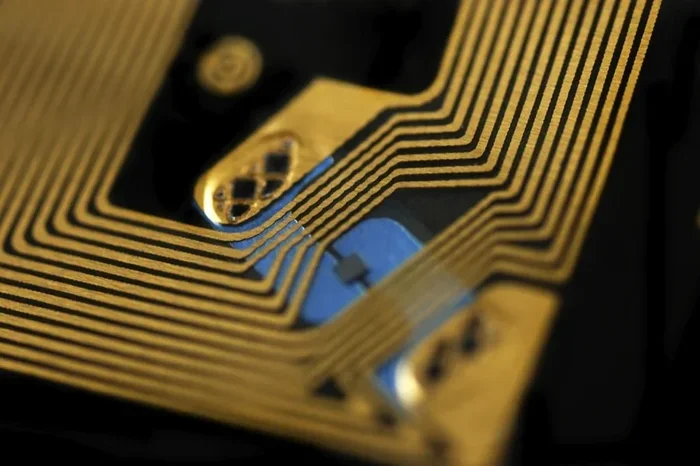
RFID meaning stands for radio frequency identification, a technology that uses wireless signals to identify and track objects without physical contact. It works through small RFID tags and RFID readers that communicate via radio waves. Understanding RFID meaning helps you see why this contactless tech is transforming retail, logistics, healthcare, and everyday convenience.
RFID meaning stands for radio frequency identification, and it is one of the most impactful technologies you interact with every single day without even realizing it. From the moment you tap your transit card to the way stores keep track of millions of products, RFID meaning touches nearly every part of modern life.
At its core, RFID meaning refers to a system that uses wireless radio waves to identify, track, and share data about objects. Unlike traditional barcodes, RFID technology does not need a direct line of sight. This small difference has massive implications for how businesses and consumers interact with the physical world.
In this guide, we will break down the RFID meaning in simple terms, explore how it works, and show you real-world examples of where you encounter it every day. By the end, you will understand why RFID technology is not just a buzzword but a genuine game-changer for industries worldwide.
Let us dive right in.
Key Takeaways
- RFID meaning stands for radio frequency identification, a wireless technology that identifies and tracks objects using radio waves.
- RFID tags come in passive and active types, each suited for different ranges and applications in RFID systems.
- RFID technology powers contactless payments, access control, inventory tracking, and supply chain management worldwide.
- The RFID meaning in everyday life is vast — from transit cards to retail tags to healthcare wristbands and toll systems.
- RFID vs barcode comparison shows RFID wins on speed and automation, while barcodes remain cost-effective for simpler needs.
- RFID applications are expanding rapidly with IoT integration, AI analytics, and the growing demand for contactless technology.
- Understanding RFID meaning helps both consumers and businesses appreciate the invisible systems driving modern convenience and efficiency.
📑 Table of Contents
What Is RFID Meaning and How Does It Work?
The RFID meaning becomes clear once you understand the basic components involved. Every RFID system has three main parts working together to make wireless data transfer possible.
The RFID Tag
An RFID tag is a small device attached to an object. It contains a tiny RFID chip and an antenna. The chip stores a unique identifier for that specific item. Think of it like a digital name tag that never falls off.
There are two main types of RFID tags:
- Passive RFID tags — These have no battery. They get their power from the electromagnetic field generated by the RFID reader. Because of this, they are small, cheap, and last for years.
- Active RFID tags — These have their own battery and actively broadcast a signal. They work over longer distances but cost more.
The RFID Reader
The RFID reader is the device that sends out radio waves and receives signals back from the tags. It acts as the bridge between the physical RFID tag and the digital system. Readers can be handheld devices or fixed installations on doors, conveyor belts, or doorways.
The Antenna
The antenna sends and receives radio signals. Without it, the RFID reader cannot communicate with the RFID tag. The antenna’s design determines the range and speed of the wireless data transfer.
Quick Tip
If you have ever walked through a store exit and heard a beep, that is an RFID reader at work. It is checking whether a RFID tag has been properly deactivated at checkout.
Types of RFID Systems
Not all RFID technology is the same. Different frequencies and tag types serve different purposes. Understanding these types helps you see the full picture of RFID meaning in practice.
Low-Frequency RFID
Low-frequency RFID systems operate at around 125 kHz. They have a short read range, usually under 10 centimeters. These are common in access control cards and animal tracking. Their short range makes them very secure for RFID cards and key fobs.
High-Frequency RFID
High-frequency RFID technology works at 13.56 MHz. This is the same frequency used by NFC technology (near field communication). You use high-frequency RFID every time you tap your phone for contactless payment or tap a card at a payment terminal.
Ultra-High-Frequency RFID
UHF RFID systems operate between 860 MHz and 960 MHz. They can read tags from several meters away. This makes them ideal for supply chain management and inventory tracking in large warehouses. Many retailers now use UHF RFID technology to manage stock across thousands of stores.
RFID Meaning in Everyday Life
You might be surprised to learn how often you interact with RFID technology without knowing it. The RFID meaning extends far beyond warehouses and factories.
Contactless Payments
When you tap your credit card or phone at a checkout, you are using RFID technology. Your RFID card or mobile wallet communicates with the payment terminal using high-frequency radio waves. This is the same principle behind NFC technology, which powers Apple Pay, Google Pay, and Samsung Pay.
Access Control and Security
Many offices and apartment buildings use RFID cards or RFID wristbands for access. When you tap your badge on a reader, the RFID system checks your credentials instantly. This is a practical application of RFID meaning that millions of people rely on daily.
Retail and Inventory Tracking
Major retailers like Walmart and Zara use RFID tags on products for inventory tracking and asset tracking. Instead of scanning each item individually, workers can walk through a section with a handheld RFID reader and instantly know what is on the shelves. This is a huge part of supply chain management.
Transportation and Toll Systems
Electronic toll tags and transit cards are RFID applications that make travel smoother. Your toll tag contains a passive RFID tag that communicates with a reader as you drive through. The same RFID technology powers Oyster cards in London and Clipper cards in San Francisco.
Healthcare and Patient Tracking
Hospitals use RFID wristbands to track patients and medical equipment. This improves safety and reduces errors. RFID technology also helps manage medication distribution, ensuring the right patient gets the right treatment at the right time.
Expert Insight
According to industry reports, the global RFID market is expected to exceed $30 billion by 2030. The growth is driven by demand for contactless technology and the need for better inventory tracking solutions across all sectors.
RFID vs Barcode: Key Differences
People often ask whether RFID technology will replace barcodes. The answer is more nuanced than a simple yes or no. Both have strengths, and understanding the RFID meaning in comparison helps clarify the choice.
| Feature | RFID | Barcode |
|---|---|---|
| Requires line of sight | No | Yes |
| Read range | Up to several meters | Centimeters only |
| Data capacity | Large, can store unique IDs | Limited, fixed data |
| Cost per tag | Higher (but dropping) | Very low |
| Read speed | Multiple tags at once | One at a time |
| Durability | High, no moving parts | Can smudge or tear |
The biggest advantage of RFID technology is speed and convenience. A worker can scan an entire cart of items in seconds. With barcodes, each item must be scanned individually. For supply chain management and large-scale inventory tracking, this difference is enormous.
However, barcodes still win on cost. A barcode label costs a fraction of an RFID tag. For small businesses or low-value items, barcodes remain the practical choice. The RFID meaning is not about replacing barcodes entirely but about offering a superior option where speed and automation matter most.
Why RFID Technology Really Matters for Business
Understanding the RFID meaning for business goes beyond technical curiosity. This technology delivers real, measurable benefits that transform operations.
Improved Inventory Accuracy
Manual counting is slow and error-prone. RFID technology gives businesses real-time visibility into their stock. With RFID tags on every item, managers can see exactly what is in the warehouse at any moment. This leads to fewer stockouts and less overstocking.
Enhanced Customer Experience
Faster checkout, fewer queues, and smoother returns. When stores use RFID technology, customers benefit directly. Self-checkout systems powered by RFID readers can process multiple items instantly. This is why major retailers have invested heavily in RFID applications.
Better Loss Prevention
Shrinkage from theft and misplaced items costs retailers billions each year. RFID technology helps track every item from the warehouse to the shelf. If an RFID tag leaves the store without being properly scanned, the system flags it immediately.
Asset Tracking and Maintenance
Beyond retail, RFID technology is used for asset tracking in hospitals, factories, and construction sites. Equipment tagged with RFID tags can be located instantly, reducing downtime and improving maintenance schedules.
Sustainability and Waste Reduction
Better inventory management means less waste. When businesses know exactly what they have, they order more accurately. This reduces food waste in grocery stores and overproduction in manufacturing. The RFID meaning here is tied directly to environmental impact.
Common Mistakes People Make About RFID
- Assuming all RFID is the same — There are different frequencies and tag types for different uses. Choosing the wrong one leads to poor performance.
- Ignoring tag placement — Where you place an RFID tag matters. Metal surfaces and liquids can interfere with the signal.
- Overestimating read range — Not all RFID systems can read tags from 10 meters away. Check the specifications for your specific setup.
- Neglecting data security — Some RFID tags can be read by unauthorized readers. Using encrypted RFID tags or NFC technology with built-in security helps protect sensitive data.
The Future of RFID Technology
The RFID meaning continues to evolve as the technology advances. Several trends are shaping the future of RFID technology and expanding its reach.
Smaller and cheaper tags are making RFID applications accessible to smaller businesses and even individual consumers. As production costs drop, expect to see RFID tags on everyday products at every price point.
The integration of RFID technology with IoT devices (Internet of Things) is another exciting development. Imagine a refrigerator that knows exactly what food you have and when it expires, all thanks to RFID tags on your groceries.
Contactless technology will continue to grow, especially after the global shift toward touch-free interactions. RFID cards, RFID wristbands, and mobile wallets are just the beginning. The RFID meaning in our daily lives will only expand from here.
AI-powered analytics combined with RFID data will enable even smarter supply chains. Businesses will not just track items but predict demand, optimize routes, and reduce waste using data collected by RFID systems.
Conclusion
The RFID meaning is simple yet powerful: it is a wireless technology that identifies and tracks objects using radio waves. From RFID tags on products to RFID readers at store exits, this technology is woven into the fabric of modern life.
Understanding RFID meaning helps you appreciate the invisible systems that make shopping, travel, and business smoother. Whether it is contactless payment, supply chain management, or inventory tracking, RFID technology delivers real value every single day.
The next time you tap your card, swipe your badge, or wonder how stores keep their shelves stocked, remember the RFID meaning behind it all. This technology is not just about identifying objects — it is about making our world more efficient, more connected, and more convenient.
Now that you understand what RFID meaning really is, you will never look at those little tags the same way again.
Frequently Asked Questions
What does RFID stand for?
RFID stands for radio frequency identification. It is a technology that uses wireless radio waves to identify and track objects. The RFID meaning comes from its core function: identifying items through radio frequency signals without needing physical contact or a direct line of sight.
How is RFID different from NFC?
NFC technology is actually a subset of RFID technology. NFC operates at high frequency (13.56 MHz) and has a very short read range, usually under 10 centimeters. RFID covers a broader range of frequencies and can work over much longer distances. Both enable contactless payment and data sharing, but RFID technology is used in a wider variety of applications.
Is RFID safe for personal information?
Yes, RFID technology is generally safe. Most RFID tags store only a unique identifier, not personal data. Many modern RFID cards and passports use encryption and security features to prevent unauthorized scanning. If you are concerned, you can use RFID-blocking wallets or sleeves for extra protection.
Can RFID be used for contactless payments?
Absolutely. Contactless payment systems rely on RFID technology or NFC technology. When you tap your credit card or phone at a payment terminal, the RFID reader communicates with the chip in your card or device. This is one of the most common RFID applications in everyday life.
What industries use RFID the most?
The biggest users of RFID technology include retail, logistics, healthcare, and transportation. Retailers use RFID tags for inventory tracking and loss prevention. Hospitals use RFID wristbands for patient safety. Logistics companies rely on RFID systems for supply chain management and asset tracking across global networks.
Do I need a special device to read RFID tags?
Yes, you need an RFID reader to read RFID tags. However, many modern smartphones support NFC technology, which can read certain high-frequency RFID tags. For reading UHF or low-frequency tags, you will need a dedicated RFID reader device. These range from handheld scanners to fixed readers installed at doors or conveyor belts.