
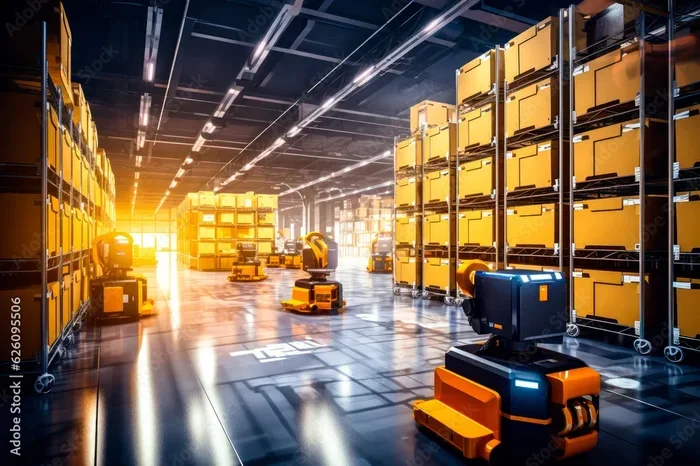
The 3PL meaning refers to third-party logistics, where businesses outsource their supply chain and distribution tasks to external experts. Understanding 3PL meaning helps companies save money, scale faster, and focus on growth instead of warehouse headaches. This guide covers everything you need to know about 3PL providers and why they matter for modern businesses.
Running a business is hard enough without worrying about where your products are stored, packed, and shipped every single day. That is exactly why so many companies are turning to 3PL meaning as a game-changing solution. If you have ever wondered what those three letters really stand for and how they can help your bottom line, you are in the right place.
In simple terms, 3PL meaning is third-party logistics. It means you hand over the heavy lifting of your supply chain to a company that specializes in it. Instead of managing warehouses, shipping labels, and delivery routes yourself, you let the experts do what they do best. This article breaks down the 3PL meaning in plain language, shows you how it works, and explains why it could be the smartest move your business ever makes.
Whether you run a small e-commerce store or a growing brand with thousands of orders per week, understanding 3PL meaning gives you a real advantage. You will learn what services these companies offer, how to pick the right one, and what to watch out for. Let us dive in and make sense of it all.
Key Takeaways
- 3PL meaning: Third-party logistics means hiring an outside company to handle your shipping, warehousing, and fulfillment needs.
- Cost savings: Outsourcing logistics reduces overhead, staffing costs, and the need for expensive warehouse space.
- Scalability: 3PL providers let you grow or shrink operations without major investments in infrastructure.
- Faster delivery: Partnering with a 3PL provider gives you access to established shipping networks and faster fulfillment.
- Technology access: Most 3PL companies offer advanced tracking, inventory management, and reporting tools.
- Choosing the right partner: Look for industry experience, technology integration, transparent pricing, and reliable customer support.
📑 Table of Contents
- What Does 3PL Meaning Actually Stand For?
- How 3PL Services Work in Practice
- Key Benefits of Using a 3PL Provider
- Types of 3PL Services You Should Know About
- How to Choose the Right 3PL Partner
- 3PL Meaning vs. In-House Logistics: Which Is Right for You?
- Common Mistakes to Avoid When Working with a 3PL Provider
- Quick Tips for Getting the Most Out of 3PL Services
- Expert Insights on the Growing Importance of 3PL
- Conclusion
What Does 3PL Meaning Actually Stand For?
The term 3PL meaning stands for third-party logistics. It describes a business arrangement where a company hires an outside firm to manage parts of its supply chain. This can include everything from storing products in a warehouse to shipping them directly to customers.
Think of it this way. You bake amazing cookies. But instead of delivering them yourself, you hire a company that handles packaging, shipping, and customer delivery. That is basically what 3PL meaning is in the business world. The third party steps in to manage logistics so you can focus on what you do best.
The concept of third-party logistics has been around for decades, but it has exploded in popularity with the rise of online shopping. Today, 3PL meaning covers a wide range of services that keep products moving from point A to point B efficiently and affordably.
How 3PL Differs from Other Logistics Models
There are a few different ways companies handle their logistics. Understanding the differences helps you see why 3PL meaning is so popular. Here is a quick look at the main models:
- In-house logistics: Your company manages everything from warehousing to shipping on its own.
- 2PL (second-party logistics): You hire a carrier or transporter to move goods from one place to another.
- 3PL (third-party logistics): You outsource multiple logistics functions to a single provider, including warehousing, fulfillment, and shipping.
- 4PL (fourth-party logistics): A company manages your entire supply chain and coordinates multiple 3PL providers for you.
Most businesses looking for logistics outsourcing start with 3PL meaning because it offers the best balance of control, cost, and convenience. You get professional support without giving up all your oversight.
How 3PL Services Work in Practice
Understanding 3PL meaning is one thing. Seeing how it works in real life is another. Let us walk through the typical process step by step so you can picture exactly what happens when you partner with a 3PL provider.
Step 1: Receiving and Storing Inventory
The first part of third-party logistics is getting your products into the system. Your 3PL provider receives inventory from your suppliers or manufacturing facility. They check the items, count them, and store them in a warehousing facility. This warehouse is often climate-controlled and secure, which means your products are safe and organized.
Step 2: Inventory Management
Once your products are stored, the 3PL provider tracks them carefully. Good logistics companies use advanced software to monitor stock levels in real time. This means you always know how many items you have, what is selling fast, and what needs restocking. Inventory management is one of the most valuable parts of 3PL meaning because it prevents overselling and stockouts.
Step 3: Order Processing and Fulfillment
When a customer places an order, the 3PL provider picks, packs, and ships the product. This entire order fulfillment process happens quickly and accurately. The 3PL provider prints shipping labels, packages the item, and hands it off to a carrier. You do not have to lift a finger.
Step 4: Shipping and Delivery
3PL providers have established relationships with major carriers like FedEx, UPS, and USPS. This means they can negotiate better shipping rates and choose the fastest routes. Your customers get their orders quickly, and you save money on shipping logistics. This is one of the biggest reasons 3PL meaning appeals to growing businesses.
Step 5: Returns Handling (Reverse Logistics)
Returns are a fact of life in e-commerce. A good 3PL provider handles reverse logistics too. They receive returned items, inspect them, and either restock them or process refunds. This part of 3PL meaning keeps your customers happy and saves you time.
Key Benefits of Using a 3PL Provider
Now that you understand 3PL meaning and how it works, let us talk about why it matters. The benefits of partnering with a 3PL provider go far beyond just saving time.
Cost Savings
One of the biggest reasons companies explore 3PL meaning is to cut costs. Running your own warehouse means paying for rent, utilities, equipment, and staff. A 3PL provider spreads those costs across many clients. You pay only for the space and services you use. This cost savings can be enormous, especially for small and medium-sized businesses.
Scalability and Flexibility
Business seasons can be unpredictable. The holiday rush can double your order volume overnight. With 3PL meaning, you can scale up or down without worrying about warehouse space. 3PL providers have the infrastructure to handle spikes in demand. When things slow down, you simply use less. This scalability is a huge advantage for growing brands.
Faster Order Fulfillment
Customers today expect fast delivery. They want their orders yesterday. 3PL providers are built for speed. They have optimized processes, multiple shipping options, and strategically located warehouses. This means your distribution services are faster and more reliable than most companies could achieve on their own.
Focus on Core Business
When you outsource logistics outsourcing to a 3PL provider, you free up your team to focus on what really matters. You can spend more time on marketing, product development, and customer experience. 3PL meaning is not just about logistics. It is about giving your business room to grow in the areas that drive revenue.
Access to Technology
Top logistics companies invest heavily in technology. When you partner with a 3PL provider, you get access to tools for supply chain management, real-time tracking, and detailed analytics. These logistics solutions give you visibility into every part of your operations without you having to build the technology yourself.
Types of 3PL Services You Should Know About
3PL meaning covers a wide range of services. Not all 3PL providers offer the same things, so it helps to know what is out there. Here are the most common types of services you will encounter.
Warehousing and Storage
This is the foundation of 3PL meaning. Warehousing services include storing your products in a safe, organized facility. Some 3PL providers offer shared warehouse space, while others provide dedicated storage for larger clients. Good warehousing ensures your products are protected, tracked, and ready to ship at a moment’s notice.
Transportation and Freight Management
Transportation management is another core part of 3PL meaning. This includes coordinating shipments between your suppliers, warehouses, and customers. Freight forwarding services help move goods across local, national, and even international borders. A 3PL provider handles all the logistics of getting your products from point A to point B.
Pick and Pack Services
When an order comes in, the 3PL provider picks the right items from the shelves and packs them securely for shipping. Pick and pack services are a staple of order fulfillment. Efficient pick and pack processes reduce errors and speed up delivery times.
E-Commerce Fulfillment
E-commerce fulfillment has become one of the most popular forms of 3PL meaning. With the rise of online shopping, 3PL providers now specialize in handling digital orders. They integrate with platforms like Shopify, WooCommerce, and Amazon to automate the entire fulfillment process. If you sell products online, e-commerce fulfillment is probably the most relevant 3PL service for you.
Kitting and Assembly
Some 3PL providers offer kitting and assembly services. This means they bundle separate products together into one package before shipping. For example, if you sell gift boxes with multiple items, the 3PL provider assembles the kits for you. This saves you time and ensures a polished unboxing experience for your customers.
Value-Added Services
Beyond the basics, many logistics companies offer value-added services like labeling, barcoding, quality checks, and custom packaging. These extras can set your brand apart and improve the customer experience. When evaluating 3PL meaning, always ask about the extra services available.
How to Choose the Right 3PL Partner
Choosing a 3PL provider is a big decision. The right partner can accelerate your growth, while the wrong one can cause headaches. Here is what you should look for when evaluating 3PL meaning and selecting a partner.
Industry Experience
Look for a 3PL provider that has experience in your industry. A provider who understands your products, your customers, and your challenges will deliver better results. Ask about their track record and references from businesses similar to yours.
Technology and Integration
The best 3PL providers offer robust technology platforms. They should integrate smoothly with your e-commerce platform, inventory system, and shipping tools. Look for features like real-time tracking, automated order routing, and detailed reporting. Technology is a huge part of 3PL meaning in today’s world.
Pricing Transparency
Nobody likes hidden fees. When exploring 3PL meaning, make sure the provider is upfront about their pricing structure. Ask about storage fees, fulfillment fees, shipping costs, and any additional charges. Transparent pricing helps you budget accurately and avoid surprises.
Location and Distribution Network
The location of your 3PL provider’s warehouses matters a lot. Providers with multiple locations can offer faster shipping and lower carrier costs. If you sell nationally or internationally, look for a 3PL provider with a distribution network that covers your target markets.
Customer Support
You want a partner who is responsive and helpful. Good customer support means quick answers when something goes wrong. Before committing, test their support team with a few questions. See how fast they respond and how knowledgeable they are.
Scalability
Your business will grow. Your 3PL provider should be ready to grow with you. Make sure they have the capacity, infrastructure, and flexibility to handle increased order volumes without missing a beat.
3PL Meaning vs. In-House Logistics: Which Is Right for You?
Deciding between 3PL meaning and managing logistics in-house is a common dilemma. Both approaches have pros and cons. Let us compare them so you can make an informed choice.
When In-House Logistics Makes Sense
In-house logistics works well for businesses that have very specific handling requirements or highly controlled processes. If your products need special care or you are just starting out with low order volumes, handling logistics yourself might make sense in the short term. However, as you grow, in-house logistics can become expensive and time-consuming.
When 3PL Is the Better Choice
3PL meaning shines when your business is scaling quickly or you want to reduce overhead. If you are spending too much time on logistics and not enough on growth, a 3PL provider can take that weight off your shoulders. 3PL providers also make sense when you need access to better shipping rates, advanced technology, or broader distribution coverage.
Quick Comparison Table
Here is a side-by-side look at the two approaches:
- Cost: In-house requires high upfront investment. 3PL offers predictable, variable costs.
- Scalability: In-house is rigid. 3PL scales up or down easily.
- Technology: In-house requires building your own systems. 3PL provides built-in technology.
- Time: In-house demands constant attention. 3PL frees you to focus on your core business.
- Expertise: In-house requires logistics knowledge. 3PL brings specialized expertise.
For most growing businesses, 3PL meaning offers a better return on investment. The flexibility, savings, and access to expertise make it a smart choice at almost every stage of growth.
Common Mistakes to Avoid When Working with a 3PL Provider
Even with the best 3PL provider, things can go wrong if you are not careful. Here are some common mistakes to avoid.
- Not setting clear expectations: Define your service levels, turnaround times, and communication protocols upfront.
- Ignoring technology integration: Make sure your systems talk to each other. Poor integration leads to errors and delays.
- Choosing solely on price: The cheapest option is not always the best. Look for value, reliability, and quality.
- Neglecting communication: Stay in regular contact with your 3PL provider. Good communication prevents problems before they start.
- Skipping the contract review: Read every detail of the agreement. Watch for hidden fees, minimum commitments, and termination clauses.
Avoiding these mistakes helps you get the most out of your 3PL partnership and ensures a smooth, productive relationship.
Quick Tips for Getting the Most Out of 3PL Services
Here are some practical tips to help you succeed with 3PL meaning and get the best results from your 3PL provider:
- Start small: Begin with one service like order fulfillment and expand as you build trust.
- Set KPIs: Define key performance indicators so you can measure your 3PL provider’s performance.
- Audit regularly: Periodically review your 3PL provider’s accuracy, speed, and costs.
- Communicate openly: Share your goals, challenges, and feedback with your provider regularly.
- Stay involved: Even though you outsourced logistics, stay informed about what is happening with your supply chain.
These simple tips can make a big difference in your supply chain optimization and overall satisfaction with your 3PL provider.
Expert Insights on the Growing Importance of 3PL
The world of 3PL meaning is evolving fast. Experts in the logistics industry see several trends shaping the future of third-party logistics.
Automation and AI: 3PL providers are investing heavily in automation. Robots, AI-powered inventory systems, and smart warehousing solutions are making fulfillment faster and more accurate than ever before.
Sustainability: More logistics companies are adopting eco-friendly practices. From electric delivery vehicles to sustainable packaging, the 3PL industry is responding to consumer demand for greener operations.
Omnichannel fulfillment: Customers expect to buy however they want and receive products wherever they want. 3PL providers are adapting with omnichannel logistics solutions that support online, in-store, and mobile channels seamlessly.
Global expansion: As businesses reach international markets, 3PL providers are expanding their global networks. This makes 3PL meaning more relevant than ever for companies looking to sell worldwide.
Staying informed about these trends helps you choose a 3PL provider that is future-ready and positioned for long-term success.
Conclusion
3PL meaning is more than just a fancy acronym. It represents a powerful approach to managing your supply chain that can save you money, save you time, and help your business grow. From warehousing and order fulfillment to shipping logistics and reverse logistics, a good 3PL provider handles it all.
Understanding 3PL meaning gives you the knowledge to make smarter decisions about your business operations. Whether you are a startup just getting started or an established brand looking to scale, third-party logistics offers real, measurable benefits.
The key is to choose the right partner, set clear expectations, and stay engaged with the process. When you do that, 3PL meaning becomes more than just a logistics strategy. It becomes a competitive advantage that sets your business up for long-term success.
So take what you have learned here, evaluate your current logistics setup, and explore how 3PL meaning could transform the way you do business. Your future self and your customers will thank you.
Frequently Asked Questions
What is the 3PL meaning in simple terms?
3PL meaning stands for third-party logistics. It means hiring an outside company to handle your warehousing, shipping, and fulfillment tasks so you can focus on running your core business.
How is 3PL different from 4PL?
A 3PL provider handles specific logistics tasks like warehousing and shipping. A 4PL manages your entire supply chain and coordinates multiple 3PL providers on your behalf. Think of 3PL as a specialist and 4PL as the coordinator.
What types of businesses benefit from 3PL services?
Almost any business that sells physical products can benefit. E-commerce brands, retailers, and growing startups all use 3PL meaning to handle order fulfillment, inventory management, and distribution services more efficiently.
How much does it cost to work with a 3PL provider?
Costs vary depending on the provider, your volume, and the services you need. Most 3PL providers charge for storage, pick and pack, and shipping. Many offer transparent pricing, so you know exactly what you are paying for before you commit.
Can I switch 3PL providers if I am not satisfied?
Yes, you can. That is why it is important to review contracts carefully before signing. Look for flexible terms and clear cancellation policies. Most providers want you to succeed, so they make the transition process as smooth as possible.
Will using a 3PL provider slow down my delivery times?
Actually, the opposite is usually true. 3PL providers have established carrier relationships and optimized fulfillment processes. Most businesses see faster and more reliable delivery times after switching to a 3PL provider.