
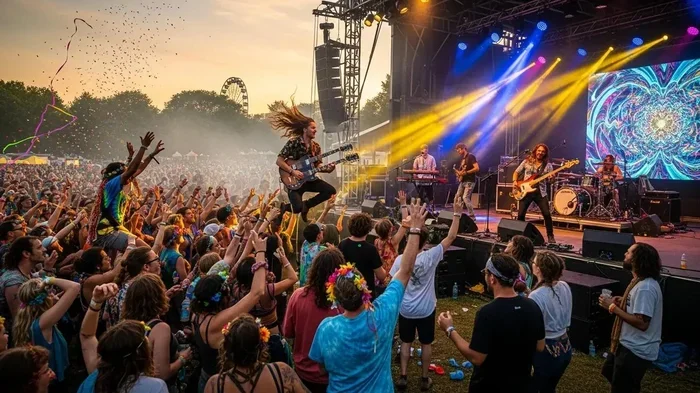
The indie meaning goes far beyond a simple label. It stands for independence, creativity, and a do it yourself spirit that spans music, film, games, and lifestyle. Understanding indie meaning helps you see the world through a lens of creative independence and non-mainstream expression. Whether you love indie rock, indie films, or indie games, this guide breaks it all down in a simple, friendly way.
You have probably heard the word indie tossed around a lot. Maybe you saw it on a music album, a movie poster, or even a video game. But what does indie meaning really stand for? At its core, indie is short for independent. It describes creators who make things on their own terms, without relying on big corporations or mainstream systems. This guide will walk you through the full indie meaning in a way that is easy to understand and fun to explore.
The world of indie culture is huge. It covers music, movies, video games, art, fashion, and even the way people live their daily lives. What ties it all together is a shared belief in creative independence. People who embrace the indie spirit value originality, self-expression, and freedom from the rules of big business. Whether you are a curious beginner or a long-time fan, understanding indie meaning opens up a whole new way of seeing creativity.
So why does this matter? Because indie is not just a genre. It is a mindset. It is about choosing your own path and making work that feels true to who you are. In this article, we will break down the indie meaning across different fields, share practical tips, and explore why the underground scene continues to grow in popularity. Let us dive in.
Key Takeaways
- Indie meaning centers on independence, self-expression, and the do it yourself ethos across creative fields.
- Independent music started as a rebellion against major labels and still thrives on lo-fi production and raw authenticity.
- Indie films and independent cinema give fresh voices a platform without big studio control.
- Indie games have revolutionized the gaming world with bold ideas and indie aesthetic visuals.
- The indie lifestyle is about valuing creative independence over commercial success and staying true to your vision.
- Indie culture continues to grow and shape alternative culture in powerful ways.
- Anyone can embrace the indie spirit — it is not about budget, it is about freedom and originality.
📑 Table of Contents
What Does Indie Mean?
The Simple Definition
The word indie comes from independent. When someone says indie meaning, they are talking about work made without the backing of a major company. In music, this means an indie label or a solo artist who self-releases tracks. In film, it means a project made outside the Hollywood studio system. In games, it means a small team or even one person building something from scratch.
The beauty of indie meaning is its simplicity. It is not about how much money you have. It is about who owns your work and how much control you have over it. A self-published author is indie. A musician who records at home is indie. A filmmaker who shoots on a tiny budget is indie. The common thread is freedom.
Key Traits of Indie Work
Here are the main qualities that define the indie meaning across all creative fields:
- Creative control: The maker decides the vision, not a corporation.
- Low budget or no budget: Many indie projects start with very little money.
- Raw authenticity: Lo-fi production and honest storytelling are common.
- Small audience reach: Indie work often starts small and grows organically.
- DIY approach: The creator handles writing, producing, marketing, and more.
- Non-mainstream appeal: Indie work often challenges the status quo.
These traits are not strict rules. They are more like guiding principles. The indie aesthetic celebrates imperfection, uniqueness, and personal voice. That is why so many people feel drawn to the indie lifestyle and alternative culture it represents.
A Brief History of Indie Culture
Where It All Started
The indie meaning has deep roots. In the 1970s and 1980s, punk rock bands started their own indie labels to release music without major record companies. Bands like The Ramones and The Clash showed that you did not need a huge budget to make great music. This DIY ethos became the foundation of indie culture.
In the 1990s, indie rock exploded. Bands like Radiohead, Arcade Fire, and The Strokes proved that independent music could be both artistic and popular. At the same time, independent cinema was changing the film world. Directors like Quentin Tarantino and Kevin Smith made movies on small budgets that became massive hits. These successes showed the power of creative independence.
How Indie Has Evolved
Today, the indie meaning has expanded way beyond music and film. The rise of digital tools has made it easier than ever to create and share work. Anyone with a laptop can produce indie pop tracks, design indie games, or publish a novel. The underground scene has gone global thanks to the internet.
Social media platforms have also played a huge role. Artists can now build audiences without signing with a major label or studio. This shift has made indie culture more diverse and accessible than ever before. The indie spirit is alive and well in every corner of the creative world.
Indie in Music
The Sound of Independence
When most people think of indie meaning, they think of music first. Independent music covers a wide range of genres, from indie rock to indie pop to electronic and folk. What unites these genres is the desire to create without the pressure of commercial demands.
Indie rock often features guitar-driven sounds, poetic lyrics, and a raw, unfiltered feel. Indie pop tends to be more melodic and upbeat but still carries that lo-fi production charm. Both styles value emotion and authenticity over polished, radio-friendly sound.
How Indie Musicians Work
Many indie musicians start in their bedrooms or small home studios. They record tracks, mix them on a laptop, and release music through indie labels or their own platforms. This DIY approach is at the heart of the indie meaning.
Here is how many independent artists build their careers:
- Create music on their own terms. No label telling them what to change.
- Build a fanbase online. Through social media, Bandcamp, and SoundCloud.
- Play live shows. Small venues and local gigs build a loyal following.
- Collaborate with other indie artists. The underground scene is very community-driven.
- Release music independently. Using self-published platforms and direct sales.
The indie aesthetic in music is all about feeling over perfection. A slightly fuzzy guitar tone, a voice that cracks with emotion, or a handmade album cover — these are the details that make independent music so special.
Indie in Film and Games
Independent Cinema
Indie films are movies made outside the major studio system. They often have smaller budgets, unknown actors, and bold storytelling. The independent cinema world has produced some of the most memorable films in history. Think of movies like Pulp Fiction, Moonlight, and The Blair Witch Project.
What makes indie meaning shine in film is the freedom to tell unconventional stories. Directors do not have to follow Hollywood formulas. They can explore niche topics, experimental styles, and deeply personal themes. This is why indie films often feel more authentic and emotionally powerful.
The Rise of Indie Games
Video games are another big part of the indie meaning. Indie games are made by small teams or solo developers. They often feature unique art styles, creative gameplay, and stories you will not find in big-budget titles.
Games like Undertale, Hollow Knight, and Stardew Valley started as indie projects and became worldwide sensations. The indie aesthetic in games is incredibly diverse. You might see pixel art, hand-drawn animation, or minimalist design. What matters most is the creative vision behind the work.
Quick Tip: If you want to explore indie games, check out platforms like Steam, itch.io, and the Nintendo eShop. These platforms are full of hidden gems from independent creators.
The Indie Lifestyle and Mindset
More Than Just a Genre
The indie meaning goes beyond creative work. For many people, indie culture is a way of life. The indie lifestyle is about valuing authenticity, supporting small creators, and staying true to your own vision. It is a rejection of mass-produced, cookie-cutter culture.
People who live the indie lifestyle often shop at local businesses, attend small concerts, read self-published books, and seek out alternative culture in all its forms. They believe that the best things in life come from passion, not profit.
How to Embrace the Indie Spirit
You do not need to be a musician, filmmaker, or game developer to embrace indie meaning. Anyone can adopt the indie spirit in their daily life. Here are some simple ways to do it:
- Support independent creators. Buy music, books, and art from small creators.
- Explore the underground scene. Attend local shows, film screenings, and pop-up events.
- Create your own work. Start a blog, make music, write stories, or design art.
- Value originality over trends. Follow your own interests, not what is popular.
- Share and collaborate. The indie community thrives on connection and support.
The indie meaning is really about freedom. Freedom to create what you want, freedom to express yourself, and freedom from the pressure to fit into a mold. That is a powerful idea, and it is one that anyone can connect with.
Why Indie Matters Today
The Power of Small Voices
In a world dominated by big corporations and mass media, indie meaning is more important than ever. Independent creators give voice to stories and perspectives that might otherwise go unheard. They challenge norms, push boundaries, and remind us that creativity does not need a huge budget.
Indie culture also fosters diversity. Because the barriers to entry are lower, people from all backgrounds can share their work. The underground scene is full of voices that mainstream media often overlooks. This diversity makes the creative world richer and more exciting.
Supporting Indie Is Supporting the Future
When you buy an album from an indie label, watch an indie film, or play an indie game, you are directly supporting the creator. There is no middleman taking a huge cut. Your support helps independent artists keep making the work they love.
This is why the indie spirit matters so much. It is not just about the product — it is about the values behind it. Fairness, honesty, creativity, and community. These are the things that make indie meaning so special and so worth celebrating.
Expert Insight: Many industry experts believe that independent music and independent cinema are where the most exciting innovation happens. Big studios often play it safe, but indie creators take risks. And those risks lead to some of the most memorable and groundbreaking work in modern culture.
Common Mistakes People Make About Indie
There are a few misunderstandings about indie meaning that are worth clearing up:
- Mistake 1: Indie means low quality. This is not true. Many indie works are incredibly polished and professional. The lo-fi production style is a choice, not a limitation.
- Mistake 2: Indie is only for artists. Anyone can enjoy and support indie culture. You do not need to create anything yourself.
- Mistake 3: Indie is always obscure. Some indie projects become mainstream hits. Indie status does not mean a work is unknown.
- Mistake 4: Indie means anti-business. Many indie creators run smart businesses. They just keep creative control and ownership of their work.
Understanding these points helps you appreciate the true indie meaning without falling into stereotypes or misconceptions.
How to Find Great Indie Content
If you are new to the world of indie, it can feel overwhelming. There is so much out there. Here are some easy ways to discover great independent work:
- Follow indie blogs and websites. Sites like Pitchfork, IndieWire, and Kill Screen cover independent music, film, and games.
- Check out indie festivals. Sundance for film, SXSW for music and film, and PAX for games are great starting points.
- Use niche platforms. Bandcamp, itch.io, and Mubi are built for indie creators and fans.
- Join online communities. Reddit, Discord, and Facebook groups focused on indie culture are full of recommendations.
- Ask local artists. Visit local venues, bookstores, and galleries to find self-published and indie work near you.
Once you start exploring, you will find that the indie meaning opens up a world of creativity that is both inspiring and deeply rewarding.
Conclusion
The indie meaning is really about one simple idea: independence. It is about creators who make work on their own terms, who value authenticity over fame, and who build communities around shared passion. From independent music and indie films to indie games and the indie lifestyle, this culture touches every corner of the creative world.
Understanding indie meaning gives you a new appreciation for the work of independent creators everywhere. It reminds you that you do not need a big budget or a corporate backing to make something meaningful. You just need a vision, a voice, and the courage to share it with the world.
So whether you are listening to indie rock, watching an indie film, playing an indie game, or simply living the indie lifestyle, remember that you are part of something bigger. You are part of a community that values creative independence, celebrates alternative culture, and keeps the underground scene alive and thriving. Embrace the indie spirit and let it inspire your own creative journey.
Frequently Asked Questions
What is the basic indie meaning?
Indie is short for independent. It describes any creative work made without the support of a major company or label. The indie meaning covers music, film, games, and more, and is all about creative independence and DIY ethos.
Is indie only about music?
No, the indie meaning extends far beyond music. It includes independent cinema, indie games, visual art, fashion, and even a whole indie lifestyle. The common thread is always independence and originality.
Do indie projects have to be low budget?
Not necessarily. While many indie projects start with small budgets, the real defining factor is creative control and independence. A project can have a larger budget and still be considered indie if the creator maintains full ownership and vision.
How is indie different from mainstream?
Mainstream work is typically backed by large corporations and designed for mass appeal. Indie work is made independently, often with a focus on non-mainstream ideas, raw authenticity, and personal expression. The indie aesthetic values uniqueness over commercial safety.
Can anyone be part of indie culture?
Absolutely. The indie spirit is open to everyone. You do not need to be a professional creator to appreciate or support indie culture. Buying indie music, watching indie films, or simply valuing originality all count as part of the indie lifestyle.
Why is indie culture growing so fast?
Digital tools and the internet have made it easier than ever to create and share work independently. Platforms like Bandcamp, itch.io, and social media have fueled the growth of the underground scene. More people than ever are embracing the values of creative independence and self-published expression.