
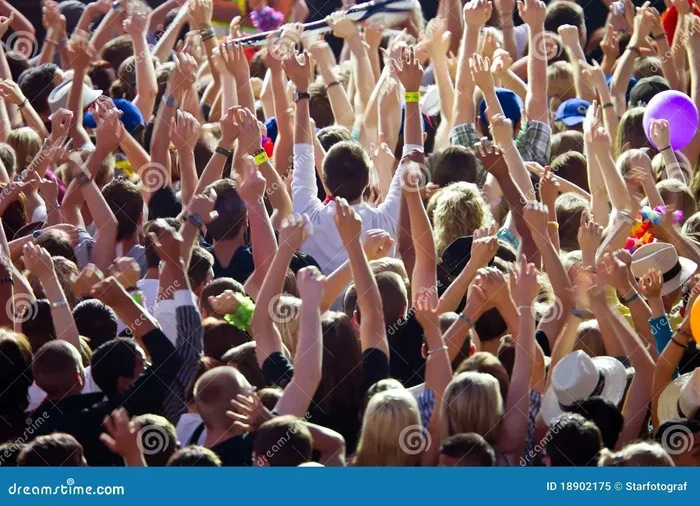
The huzz meaning is simple: it is an old exclamation used to express joy, triumph, or strong approval. People have been shouting huzz for centuries, and it still pops up in movies, books, and casual conversation today. Learning the huzz definition helps you understand historical English and adds a fun, dramatic flair to your own writing.
The huzz meaning is something many people wonder about, especially when they stumble across this old-fashioned word in a book or a movie. At its core, huzz is a simple exclamation. It expresses joy, triumph, and strong approval. Think of it as an old-timey way of saying “yay” or “hooray.”
You might hear huzz in a period drama set in the 1700s. You might read it in a classic novel. Or you might see it pop up in a meme online. Either way, this word carries a lot of charm and history. In this article, we will break down the huzz definition in plain language. We will explore where the word came from, how people use it today, and how it compares to similar exclamations like hooray and hurrah.
By the end, you will have a full understanding of the huzz meaning and feel confident using it yourself. Let us dive in.
Key Takeaways
- Huzz is an archaic exclamation: It shows excitement, joy, or celebration and has been used for hundreds of years.
- The word has a clear origin: Huzz likely comes from Old English or Norse roots and evolved through the centuries.
- People still use huzz today: You will find it in period dramas, literature, social media, and playful conversation.
- Huzz is similar to hooray and hurrah: Knowing the differences helps you use each word in the right context.
- Using huzz correctly adds charm: It works best in casual, enthusiastic, or historically themed settings.
- Common mistakes exist: Avoid overusing it or using it in formal professional writing.
- Huzz appears in famous literature: Shakespeare and other classic writers used this exclamation in their works.
📑 Table of Contents
- The Huzz Meaning — What Does This Word Actually Mean?
- The Origin And History Of Huzz
- How And When Do People Use Huzz Today?
- Huzz Compared To Similar Exclamations
- Huzz In Literature And Pop Culture
- How To Use Huzz Correctly In Your Own Writing
- The Huzz Meaning In Different Contexts
- Key Takeaways
- Conclusion
The Huzz Meaning — What Does This Word Actually Mean?
The huzz meaning centers on one core idea: expressing strong positive emotion. When someone shouts “huzz,” they are showing excitement. They might feel happy, proud, or celebratory. It is the verbal equivalent of throwing your arms up in the air.
The Basic Definition Of Huzz
So what is the huzz definition in simple terms? Huzz is an interjection. An interjection is a word or phrase that shows a sudden emotion. Other interjections include words like “wow,” “ouch,” and “yay.” Huzz fits right into this category. It burst forth from the speaker with energy and feeling.
Here are a few ways to think about the huzz meaning:
- A cry of joy: You say it when something wonderful happens.
- A cheer of approval: You use it to show you support something.
- A triumphant shout: You shout it when you win or succeed.
- A playful expression: You can say it just for fun and drama.
The huzz word does not have a verb form in modern English. You do not “huzz” something. It stands on its own as a standalone exclamation. That is part of what makes it so interesting. It is pure emotion packed into a single word.
How Do You Pronounce Huzz?
The huzz pronunciation is straightforward. It rhymes with “buzz” and “fuzz.” Say it like “HUZZ” with a short u sound. The h at the beginning is pronounced, unlike in words like “hour.” So it is a clear, breathy “h” followed by the “uzz” sound.
Some people wonder if there is a huzz verb form. Historically, yes. In older English texts, you might see “to huzz” used as a verb meaning “to shout huzz.” But in modern usage, people almost always use it as a standalone exclamation.
The Emotions Behind The Word
Understanding the huzz meaning also means understanding the emotions it carries. This is not a calm, quiet word. When someone says “huzz,” they feel something strong. Here are the main emotions tied to this exclamation:
- Joy: Pure happiness and delight.
- Triumph: Victory after a hard-fought battle or challenge.
- Approval: Strong agreement or endorsement.
- Surprise: A pleasant shock or unexpected good news.
- Celebration: Marking a special occasion with flair.
The beauty of the huzz meaning lies in its versatility. One little word can carry all of these feelings at once. That is why it has survived for so long.
The Origin And History Of Huzz
Every word has a story. The huzz origin is a fascinating journey through time. To truly understand the huzz meaning, it helps to know where the word came from and how it developed over the centuries.
Where Did Huzz First Appear?
The exact huzz etymology is not 100% certain. Linguists and word historians have debated this for a long time. However, most agree that huzz likely emerged in the late 17th or early 18th century. It appeared in English writing around the 1600s and 1700s.
Some scholars believe the word has roots in Old English or Norse languages. Others think it may be a playful alteration of words like “hooray” or “hurrah.” The sound of “huzz” feels energetic and buzz-like. This may be why the word caught on so quickly. It just feels right when you want to cheer something up.
Here is what we know about the huzz history:
- 1600s-1700s: The word first appears in English texts.
- 1700s-1800s: Huzz becomes very popular in literature and speech.
- 1800s-1900s: The word starts to decline in everyday use.
- Today: Huzz lives on in historical contexts, literature, and playful speech.
How The Word Evolved Over Time
The huzz meaning has stayed fairly consistent over the centuries. It has always meant joy or triumph. But the way people used it has shifted. In the 1700s, huzz was a common part of everyday speech. People shouted it in taverns, at markets, and on battlefields.
By the 1800s, the word started to feel old-fashioned. Newer exclamations like “hooray” and “hurrah” took over in casual conversation. But huzz never fully disappeared. Writers kept using it to create a sense of historical atmosphere. And now, in the digital age, huzz has found new life on social media and in internet culture.
The huzz etymology reminds us that language is always changing. Words rise and fall in popularity. But some, like huzz, have a staying power that keeps them alive across generations.
How And When Do People Use Huzz Today?
You might think huzz is a dead word. But that is not true at all. People still use huzz in many different settings today. Let us look at where and how this word shows up in modern life.
Casual And Playful Usage
In everyday conversation, huzz is not a common word. Most people do not walk around saying it. But in casual, playful contexts, it can be a lot of fun. Imagine a friend telling you they got a promotion. You might respond with a dramatic “Huzz!” to show your excitement.
Some people use huzz in online comments or text messages. It adds a whimsical, old-timey charm. It signals that you are being playful and enthusiastic. The huzz usage in casual settings is all about energy and fun.
Huzz In Period Dramas And Historical Settings
If you watch period dramas or historical films, you will hear huzz quite often. Characters in shows set in the 18th century frequently use this exclamation. It helps create an authentic atmosphere. When a crowd in a movie shouts “Huzz!” after a royal decree, it feels right.
This is one of the most common places people encounter the huzz meaning in modern life. The period drama vocabulary often includes words like huzz, forsooth, and prithee. These words transport viewers back in time.
Social Media And Modern Culture
Believe it or not, huzz has a presence on social media. People use it in tweets, memes, and posts to add a humorous or dramatic flair. You might see a meme that says “Huzzah, it is Friday!” or a tweet that reads “Huzz! The coffee shop has my favorite drink in stock.”
The huzz meaning in these contexts is simple: excitement and celebration. It is a way to inject some personality and fun into digital communication. The word has become a kind of internet inside joke among people who love historical language and wordplay.
Huzz In Everyday Celebrations
Some people use huzz at parties or gatherings. It can be a fun way to cheer for someone. Imagine a group of friends toasting a birthday. One person might shout “Huzz!” instead of “Cheers!” It stands out and makes the moment feel more memorable.
The huzz meaning in celebrations is all about shared joy. It is a communal expression of happiness. When you say “huzz” in a group, you are joining in a tradition that stretches back centuries.
Huzz Compared To Similar Exclamations
To fully grasp the huzz meaning, it helps to compare it with similar words. English has several exclamations that express joy or approval. Understanding the differences makes it easier to use each word correctly.
Huzz Vs Hooray
Hooray is probably the most common modern equivalent of huzz. Both words express joy and celebration. But they feel different in tone. Hooray is bright, casual, and widely used. Huzz feels more dramatic, historical, and theatrical.
Here is a simple comparison:
- Hooray: “Hooray, we won the game!” (casual, everyday)
- Huzz: “Huzz! The king has granted our request!” (dramatic, historical)
The huzz meaning carries a heavier sense of formality and tradition. Hooray is more relaxed and universal.
Huzz Vs Hurrah
Hurrah is another close cousin. It is louder and more energetic than huzz. You might hear “Hurrah!” shouted at a sporting event or a protest. Huzz tends to be a bit softer and more refined in tone.
The huzz synonym relationship with “hurrah” is strong. Both come from similar historical roots. But hurrah has remained more popular in everyday speech. Huzz has a more niche, literary feel.
Huzz Vs Hip Hip Hooray
“Hip Hip Hooray” is a longer exclamation used to cheer for someone. It is often used in toasts and celebrations. Huzz serves a similar purpose but in a more compact form. One word, “Huzz,” does the job that three words do in “Hip Hip Hooray.”
Both expressions share the same core huzz meaning: celebration and approval. The choice between them depends on the setting and the level of drama you want to bring.
Comparison Table: Huzz And Similar Words
| Word | Tone | Usage | Formality |
|---|---|---|---|
| Huzz | Dramatic, historical | Literature, period dramas, playful speech | Semi-formal |
| Hooray | Bright, casual | Everyday conversation, celebrations | Informal |
| Hurrah | Loud, energetic | Crowds, protests, sporting events | Informal |
| Hip Hip Hooray | Cheerful, traditional | Toasts, group celebrations | Semi-formal |
| Yay | Simple, modern | Texts, casual chats | Very informal |
As you can see, huzz sits in a unique spot. It is more dramatic than “yay” but more refined than “hurrah.” It is a word that commands attention without being too loud.
Huzz In Literature And Pop Culture
The huzz meaning has deep roots in literature and popular culture. Many famous writers have used this exclamation in their works. And it continues to appear in modern media as well.
Famous Literary References
Shakespeare and his contemporaries used words like huzz in their plays. The huzz word appears in works from the Elizabethan and Jacobean eras. It was a natural part of the English language during that time. Characters in comedies and histories would shout huzz to express victory or joy.
In the 18th century, writers like Henry Fielding and Laurence Sterne used huzz frequently. Their novels captured the lively speech of the era. The huzz meaning in these works is always positive and celebratory.
Here are some notable literary uses of huzz:
- Shakespeare’s plays: Characters use exclamations similar to huzz in crowd scenes.
- 18th-century novels: Huzz appears as a common expression of approval.
- Poetry: Poets used huzz to create rhythmic, celebratory lines.
- Modern historical fiction: Contemporary authors keep the word alive by using it in period settings.
Movies, TV Shows, And Memes
On screen, huzz is a staple of period dramas and costume films. Shows set in colonial America, Regency England, or medieval Europe often feature characters shouting “Huzz!” It instantly signals the time period to the viewer.
In pop culture, huzz has become a meme-worthy word. People share funny images and videos with the word “Huzz!” overlaid on them. The huzz meaning in these memes is always lighthearted and playful. It is a way to celebrate something small and silly.
Some popular culture references include:
- Period dramas like “Bridgerton”: Characters use exclamations similar to huzz.
- Animated shows: Comedy cartoons sometimes use “Huzz!” for dramatic effect.
- Internet memes: “Huzz” appears in reaction images and funny posts.
- Video games: Historical games sometimes include huzz as a battle cry.
How To Use Huzz Correctly In Your Own Writing
Now that you understand the huzz meaning, you might want to use it yourself. That is great! But there are some tips and pitfalls to keep in mind. Using huzz correctly makes your writing more engaging and authentic.
Tips For Natural Usage
Here are some practical tips for using huzz in your own writing and speech:
- Use it for emphasis: Place huzz at the start of a sentence to grab attention. “Huzz! We finally finished the project!”
- Match the tone: Use huzz in playful, enthusiastic, or historical contexts. It does not fit in serious academic writing.
- Keep it simple: You do not need to explain the word every time. Let the context do the work.
- Use it in dialogue: If you are writing fiction, huzz works great in character dialogue, especially for historical or dramatic scenes.
- Pair it with action: “Huzz! She raised her glass high.” This makes the exclamation feel alive.
Common Mistakes To Avoid
Even though huzz is a fun word, there are some mistakes to watch out for:
- Overusing it: If every sentence has “Huzz!” it loses its impact. Use it sparingly for maximum effect.
- Using it in formal writing: Academic papers, business emails, and official documents are not the place for huzz.
- Confusing it with a verb: Remember, huzz is an interjection. Do not try to conjugate it or use it as an action word.
- Mispronouncing it: It is “HUZZ” (rhymes with buzz), not “huzz-ee” or “hoo-zee.”
- Ignoring context: Using huzz in a sad or serious moment feels wrong. Save it for celebrations and joyful moments.
Quick Tips For Remembering The Huzz Meaning
Here are some quick tips to help you remember and use the huzz meaning correctly:
- Think “buzz”: Huzz rhymes with buzz. Imagine the buzz of excitement in a crowded room.
- Think “buzzer”: When a buzzer goes off, someone wins. Huzz is the sound of that victory.
- Think “huzzah”: Huzz is a shortened, punchier version of “huzzah.”
- Think “old English”: If you are reading something historical and see “huzz,” you know it is a positive exclamation.
The huzz meaning is really just a shortcut for celebration. Once you connect it to the feeling of a buzz of excitement, it becomes easy to remember and use.
The Huzz Meaning In Different Contexts
The beauty of huzz is that it adapts to different contexts while keeping its core meaning. Let us look at how the huzz meaning shifts depending on where and how it is used.
Huzz In Historical Contexts
In historical settings, huzz carries a sense of formality and tradition. When a crowd in the 1700s shouted “Huzz!” it was a public display of collective emotion. It could mean support for a leader, joy at a military victory, or celebration of a royal decree. The huzz meaning in these contexts is powerful and communal.
Huzz In Modern Casual Contexts
In casual modern usage, huzz is all about fun and playfulness. It is not meant to be taken seriously. When someone texts “Huzz! 😂” after hearing good news, they are being lighthearted and humorous. The huzz meaning here is simple: I am excited and I want to express it in a fun way.
Huzz In Creative Writing
For writers, huzz is a valuable tool. It adds color and authenticity to historical fiction. It can also be used in fantasy or comedic writing to create a specific tone. When a character in a novel shouts “Huzz!” the reader immediately senses a moment of triumph or celebration.
Using huzz in creative writing helps build a vivid world. It signals to the reader that something important and joyful is happening. The huzz meaning in fiction is always tied to positive, energetic moments.
Key Takeaways
- The huzz meaning is an exclamation of joy and triumph: It expresses strong positive emotion in a single, punchy word.
- The word has deep historical roots: Huzz emerged in the 1600s-1700s and has been used in English for centuries.
- People still use huzz today: You will find it in period dramas, literature, social media, and playful conversation.
- Huzz is similar to hooray and hurrah: But it has a more dramatic, historical, and refined tone compared to these alternatives.
- Huzz appears in famous literature: Shakespeare and many classic writers used this exclamation to bring their scenes to life.
- Using huzz correctly adds charm: It works best in casual, enthusiastic, or historically themed settings when used sparingly.
- Common mistakes include overuse and formal misuse: Keep huzz for the right moments to maintain its impact.
Conclusion
The huzz meaning is clear and joyful. It is an old exclamation that expresses excitement, triumph, and approval. From its mysterious origins in the 1600s to its playful presence on social media today, huzz has proven that great words never truly die.
Whether you encounter huzz in a classic novel, a period drama, or a funny meme, you now know exactly what it means and why people use it. The huzz definition is simple: it is a cheer. A celebration. A burst of pure joy packed into one powerful syllable.
So the next time something wonderful happens, why not try shouting “Huzz!” out loud? It might feel a little silly at first. But that is part of the charm. The huzz meaning is all about embracing the fun and energy of celebration. Use it wisely, use it playfully, and let that old-fashioned exclamation bring a little extra spark to your language.
Now that you know the full huzz meaning, you can appreciate this word every time you come across it. And if you ever need a dramatic way to say “yay,” you have the perfect word ready. Huzz!
Frequently Asked Questions
What does huzz mean in simple terms?
Huzz is an old exclamation used to express joy, triumph, or strong approval. It is similar to saying “yay” or “hooray” but with a more dramatic, historical feel. The huzz meaning has stayed consistent for centuries: it is a cheer of celebration.
Where does the word huzz come from?
The exact huzz origin is debated among linguists, but most believe it emerged in the late 1600s or early 1700s in English. Some think it has roots in Old English or Norse language. Others believe it evolved from similar exclamations like “hurrah” or “hooray.” The huzz etymology is a fascinating topic for word lovers.
Is huzz still used today?
Yes, absolutely! While it is not common in everyday conversation, huzz is still used in period dramas, literature, social media, and playful speech. You will also see it in historical fiction and as a fun meme on the internet. The huzz meaning continues to resonate with people who love dramatic and nostalgic language.
How is huzz different from hooray?
Both words express joy, but huzz feels more dramatic and historical. Hooray is casual and modern. The huzz meaning carries a sense of tradition and formality, while hooray is bright and relaxed. Use huzz for a theatrical flair and hooray for everyday excitement.
Can huzz be used as a verb?
Historically, yes. In older English texts, “to huzz” was used as a verb meaning to shout the exclamation. However, in modern English, huzz is almost always used as a standalone interjection. You would not say “I huzzed the crowd” in everyday writing today.
Is huzz appropriate for formal writing?
No, huzz is not suitable for formal or professional writing. It is a casual, playful, and historical exclamation. It works best in creative writing, dialogue, social media, and informal contexts. Using huzz in academic papers or business communications would feel out of place.
=== META TITLE ===
Huzz Meaning: Why People Use This Old Exclamation
=== URL SLUG ===
/huzz-meaning