
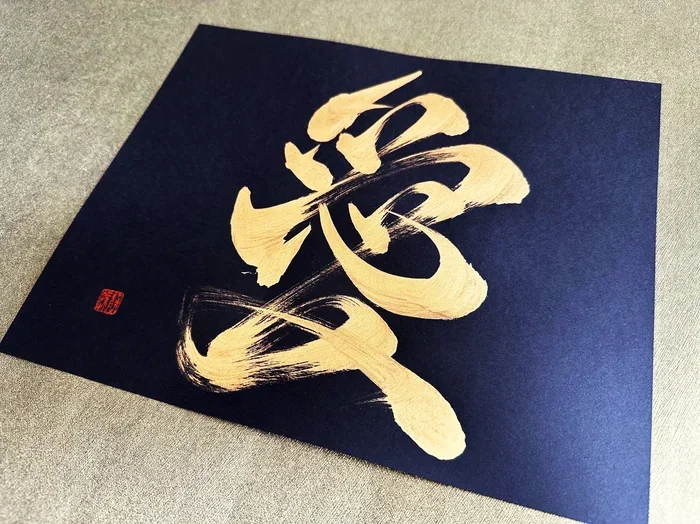
Learning how to say i love you in japanese is simpler than you think. This guide covers everything from basic phrases like “aishiteru” to softer alternatives natives actually use. You will also learn about cultural context, pronunciation tips, and when to use each phrase in real life.
Have you ever wanted to tell someone you love them in Japanese but felt unsure where to start? The Japanese language offers a beautiful range of ways to express love, from simple and casual to deeply emotional. Whether you are planning a trip to Japan, talking to a Japanese partner, or just curious about how to say i love you in japanese, this guide has you covered.
Unlike English, where “I love you” covers many situations, Japanese speakers choose their words carefully based on the relationship and context. A phrase that works between close friends might feel too intense for a new romantic interest. Understanding these nuances makes all the difference. Let us explore the easiest and most natural ways to share your feelings in Japanese.
Key Takeaways
- Aishiteru is the direct translation but rarely used in daily life.
- Suki desu and daisuki desu are the most natural ways to express love in Japanese.
- Japanese culture favors subtle expressions of affection over grand declarations.
- Pronunciation matters greatly because the same word can mean something completely different.
- Context and relationship level determine which phrase is appropriate to use.
- Text messaging has introduced new ways to express love, similar to how people use wyo meaning in text casually in English conversations.
- Understanding love bombing meaning helps you recognize when Japanese expressions of affection become overwhelming rather than genuine.
📑 Table of Contents
- Why Saying I Love You in Japanese Is Different
- The Most Common Ways to Say I Love You in Japanese
- Softer Alternatives for Expressing Love
- Pronunciation Tips for Love Phrases
- When to Use Each Phrase
- Japanese Love Phrases for Texting and Social Media
- Common Mistakes When Expressing Love in Japanese
- Quick Tips for Practicing Japanese Love Phrases
- Final Thoughts on How to Say I Love You in Japanese
Why Saying I Love You in Japanese Is Different
Japanese culture places a high value on indirect communication. People often express feelings through actions rather than words. This cultural background shapes how love is spoken aloud. Direct phrases like how to say i love you in japanese can feel too strong for everyday use.
In Western cultures, saying “I love you” is common and expected in many relationships. In Japan, the same words carry more weight. Many Japanese speakers prefer softer alternatives that still convey deep affection. This is why learning the right phrase for the right moment matters so much.
Cultural Context Matters
Japanese relationships often build slowly. Trust and emotional closeness develop over time. When someone finally says they love you, it holds significant meaning. Using the wrong phrase or saying it too early can create awkwardness. Understanding this helps you choose the right words naturally.
Similarly to how miss you puns add a lighthearted touch in English conversations, Japanese speakers often use playful or gentle expressions to show affection without being too direct. This balance between sincerity and subtlety is at the heart of Japanese romantic communication.
The Most Common Ways to Say I Love You in Japanese
Here are the primary phrases you will need. Each one has a different tone and level of intensity. Let us break them down so you know exactly when to use each.
Aishiteru (愛してる)
This is the most direct translation of “I love you” in Japanese. It uses the verb shiteru (a form of “to do” or “to be doing”) combined with ai (love). While powerful and sincere, most Japanese people rarely say this in real life. It is reserved for very serious and deeply committed moments.
If you say aishiteru to a new partner, it might feel overwhelming. Save it for a truly meaningful occasion. Native speakers often view this phrase as a big declaration, not something you toss around casually.
Suki Desu (好きです)
Suki desu means “I like you” but is commonly used to express romantic love. It is much softer and more natural in daily conversation. This phrase works well in the early stages of a relationship or between people who are not yet ready for a deep confession.
Many Japanese couples use suki desu regularly. It feels warm, genuine, and comfortable. If you want a safe and widely accepted way to express love, this is your best bet.
Daisuki Desu (大好きです)
Daisuki desu takes suki desu to the next level. The word dai means “big” or “great,” so daisuki desu translates to “I really like you” or “I love you very much.” It is one of the most popular ways to express love in Japanese relationships.
This phrase strikes a perfect balance. It is stronger than suki desu but not as intense as aishiteru. Most Japanese speakers feel comfortable using daisuki desu with romantic partners and even close family members.
Softer Alternatives for Expressing Love
Sometimes you do not need a full love confession. Japanese offers many gentler ways to show your feelings. These alternatives feel natural and are used frequently in everyday conversation.
Suki Dakara (好きだから)
This phrase means “Because I like you.” It is a simple and honest way to explain your feelings. You can use it when someone does something kind for you or when you want to express why you care about them.
It is casual enough for text messages and light enough for early-stage relationships. The word dakara means “therefore” or “because,” which adds a reason to your feeling. This makes your expression feel more thoughtful and personal.
Kimi ga Suki (君が好き)
Kimi ga suki means “I like you” with a focus on the person. The word kimi means “you” and gives the phrase a personal touch. This version feels slightly more intimate than the polite suki desu.
Use this phrase with someone you are close to. It works well in casual settings and feels warm without being too formal. Many Japanese speakers use this between partners who are already in a relationship.
Daisuki na Yo (大好きなよ)
This is a very casual and affectionate version of daisuki desu. The word yo adds emphasis and intimacy. It is commonly used between couples in private or casual settings.
If you are in a close relationship and want to sound natural and affectionate, this is a great choice. It sounds like something a native speaker would say to their partner in a relaxed moment.
Pronunciation Tips for Love Phrases
Getting the pronunciation right helps you sound more natural and confident. Japanese has a relatively simple sound system compared to English. Here are some tips to help you nail the pronunciation of how to say i love you in japanese phrases.
Each syllable in Japanese is pronounced equally. There are no silent letters or stressed syllables like in English. For example, “aishiteru” is pronounced ai-shi-te-ru, with equal emphasis on each part. “Suki desu” is pronounced su-ki de-su.
Pay attention to vowel sounds. Japanese vowels are short and crisp. The “a” sounds like “ah,” the “i” sounds like “ee,” and the “u” sounds like “oo.” Keep your tones flat and avoid rising or falling intonation at the end of sentences.
Listening to native speakers is one of the best ways to improve. Watch Japanese dramas or listen to Japanese music. You will pick up the natural rhythm and flow of the language quickly.
Common Pronunciation Mistakes to Avoid
- Adding extra syllables: Keep each word short and crisp.
- Using English stress patterns: Japanese does not have stressed syllables.
- Mispronouncing “r” sounds: The Japanese “r” is lighter than the English “r.” It sounds somewhere between “r” and “l.”
- Omitting vowels: Every vowel in a Japanese word must be pronounced clearly.
When to Use Each Phrase
Choosing the right phrase depends on your relationship and the situation. Using the wrong level of intensity can send the wrong message. Here is a simple guide to help you decide.
| Phrase | Level of Intensity | Best Used With |
|---|---|---|
| Suki desu | Mild to moderate | New relationships, casual settings |
| Daisuki desu | Moderate to strong | Established relationships, daily use |
| Aishiteru | Very strong | Deeply committed moments only |
| Suki dakara | Mild | Casual conversations, text messages |
| Kimi ga suki | Mild to moderate | Close friends, romantic partners |
Think of it this way. You would not use aishiteru in a first text message, just as you would not say in lieu of meaning something deeply personal in a group chat. Match your words to the level of closeness you share.
Texting has changed how people express love in every language. In Japanese texting culture, shorter and cuter expressions are common. Many young Japanese speakers use abbreviations and playful phrases when texting their partners. It is similar to how English speakers use casual shorthand like wyo meaning in text to keep conversations light and fun.
Japanese Love Phrases for Texting and Social Media
Digital communication has its own unwritten rules in Japan. When you are texting or chatting online, you can use more casual and affectionate language. Here are some phrases that work well in text messages and social media posts.
Suki yo (好きよ) is a casual way to say “I like you.” The word yo adds warmth and emphasis. It feels natural in text messages between partners.
Daisuki na (大好きな) is another great texting option. It is slightly more affectionate and works well when you want to express strong feelings in a casual format.
Emojis and stickers play a big role in Japanese digital communication. Sending a heart emoji or a cute sticker alongside your words adds extra meaning. Many Japanese couples exchange small digital gifts and stickers as a way of showing affection daily.
Common Mistakes When Expressing Love in Japanese
Even with the best intentions, learners sometimes make mistakes that can cause confusion or awkwardness. Here are some common pitfalls to avoid.
Using Aishiteru Too Often
As mentioned earlier, aishiteru is a powerful phrase. Overusing it can make it lose its meaning. Reserve it for truly special moments. Native speakers save this phrase for times when words are not enough.
Ignoring Politeness Levels
Japanese has different levels of politeness. Using the wrong form can make you sound too casual or too formal. Suki desu is polite and safe for most situations. Suki da is casual and should only be used with people you are close to.
Forgetting Cultural Nuances
Actions often speak louder than words in Japanese culture. Small gestures of care and kindness communicate love just as effectively as spoken phrases. Do not rely solely on words. Show your love through thoughtful actions as well.
Translating Directly from English
Some phrases do not translate well between languages. Saying “I love you” directly in Japanese might not carry the same cultural weight. Instead, learn the phrases that native speakers actually use. This will make your expressions feel more authentic and natural.
Quick Tips for Practicing Japanese Love Phrases
- Repeat phrases out loud every day to build muscle memory.
- Watch Japanese dramas and pay attention to how characters express love.
- Practice with a language partner who can correct your pronunciation.
- Start with suki desu and work your way up to daisuki desu as you grow more confident.
- Use flashcard apps to memorize phrases and their meanings.
- Listen to Japanese music and try singing along to pick up natural rhythm.
Final Thoughts on How to Say I Love You in Japanese
Expressing love in Japanese is both an art and a skill. The language offers a rich variety of phrases that suit every level of relationship and emotional depth. From the gentle suki desu to the powerful aishiteru, each phrase carries its own weight and meaning.
The key is to choose words that match your relationship and the moment. Do not rush into the strongest phrases. Let your expressions grow naturally as your bond deepens. With practice and cultural understanding, you will soon be expressing love in Japanese like a true native speaker.
Remember that the most important thing is sincerity. No matter which phrase you choose, speaking from the heart always resonates. So pick the words that feel right for you, practice them, and share your feelings with confidence.
Frequently Asked Questions
What is the easiest way to say i love you in japanese for beginners?
The easiest and most natural phrase for beginners is suki desu. It means “I like you” and works in most romantic situations. It is polite, warm, and widely accepted across different relationship levels.
Is aishiteru used in everyday Japanese conversations?
No, aishiteru is rarely used in daily life. It is considered a very strong and formal declaration of love. Most Japanese speakers reserve it for deeply meaningful moments rather than casual conversation.
What is the difference between suki desu and daisuki desu?
Suki desu means “I like you” with a romantic undertone, while daisuki desu means “I really like you” or “I love you very much.” The prefix dai adds intensity, making daisuki desu the stronger of the two.
Can I use these phrases with anyone in Japan?
It depends on the phrase and your relationship. Casual phrases like suki da should only be used with close friends or romantic partners. Polite forms like suki desu are safer for broader use, but even then, consider the cultural context and your closeness with the person.
How do Japanese people typically express love without saying it directly?
Japanese culture often expresses love through actions rather than words. Acts of service, thoughtful gifts, preparing meals, and showing consistent care are all common ways to communicate love. Words are important, but deeds carry significant weight in Japanese relationships.
Are there cute or playful ways to say I love you in Japanese?
Yes! Phrases like suki yo and daisuki na have a playful and affectionate tone. Young Japanese couples often use these casual forms in text messages and private conversations to keep things light and sweet.
=== CONCLUSION ===
Learning how to say i love you in japanese opens up a deeper connection with the language and culture. The key phrases like suki desu, daisuki desu, and aishiteru each serve a unique purpose and fit different situations. Start with the softer expressions and build your way up as you become more comfortable. Practice regularly, stay mindful of cultural context, and most importantly, speak from the heart. Your effort will be appreciated, and your words will carry genuine meaning.