
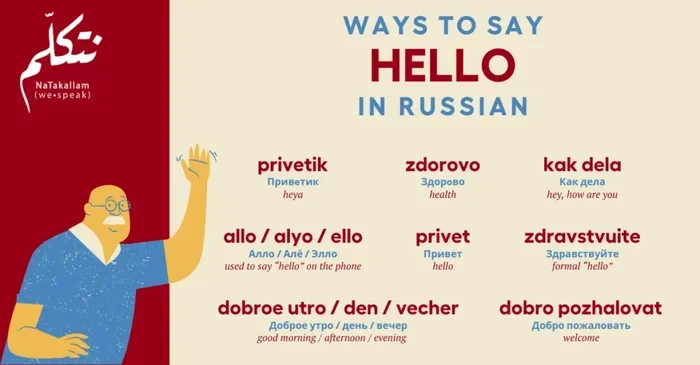
Learning how to say hi in Russian is easier than you might think, and it opens the door to meaningful connections with native speakers. The most common greeting is “Привет” (Privet), but several other greetings vary depending on the time of day, the formality of the situation, and who you’re speaking with. Whether you’re traveling across Russia or simply curious about the language, mastering these simple Russian greetings will boost your confidence and help you navigate everyday conversations with ease.
How To Say Hi In Russian
Learning how to say hi in Russian is one of the easiest and most rewarding first steps in picking up this beautiful language. Whether you are planning a trip to Moscow, connecting with Russian-speaking friends, or just curious about Slavic languages, a simple greeting opens doors. Russian greetings carry warmth, culture, and subtle nuances that go far beyond a basic “hello.”
In this guide, you will discover every common way to greet someone in Russian. You will learn the formal and informal options, hear pronunciation tips, and understand the cultural context behind each phrase. By the end, you will feel confident saying hi in Russian in almost any situation. Let us jump right in.
Key Takeaways
- Привет (Privet) is the most common and casual way to say hi in Russian.
- Здравствуйте (Zdravstvuyte) is the proper formal greeting for strangers and professional settings.
- Casual alternatives like Салют (Salut) work well among close friends and peers.
- Always match your greeting to the social context and your relationship with the person.
- Mastering basic Russian pronunciation helps you sound more natural and confident.
- Russian greetings reflect a strong formal-informal distinction unique to the language.
- Practice these phrases daily to build real conversational confidence in Russian.
📑 Table of Contents
- Why Learning to Say Hi in Russian Matters
- The Most Common Ways to Say Hi in Russian
- Formal vs Informal Greetings in Russian
- How to Pronounce Russian Greetings Correctly
- Cultural Tips for Greeting People in Russian
- Quick Tips for Remembering Russian Greetings
- Common Mistakes to Avoid When Greeting in Russian
- Key Takeaways
Why Learning to Say Hi in Russian Matters
First impressions matter everywhere in the world, and Russia is no different. A proper greeting shows respect and effort. When you take the time to learn how to say hi in Russian, people notice. They appreciate the attempt, even if your pronunciation is not perfect.
Greeting someone in their native language builds trust fast. It breaks down barriers and creates a friendly atmosphere. In Russian culture, personal connections matter deeply. A warm Russian greeting sets the tone for every conversation that follows. Think about how good it feels when a stranger makes an effort to speak your language. That same feeling applies to Russians when you greet them properly.
Also, mastering basic greetings gives you a solid foundation. From there, you can expand into Russian phrases for beginners like asking how someone is doing or introducing yourself. The greeting is your entry point into the entire language. So let us explore the most common ways to say hi.
The Most Common Ways to Say Hi in Russian
Russian offers several greetings depending on the time of day, the setting, and your relationship with the person. Here are the phrases you will use most often.
Привет (Privet) — The Casual Hello
Privet (Привет) is the most common informal way to say hi in Russian. It works between friends, classmates, and people your age. Think of it as the Russian equivalent of “hey” or “hi” in English. You would use privet when greeting a buddy, a coworker you are close with, or even a stranger your age at a social event.
The pronunciation is straightforward: pree-VET. The stress falls on the second syllable. The “v” sound is soft, and the “e” sounds like the “e” in “bet.” It is a quick, friendly word that fits naturally into any casual conversation.
Здравствуйте (Zdrastvyite) — The Formal Hello
Zdrastvyite (Здравствуйте) is the formal version of “hello” in Russian. You would use this when meeting someone older, a stranger, a boss, or anyone in a professional setting. It is the respectful choice and shows good manners.
Pronouncing this one takes a bit more practice. It sounds like zdras-TVYEE-tye. The middle part can be tricky for English speakers because of the cluster of consonants. But once you get it, it sounds elegant and natural. Russians will appreciate your effort, especially in formal situations.
Здравствуй (Zdrastvuy) — The Informal Singular Form
If you want something between privet and zdrastvyite, try zdrastvuy (Здравствуй). This is the informal singular form of the formal greeting. Use it with one friend or someone younger than you. It carries a slightly more deliberate tone than privet but is still casual.
The pronunciation is zdras-TVOOY. It shares the same root as the formal version but drops the plural ending. This small change shifts the tone from formal to friendly.
Доброе Утро (Dobroye Utro) — Good Morning
Dobroye Utro (Доброе Утро) means “good morning” in Russian. It is a warm and traditional way to greet someone early in the day. Use it with coworkers, neighbors, or anyone you meet before noon.
Pronounce it as DO-bruh-yeh OO-truh. The first word, “dobroye,” has a soft “o” sound, and “utro” rhymes somewhat with “two” and “row.” This greeting works in shops, offices, and at home with family members.
Добрый Вечер (Dobryy Vecher) — Good Evening
Dobryy Vecher (Добрый Вечер) is your go-to greeting after sunset or in the evening hours. It translates directly to “good evening.” Use it when arriving at someone’s home for dinner or meeting friends after work.
Say it like DO-bree VYEH-cher. The “ы” sound in “dobryy” is unique to Russian and takes practice. Try to keep your tongue relaxed and let the sound come from the back of your mouth.
Formal vs Informal Greetings in Russian
Understanding the difference between formal and informal greetings is essential in Russian. The language has a clear distinction between “ты” (ty), the informal “you,” and “вы” (vy), the formal “you.” Your choice of greeting signals which form you are using.
When to Use Formal Greetings
Use formal greetings in these situations:
- Meeting someone for the first time
- Speaking with an older person or authority figure
- Business meetings and professional settings
- Addressing strangers in public or service interactions
- Writing formal emails or messages
Formal greetings in Russian show respect and distance. They are not cold — they are polite. Russians value this distinction, and using the wrong level can feel awkward. If you are unsure, always start with the formal option and let the other person guide you.
When to Use Informal Greetings
Use informal greetings when:
- Talking to friends and peers
- Greeting family members
- Chatting with people your age or younger
- Texting or messaging casually
- Social gatherings and relaxed settings
Informal greetings feel warm and natural. They signal closeness and friendliness. Privet is your go-to word here. It is short, sweet, and works in almost every casual scenario. Think of it as the Russian version of a casual “hey” or “what’s up.”
A Quick Comparison Table
| Greeting | Type | When to Use | Pronunciation |
|---|---|---|---|
| Привет (Privet) | Informal | Friends, peers, casual settings | Pree-VET |
| Здравствуйте (Zdrastvyite) | Formal | Strangers, elders, business | Zdras-TVYEE-tye |
| Здравствуй (Zdrastvuy) | Informal singular | One friend, younger person | Zdras-TVOOY |
| Доброе Утро (Dobroye Utro) | Neutral/Formal | Morning time, any setting | DO-bruh-yeh OO-truh |
| Добрый Вечер (Dobryy Vecher) | Neutral/Formal | Evening time, any setting | DO-bree VYEH-cher |
| Приветик (Privetik) | Very Informal | Close friends, playful tone | Pree-VEH-tik |
How to Pronounce Russian Greetings Correctly
Pronunciation can make or break your greeting. Russians notice when you make the effort to get the sounds right. Here are some practical tips to help you sound more natural when you say hi in Russian.
Master the Stress Patterns
Every Russian word has a stressed syllable. Getting the stress wrong can change the meaning entirely. For privet, the stress is on the second syllable: pree-VET. For zdrastvyite, the stress is on the third syllable: zas-dra-STVYEE-tye. Practice saying each word slowly and feel where your voice naturally rises.
Tackle the Tricky Consonant Clusters
Russian has some consonant combinations that do not exist in English. The “zd” at the start of zdrastvyite can feel awkward. Break it into parts: “zdr” — then add the rest. With practice, it will start to flow. The key is to not overthink it. Native speakers blend these sounds naturally.
Listen and Repeat
The best way to improve your pronunciation is to listen to native speakers. Use language apps, YouTube videos, or podcasts. Repeat after them. Record yourself and compare. This method works for any language, and Russian greetings are a perfect starting point. Even spending five minutes a day on repetition will sharpen your skills fast.
Interestingly, the concept of translating greetings between languages connects to broader translation work. Just as people often need to translate to English in Hindi meaning when bridging language gaps, understanding Russian greetings requires similar cultural and linguistic awareness. Every language carries its own rhythm and tone in simple exchanges like saying hello.
Cultural Tips for Greeting People in Russian
Knowing the words is only half the battle. Russian culture adds layers of meaning to greetings. Understanding these nuances will make your interactions smoother and more respectful.
The Handshake Tradition
In formal settings, a firm handshake is standard. Maintain eye contact during the greeting. Russians value directness and sincerity. A limp handshake or avoiding eye contact can send the wrong signal. In casual settings among friends, a light hug or a pat on the back is common between people who know each other well.
Gender Matters in Casual Greetings
Russian greetings can vary slightly based on gender. Men typically greet other men with a handshake. Women may greet each other with a light kiss on the cheek, especially among close friends. When a man greets a woman and vice versa, a handshake or a nod works well unless they are very close. Pay attention to the other person’s cues and follow their lead.
The Three-Day Rule
Here is a fun cultural fact. In Russia, it is considered bad luck to greet someone before entering their home. Wait until you step inside. Also, if you meet someone for the first time in three days or more, a fuller greeting is expected. A simple privet might feel too brief after a longer absence. This shows that Russian greetings carry social weight beyond just words.
Smile with Purpose
Russians tend to smile with intention rather than out of habit. A genuine smile during a greeting feels warm and authentic. A forced or constant smile can seem insincere. So when you say zdrastvyite or privet, let your smile reflect real friendliness. People will respond positively to that authenticity.
Quick Tips for Remembering Russian Greetings
Here are some fast, practical tips to help you memorize and use these greetings confidently.
- Start with privet. It is the easiest and most versatile greeting for beginners.
- Practice the formal version daily. Even if you do not need it right away, muscle memory builds over time.
- Use flashcards. Write the Russian word on one side and the English meaning on the other.
- Watch Russian movies or shows. Notice how characters greet each other in different settings.
- Find a language exchange partner. Practicing with a real person beats memorization every time.
- Text your Russian friends using these phrases. Real-world practice makes the words stick.
- Do not fear mistakes. Russians are generally forgiving and encouraging with learners who try.
Another interesting parallel exists in how modern communication shapes greetings. Just as people now use abbreviations like Wyo meaning in text to communicate casually online, Russian greetings also evolve in digital spaces. Younger Russians might shorten privet to even more casual forms in texting, showing how language adapts to new contexts. Understanding these shifts helps you stay current and relatable.
Common Mistakes to Avoid When Greeting in Russian
Even the best learners make slip-ups. Here are common mistakes to watch out for.
- Using privet in formal settings. This can feel too casual and disrespectful in professional or senior-facing situations.
- Getting the stress wrong. “ZDRAS-tvyite” is not the same as “zdra-STVYITE.” Stress changes everything in Russian.
- Ignoring the formal/informal distinction. Using “ty” forms with someone you just met can feel too forward.
- Skipping eye contact. This signals disinterest or dishonesty in Russian culture.
- Saying hello without a greeting. Jumping straight into a question or request without a proper hi in Russian feels abrupt.
Avoiding these mistakes will make your interactions smoother and more natural. Take your time, observe how native speakers greet each other, and adjust accordingly. Progress comes with patience and practice.
Key Takeaways
Learning how to say hi in Russian is simpler than it seems at first glance. You now know the informal privet, the formal zdrastvyite, and several time-specific greetings. You understand when to use each one and how cultural context shapes every interaction.
Remember these core points:
- Privet is your casual go-to for friends and peers.
- Zdrastvyite is your respectful choice for formal or unfamiliar settings.
- Pronunciation matters, so practice the stress and sounds regularly.
- Russian culture values sincerity, eye contact, and appropriate formality.
- Mistakes are normal and appreciated when you show genuine effort.
The journey of learning any language starts with a single greeting. How to say hi in Russian is that first step, and it is a big one. Every time you use these phrases, you build confidence and cultural awareness. Keep practicing, stay curious, and enjoy the process of connecting with Russian speakers around the world.
Finally, keep in mind that language is always evolving. Just as people constantly adapt how they communicate — sometimes using phrases like in lieu of meaning to replace older expressions — Russian greetings also shift with trends and generational changes. Staying open to these changes will keep your language skills fresh and relevant. So go ahead, try out your new greetings today, and watch how a simple “hi” can transform a conversation.
Frequently Asked Questions
How do you say hi in Russian?
The most common way to say hi in Russian is «Привет» (Privet), which works in both casual and semi-formal situations. For a more formal greeting, you can use «Здравствуйте» (Zdravstvuyte). Both are widely used and understood by native speakers.
What is the formal way to greet someone in Russian?
The formal Russian greeting is «Здравствуйте» (Zdravstvuyte), which you would use with strangers, elders, or in professional settings. It literally translates to “be healthy” and shows respect. This is the go-to Russian greeting when meeting someone for the first time.
How do you say hi casually in Russian?
For a casual hello, say «Привет» (Privet), which is the standard informal greeting among friends and peers. You can also use «Здарова» (Zdarova), which is a very relaxed, slang version. These are perfect for everyday Russian conversation with people you know well.
What are some common Russian greetings for beginners?
Beginners should start with «Привет» (Privet) for casual settings and «Здравствуйте» (Zdravstvuyte) for formal ones. Adding «Как дела?» (Kak dela?), meaning “How are you?”, helps keep the Russian language conversation flowing. These basic phrases are essential for anyone learning to speak Russian.
How do you say good morning as a greeting in Russian?
To say good morning in Russian, use «Доброе утро» (Dobroye utro), which is a formal daytime greeting. In casual settings, you can simply say «Привет» (Privet) regardless of the time of day. Knowing these morning greetings adds variety to your Russian interactions.
How do you respond when someone says hi in Russian?
If someone says «Привет» (Privet), you can simply reply with the same word to keep things friendly. For a more engaged response, try «Привет! Как дела?» (Privet! Kak dela?), which means “Hi! How are you?”. This is one of the most natural Russian responses and helps you build confidence in everyday speech.