
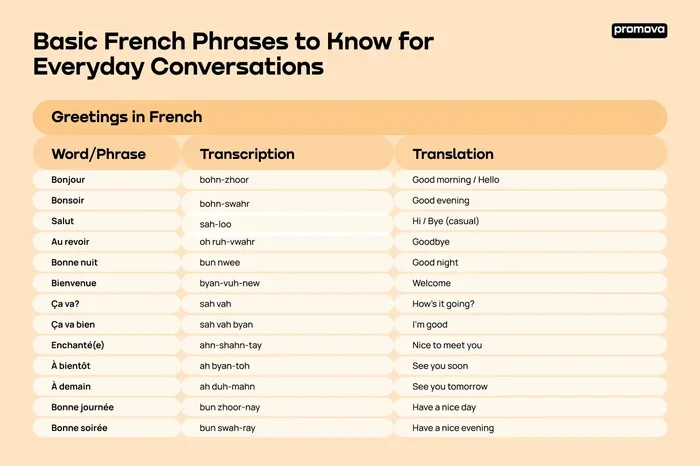
Learning how to say how are you in french opens the door to real conversations with native speakers. Whether you need a formal greeting for a business meeting or a casual phrase for a friend, this guide covers every situation. You will learn the most common French greetings, pronunciation tricks, and cultural tips that make you sound like a local.
So you want to learn how to say how are you in french, and you want to do it right. Good news. It is easier than you think. French greetings are charming, and once you know the basics, you can start conversations with confidence. Whether you are traveling to Paris, chatting with a French friend online, or just learning a new language for fun, this guide has everything you need.
The way you greet someone in French depends on the situation. You would not use the same words with a boss that you would use with a close friend. This is where things get interesting. French has formal and informal versions of almost everything, and greetings are no exception. By the end of this article, you will know exactly which phrase to use and when.
Let us dive into the world of French greetings. You will learn the most common ways to ask someone how they are, how to respond, and how to sound natural doing it. This is your complete guide to mastering how to say how are you in french like a native speaker.
Key Takeaways
- Comment allez-vous is the standard formal way to ask how someone is doing in French.
- Comment ça va is the go-to casual greeting for everyday conversations with friends and peers.
- French culture values politeness, so matching formality to the situation is essential.
- Pronunciation matters, and small changes in tone can shift a phrase from formal to informal.
- Knowing how to respond is just as important as knowing how to ask.
- Using native-like greetings builds trust and makes conversations flow naturally.
- Practice with real examples and quick tips to boost confidence fast.
📑 Table of Contents
- Why Greetings Matter in French
- The Most Common Ways to Say How Are You in French
- How to Respond When Someone Asks You
- Pronunciation Tips for Native-Like Delivery
- French Greetings in Different Situations
- Cultural Tips for Using French Greetings
- Common Mistakes to Avoid When Greeting in French
- Quick Tips to Sound Like a Native
- Bringing It All Together
Why Greetings Matter in French
First impressions matter everywhere, and France is no different. The French take greetings seriously. Saying the right phrase at the right time shows respect and cultural awareness. It also makes people more willing to talk to you. A simple greeting sets the tone for the entire conversation.
When you translate to english in hindi meaning or any other language, you learn that greetings carry cultural weight. French is no different. The phrase you choose tells the other person about your relationship, your level of respect, and even your personality. Getting this right from the start makes every conversation smoother.
Formal vs Informal French Greetings
French has two main levels of formality. The formal level uses vous, and the informal level uses tu. This distinction affects not just your greetings but your entire conversation. Here is a quick breakdown.
- Formal (Vous): Used with strangers, elders, bosses, and people you respect.
- Informal (Tu): Used with friends, family, classmates, and close coworkers.
When you are unsure, always start formal. It is much easier to switch to informal than to go the other way around. The French appreciate politeness, and starting with comment allez-vous is a safe and respectful choice.
The Most Common Ways to Say How Are You in French
Now let us get to the heart of the matter. There are several ways to ask someone how they are in French. Each one has its own vibe and best use case. Here are the top phrases you should know.
1. Comment allez-vous
This is the gold standard for formal greetings. Comment allez-vous translates to “How are you?” in English. It is polite, proper, and works in almost any formal setting. Use it when meeting someone for the first time, talking to a colleague, or speaking with an elder.
The pronunciation is roughly “koh-MOHN tah-LAY voo.” The “r” in “comment” is soft, and the “ez” in “allez” sounds like the “ay” in “say.” Practice saying it slowly at first, then speed up as you get comfortable.
2. Comment ça va
This is the casual version. Comment ça va means “How’s it going?” and is perfect for friends and peers. It is relaxed, friendly, and used every day by native speakers. If you are texting a French friend or catching up after a long time, this is your go-to phrase.
Pronounce it as “koh-MOHN sah vah.” The “ça” sounds like “sah,” and “va” sounds like “vah.” Keep your tone light and natural. This phrase works great in informal settings like cafés, social gatherings, or casual text conversations.
3. Ça va bien, et toi?
This is a great response and follow-up question. It means “I am doing well, and you?” You can use this after someone asks you comment ça va. It keeps the conversation flowing and shows genuine interest in the other person.
4. Comment vas-tu?
This is the informal singular version of comment allez-vous. Use it with someone you are close to. The “tu” form makes it clear that you have a friendly relationship. It sounds warm and personal.
Pronounce it as “koh-MOHN vah too.” The “tu” at the end is pronounced like “too.” This phrase works well in one-on-one conversations with friends or family members.
5. Quoi de neuf?
This is a fun and casual way to say “What’s new?” It is like asking “How are you?” in a more modern, relaxed way. Young French speakers use this often in everyday conversations and even in text messages.
It is similar to how people use abbreviations and quick phrases in English texting. Just like understanding wyo meaning in text helps you decode modern English messages, knowing casual French phrases like “Quoi de neuf?” helps you follow along with real conversations.
How to Respond When Someone Asks You
Asking is only half the battle. Knowing how to respond is just as important. Here are the most common ways to answer when someone asks you how you are in French.
- Ça va bien – I am doing well.
- Très bien, merci – Very well, thank you.
- Pas mal – Not bad.
- Comme ci comme ça – So so.
- Ça pourrait aller mieux – It could be better.
Each of these responses has its own place. “Très bien, merci” is polite and works in any situation. “Pas mal” and “comme ci comme ça” are more casual and perfect for friends. Practice switching between them based on who you are talking to.
Quick Tips for Natural Responses
- Always add “merci” (thank you) when responding to someone who asked you.
- Follow up with a question to keep the conversation going.
- Match the formality level of the person speaking to you.
- Smile and make eye contact. French culture values warmth in greetings.
Pronunciation Tips for Native-Like Delivery
Pronunciation can make or break your French greeting. The French language has sounds that do not exist in English, and getting them right makes a huge difference. Here are some tips to help you sound more natural.
The nasal vowels in French are tricky. Words like “comment” and “bien” have sounds that you need to let the air flow through your nose. Practice saying “bien” slowly and notice how your soft palate lowers. This is what creates the nasal quality.
Another important tip is the silent letters. In French, many letters at the end of words are not pronounced. For example, in “comment allez-vous,” the final “t” in “comment” is silent. Focus on the sounds that are actually spoken.
Listening to native speakers is the best way to improve. Watch French movies, listen to French podcasts, or use language apps. The more you hear the sounds, the easier it becomes to reproduce them. Do not worry about being perfect right away. Even a small effort in pronunciation is greatly appreciated by French speakers.
Common Pronunciation Mistakes to Avoid
- Do not pronounce every letter in a word. French has many silent letters.
- Do not roll the “r” too hard. Keep it soft and throaty.
- Do not stress one syllable too heavily. French is more even in rhythm.
- Do not skip the nasal sounds. They are essential to sounding natural.
French Greetings in Different Situations
The right greeting depends heavily on the situation. Here is a guide to help you choose the perfect phrase for every context.
Meeting Someone for the First Time
When you meet someone new, always go formal. Start with Bonjour followed by comment allez-vous. This shows respect and good manners. The French appreciate when newcomers make the effort to speak their language correctly.
For example, you might say, “Bonjour. Comment allez-vous?” This is polite and appropriate. Wait for the other person to switch to “tu” before you do the same.
Talking to a Friend
With friends, keep it casual and fun. Use comment ça va or even just ça va? on its own. You can also say “Salut, ça va?” which is a friendly and relaxed way to check in.
If you want to add a playful touch, you can use fun expressions. Just like people share miss you puns to add humor to conversations, French speakers have their own playful ways of greeting friends. “Ça roule?” (Everything rolling?) is a modern, casual alternative that younger speakers love.
Professional or Business Settings
In a work environment, stick with formal greetings. Use Bonjour, comment allez-vous or Enchanté, comment allez-vous? (Pleased to meet you, how are you?). Keep the tone professional and respectful. Avoid slang or casual phrases in these settings.
Texting and Online Conversations
French texting has its own shorthand. Casual greetings like “Salut, ça va?” or “Quoi de neuf?” work great in text messages. Keep your messages short and friendly. The French love efficient communication, especially in texts.
Cultural Tips for Using French Greetings
Language is more than words. It is about culture, body language, and social norms. Understanding French culture will help you use greetings more effectively.
The French often greet with a light kiss on the cheek, known as la bise. This is common among friends and acquaintances. The number of kisses varies by region, but two is the most common. If you are unsure, a handshake is always safe.
Always greet everyone in a room. The French value this practice. If you walk into a café and see people you know, it is polite to say “Bonjour” to them individually. Skipping a greeting can be seen as rude.
Timing matters too. “Bonjour” is used during the day. After around 6 PM, you switch to “Bonsoir” (Good evening). Using the right time-specific greeting shows that you understand French customs.
Quick Cultural Do’s and Don’ts
- Do: Always start with a greeting before jumping into a question.
- Do: Use “vous” until invited to use “tu.”
- Do: Smile and make eye contact during greetings.
- Do not: Use casual language with strangers or elders.
- Do not: Skip the greeting and jump straight into your question.
- Do not: Use English greetings in French-speaking environments.
Common Mistakes to Avoid When Greeting in French
Even well-meaning learners make mistakes. Here are the most common ones and how to avoid them.
Using Tu Too Early
Switching to “tu” before the other person invites you to is a common mistake. It can feel too familiar and even disrespectful. Always wait for the other person to say “Tu peux me tutoyer” or “On peut se tutoyer” before switching.
Skipping the Greeting Entirely
Jumping straight into a question without saying “Bonjour” first is considered rude in French culture. Always greet first, then ask how someone is doing. This order matters.
Mispronouncing Key Words
Mispronouncing “comment allez-vous” or “comment ça va” can change the meaning or make you sound unnatural. Focus on the nasal vowels and the soft “r” sound. Listen to native speakers and repeat after them.
Using English Equivalents Directly
Do not try to translate English greetings word for word. French greetings have their own structure and rhythm. For example, “How are you doing?” does not translate directly into French. Instead, use the established French phrases covered in this guide.
Quick Tips to Sound Like a Native
Here are some fast tips that will immediately improve your French greetings.
- Listen and repeat. Watch French videos and mimic the speakers. This builds muscle memory for pronunciation.
- Practice daily. Say your greetings out loud every morning. Even five minutes a day makes a difference.
- Use language exchange apps. Find a French speaker who wants to practice English with you. Greet them in French first.
- Watch French shows with subtitles. Notice how characters greet each other in different settings.
- Carry a cheat sheet. Keep a small list of greetings on your phone for quick reference.
Consistency is the key. The more you practice, the more natural these phrases will feel. Soon, saying comment allez-vous or comment ça va will be second nature.
Bringing It All Together
Learning how to say how are you in french is one of the first steps to speaking the language with confidence. You now know the formal and informal options, how to respond, and how to adjust your greetings based on the situation. You also understand the cultural context that makes these phrases meaningful.
The journey of learning any language starts with small steps. Mastering greetings is a big win because you will use them every single day. Every time you say “Bonjour, comment allez-vous?” or “Salut, ça va?” you are practicing and improving.
Remember that the French appreciate effort. Even if your pronunciation is not perfect, they will notice and appreciate your attempt to speak their language. Be patient with yourself, keep practicing, and enjoy the process. You are on your way to speaking French like a native.
Start today. Pick one greeting, practice it five times, and use it in a real conversation. That is all it takes to begin. How to say how are you in french is just the beginning of a beautiful journey into the French language and culture.
Frequently Asked Questions
What is the most common way to say how are you in french?
The most common way is comment ça va for casual settings and comment allez-vous for formal situations. Both are widely used by native speakers every day. Choose based on who you are talking to and the level of formality.
Is it better to use tu or vous when greeting someone in French?
Use vous (formal) when you are unsure or speaking with someone older, a stranger, or a colleague. Switch to tu (informal) only when the other person invites you to. This shows respect and cultural awareness.
How do you respond to comment allez-vous?
A polite response is très bien, merci (very well, thank you). You can also say ça va bien (it is going well). Always follow up with a question like et vous (and you?) to keep the conversation going.
Can I use English greetings when speaking French?
It is best to avoid English greetings in French-speaking environments. The French appreciate when you make the effort to use their language. Even a simple Bonjour goes a long way in showing respect and building rapport.
What does quoi de neuf mean in French?
Quoi de neuf means “What’s new?” It is a casual and modern way to greet someone, similar to saying “How’s it going?” in English. It is popular among younger French speakers and works great in informal text conversations.
How can I improve my French pronunciation quickly?
Listen to native speakers regularly and repeat after them. Focus on nasal vowels, soft “r” sounds, and silent letters at the end of words. Using language apps and watching French shows with subtitles also helps build natural pronunciation over time.
=== CONCLUSION ===
Mastering how to say how are you in french is a simple but powerful step in your language journey. You have learned the formal comment allez-vous, the casual comment ça va, and several fun alternatives for different situations. You also know how to respond naturally and how to match your greetings to the right context.
Use these phrases every day, practice your pronunciation, and pay attention to cultural norms. The French will appreciate your effort, and your conversations will become more meaningful and enjoyable. Keep learning, keep practicing, and most importantly, have fun with it.