
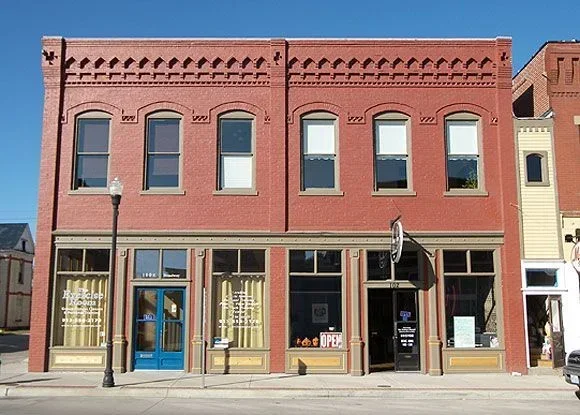
The brick and mortar meaning refers to physical stores with a real-world presence where customers visit in person. These traditional retail locations have been the backbone of commerce for centuries, offering tangible shopping experiences that online stores simply can’t replicate. Despite the rise of e-commerce, brick and mortar shops remain essential for local economies and community connection.
The brick and mortar meaning is simpler than most people think. At its core, it describes any business that operates from a physical location. You know the type — the shops with real walls, real doors, and real people behind the counter. These stores have shaped how we buy things for hundreds of years. Even in today’s digital age, they hold a special place in our economy and our daily lives.
When you hear the phrase brick and mortar, think of the local bookstore on your corner, the family-owned hardware shop downtown, or the bakery that smells amazing every morning. These are not just businesses. They are landmarks. They are community anchors. And understanding their brick and mortar meaning helps us appreciate what makes physical retail so powerful.
So why does this term still matter? Because the way we shop is changing fast. Online marketplaces grow every year. But millions of people still walk into physical stores every single day. They want to touch products, ask questions, and leave with their purchases right away. The brick and mortar model gives them exactly that. And as we will explore, this model has many layers worth understanding.
Key Takeaways
- Brick and mortar meaning: Physical retail locations where customers interact with products face-to-face.
- Traditional stores offer unique advantages: Hands-on experience, immediate gratification, and personal service.
- Brick and mortar vs online: Each model has strengths, and many businesses now combine both.
- Physical retail supports local economies: Jobs, tax revenue, and community engagement depend on storefronts.
- The future is hybrid: Successful retailers blend physical presence with digital tools.
- Customer trust matters: Many shoppers still prefer buying from a visible, trusted location.
- Running a brick and mortar business takes strategy: Location, layout, and experience drive success.
📑 Table of Contents
- What Does Brick and Mortar Mean Exactly?
- Why Brick and Mortar Stores Still Matter
- Brick and Mortar vs Online: A Comparison
- How Brick and Mortar Stores Create Unique Experiences
- Challenges Facing Brick and Mortar Businesses
- Tips for Running a Successful Brick and Mortar Store
- The Future of Brick and Mortar Retail
- Final Thoughts on Brick and Mortar Meaning
What Does Brick and Mortar Mean Exactly?
The brick and mortar meaning comes from the literal materials used to build physical stores. Bricks and mortar — the basic building blocks of walls and structures. Over time, the phrase evolved to describe any business that operates from a fixed, physical location. It contrasts with online-only businesses that exist solely on the internet.
Think of it this way. When you open a browser and visit an online store, you browse digitally. You click, add to cart, and wait for delivery. But when you visit a brick and mortar store, you walk through a door. You see products on shelves. You talk to a real person. You leave with your item in hand. That physical presence is the heart of the brick and mortar definition.
The History Behind the Term
The phrase gained popularity in the late 1990s. That was when the internet began changing shopping forever. Suddenly, people could buy books, clothes, and electronics without leaving home. This new wave of online shopping was called “e-commerce.” The term brick and mortar emerged as a way to distinguish traditional stores from these new digital competitors.
Before the internet, almost all retail was physical. Shopkeepers built their businesses on street corners, in malls, and in downtown districts. The brick and mortar establishment was the only option. Customers had no choice but to visit in person. But as technology advanced, the term became a badge of identity for traditional retailers. It signaled permanence, trust, and a real-world connection.
Key Characteristics of Brick and Mortar Businesses
What makes a brick and mortar shop different from an online store? Several key traits stand out:
- Physical location: The business operates from a real building or storefront.
- Face-to-face interaction: Customers meet staff in person.
- Immediate product access: Buyers take their purchases home right away.
- Tactile experience: Shoppers can touch, try, and test products.
- Local presence: These stores serve their surrounding communities directly.
- Operating costs: Rent, utilities, and staffing are part of the business model.
These characteristics define the brick and mortar retail experience. They create a shopping environment that online stores simply cannot match. And that is exactly why physical stores continue to thrive.
Why Brick and Mortar Stores Still Matter
Some people believe physical retail is dying. They point to empty storefronts and rising e-commerce numbers. But the brick and mortar meaning goes far beyond just selling products. These stores serve deeper purposes in our lives and communities.
The Human Connection Factor
Shopping at a traditional store is a social experience. You greet the owner. You chat with a sales associate. You share recommendations with friends while browsing. These small interactions build relationships. They create loyalty. They turn casual buyers into regular customers.
Online shopping is convenient, yes. But it can feel cold and impersonal. You click a button and wait. There is no smile, no handshake, no conversation. A brick and mortar location fills that gap. It brings warmth and humanity back into the shopping experience.
Instant Gratification
One of the biggest advantages of brick and mortar shops is speed. You find what you need, pay for it, and walk out with it. No waiting for delivery. No tracking packages. No worrying about shipping delays. For many shoppers, this immediacy is worth the trip.
Think about last-minute needs. You need batteries for a remote. You need a birthday gift tonight. A physical retail store solves these problems instantly. That convenience keeps people coming back, even in a world full of next-day delivery options.
Supporting Local Economies
Brick and mortar businesses do more than sell products. They create jobs. They pay local taxes. They attract foot traffic that benefits neighboring businesses. When you shop at a traditional retail store in your town, you invest in your community.
Studies show that local shops recirculate more money within their communities than big online retailers. The brick and mortar economy keeps neighborhoods vibrant. It preserves local character. And it gives people reasons to gather, stroll, and connect.
Brick and Mortar vs Online: A Comparison
The debate between brick and mortar and online retail is not new. But understanding the differences helps both shoppers and business owners make smarter choices. Each model has clear strengths and weaknesses.
| Feature | Brick and Mortar | Online Retail |
|---|---|---|
| Shopping Experience | Tactile, in-person, interactive | Digital, convenience-focused |
| Product Availability | Immediate purchase and take-home | Requires shipping and waiting |
| Operating Costs | Higher (rent, utilities, staff) | Lower overhead |
| Customer Interaction | Face-to-face, personal | Chatbots, reviews, emails |
| Store Hours | Fixed, limited hours | Open 24/7 |
| Geographic Reach | Local community focus | Global customer base |
| Trust Factor | High — visible and tangible | Varies — depends on reviews |
The brick and mortar model excels in experience and trust. Online retail wins on convenience and scale. But the most successful businesses today do not choose one over the other. They combine both. This approach is called omnichannel retail, and it is reshaping the industry.
Why Many Retailers Now Use Both Models
Smart brick and mortar businesses have expanded online. They offer websites, apps, and social media stores alongside their physical locations. This strategy gives customers flexibility. They can browse online and pick up in-store. Or they can visit the shop, try products, and order replacements later through a website.
The brick and mortar meaning has evolved. It no longer means just a physical building. It now represents a brand’s commitment to providing a real, tangible experience alongside digital convenience. This hybrid approach is the future of retail.
How Brick and Mortar Stores Create Unique Experiences
What sets a traditional store apart from a website? The answer lies in experience. Physical retail spaces engage all five senses. They create memories. They build emotional connections that keep customers coming back.
The Power of Touch and Feel
When you buy clothes online, you guess at the fit. When you visit a brick and mortar shop, you try items on. You feel the fabric. You check the stitching. This hands-on approach reduces uncertainty and builds confidence in your purchase.
The same applies to furniture, electronics, and food. You want to sit on that couch. You want to test that blender. You want to smell that candle. A physical storefront lets you do all of that before you spend a single dollar.
Expert Advice and Personal Service
Staff at a brick and mortar location can offer personalized recommendations. They know the products inside and out. They can answer questions on the spot. They remember your name and your preferences. This level of service builds lasting relationships that no algorithm can replicate.
Think about a local hardware store. The owner has helped you fix leaky faucets and choose the right paint color for years. That kind of personal connection is invaluable. It is also a key reason why brick and mortar shops survive despite fierce online competition.
Events, Community, and Culture
Many brick and mortar businesses host events. Book signings, cooking classes, product launches, and holiday parties bring people together. These events turn a simple store into a community hub. They give people a reason to visit beyond just shopping.
Some stores even incorporate fun elements to keep visitors engaged. For instance, you might find a shop that shares jokes or fun facts to entertain customers while they browse. Just like you might find at a site like Dungeons and Dragons jokes for gaming fans, some brick and mortar stores tap into niche humor to build a loyal following and make visits more memorable.
Challenges Facing Brick and Mortar Businesses
Running a brick and mortar establishment is not easy. Physical stores face unique challenges that online businesses simply do not encounter. Understanding these hurdles is essential for anyone thinking about opening or investing in a traditional retail location.
High Operating Costs
Rent is the biggest expense for most brick and mortar shops. Prime locations cost a fortune. Add utilities, insurance, payroll, and inventory costs, and the numbers add up quickly. Many small retailers struggle to keep their doors open because of these financial pressures.
However, smart business owners find ways to manage costs. They negotiate lease terms. They optimize staffing schedules. They use data to reduce waste. Every dollar saved helps a brick and mortar business stay competitive.
Competition from E-Commerce
Online retailers offer lower prices, wider selections, and the comfort of shopping from home. This is a real challenge for traditional retail. Many customers comparison-shop online before visiting a store. Some buy online even after browsing in person.
But this competition also pushes brick and mortar stores to innovate. They improve customer service. They create experiences that cannot be replicated online. They build communities around their brands. The best brick and mortar businesses turn competition into motivation.
Changing Consumer Habits
Modern shoppers expect convenience. They want fast delivery, easy returns, and seamless digital experiences. A brick and mortar location that does not adapt risks falling behind. Consumers now expect stores to have websites, social media, and mobile-friendly ordering options.
The good news is that many brick and mortar retailers are rising to the challenge. They invest in technology. They train staff to provide exceptional service. They find creative ways to blend the physical and digital worlds. The result is a stronger, more resilient retail experience.
Tips for Running a Successful Brick and Mortar Store
If you are thinking about opening or managing a brick and mortar shop, these practical tips can help you succeed.
- Choose your location wisely. Foot traffic and visibility matter more than you might think. A great location can make or break a brick and mortar business.
- Invest in your storefront. Clean windows, attractive displays, and a welcoming entrance draw customers in. First impressions count.
- Train your staff well. Friendly, knowledgeable employees are your biggest asset. They turn visitors into loyal customers.
- Embrace technology. Use point-of-sale systems, inventory software, and social media to stay connected with customers.
- Create experiences, not just transactions. Host events, offer workshops, and make your store a destination people want to visit.
- Build an online presence. Even a simple website or social media page helps customers find and connect with your brick and mortar location.
- Listen to your customers. Feedback is gold. Use it to improve products, services, and the overall shopping experience.
The Future of Brick and Mortar Retail
The brick and mortar meaning continues to evolve. Physical stores are not disappearing. They are transforming. The future of traditional retail belongs to businesses that embrace change while staying true to what makes physical shopping special.
Technology will play a bigger role. Augmented reality lets customers visualize products in their homes. Mobile apps streamline checkout. Data analytics help stores stock exactly what their communities want. These tools make brick and mortar operations more efficient and more appealing.
But the core of the brick and mortar model will always be human. People want to connect. They want to be welcomed. They want to touch and feel and experience products in real life. As long as that desire exists, brick and mortar shops will have a place in our world.
The most successful retailers of the future will be those who understand both the brick and mortar meaning and the digital landscape. They will offer the best of both worlds. They will give customers choice, convenience, and connection. And they will keep the tradition of physical retail alive for generations to come.
Final Thoughts on Brick and Mortar Meaning
The brick and mortar meaning is more than just a business term. It represents a way of shopping, connecting, and building communities. Physical stores bring people together. They create jobs. They give neighborhoods character and charm.
Next time you walk into your favorite local shop, remember what that experience means. You are not just buying something. You are supporting a family. You are strengthening your community. You are participating in a tradition that stretches back centuries. And that is something no online store can truly replace.
The world of retail will keep changing. But the heart of brick and mortar — the real human connection, the tangible experience, the community impact — will endure. That is the true meaning behind traditional stores.
Frequently Asked Questions
What is the brick and mortar meaning in simple terms?
Brick and mortar refers to businesses that operate from a physical building or storefront. These are traditional stores where customers visit in person to browse and buy products. The term highlights the physical, tangible nature of the business as opposed to online-only retailers.
Why is brick and mortar still important in the digital age?
Physical stores offer experiences that online shopping cannot match. Customers can touch products, get personal advice, and leave with their purchases immediately. Brick and mortar shops also support local economies and build community connections that keep neighborhoods thriving.
What is the difference between brick and mortar and e-commerce?
A brick and mortar business operates from a physical location that customers visit in person. E-commerce businesses operate entirely online with no physical storefront. Many modern retailers now combine both approaches to offer the best of each world.
Are brick and mortar stores losing to online shopping?
While online shopping has grown significantly, traditional retail stores are not disappearing. Many consumers still prefer the in-store experience. Successful brick and mortar businesses adapt by offering unique experiences, better service, and hybrid shopping options.
What are the biggest challenges for brick and mortar businesses?
The main challenges include high operating costs like rent and staffing, competition from online retailers, and changing consumer habits. However, smart brick and mortar shops overcome these hurdles by embracing technology, creating experiences, and building strong community ties.
Can a brick and mortar store succeed alongside an online presence?
Absolutely. In fact, the most successful retailers today use both models together. This approach, called omnichannel retail, lets customers shop in-store, online, or through mobile apps. A brick and mortar location paired with a strong digital presence gives customers maximum flexibility and convenience.
=== CONCLUSION ===
The brick and mortar meaning reminds us that physical stores are about much more than commerce. They are gathering places, community hubs, and sources of genuine human connection. From the brick and mortar model to the modern hybrid retail experience, these businesses continue to shape how we live, shop, and relate to one another.
Whether you are a shopper who loves browsing in person or a business owner building your first brick and mortar establishment, understanding this concept is essential. The world of traditional retail is evolving, but its core values — quality, connection, and community — remain timeless. Embrace the physical shopping experience. Support your local stores. And remember that the best retail is the kind that makes you feel welcome, informed, and valued.