
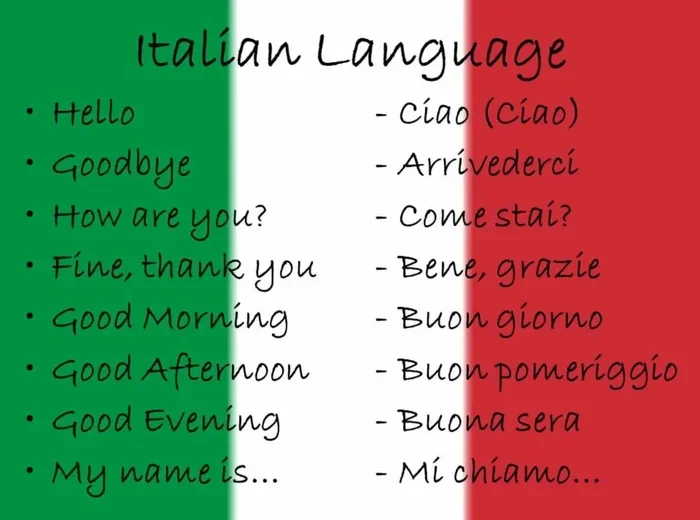
Learning how to say come in Italian is one of the first steps every beginner should take. The word “come” in Italian means “how” as an adverb and “come” as a verb meaning “to arrive” or “to come.” This guide covers pronunciation, verb forms, everyday phrases, and practical tips to help you use the word naturally in conversation.
Have you ever watched an Italian movie or listened to an Italian song and wondered, how to say come in Italian? It sounds so simple, right? Just one little word. But in Italian, come wears many hats. It can mean “how,” it can mean “come” as in “to arrive,” and it even shows up in expressions you hear every single day. Whether you are planning a trip to Rome or just want to impress your friends, understanding this word is a big deal.
The good news is that you do not need years of study to get this right. In this guide, we will break everything down step by step. You will learn the correct pronunciation, the different ways to use the word, and plenty of real-life examples. By the end, you will feel confident saying come in Italian like a local. Let us dive in.
Key Takeaways
- Come has two meanings: it can mean “how” as a question word or “to come” as a verb in Italian.
- Pronunciation is straightforward: say it as “KOH-meh” with a soft ending, similar to English.
- Verb conjugation matters: “venire” is the full Italian verb for “to come,” and “come” changes form based on who is doing the action.
- Common phrases use come daily: expressions like “Come stai?” (How are you?) appear in almost every Italian conversation.
- Context changes everything: the same word can mean “how” or “come” depending on how it is used in a sentence.
- Practice with real examples: using come in short dialogues helps you remember it faster than memorizing rules alone.
📑 Table of Contents
- What Does Come Mean in Italian?
- How to Pronounce Come in Italian
- Come as a Verb: Full Conjugation Guide
- Common Phrases Using Come
- How to Use Come in Real Conversations
- Quick Tips to Remember Come
- Common Mistakes to Avoid
- Why Learning Come Matters for Beginners
- Final Thoughts on Saying Come in Italian
What Does Come Mean in Italian?
Before you learn to say anything, you need to know what you are actually saying. In English, “come” is pretty straightforward. You come here. I come home. But in Italian, the word come splits into two distinct roles. This dual nature trips up many beginners, so let us clear it up right away.
Come as a Question Word (How)
When you ask someone how something is done, you use come to mean “how” in Italian. Think of it like this. You want to know the way someone does something. You ask, “Come fa?” which means “How does he or she do it?” This is the most common use of the word in everyday conversation.
Here are a few quick examples:
- Come stai? — How are you?
- Come funziona? — How does it work?
- Come si dice? — How do you say it?
Notice how come starts each question. It is like the English word “how” but with an Italian twist. The pronunciation stays the same across all these uses, which makes it easier for you.
Come as a Verb (To Come)
The second meaning of come is the verb “to come.” In Italian, the full verb is “venire,” but “come” appears as a conjugated form when you tell someone to come or describe someone arriving. For example, “Vieni qui” means “Come here.” The word “vieni” is the conjugated form of “venire,” but the concept of “coming” is at the heart of it.
This is where many learners get confused. They see “come” and think it always means “how.” But in the right sentence structure, it shifts to mean the action of moving toward someone. We will look at how this works in the verb section below.
How to Pronounce Come in Italian
Pronunciation is everything when you are learning a new language. If you say a word wrong, people might still understand you, but getting it right builds your confidence fast. So let us talk about how to actually sound out come in Italian.
The Sounds You Need to Know
The word “come” has two syllables: COH-meh. That is it. Here is a simple breakdown:
- COH — Say it like the word “coat” but drop the “t” at the end. Keep the “oh” sound open and relaxed.
- meh — Say it like the “meh” you would when you feel okay about something. Keep it short and soft.
Put them together and you get “KOH-meh.” Do not stress the second syllable. Both syllables get equal weight. This is different from English, where we often rush the second syllable. In Italian, every syllable gets its moment.
Common Pronunciation Mistakes
Here are some quick tips to avoid common errors:
- Do not add a hard “k” sound at the start. It is a soft “KOH,” not “KAH.”
- Do not say it like the English word “come.” The vowel sounds are different.
- Do not drag out the ending. Keep “meh” short and crisp.
If you practice saying “KOH-meh” five times in a row, you will start to sound natural very quickly. Try it right now. Say it out loud. Feel the rhythm of the word. That is the Italian way.
Come as a Verb: Full Conjugation Guide
Now let us get into the verb side of things. When you want to talk about someone coming or arriving, you need to know how to conjugate the verb. In Italian, the verb “to come” is “venire.” But the word come still plays a role in informal commands and expressions.
Present Tense Conjugation
The present tense is where you will use come most often. Here is the full conjugation of “venire” in the present tense:
- Io vengo — I come
- Tu vieni — You come
- Lui/Lei viene — He/She comes
- Noi veniamo — We come
- Voi venite — You all come
- Loro vengono — They come
See how each form changes slightly? That is how Italian verbs work. The ending shifts to match the subject. Once you get the pattern, you can apply it to many other verbs too. This is one of the beautiful things about learning Italian. The rules are consistent and predictable.
Using Come in Commands
When you want to tell someone to come, you use the imperative form. Here are the most common ones:
- Vieni qui! — Come here!
- Come subito! — Come right away!
- Venite con me! — Come with me!
Notice how “subito” means “right away” or “immediately.” You can pair it with the verb to make your command sound more natural. Italians use these short, direct phrases all the time in daily life.
Common Phrases Using Come
The real magic happens when you start using come inside full phrases. This is how native speakers actually talk. Let us look at some of the most useful phrases you can start using today.
Greetings and Small Talk
Italian conversations always start with a greeting. And many of them use the word “come.” Here are the top ones:
- Come stai? — How are you? (informal)
- Come sta? — How are you? (formal)
- Come va? — How is it going?
- Come va la vita? — How is life going?
These phrases come up in almost every Italian interaction. Whether you are at a cafe in Florence or talking to a friend, “Come stai?” is your go-to phrase. It is warm, friendly, and universally understood.
Asking for Help or Directions
When you are traveling, you often need to ask for help. “Come” makes these questions easy:
- Come arrivo alla stazione? — How do I get to the station?
- Come posso aiutarti? — How can I help you?
- Come si arriva al museo? — How do you get to the museum?
These are practical phrases that will serve you well on any trip to Italy. Even if your pronunciation is not perfect, Italians appreciate the effort. They will often switch to English or simplify their speech to help you understand.
Making Comparisons
One more cool use of “come” is in comparisons. In English, you say “as” or “like.” In Italian, you use “come.” For example:
- Come te — Like you
- Come ieri — Like yesterday
- Vengo come posso — I come as I can
This use of “come” is very common in casual Italian speech. Once you start noticing it, you will hear it everywhere. It is a great sign that you are picking up on the natural flow of the language.
How to Use Come in Real Conversations
Theory is great, but practice is where the real learning happens. Let us look at how you can start using come in actual conversations right away.
Start with One Phrase a Day
Pick one phrase from the list above and use it at least once a day. Say it out loud. Write it on a sticky note. Put it on your bathroom mirror. The more you hear yourself say it, the more natural it will feel. Within a week, you will not even have to think about it.
Listen and Repeat
Find a podcast or a YouTube video in Italian. When you hear someone say “Come stai?” pause the video and repeat it. Match their tone and speed. This technique works surprisingly well because it trains your mouth to form the sounds correctly. It is not just about the words. It is about the rhythm and the music of the language.
Practice with a Partner
If you have a friend who is also learning Italian, practice together. Take turns asking “Come stai?” and answering. Even a five-minute conversation session can make a big difference. And if you do not have a partner, talk to yourself. It sounds silly, but it works. You can practice ordering food at a pretend Italian restaurant in your head or asking a friend how they are doing in Italian.
When you are learning a language, sometimes the smallest words make the biggest difference. Think about how in English we use little words like “how” all the time without even thinking. Italian works the same way. Once “come” becomes second nature, you will find that whole conversations start to flow more easily. You can also explore how to translate to English in Hindi meaning to understand how different languages handle similar translation concepts, which can deepen your understanding of word meanings across languages.
Quick Tips to Remember Come
Here are some fast tips to lock in what you have learned:
- Think of “come” as “KOH-meh” — two syllables, equal stress, soft ending.
- Remember it has two jobs — it means “how” in questions and “to come” in verbs.
- Start with “Come stai?” — it is the most natural greeting and will open doors in any conversation.
- Use comparisons — “come” as “like” or “as” is very common and easy to remember.
- Practice daily — even five minutes of repetition builds real fluency over time.
Keep these tips in your back pocket. Whenever you feel stuck, go back to them. They are simple but powerful. You can also check out this guide on what WYO means in text to see how different languages and text cultures create their own shorthand for common expressions, which is a fun parallel to how Italian uses “come” in everyday shortcuts.
Common Mistakes to Avoid
Even the best learners make mistakes. The key is knowing what to watch out for. Here are the most common errors people make with “come” in Italian:
- Confusing “come” (how) with “vieni” (come/arrive): Remember that “come” as a question word means “how,” while the action of coming uses “venire” or its conjugated forms like “vieni.”
- Pronouncing it like the English word: The English “come” has a different vowel sound. Stick with “KOH-meh” for the Italian version.
- Forgetting to match the subject: Italian verbs must agree with who is doing the action. “Io vengo” is not the same as “Tu vieni.” Pay attention to the endings.
- Overthinking it: You do not need to master everything at once. Start with the basics and build from there. If you are curious about how English speakers adapt foreign phrases, you might find it interesting to learn about what in lieu of means as an example of how borrowed expressions work across languages.
Making mistakes is part of the process. Every error is a lesson. The fact that you are even trying to learn Italian puts you ahead of most people. Keep going.
Why Learning Come Matters for Beginners
You might wonder why such a small word deserves so much attention. The answer is simple. Come is a high-frequency word in Italian. It appears in conversations, books, signs, and songs. When you understand how to use it, you unlock a whole layer of the language that would otherwise stay closed to you.
Think about it this way. In English, words like “how,” “come,” and “like” show up in almost everything we say. Italian works the same way. “Come” is one of those words that connects everything. It links greetings to questions, questions to answers, and conversations to deeper connections.
If you really want to build a strong foundation in Italian, start with the high-frequency words. “Come” is right at the top of that list. Master it, and you will find that other words and phrases start to click into place much faster. This is the power of learning the right words in the right order.
Final Thoughts on Saying Come in Italian
Learning how to say come in Italian is more than just memorizing a word. It is about understanding how the Italian language thinks and flows. The word “come” connects questions, commands, greetings, and comparisons into one small but powerful package. When you say “Come stai?” to someone, you are not just asking how they are. You are opening a door to a real conversation.
Use the tips in this guide every day. Say the phrases out loud. Practice with a partner or by yourself. Listen to Italian speakers and try to mimic their rhythm. Little by little, you will find that “come” stops being a difficult word and starts feeling like a natural part of your vocabulary. The journey of learning any language is built one word at a time. And “come” is a wonderful word to build with.
Keep your curiosity alive. Keep practicing. And remember, every time you say “KOH-meh,” you are one step closer to speaking Italian with confidence and joy. The world of Italian language and culture is waiting for you. Go ahead and step into it.
Frequently Asked Questions
What does come mean in Italian?
Come in Italian has two main meanings. It means “how” when used as a question word, and it relates to the action of “coming” or “arriving” when used as part of the verb “venire.” The exact meaning depends on how it is used in a sentence.
How do you pronounce come in Italian?
You pronounce it as “KOH-meh.” The first syllable sounds like “coat” without the “t,” and the second syllable sounds like “meh.” Both syllables are short and equally stressed.
Is come the same in Italian as in English?
Not exactly. In English, “come” is always a verb meaning to move toward someone. In Italian, “come” can mean “how” in questions and is also related to the verb “venire” (to come). The word has more uses in Italian than it does in English.
What is the most common phrase using come in Italian?
The most common phrase is “Come stai?” which means “How are you?” It is used in informal settings and is one of the first phrases every Italian beginner learns. For formal situations, you would say “Come sta?”
How can I practice saying come in Italian every day?
Start by saying “Come stai?” to yourself each morning. Listen to Italian podcasts and repeat the word when you hear it. Write it on sticky notes and place them around your home. Five minutes of daily practice is enough to build strong habits.
Can come be used in Italian comparisons?
Yes, absolutely. In Italian, “come” is used like the English words “as” or “like” in comparisons. For example, “Come te” means “Like you,” and “Come ieri” means “Like yesterday.” This is a very common and natural use of the word.
=== CONCLUSION ===
Learning how to say come in Italian opens up a world of possibilities for any beginner. You now know that “come” means “how” in questions, connects to the verb “venire” for the action of arriving, and shows up in everyday phrases like “Come stai?” You also have the pronunciation down, the conjugation basics, and plenty of practical examples to draw from.
The key is consistent practice. Use these phrases in real life, listen to native speakers, and do not be afraid to make mistakes. Every attempt brings you closer to fluency. Italian is a beautiful language, and words like “come” are your stepping stones toward deeper understanding and connection. Keep learning, keep practicing, and enjoy the journey.