
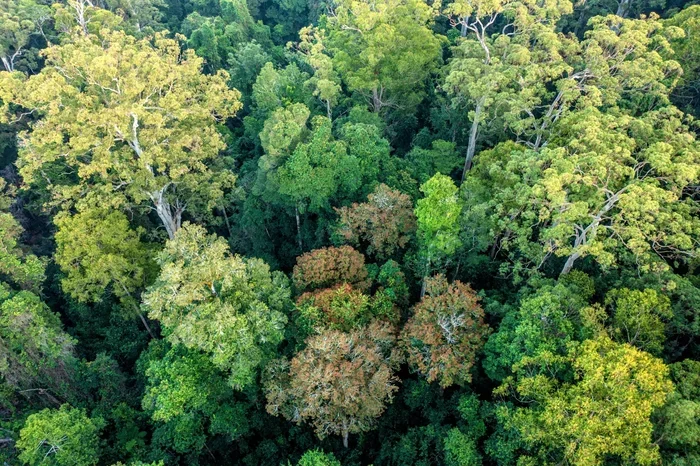
The biodiversity meaning refers to the variety of all living organisms on Earth, including the differences within species, between species, and across ecosystems. It covers everything from tiny microbes to massive whales and the habitats they call home. Understanding biodiversity meaning helps us see how every life form connects and depends on one another. Without it, our food, water, air, and overall survival are at risk. This article breaks down what biodiversity really means and why it matters more than ever.
Have you ever stopped to think about just how many different living things share our planet? From the tiniest bacteria in the soil to the tallest trees in the rainforest, every organism plays a role. The biodiversity meaning goes far beyond simply counting species. It captures the incredible variety of life in all its forms. When we talk about biological diversity, we are really talking about the health of our entire planet.
Understanding biodiversity meaning is not just for scientists or environmentalists. It matters to every single person on Earth. The food you eat, the air you breathe, and the water you drink all depend on diverse ecosystems. Yet, many people overlook how fragile these systems really are. In this article, we will break down the biodiversity definition, explore its different levels, and explain why protecting it is so urgent.
Key Takeaways
- Biodiversity meaning: It refers to the variety of life at genetic, species, and ecosystem levels across the entire planet.
- Three levels of diversity: Genetic diversity, species diversity, and ecosystem diversity all work together to sustain life.
- Ecosystem services depend on biodiversity: Clean air, fresh water, pollination, and fertile soil all rely on healthy biological systems.
- Biodiversity loss is accelerating: Habitat destruction, climate change, and pollution are driving species extinction at alarming rates.
- Conservation efforts matter: Protecting biodiversity hotspots and supporting wildlife preservation can reverse some of the damage.
- Everyone can help: Simple daily choices like reducing waste and supporting sustainable products contribute to nature conservation.
- The biodiversity crisis is real: Scientists call it a global emergency, and understanding its meaning is the first step toward action.
📑 Table of Contents
What Does Biodiversity Meaning Really Mean?
The biodiversity meaning is straightforward once you break it down. It describes the variety of life on Earth at every level. This includes differences within a single species, differences between species, and the variety of ecosystems where life exists. The term was first popularized in the 1980s and has since become one of the most important concepts in environmental science.
At its core, biological diversity is about connections. Every organism interacts with others in complex ways. A bee pollinates a flower. A wolf keeps deer populations in check. Fungi break down dead matter and return nutrients to the soil. These interactions form the backbone of healthy ecosystems. When one part of this web is disrupted, the effects ripple outward.
Many people think biodiversity just means having lots of different animals. But the biodiversity definition is much broader. It includes plants, fungi, bacteria, and every other living organism. It also includes the genetic differences within those species. A population of birds with diverse genes is more likely to survive disease than a population with little genetic variation.
The Three Levels of Biodiversity
Scientists organize biodiversity meaning into three main levels. Each level is equally important and deeply connected to the others.
1. Genetic Diversity
This refers to the variation in genes within a single species. Every individual organism has a unique genetic makeup. This diversity allows species to adapt to changing environments. For example, some coral species are more resistant to warmer ocean temperatures because of genetic differences. Without genetic variety, entire species become vulnerable to extinction.
2. Species Diversity
This is what most people think of when they hear the word biodiversity. It measures the variety of different species in a given area. A tropical rainforest has incredibly high species diversity compared to a frozen tundra. Both are important, but they support very different communities of life.
3. Ecosystem Diversity
This looks at the variety of ecosystems across a region or the entire planet. Forests, wetlands, coral reefs, deserts, and grasslands are all distinct ecosystems. Each one supports its own unique set of species and ecological processes. Protecting ecosystem diversity means preserving the different homes where life thrives.
Why Biodiversity Matters for Our Daily Lives
You might wonder why biodiversity meaning should matter to you personally. The answer is simple: biodiversity directly affects your health, your food, and your quality of life.
Think about the food on your plate. Fruits, vegetables, grains, and meats all come from diverse biological systems. Pollinators like bees and butterflies are essential for growing many crops. Without them, our food supply would collapse. In fact, about 75% of the world’s food crops depend on animal pollination. This is just one example of ecosystem services that biodiversity provides.
Ecosystem services are the benefits humans get from nature. These include:
- Clean air: Plants and trees absorb carbon dioxide and release oxygen.
- Fresh water: Wetlands and forests filter and purify water naturally.
- Fertile soil: Microorganisms, insects, and worms keep soil healthy for farming.
- Medicine: Many modern drugs come from plants, fungi, and animals found in nature.
- Climate regulation: Forests and oceans absorb heat and regulate global temperatures.
When biodiversity declines, these services weaken. The biodiversity crisis is not just an environmental issue. It is a human health issue, an economic issue, and a social issue. Communities that depend on fishing, farming, or forestry feel the impact first.
The Connection Between Biodiversity and Climate Change
Climate change and biodiversity loss are deeply linked. Rising temperatures, changing rainfall patterns, and extreme weather events all threaten species and ecosystems. As habitats shift or disappear, animals and plants struggle to survive.
At the same time, healthy ecosystems help fight climate change. Forests act as carbon sinks, absorbing millions of tons of CO2 every year. Oceans store vast amounts of carbon in their depths. When we destroy these ecosystems through habitat destruction, we release stored carbon back into the atmosphere. This creates a dangerous cycle.
Protecting biological diversity is one of the most effective ways to address climate change. Conservation efforts like reforestation and marine protection do double duty. They preserve species and help stabilize the global climate.
The Biodiversity Crisis: What Is Happening Right Now?
The biodiversity crisis is not a distant threat. It is happening right now, all around the world. Scientists estimate that species are going extinct up to 1,000 times faster than the natural background rate. This is sometimes called the sixth mass extinction, and it is driven by human activity.
The main causes of biodiversity loss include:
- Habitat destruction: Deforestation, urbanization, and agriculture destroy natural homes for wildlife.
- Overexploitation: Overfishing, poaching, and illegal wildlife trade push species toward extinction.
- Pollution: Chemicals, plastics, and waste contaminate air, water, and soil.
- Invasive species: Non-native species can outcompete and destroy local wildlife.
- Climate change: Rising temperatures and shifting weather patterns disrupt ecosystems.
These threats do not act alone. They combine and amplify each other. A forest that is already stressed by drought becomes even more vulnerable to fire and disease. Coral reefs weakened by warming oceans are more susceptible to pollution damage.
Biodiversity Hotspots Around the World
Conservationists have identified biodiversity hotspots as regions with exceptionally high numbers of species that are also under severe threat. These areas cover only a small portion of Earth’s land but contain a large share of its biological wealth.
Some well-known biodiversity hotspots include:
- The Amazon Rainforest: Home to millions of species, many still undiscovered.
- The Coral Triangle: Located in Southeast Asia, it has the highest marine biodiversity on Earth.
- The Madagascar Dry Forests: Over 90% of species here are found nowhere else on the planet.
- The Cape Floristic Region: A small area in South Africa with an extraordinary variety of plant life.
Protecting these hotspots is critical. Once a species goes extinct, it is gone forever. The loss is irreversible. This is why wildlife preservation and nature conservation efforts focus heavily on these vulnerable regions.
How Biodiversity Is Measured
Scientists use several tools and indices to measure biodiversity and track changes over time. The biodiversity index is one of the most common methods. It combines information about the number of species and how evenly individuals are distributed among those species.
A simple way to understand this is through an example. Imagine two forests. Forest A has 100 trees of the same species. Forest B has 100 trees spread across 20 different species. Forest B has higher species diversity and a higher biodiversity index. But true biodiversity meaning goes even deeper. It also considers genetic variation within each species and the health of the entire ecosystem.
Researchers also use tools like the Red List maintained by the International Union for Conservation of Nature (IUCN). This list tracks the conservation status of species worldwide. It helps identify which endangered species need immediate protection and which ecosystems are most at risk.
Why Monitoring Matters
Tracking biodiversity helps us understand the health of our planet. When species extinction rates spike, it sends a clear warning signal. Monitoring allows governments and organizations to respond quickly. It also helps measure whether conservation efforts are actually working.
For example, after marine protected areas were established in parts of the Great Barrier Reef, fish populations began to recover. This shows that thoughtful nature conservation can make a real difference. The key is to act before damage becomes irreversible.
What You Can Do to Protect Biodiversity
You might feel that biodiversity loss is such a massive problem that individual actions don’t matter. But that is not true. Every choice we make has an impact on the natural world. Small, consistent actions add up to create meaningful change.
Here are practical steps anyone can take to support environmental sustainability and protect biological diversity:
- Reduce, reuse, and recycle. Less waste means less pollution and less pressure on natural habitats. Start by cutting single-use plastics from your daily routine.
- Support sustainable products. Look for certifications like Fair Trade, Rainforest Alliance, or FSC-certified wood. These labels mean products were made with nature conservation in mind.
- Plant native species. If you have a garden, choose plants that are native to your region. They support local pollinators, birds, and insects better than exotic species.
- Consume less meat. Livestock farming is a major driver of habitat destruction and deforestation. Reducing meat consumption lowers your environmental footprint significantly.
- Support conservation organizations. Donate to or volunteer with groups that protect biodiversity hotspots and endangered species worldwide.
- Educate others. Share what you learn about biodiversity meaning with friends and family. Awareness is the first step toward action.
- Make responsible travel choices. Avoid tourism activities that exploit wildlife or damage fragile ecosystems. Choose eco-friendly options whenever possible.
Quick Tips for Everyday Biodiversity Support
- Turn off lights and electronics when not in use to reduce energy demand.
- Use less water to protect freshwater ecosystems and wetlands.
- Buy locally grown food to reduce transportation emissions.
- Avoid products made from endangered wildlife or threatened plants.
- Create a small wildlife-friendly space, even a balcony with potted plants helps.
The Future of Biodiversity Conservation
The future of biological diversity depends on the choices we make today. Global agreements like the Kunming-Montreal Global Biodiversity Framework set ambitious targets for protecting nature. These goals include protecting 30% of Earth’s land and oceans by 2030.
Technology is also playing a growing role in wildlife preservation. Satellite imaging helps track deforestation in real time. DNA analysis allows scientists to monitor genetic diversity in endangered populations. Artificial intelligence helps identify species extinction risks before they become critical.
But technology alone cannot solve the problem. Real change requires collective action. Governments must enforce environmental laws. Businesses must adopt sustainable practices. And individuals must make conscious choices every day. When all these efforts align, we can begin to reverse the damage.
The biodiversity meaning reminds us that we are not separate from nature. We are part of it. Every action we take affects the living world around us. Protecting biodiversity is not just about saving animals and plants. It is about saving ourselves.
Conclusion
The biodiversity meaning is simple yet profound. It is the variety of all life on Earth, from genes to ecosystems. This variety keeps our planet healthy, our food secure, and our future hopeful. Understanding biodiversity meaning is the first step toward becoming better stewards of the natural world.
The biodiversity crisis we face today is serious. Species are disappearing at an unprecedented rate. Ecosystems are being degraded faster than they can recover. But there is still hope. Through conservation, nature conservation, and environmental sustainability, we can protect the biological diversity that sustains us all.
Every person has a role to play. Whether you plant a native garden, support sustainable brands, or simply learn more about the natural world, your actions count. Start today. The health of our planet depends on it.
Frequently Asked Questions
What is biodiversity in simple terms?
In simple terms, biodiversity meaning refers to the variety of all living things on Earth. This includes the different species of animals, plants, fungi, and microorganisms, as well as the genetic differences within those species and the variety of ecosystems they live in.
Why is biodiversity important for humans?
Biodiversity is important because it provides essential ecosystem services that humans rely on every day. These include clean air, fresh water, fertile soil, pollination of crops, and even medicines. Without healthy biological diversity, human health and survival are at serious risk.
What causes biodiversity loss?
The main causes of biodiversity loss include habitat destruction from deforestation and urbanization, pollution, overexploitation of species like overfishing, climate change, and the spread of invasive species. These threats often work together to accelerate the decline of wildlife and ecosystems.
What are biodiversity hotspots?
Biodiversity hotspots are regions that have a very high number of species but are also under severe threat from human activity. These areas are priorities for conservation because protecting them can preserve a large portion of Earth’s biological wealth in a relatively small area.
How can individuals help protect biodiversity?
Individuals can help by reducing waste, supporting sustainable and eco-friendly products, planting native species, reducing meat consumption, and educating others about the importance of nature conservation. Even small daily choices contribute to protecting wildlife preservation efforts worldwide.
Is biodiversity loss reversible?
Some damage can be reversed through dedicated conservation efforts and habitat restoration, but species extinction is permanent. The sooner action is taken to protect ecosystem diversity and reduce threats like habitat destruction and pollution, the better the chances of recovery for damaged ecosystems and endangered species.