
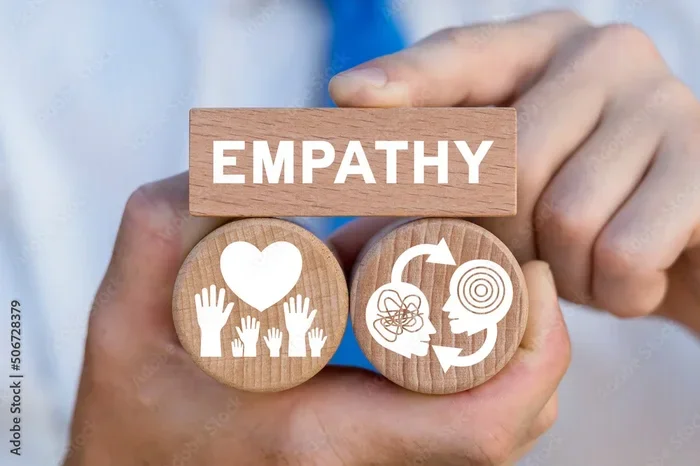
The empathy meaning goes far beyond simply feeling sorry for someone. It is the ability to understand and share another person’s emotions, thoughts, and experiences from their perspective. This powerful human skill builds deeper connections, strengthens relationships, and boosts emotional intelligence in every area of life. Whether at work, home, or in your community, empathy is the foundation of meaningful human connection.
Key Takeaways
- Empathy is more than sympathy: It involves actually feeling and understanding what another person experiences, not just feeling sorry for them.
- There are multiple types of empathy: Cognitive, emotional, and somatic empathy each play a unique role in how we connect with others.
- Empathy can be developed: It is not a fixed trait. Anyone can strengthen their empathetic abilities through practice and mindful habits.
- Empathy improves relationships: People who practice empathy enjoy deeper, more trusting, and more fulfilling connections with others.
- Empathy matters at work: Empathetic leaders build stronger teams, reduce conflict, and create healthier workplace cultures.
- Too much empathy can be harmful: Compassion fatigue and empathy overload are real risks that require boundaries and self-care.
- Empathy starts with listening: Empathetic listening is the single most powerful way to show someone you truly understand them.
📑 Table of Contents
- Empathy Meaning: Why Understanding Others Truly Matters
- What Is the True Meaning of Empathy?
- Why Empathy Matters So Much in Daily Life
- How to Develop Your Empathy Skills
- The Dark Side of Empathy: When Too Much Empathy Hurts
- Empathy in the Workplace: Why Leaders Need It
- Empathy and Moral Development
- Empathy vs. Sympathy: Understanding the Difference
- Quick Tips to Boost Your Empathy Today
- Final Thoughts on the Meaning of Empathy
Empathy Meaning: Why Understanding Others Truly Matters
Have you ever felt like someone truly got you? Like they understood your feelings without you even having to explain them? That is empathy at work. The empathy meaning is simple but profound. It is the ability to step into someone else’s shoes and feel what they feel. It is about understanding their world through their eyes, not just your own.
Many people confuse empathy with sympathy. Sympathy is feeling pity for someone. Empathy is something much deeper. It is about connection. It is about saying, “I see you. I hear you. I understand.” When you truly grasp the empathy definition, you unlock a skill that can transform every relationship in your life.
In a world that often feels disconnected, empathy is more important than ever. It helps us build trust, resolve conflicts, and create kinder communities. Let us dive deep into what empathy really means, why it matters, and how you can grow your own empathetic abilities.
What Is the True Meaning of Empathy?
At its core, empathy meaning is the capacity to recognize and share the emotions of another person. It goes beyond surface-level understanding. When you feel empathy, you connect with someone on an emotional level. You feel a echo of what they are going through.
The word “empathy” comes from the German word “Einfühlung,” which means “feeling into.” This tells us something important. Empathy is not just thinking about how someone feels. It is about actually feeling into their experience. You let their emotions resonate with you.
Psychologists often break empathy into three main types. Let us look at each one closely.
Cognitive Empathy
Cognitive empathy is also called perspective taking. It is the ability to understand what another person is thinking and feeling. You do not necessarily feel their emotions yourself. But you can intellectually grasp their point of view. This type of empathy is incredibly useful in negotiations, leadership, and conflict resolution.
For example, imagine a coworker is acting frustrated. With cognitive empathy, you can understand why they are frustrated. You see the situation from their angle. You may not feel their frustration yourself, but you get it.
Emotional Empathy
Emotional empathy is when you actually feel what someone else feels. It is sometimes called affective empathy. If a friend is sad, you feel sad too. If a stranger is joyful, you feel a burst of happiness. This type of empathy creates a deep emotional bond between people.
Emotional empathy is powerful. But it can also be overwhelming. Some people absorb others’ emotions so deeply that it affects their own mental health. We will talk more about this later.
Somatic Empathy
Somatic empathy is a physical response to someone else’s emotions. You might feel a tight chest when a loved one is anxious. You might get a stomachache when someone near you is stressed. This type of empathy shows how deeply connected our bodies are to our emotional understanding of others.
All three types of empathy work together. They create a full picture of how we understand and respond to the people around us.
Why Empathy Matters So Much in Daily Life
Empathy is not just a nice-to-have quality. It is essential for healthy human functioning. Here are some key reasons why empathy matters so much.
Empathy Strengthens Relationships
When you practice empathy in your relationships, something magical happens. People feel heard. They feel valued. They feel safe. This builds trust. Trust is the foundation of every strong relationship, whether it is romantic, friendly, or professional.
Think about your closest relationships. What makes them work? Chances are, it is because both people feel understood. Emotional connection thrives when empathy is present. Without it, even the best relationships can drift apart.
Empathy Reduces Conflict
Many conflicts happen because people feel misunderstood. When you practice perspective taking, you can see the root cause of disagreements. You stop reacting and start understanding. This changes the entire dynamic of a conversation.
For instance, imagine two friends arguing about a missed dinner. Without empathy, it becomes a blame game. With empathy, each person tries to understand the other’s situation. The argument dissolves into a conversation about how to make it work next time.
Empathy Boosts Emotional Intelligence
Emotional intelligence and empathy go hand in hand. Emotional intelligence is the ability to recognize, understand, and manage your own emotions. It also includes understanding the emotions of others. Empathy is a core component of emotional intelligence.
People with high emotional intelligence tend to have better relationships, stronger leadership skills, and greater overall well-being. They navigate social situations with ease and grace. And at the heart of that ability is empathy.
Empathy Builds Compassionate Communities
On a larger scale, empathy creates kinder societies. When people understand each other’s struggles, they are more likely to help. Empathy drives acts of kindness, generosity, and social responsibility. It breaks down barriers between different groups of people.
Think about movements for social justice. At their core, they are driven by empathy. People saying, “I see your pain. I understand your struggle. I will stand with you.” That is the power of empathy in action.
How to Develop Your Empathy Skills
The great news is that empathy is not fixed. You can grow it. You can strengthen it. Like any skill, it takes practice. Here are practical ways to build your empathy muscles.
Practice Active Listening
Empathetic listening is one of the most powerful empathy-building tools. It means giving someone your full attention. You listen to understand, not to respond. You put your own thoughts aside and focus entirely on the other person.
Here is how to practice it:
- Put away your phone and make eye contact.
- Do not interrupt the speaker.
- Reflect back what you hear. Say things like, “It sounds like you are feeling…”
- Ask open-ended questions to learn more.
- Resist the urge to give advice unless asked.
When you listen this way, people feel truly heard. And you learn so much more about their inner world.
Challenge Your Assumptions
We all have biases. We all make assumptions about people based on their appearance, background, or behavior. These assumptions block empathy. To grow your empathy, you must challenge these biases.
Next time you find yourself judging someone, pause. Ask yourself, “What might this person be going through that I cannot see?” Give them the benefit of the doubt. You might be surprised by what you discover.
Practice Self-Empathy
This might sound strange, but self-empathy is essential. It means treating yourself with the same kindness and understanding you offer to others. When you are kind to yourself, you build the emotional reserves needed to be empathetic toward others.
If you are constantly hard on yourself, your empathy tank runs dry. Self-compassion fuels outward compassion. So be gentle with yourself, especially during tough times.
Expose Yourself to Different Perspectives
You cannot develop empathy for experiences you have never had. That is why it is so important to expose yourself to different perspectives. Read books by authors from different backgrounds. Watch documentaries about lives unlike your own. Have conversations with people who see the world differently.
The more diverse your experiences, the wider your empathetic range becomes. You start to understand the vast range of human experience.
Use an Empathy Map
An empathy map is a simple tool used in design thinking and psychology. It helps you understand someone’s experience more deeply. You divide your thinking into four areas:
- Say: What does this person say out loud?
- Think: What might they be thinking but not saying?
- Feel: What emotions might they be experiencing?
- Do: What actions are they taking?
This exercise forces you to look beyond surface behavior. It helps you understand the deeper emotional drivers behind what people do and say.
The Dark Side of Empathy: When Too Much Empathy Hurts
Empathy is wonderful. But like anything, too much of it can become harmful. Understanding the downsides of empathy is just as important as understanding its benefits.
Compassion Fatigue
Compassion fatigue happens when you take on too much of other people’s emotional pain. It is common among healthcare workers, therapists, caregivers, and anyone who regularly supports people through difficult times. Over time, constant exposure to others’ suffering can lead to burnout, exhaustion, and emotional numbness.
If you feel drained after helping others, that is a sign. You need to set boundaries. You need to protect your own emotional health.
Empathy Overload
In today’s connected world, we are constantly exposed to the suffering of others through social media and news. This can lead to empathy overload. You feel bombarded by other people’s pain and struggles. It becomes hard to function or care.
The key is to be selective about where you direct your empathy. You cannot feel everything for everyone. Choose the causes and relationships that matter most to you. Focus your energy there.
The Importance of Boundaries
Healthy empathy requires boundaries. You can care deeply about someone without absorbing their pain. You can support a friend without taking on their problems as your own. Setting boundaries is not selfish. It is necessary for sustainable empathy.
Think of empathy like a battery. You need to recharge it regularly through self-care, rest, and solitude. Otherwise, you will run empty.
Empathy in the Workplace: Why Leaders Need It
Empathy is not just for personal relationships. It plays a huge role in professional settings too. In fact, empathetic leadership is one of the most sought-after qualities in modern workplaces.
Empathetic Leaders Build Stronger Teams
Leaders who practice empathy create environments where people feel safe, valued, and motivated. They listen to their team members’ concerns. They consider different perspectives before making decisions. This leads to higher trust, better collaboration, and stronger team performance.
Studies show that teams led by empathetic managers report higher job satisfaction and lower turnover. People want to work for leaders who see them as human beings, not just employees.
Empathy Improves Customer Relationships
Empathy is also powerful in customer service. When a customer feels understood, their experience improves dramatically. Even if the solution is not perfect, feeling heard can turn a negative experience into a positive one.
Companies that train their teams in supportive communication and empathy consistently outperform those that do not. It is a competitive advantage that pays real dividends.
Empathy and Moral Development
Empathy plays a crucial role in moral development. It is one of the foundations of ethical behavior. When you can feel what others feel, you are less likely to cause harm. You are more likely to act with fairness and kindness.
Research shows that children who develop strong empathy skills grow into adults who are more cooperative, more generous, and more socially responsible. Empathy is not just a feeling. It is a moral compass that guides our actions.
Teaching empathy to children is one of the most valuable things we can do as parents, teachers, and community members. When we model empathetic behavior, children learn to do the same. It creates a ripple effect that extends far beyond any single interaction.
Empathy vs. Sympathy: Understanding the Difference
People often use empathy and sympathy interchangeably. But they are very different. Understanding the distinction can transform how you connect with others.
Sympathy is feeling sorry for someone. It is looking down from above. “I am sorry you are going through this.” Sympathy creates distance. It acknowledges pain but does not bridge the gap between two people.
Empathy is sitting beside someone in their pain. “I can see how hard this is for you. I am here with you.” Empathy creates connection. It says, “I understand because I feel it too.”
The next time someone shares a struggle with you, try responding with empathy instead of sympathy. You will be amazed at how much deeper the conversation becomes.
Quick Tips to Boost Your Empathy Today
- Ask more questions. Show genuine curiosity about other people’s experiences.
- Put yourself in their shoes. Before reacting, imagine how you would feel in their situation.
- Watch your body language. Open posture, nodding, and eye contact show you are engaged.
- Read fiction. Stories help you understand lives different from your own.
- Volunteer. Direct exposure to diverse experiences builds deep empathy.
- Practice mindfulness. Being present helps you notice and respond to others’ emotions.
- Pause before judging. Give people the benefit of the doubt before forming opinions.
Final Thoughts on the Meaning of Empathy
The empathy meaning is profound and transformative. It is the bridge between hearts. It is the force that connects us as human beings. When we truly understand and share the feelings of others, our relationships deepen, our conflicts ease, and our communities grow stronger.
Empathy is not about being perfect. It is about being present. It is about showing up for others with an open heart and a curious mind. It is about choosing connection over distance, understanding over judgment, and kindness over indifference.
You do not need to be an expert to be empathetic. You just need to care enough to try. Start small. Listen more deeply. Ask better questions. Challenge your assumptions. Over time, you will find that empathy changes not just your relationships but your entire outlook on life.
Understanding others truly matters. And empathy is how we do it. So practice it. Cherish it. Let it guide your interactions every single day. The world becomes a better place one empathetic connection at a time.
Frequently Asked Questions
What is the simple definition of empathy?
The simple empathy definition is the ability to understand and share the feelings of another person. It means stepping into someone else’s shoes and experiencing their emotions as if they were your own. It goes beyond just knowing what someone feels, to actually resonating with their emotional state.
How is empathy different from sympathy?
Empathy involves feeling with someone, while sympathy involves feeling for someone. Empathy creates a deep emotional connection by sharing the other person’s experience. Sympathy acknowledges their pain from a distance. Empathy says, “I feel it too.” Sympathy says, “I am sorry you feel it.”
Can empathy be learned or improved?
Absolutely. Empathy is a skill that can be developed at any age. You can improve your empathetic abilities through active listening, practicing perspective taking, exposing yourself to diverse experiences, and being mindful of others’ emotions. Like any skill, it grows with consistent practice and effort.
What are the three types of empathy?
The three types of empathy are cognitive empathy, emotional empathy, and somatic empathy. Cognitive empathy is understanding someone’s perspective intellectually. Emotional empathy is actually feeling what they feel. Somatic empathy is experiencing a physical response to someone else’s emotions. All three work together to create full emotional understanding.
Can too much empathy be harmful?
Yes, excessive empathy can lead to compassion fatigue and empathy overload. When you absorb too much of other people’s emotional pain without setting boundaries, it can cause burnout and emotional exhaustion. Healthy empathy requires self-care and clear personal boundaries to remain sustainable.
Why is empathy important in leadership?
Empathy is crucial in leadership because it builds trust, improves communication, and strengthens team dynamics. Empathetic leaders understand their team members’ needs and perspectives, which leads to better decision-making and higher employee satisfaction. It creates a workplace culture where people feel valued and heard.