
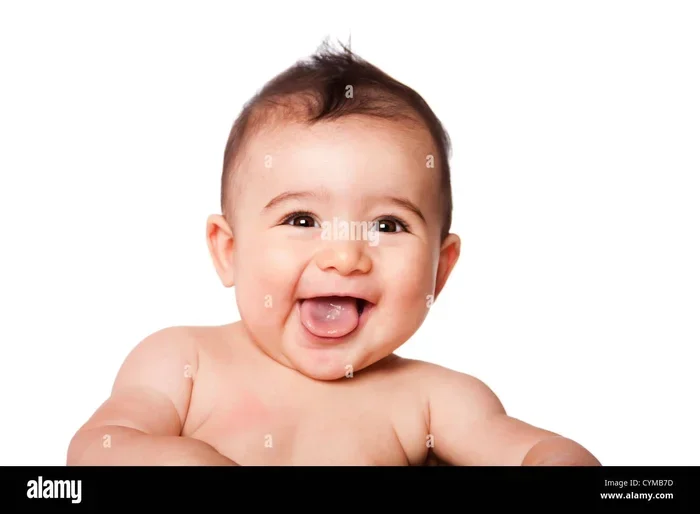
The cutie patootie meaning is a playful, affectionate term used to describe someone charmingly cute or endearing. This delightful expression has roots in early American slang and has evolved into a popular pet name and pop culture favorite that people use to show warmth and fondness.
Key Takeaways
- What it means: A sweet and playful way to call someone adorable or charming.
- Where it came from: The phrase has early American roots and likely evolved from rhyming slang traditions.
- How it is used today: People use it as a term of endearment for partners, children, friends, and even pets.
- Pop culture connection: The term has appeared in songs, TV shows, and movies, boosting its popularity.
- Related expressions: Words like cute, sweetie pie, and darling share a similar affectionate vibe.
- Why it matters: Understanding this phrase helps you connect with American English slang and informal expressions.
📑 Table of Contents
- What Does Cutie Patootie Mean And Where Did It Come From
- The Meaning Of Cutie Patootie
- The Origin And History Of The Phrase
- Cutie Patootie In Pop Culture
- Related Terms And Similar Expressions
- How To Use Cutie Patootie In Everyday Conversation
- Common Mistakes And Misunderstandings
- Why This Expression Has Lasted So Long
- The Psychology Behind Cute Expressions
- Key Takeaways
- Conclusion
What Does Cutie Patootie Mean And Where Did It Come From
Have you ever heard someone call another person a cutie patootie and wondered what it really means? You are not alone. This playful and heartwarming phrase pops up in conversations, songs, and even social media posts. But what exactly is behind this fun term?
The cutie patootie meaning is simple on the surface. It is a cute, affectionate way to describe someone who is charming, attractive, or just plain adorable. But like many beloved expressions in the English language, it carries a rich history. The phrase has traveled through decades of informal speech, picking up cultural weight along the way. In this article, we will explore the meaning, the origin, how people use it today, and why it has stuck around for so long.
Whether you are curious about the cutie patootie origin or simply want to use the phrase with confidence, this guide has you covered. Let us dive into everything you need to know about this sweet and playful expression.
The Meaning Of Cutie Patootie
At its core, the cutie patootie meaning is all about affection. When someone says you are a cutie patootie, they are telling you that you are cute in a warm, endearing way. It is not a formal compliment. It is the kind of thing a parent might say to a toddler or a partner might whisper during a romantic moment.
The phrase combines two parts. “Cutie” is a well-known term for someone attractive or charming in a youthful way. “Patootie” adds a playful, almost whimsical twist. Together, they create an expression that feels lighthearted and full of love.
How People Use The Phrase Today
Today, people use the term in many different settings. Here are some common ways it shows up in everyday life:
- As a pet name: Couples often use it to refer to each other in a sweet, teasing way.
- For children: Parents and grandparents love calling little ones a cutie patootie to express fondness.
- Among friends: It can be a friendly way to compliment someone without being too serious.
- In text messages: The phrase appears frequently in texting and social media as a fun emoji-style compliment.
- For pets: Some people even use it to describe their furry friends who are extra adorable.
The beauty of this expression is its flexibility. You can use it with almost anyone you feel warmly toward. It works across ages and relationships. That versatility is a big part of why it has endured.
The Origin And History Of The Phrase
Every great expression has a story. The cutie patootie origin is no different. Understanding where this phrase came from gives you a deeper appreciation for its charm and staying power.
Early American Slang Roots
The phrase likely emerged in the early 20th century in the United States. During this time, American English was full of creative slang expressions. People loved combining words in playful ways to create new terms. The rhyming pattern of “cutie” and “patootie” fits right into this tradition.
Many linguists believe the phrase draws from a broader trend of rhyming slang. In this style, speakers pair a real word with a made-up rhyming word to create something fun and memorable. Think of other examples like “lovin’ spoonful” or “honey bunny.” The cutie patootie version follows the same pattern.
How The Phrase Gained Popularity
By the mid-20th century, the expression had gained traction in casual American speech. It appeared in songs, comedy routines, and everyday conversation. Its cheerful sound made it easy to remember and fun to say. People naturally passed it along to friends and family.
The phrase also benefited from the rise of radio and television. Entertainers used it in their acts, which helped spread it to wider audiences. Over time, it became a staple of informal American English. It especially thrived in the Southern United States, where warm, expressive language is a cultural tradition.
Evolution Through The Decades
Like many slang expressions, the phrase has evolved. In the 1950s and 1960s, it carried a very playful, almost cheeky tone. By the 1980s and 1990s, it softened into a more general term of endearment. Today, it is widely accepted and used by people of all ages.
The cutie patootie meaning has stayed consistent even as the culture around it has changed. It still means someone is charmingly cute and worth affection. That consistency is rare for a slang term and explains why it has survived so well.
Cutie Patootie In Pop Culture
Pop culture has played a big role in keeping this phrase alive. From music to television, the expression has found its way into the hearts of millions.
Music And Songs
Several songs have used the phrase or variations of it. These musical references help introduce the term to new generations. When a popular artist sings about a “cutie patootie,” listeners remember it. The phrase gets stuck in their heads and eventually in their daily vocabulary.
Some artists use the term to describe a love interest in a romantic song. Others use it in a playful, humorous context. Either way, the association with music gives the phrase emotional resonance. People connect it to feelings of love, fun, and warmth.
Television And Movies
Television shows and films have also featured the expression. Characters might use it to describe a love interest or a cute child. These appearances normalize the phrase and make it feel familiar to viewers.
In animated shows especially, the phrase often appears in a lighthearted context. This helps children pick it up naturally. Parents might even use it intentionally after hearing it on screen. The cycle of exposure and use keeps the expression relevant.
Social Media And Modern Usage
Social media has given the phrase a new life. On platforms like TikTok, Instagram, and Twitter, people share the term in captions, comments, and video content. Hashtags featuring the phrase help it reach new audiences regularly.
The digital age has also created new variations. Some people spell it differently or pair it with emojis. These small changes keep the expression feeling fresh while preserving its core cutie patootie meaning. It is a great example of how language adapts to new platforms while keeping its essential character.
Related Terms And Similar Expressions
The phrase belongs to a family of affectionate expressions in English. Understanding these related terms helps you see the bigger picture of cute slang words and how people express warmth through language.
Terms Similar To Cutie Patootie
- Cutie pie: This is probably the closest relative. It carries the same warm, affectionate tone.
- Sweetie pie: Another rhyming term of endearment that is widely used in American English.
- Sugar pie: A slightly older expression with a similar meaning and playful sound.
- Love bug: A fun alternative that describes someone who is irresistibly charming.
- Precious: A more general term that shares the affectionate spirit of the phrase.
- Darling: A classic term of endearment that works across many cultures and languages.
How They Compare
While all these terms share a common goal, they each have a slightly different feel. “Cutie patootie” is more playful and informal. “Darling” feels more timeless and universal. “Sweetie pie” sits somewhere in between, with a warm but slightly old-fashioned charm.
The cutie patootie meaning leans heavily into the playful side. It is less serious than “darling” and more whimsical than “precious.” This makes it perfect for casual, lighthearted moments. You would not typically use it in a formal letter, but it is perfect for a text message or a face-to-face compliment.
How To Use Cutie Patootie In Everyday Conversation
Now that you understand the cutie patootie meaning and its history, you might want to start using it yourself. Here are some practical tips to help you incorporate this charming expression into your daily life.
Tips For Natural Usage
- Use it with a smile: The phrase works best when delivered with warmth and a genuine tone. A big smile makes the words feel even more heartfelt.
- Match the context: Use it in casual settings with people you are close to. It might feel out of place in a business meeting or formal gathering.
- Pair it with body language: A gentle touch on the arm or a playful wink adds to the effect.
- Start with people you are comfortable with: If you are new to the phrase, try it with close friends or family first.
- Have fun with it: The whole point of this expression is to bring joy. Do not take it too seriously.
Example Sentences
Here are some examples of how the phrase fits naturally into conversation:
- “You look so adorable today, you little cutie patootie!”
- “I saw your new partner. What a cutie patootie!”
- “Come here, cutie patootie. Let me give you a hug.”
- “My niece is the biggest cutie patootie I have ever seen.”
- “That puppy is one seriously cute cutie patootie.”
As you can see, the phrase fits easily into different situations. It works for romantic partners, family members, children, and even pets. The key is to use it with genuine affection and a light heart.
Quick Tips For Remembering The Phrase
- Think of it as a fun rhyme: “cutie” plus “patootie” equals pure sweetness.
- Remember that it is informal. Save it for casual, warm moments.
- It is a compliment. When you say it, you are telling someone they are charming and lovable.
- Practice saying it out loud a few times. The playful sound makes it easy to remember.
Common Mistakes And Misunderstandings
Even though the phrase is simple, there are a few things people get wrong. Being aware of these helps you use it correctly and avoid awkward moments.
Treating It As Insulting
Some people hear the word “patootie” and think it sounds negative. In some contexts, “booty” or similar words can carry a different connotation. But in the phrase “cutie patootie,” there is nothing negative at all. It is purely affectionate and sweet.
Using It In The Wrong Setting
The phrase is informal. Using it in a formal email or a professional presentation would feel out of place. Keep it for casual conversations, text messages, and personal interactions.
Assuming It Is Outdated
Some people think this is an old-fashioned expression that young people do not use anymore. That is simply not true. The phrase has found new life through social media and pop culture. People of all ages use it today.
Confusing It With Other Phrases
Do not confuse “cutie patootie” with similar-sounding phrases that have different meanings. Each expression carries its own unique cutie patootie meaning and cultural context. Understanding the differences helps you use the right phrase in the right moment.
Why This Expression Has Lasted So Long
Language is always changing. New slang terms appear every year, and many fade away quickly. So why has “cutie patootie” survived for so long? There are a few reasons.
First, the phrase is simply fun to say. The rhythm and rhyme make it enjoyable to pronounce. People naturally gravitate toward expressions that feel good in the mouth. This phrase checks that box perfectly.
Second, it carries genuine warmth. In a world where people often communicate through screens and short messages, a phrase like this adds a personal, human touch. It makes the recipient feel seen and appreciated.
Third, it is versatile. You can use it with almost anyone in your life. That broad applicability gives it staying power that many slang terms lack.
Finally, pop culture keeps refreshing it. Every time a song, show, or social media trend features the phrase, it introduces it to a new generation. This cycle of rediscovery ensures that the expression will likely remain popular for years to come.
The Psychology Behind Cute Expressions
Why do people love using terms like “cutie patootie” so much? The answer lies in human psychology. Research shows that using affectionate language strengthens social bonds. When you call someone a cutie patootie, you are not just giving a compliment. You are building a connection.
These expressions trigger positive emotions in both the speaker and the listener. The person receiving the compliment feels valued and loved. The person giving it feels warmth and joy. This creates a positive feedback loop that benefits both parties.
In relationships, this kind of language is especially powerful. Couples who use affectionate terms tend to report higher satisfaction. The cutie patootie meaning taps into this deep human need for validation and connection. It is a small phrase with a big emotional impact.
Key Takeaways
- A playful, affectionate term: The cutie patootie meaning is a warm way to describe someone as charmingly cute and endearing.
- Rich American history: The phrase has roots in early 20th century American slang and rhyming expression traditions.
- Widely used today: People use it for partners, children, friends, pets, and in social media content.
- Pop culture boost: Music, TV, and online platforms have kept the expression relevant across generations.
- Part of a larger family: Related terms like “cutie pie,” “sweetie pie,” and “darling” share similar affectionate purposes.
- Simple but powerful: The phrase builds emotional connections and spreads positivity through genuine affection.
Conclusion
The cutie patootie meaning is a wonderful reminder of how simple words can carry deep warmth. This playful, affectionate expression has traveled through over a century of American culture. It has survived because it is fun to say, easy to remember, and genuinely heartfelt.
Whether you use it to compliment a partner, cuddle a child, or simply brighten someone’s day, the phrase delivers. It captures something essential about human connection. We all want to feel seen, valued, and loved. A simple term like “cutie patootie” can do exactly that.
So the next time you want to share a sweet compliment, consider using this charming expression. It is a small phrase with a big heart. And who knows? You might just make someone’s day a little brighter with those two delightful words.
Language is a living thing. Expressions like this prove that the best phrases are the ones that feel genuine and bring people closer together. The cutie patootie meaning will continue to evolve, but its core purpose will always remain the same: to spread love, warmth, and a little bit of playful joy.
Frequently Asked Questions
Is cutie patootie a real word?
Yes, it is a real expression used in informal English. While you will not find it in formal dictionaries, it is widely recognized and used in everyday conversation, songs, and social media. It is part of American English slang and has been around for many decades.
Can I use cutie patootie for adults?
Absolutely. The phrase works for people of all ages. Many couples use it as a playful pet name for each other. It is lighthearted and affectionate, making it suitable for adults in casual, warm settings.
Where does the word patootie come from?
The exact origin of “patootie” is not entirely clear. Linguists believe it likely emerged as part of rhyming slang in early 20th century American English. It may have been influenced by other playful expressions of the era that paired real words with made-up rhyming terms.
Is cutie patootie the same as cutie pie?
They are very similar. Both are affectionate terms used to describe someone as charming and attractive. “Cutie patootie” has a slightly more playful and informal feel, while “cutie pie” is a bit more widely recognized. Both share the same core meaning of endearing sweetness.
Do people outside the US use this phrase?
While the phrase is most common in American English, it has spread globally through pop culture, music, and social media. People in other English-speaking countries may recognize it, though it is most frequently heard in the United States.
Is cutie patootie appropriate for professional settings?
No, it is best reserved for casual, personal interactions. The phrase is informal and affectionate. Using it in a workplace, formal email, or professional meeting would likely feel out of place. Save it for friends, family, and loved ones.