
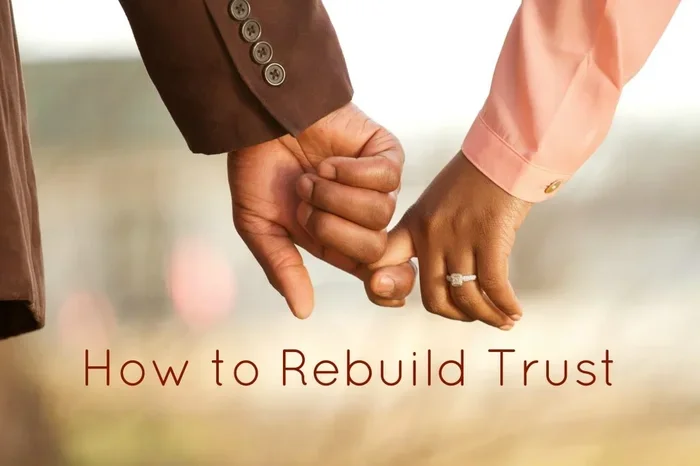
Saying sorry for cheating is hard, but it is the first step toward healing. A genuine apology requires honesty, accountability, and real action — not just words. This guide shows you exactly how to apologize, rebuild trust, and give your relationship a real chance at recovery.
Cheating shakes the foundation of any relationship. It breaks trust, hurts deeply, and leaves both partners confused and wounded. If you are the one who cheated, you probably feel guilty, scared, and unsure of what to do next. The good news is that a genuine apology can start the healing process. But saying “I’m sorry” is not enough. You need to mean it, show it, and back it up with real change.
This guide walks you through exactly how to say sorry for cheating in a way that actually works. We will cover why your apology matters, what to say, what to avoid, and how to rebuild trust over time. Whether your partner is ready to listen or still in shock, these steps will help you approach the situation with honesty and respect.
Understanding the weight of what you have done is the first step. Cheating is not a small mistake. It is a betrayal that cuts deep. Before you open your mouth to apologize, take time to truly understand the pain you have caused. Only then can your words carry real meaning.
Key Takeaways
- Own Your Mistake: A sincere apology starts with full accountability without excuses or blame-shifting.
- Understand the Impact: Recognizing how cheating hurt your partner is essential before you can truly apologize.
- Show Change Through Actions: Words alone are not enough — consistent behavior proves your remorse.
- Rebuild Trust Slowly: Trust takes time to earn back, and patience is a must for both partners.
- Seek Professional Help: Couples therapy can provide a safe space to heal and communicate openly.
- Learn and Grow: Use this painful experience as a catalyst for personal growth and a stronger relationship.
📑 Table of Contents
Why Saying Sorry for Cheating Matters So Much
A sincere apology is the foundation of any hope for repair. When you apologize for cheating, you are telling your partner that you recognize the harm you caused. Without an apology, the wound stays open. Resentment builds. And the relationship slowly dies from the inside out.
But here is the truth — many people apologize just to ease their own guilt. They want to feel better fast. They want to move on. That kind of apology does more damage than no apology at all. Your partner will see right through it.
A real apology shows that you understand the impact of cheating on your partner’s emotional well-being. It acknowledges the broken trust and the fear that now lives in their heart. When you apologize with genuine remorse, you create a small opening for healing to begin.
The Difference Between a Fake Apology and a Real One
Not all apologies are created equal. A fake apology sounds like this: “I’m sorry you feel that way.” That shifts the blame entirely onto your partner’s feelings. It says, “The problem is how you reacted, not what I did.”
A real apology sounds like this: “I am deeply sorry for what I did. I betrayed your trust, and I take full responsibility.” See the difference? One points fingers, and the other points inward.
When you want to restore trust in a relationship, your words must reflect true accountability. Your partner needs to hear that you understand what you did, that you feel genuine remorse, and that you are committed to doing the hard work of repair.
How to Say Sorry for Cheating: Step by Step
Now let us get into the practical steps. How to apologize for cheating properly requires more than just a single conversation. It is a process, and you need to be prepared for emotional reactions, difficult questions, and maybe even anger.
Step 1: Take Full Responsibility
Do not say “I made a mistake” and leave it there. Do not blame alcohol, stress, or the other person. Do not say “we both failed.” None of that works. When you take responsibility for cheating, you own it completely.
Start with something like: “I cheated on you, and I am fully responsible for my actions. There is no excuse for what I did.” This kind of direct honesty shows maturity and respect for your partner’s pain.
Think about it this way. When someone asks you to translate to english in hindi meaning of the word “sorry,” the real meaning goes beyond just the translation. It means acknowledging wrongdoing and accepting the consequences. That is exactly what a true apology does — it accepts the weight of what you did, no matter how uncomfortable it feels.
Step 2: Express Genuine Remorse
Your partner needs to know that you truly feel bad. Not performative guilt. Not guilt because you got caught. Real remorse for the pain you caused.
Say things like: “I know I hurt you deeply, and I am truly ashamed of my actions.” Or: “I never wanted to cause you this pain, and I regret my choices every single day.” These words show that you are not just sorry for the consequences you face — you are sorry for the hurt you caused.
Genuine remorse also means being vulnerable. It means sitting in the discomfort of your partner’s pain without trying to fix it or escape it. Let them see that you understand the depth of what you did.
Step 3: Listen Without Defending Yourself
This is one of the hardest parts. When your partner starts talking about how they feel, your instinct will be to defend yourself. You will want to explain, justify, or argue back. Resist that urge.
Just listen. Let them be angry. Let them cry. Let them say things that might be hard to hear. Your job in this moment is not to defend yourself — it is to show that you care about their pain more than your own comfort.
Active listening means nodding, making eye contact, and saying things like “I hear you” or “I understand why you feel that way.” Do not interrupt. Do not minimize their feelings. This is their time to heal, even if it hurts you to listen.
Step 4: Ask What You Can Do to Make It Right
After you have apologized and listened, ask your partner directly: “What do you need from me right now?” This question shows humility and a willingness to do the work.
Your partner might ask for space. They might want answers. They might need you to cut contact with the other person immediately. Whatever they ask for, try your best to honor it. Rebuilding relationship trust requires you to put their needs above your desire for quick forgiveness.
What to Avoid When Apologizing for Cheating
Knowing what not to say is just as important as knowing what to say. Many people ruin a sincere apology with careless words or defensive behavior. Here are the biggest mistakes to avoid.
Avoid Making Excuses
Never say “I cheated because you were not paying attention to me” or “I was going through a rough patch.” These are not excuses — they are blame-shifting. Your partner will hear it as, “You are the reason I cheated,” which only adds more hurt.
Avoid Comparing Your Mistake
Do not say things like “Other people cheat worse than I did” or “At least I did not…”. Comparing your betrayal minimizes it. Every act of cheating is painful in its own right, and your partner does not need a competition of hurt.
Avoid Pressuring for Forgiveness
Do not say “I hope we can move past this” or “Can we please just forgive me and move on?” Forgiveness takes time. Pressuring your partner to forgive you only pushes them further away. Let them heal at their own pace.
Avoid Empty Promises
Saying “I will never do it again” without a plan to back it up means nothing. Empty promises destroy what little trust remains. Instead, offer specific actions you will take to change and prove your commitment.
How to Rebuild Trust After Cheating
Apologizing is just the beginning. The real work starts after the apology. Rebuilding trust after cheating is a long journey that requires patience, consistency, and genuine effort.
Be Transparent and Honest
Transparency is the backbone of trust recovery. Share your phone, your location, your plans — not because you are being punished, but because you are showing that you have nothing to hide. Openness rebuilds the sense of safety that cheating destroyed.
Cut All Contact with the Other Person
This is non-negotiable. If you still have contact with the person you cheated with, your partner will never feel safe. Delete their number, unfollow them on social media, and remove any trace of that connection. Your actions need to prove that the betrayal is truly over.
Show Change Through Consistent Actions
Words get old fast. Your partner needs to see real change in your behavior over time. Show up when you say you will. Follow through on promises. Be present in the relationship. Actions speak louder than words, especially when trust is being rebuilt.
Many people find that this journey of change mirrors a deeper personal quest. The philosopher Viktor Frankl explored this in Man S Search For Meaning, showing that even in our darkest moments, we can find purpose and growth. Use this painful experience as a turning point to become a better, more honest partner.
Consider Couples Counseling
A professional therapist can create a safe space for both of you to express your feelings and work through the trauma. Relationship counseling after cheating is not a sign of weakness — it is a sign that you both care enough to fight for the relationship.
A therapist can help you communicate better, understand each other’s needs, and develop strategies for healing. It is not a magic fix, but it is a powerful tool when combined with genuine effort from both sides.
How Long Does It Take to Rebuild Trust?
There is no set timeline for trust recovery. Some relationships take months. Others take years. And some do not survive at all — and that is okay too. The key is to focus on the process, not the deadline.
Your partner will have good days and bad days. They may seem fine one moment and then spiral into anger or sadness the next. This is completely normal. Healing from betrayal is not linear. Be patient, be consistent, and keep showing up.
Also, be patient with yourself. Guilt can be overwhelming, and it is tempting to punish yourself emotionally. But self-punishment does not help your partner heal. Focus on what you can control — your actions, your honesty, and your commitment to change.
When an Apology Is Not Enough
Sometimes, despite your best efforts, your partner may not be ready to forgive. And that is their right. You cannot force someone to trust you again. All you can do is show genuine remorse, make real changes, and give them the time and space they need.
If your partner decides the relationship is over, respect their decision. Accept it with grace. Do not beg, guilt-trip, or manipulate them into staying. A final apology that respects their choice is better than a desperate plea that ignores their boundaries.
Even if the relationship does not survive, the lessons you learn from this experience can shape you into a better person. Use this pain as fuel for growth. Commit to being honest, loyal, and present in all your future relationships.
Final Thoughts
Saying sorry for cheating is just the beginning of a long and difficult road. But it is a necessary first step. A sincere, honest apology — backed by real action and consistent change — gives your relationship the best chance at recovery.
Remember that trust is earned in drops and lost in buckets. It took you one moment of bad judgment to break it, and it will take countless moments of patience and effort to rebuild it. Stay committed to the process. Listen to your partner. Show them through your actions that you are truly sorry and truly changing.
Whether your relationship survives or not, the most important thing is that you face this situation with honesty, humility, and a genuine desire to do better. That is the foundation of any real apology — and the first step toward becoming a better partner and a better person.
Frequently Asked Questions
What is the best way to apologize for cheating?
The best way is to take full responsibility, express genuine remorse, listen without defending yourself, and ask what your partner needs. Avoid excuses, blame-shifting, and pressure for forgiveness. A sincere apology focuses entirely on your partner’s pain, not your own guilt.
How long does it take to rebuild trust after cheating?
There is no fixed timeline. Trust recovery can take months or even years, depending on the severity of the betrayal and the effort put into repair. Focus on consistent, honest actions rather than rushing the process or setting deadlines.
Should I tell my partner everything about the cheating?
Honesty is important, but you do not need to share every painful detail. Answer your partner’s questions truthfully, but avoid graphic descriptions that cause unnecessary trauma. The goal is transparency, not punishment.
Can a relationship survive after cheating?
Yes, many relationships recover from cheating, but it requires genuine effort from both partners. The person who cheated must show consistent change, and the betrayed partner must be willing to work through the pain. Professional counseling can greatly improve the chances of recovery.
What should I do if my partner refuses to forgive me?
Respect their decision without pressuring them. Accept that forgiveness is not something you can demand. Continue to show genuine remorse through your actions, and give them the space and time they need. Sometimes the healthiest choice is to accept the outcome gracefully.
How do I stop cheating from happening again?
Cut all contact with the person you cheated with. Identify the root causes of your behavior, whether it is emotional dissatisfaction, impulse control issues, or other factors. Consider individual therapy to address underlying problems, and commit to open, honest communication in your relationship going forward.
=== CONCLUSION ===
Learning how to say sorry for cheating is not about finding the perfect words. It is about showing up with honesty, humility, and a willingness to do the hard work of repair. Your apology must be backed by real change, consistent transparency, and genuine patience.
Trust that you broke may never look the same as it did before, but it can be rebuilt — stronger and more honest than before. The choice to be a better partner starts now. Own your mistake, face the consequences, and commit to becoming someone your partner can trust again.