
Learning how to say hello in Egyptian with Google Translate is easier than you think. This guide shows you the exact steps, pronunciation tips, and common Egyptian greetings you can use right away. Whether you are traveling to Egypt or just curious, Google Translate makes bridging the language gap simple and fast.
Have you ever wondered how to say hello in Egyptian with Google Translate? Whether you are planning a trip to Cairo, connecting with Egyptian friends, or just curious about the language, knowing the right greeting is your first step. Google Translate makes this process quick and surprisingly accurate. In this guide, we walk you through everything you need to know about greeting someone in Egyptian Arabic using one of the most popular translation tools available today.
The Egyptian dialect, often called Masri, is one of the most widely spoken Arabic varieties in the Middle East. People in Egypt have their own unique way of greeting each other, and learning even a few phrases shows respect and cultural awareness. Google Translate is a free tool that supports this dialect, making it incredibly convenient for beginners. Let us dive into the details and help you get started.
Key Takeaways
- Google Translate supports Egyptian Arabic: You can quickly translate greetings and common phrases with just a few taps on your phone or computer.
- Egyptian Arabic has unique greetings: The way people say hello in Egypt differs from Modern Standard Arabic and other dialects.
- Pronunciation matters: Using the audio feature in Google Translate helps you sound more natural when greeting locals.
- Beyond “hello,” there are many useful phrases: Learning a few extra greetings goes a long way in Egyptian culture.
- Google Translate works offline too: You can download language packs and still translate without an internet connection.
- Practice makes perfect: Repeating phrases daily helps you remember and use them confidently in real conversations.
📑 Table of Contents
- Why Google Translate Is a Great Tool for Egyptian Greetings
- How to Say Hello in Egyptian Arabic
- Step-by-Step Guide to Using Google Translate for Egyptian
- Common Egyptian Greetings Beyond “Hello”
- Tips for Getting the Best Translations
- Understanding Egyptian Arabic vs. Modern Standard Arabic
- Practice Daily and Build Your Egyptian Vocabulary
Why Google Translate Is a Great Tool for Egyptian Greetings
Google Translate is not just for reading signs or menus. It is a powerful tool for everyday conversations, especially when you are learning how to greet people in a new language. The app supports over 130 languages, including Egyptian Arabic. This makes it one of the most versatile translation tools you can use for travel or personal growth.
One of the biggest advantages of Google Translate is the voice feature. You can hear how a word or phrase sounds in Egyptian Arabic, which helps with pronunciation practice. Many people struggle with Arabic sounds because the alphabet looks very different from English. The audio feature bridges that gap beautifully. You listen, repeat, and improve step by step.
Another great feature is the camera translation tool. If you are in Egypt and see a sign or menu, you can point your phone camera at it and get an instant translation. However, for greetings and casual conversation, the text and voice features work best. Learning how to say hello in Egyptian with Google Translate takes only a few minutes, and the results are surprisingly natural.
Free and Accessible Anywhere
Google Translate is completely free to use. You do not need to pay for a subscription or sign up for an account. The app works on both Android and iOS devices. You can also use it through a web browser on your computer. This accessibility means anyone can start learning Egyptian greetings right now, no matter where they are.
The app also works offline if you download the Egyptian Arabic language pack beforehand. This is incredibly useful when you are traveling and do not have reliable internet access. You can still translate and practice greetings even in areas with poor connectivity. It is one of those tools that just works, no matter the situation.
How to Say Hello in Egyptian Arabic
The most common way to say hello in Egyptian Arabic is “Ahlan” (أهلا). This word is warm, friendly, and widely used across Egypt. It is similar to the English word “welcome” and works in almost any situation, whether you are meeting someone for the first time or greeting an old friend.
Another popular greeting is “Salaam Alaikum” (السلام عليكم), which means “peace be upon you.” This greeting has deep roots in Arabic culture and is understood across the entire Arab world. In Egypt, people often respond with “Wa Alaikum Salaam” (وعليكم السلام), meaning “and peace be upon you too.”
If you want to say “good morning” in Egyptian, you would say “Sabah El Kheir” (صباح الخير). For “good evening,” the phrase is “Masaa El Kheir” (مساء الخير). These are essential greetings that show politeness and cultural awareness. Google Translate helps you learn these phrases quickly with text and audio support.
A Quick Comparison of Common Greetings
Here is a simple breakdown of the most common Egyptian greetings you should know:
- Ahlan — Hello / Welcome (general greeting)
- Salaam Alaikum — Peace be upon you (formal and informal)
- Sabah El Kheir — Good morning
- Masaa El Kheir — Good evening
- Ahlan wa Sahlan — Welcome (more formal version of Ahlan)
- Izayak — How are you? (to a male)
- Izayik — How are you? (to a female)
These greetings form the foundation of everyday conversation in Egypt. When you learn how to say hello in Egyptian with Google Translate, you can practice each phrase, hear the pronunciation, and build confidence before using them in real life.
Step-by-Step Guide to Using Google Translate for Egyptian
Using Google Translate to learn Egyptian greetings is straightforward. Here is a simple step-by-step guide to get you started. Follow these steps on your phone or computer, and you will be greeting people in Egyptian Arabic in no time.
- Open the Google Translate app or visit translate.google.com in your browser.
- Select the source language as English (or whatever language you are comfortable with).
- Choose Egyptian Arabic as the target language. Make sure you do not accidentally select Modern Standard Arabic, as the dialect differs.
- Type or paste your greeting into the text box. For example, type “hello” or “how are you.”
- Tap the speaker icon to hear the pronunciation in Egyptian Arabic. Listen carefully and repeat out loud.
- Use the camera feature if you want to translate printed text in real time.
- Save your favorite phrases by tapping the star icon so you can revisit them easily.
That is it. The entire process takes less than two minutes, and you can repeat it as many times as you want. The more you practice, the more natural the greetings will feel. Google Translate also lets you save your translation history, so you can review phrases you have already learned.
Tips for Using the App Effectively
Here are a few quick tips to get the most out of Google Translate when learning Egyptian greetings:
- Always double-check the dialect setting. Egyptian Arabic is different from other Arabic dialects like Levantine or Gulf Arabic.
- Use the voice feature daily to improve your accent and intonation.
- Practice in front of a mirror so you can see your mouth movements and match the pronunciation.
- Start with just two or three phrases per day. Overloading yourself with too many phrases at once can feel overwhelming.
- If you are unsure about a translation, try using the conversation mode, which allows real-time back-and-forth translation between two languages.
Common Egyptian Greetings Beyond “Hello”
Saying hello is just the beginning. In Egyptian culture, greetings carry warmth and genuine interest in the other person. When you greet someone in Egypt, you are not just exchanging words. You are showing respect and building a connection. Understanding this cultural context makes learning greetings even more meaningful.
Egyptians are known for their hospitality and friendliness. A simple “Ahlan” can open doors and spark conversations. People in Egypt often ask about family, health, and work as part of the greeting ritual. While Google Translate can help you with the words, understanding the cultural warmth behind them makes a huge difference.
The Role of Hand Gestures and Body Language
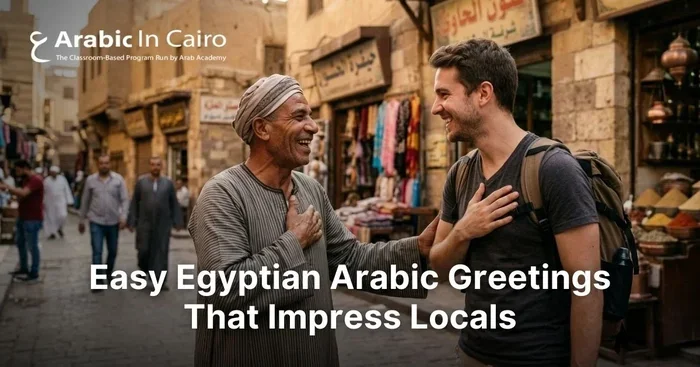
In Egypt, greetings are not just verbal. A handshake is common in formal settings. Between friends and family, a kiss on both cheeks is typical. Nodding your head while saying “Ahlan” adds a personal touch. These non-verbal cues are just as important as the words themselves.
If you are ever unsure about the right level of physical greeting, simply smile and extend your hand. Most Egyptians appreciate the effort, and they will guide you on what feels comfortable. When you combine Google Translate with cultural awareness, you are setting yourself up for positive and respectful interactions.
Text Greetings and Informal Ways to Say Hello
In the digital age, greetings have evolved. When texting or chatting online, Egyptians often use shortened or informal versions of their greetings. For example, “Ahlan” is commonly used in text messages and social media. Some people also use “3abara” as a casual way to say hello in text conversations.
Interestingly, people across the world use different shortcuts when texting. For instance, the term “wyo” has its own meaning in text slang in various contexts, showing how language evolves in digital spaces. Similarly, Egyptian Arabic has its own informal texting style that blends traditional greetings with modern convenience. Using Google Translate for text-based communication helps you understand these nuances better.
Tips for Getting the Best Translations
While Google Translate is incredibly powerful, it is not perfect. Here are some tips to help you get the most accurate and natural-sounding translations when learning Egyptian greetings.
First, keep your sentences short and simple. The translation engine works best with clear, straightforward phrases. Instead of typing a long paragraph, break your message into smaller parts. This approach reduces the chance of errors and helps you understand each phrase individually.
Second, always use the audio feature. Written translations can sometimes miss the subtle sounds of Egyptian Arabic. Listening to the pronunciation helps you sound more natural and confident. The voice recognition technology in Google Translate has improved dramatically over the years, making it a reliable tool for language learners.
Third, cross-check important phrases with other resources. If you are learning Egyptian Arabic for travel, consider pairing Google Translate with a phrasebook or a language learning app. This combination gives you multiple perspectives and helps reinforce your learning. Think of it as building your own translate to English in Hindi meaning style reference system, where you use multiple tools to understand a concept fully.
Common Mistakes to Avoid
- Do not rely solely on Google Translate for complex conversations. It works best for simple, everyday phrases.
- Do not assume all Arabic dialects are the same. Egyptian Arabic is distinct from other regional dialects.
- Do not skip the pronunciation practice. Reading a word is very different from saying it correctly.
- Do not be afraid to make mistakes. Locals appreciate the effort and are usually very forgiving and encouraging.
- Do not forget to download the offline language pack before you travel, so you always have access to translations.
Understanding Egyptian Arabic vs. Modern Standard Arabic
One of the most important things to know when learning Egyptian greetings is the difference between Egyptian Arabic and Modern Standard Arabic (MSA). MSA is the formal, written language used in news broadcasts, official documents, and literature. Egyptian Arabic, on the other hand, is the spoken dialect used in everyday life across Egypt.
When you use Google Translate, make sure you select Egyptian Arabic as your target language. If you accidentally select MSA, your greeting might sound overly formal or unfamiliar to locals. For example, the MSA word for hello is “Marhaba,” which is perfectly correct but less commonly used in casual Egyptian settings. “Ahlan” feels warmer and more natural in Egypt.
This distinction is similar to how different regions have their own ways of expressing meaning. Just as people sometimes look up what something means “in lieu of” using another reference, Egyptian Arabic serves as a regional alternative to the standard form. Understanding this difference helps you sound more authentic and culturally aware when you greet people in Egypt.
Which One Should You Learn?
If your goal is to communicate with people in Egypt, focus on Egyptian Arabic. It is the dialect you will hear in markets, restaurants, streets, and homes. MSA is valuable for reading and formal settings, but it is not the everyday language of Egyptians. Google Translate gives you the flexibility to switch between dialects, which is a huge advantage for learners.
For travelers, Egyptian Arabic is the clear winner. Locals will appreciate your effort to speak their dialect, even if your pronunciation is not perfect. A simple “Ahlan, sabah el kheir” said with a smile can make someone’s day. That is the real power of learning greetings in the local language.
Practice Daily and Build Your Egyptian Vocabulary
The best way to master Egyptian greetings is through consistent practice. Set aside five to ten minutes each day to use Google Translate and review your favorite phrases. Repetition is key to moving new words from short-term memory to long-term memory.
Try greeting yourself out loud in the mirror. Say “Ahlan” and “Salaam Alaikum” with confidence. Record yourself and compare your pronunciation to the audio in the app. This self-assessment technique helps you identify areas for improvement and track your progress over time.
Another effective method is to practice with a friend or language partner. If you know someone who speaks Egyptian Arabic, ask them to listen to your greetings and give feedback. Real conversation is the fastest path to fluency, even if it starts with just a simple hello.
You can also immerse yourself in Egyptian media. Watch Egyptian movies, listen to Egyptian music, or follow Egyptian social media accounts. Hearing the language in context reinforces what you learn through Google Translate and helps you understand how greetings fit into natural conversation.
Remember, language learning is a journey. Every phrase you learn brings you closer to connecting with Egyptian culture and people. Start with “Ahlan,” build from there, and enjoy the process. Google Translate is a wonderful companion on that journey, making the first steps easy and enjoyable.
So the next time you wonder how to say hello in Egyptian with Google Translate, open the app, type your greeting, and start practicing. You will be surprised at how quickly these phrases become second nature. Happy learning, and Ahlan wa Sahlan!
Frequently Asked Questions
Can Google Translate accurately translate Egyptian Arabic greetings?
Yes, Google Translate supports Egyptian Arabic and provides accurate translations for common greetings like “Ahlan” and “Salaam Alaikum.” The voice feature helps you learn proper pronunciation, making it a reliable tool for beginners. Always double-check by selecting Egyptian Arabic as your target dialect for the most natural results.
Is Google Translate free to use for learning Egyptian Arabic?
Absolutely. Google Translate is completely free for all its features, including text translation, voice pronunciation, and camera translation. You can also download the Egyptian Arabic language pack for offline use at no cost. It is one of the best free resources available for language learners.
What is the most common way to say hello in Egypt?
The most common greeting in Egypt is “Ahlan,” which means hello or welcome. It is warm, friendly, and used in both formal and informal settings. Pairing it with “Salaam Alaikum” adds extra warmth and cultural depth to your greeting.
Do I need an internet connection to use Google Translate for Egyptian Arabic?
You need an internet connection for online translation, but you can download the Egyptian Arabic language pack for offline use. This is especially helpful when traveling to areas with limited connectivity. Simply download the pack before your trip, and the app works just as effectively without the internet.
How can I improve my Egyptian Arabic pronunciation using Google Translate?
Use the speaker icon in the app to hear native pronunciation of each greeting. Repeat the phrases out loud, record yourself, and compare your version to the app’s audio. Practicing daily for just a few minutes can significantly improve your accent and confidence over time.
Are there differences between Egyptian Arabic greetings and other Arabic dialects?
Yes, Egyptian Arabic has its own unique vocabulary and pronunciation compared to other Arabic dialects. For example, “Ahlan” is the standard Egyptian greeting, while other regions might use different words. Always select the Egyptian Arabic dialect in Google Translate to get the most accurate and culturally appropriate translations.
=== CONCLUSION ===
Learning how to say hello in Egyptian with Google Translate opens the door to meaningful connections with Egyptian culture and people. From the warm “Ahlan” to the formal “Salaam Alaikum,” these greetings carry respect and friendliness that resonates across Egypt. Google Translate makes the process simple, free, and accessible to anyone with a smartphone or computer.
By following the steps in this guide, practicing daily, and understanding the cultural context behind each greeting, you are well on your way to confidently greeting people in Egyptian Arabic. Start with the basics, build your vocabulary gradually, and enjoy the journey of learning a new language. The world is full of opportunities to connect, and a simple hello can be the start of something beautiful.