
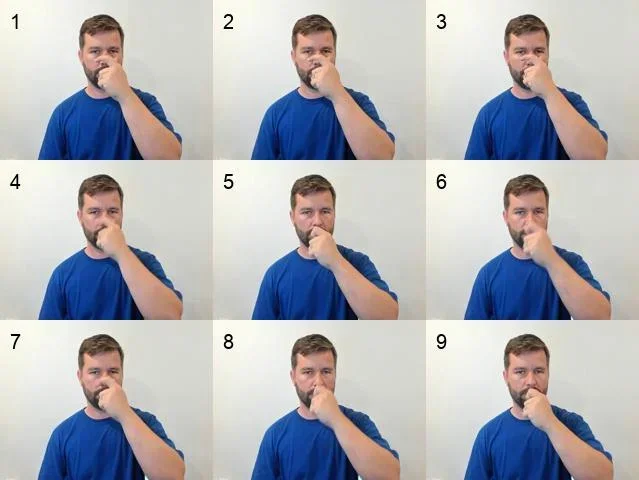
Ever wondered how to say cold in sign language? This guide shows you the exact hand movements, facial expressions, and common variations used by the Deaf community. You’ll learn the basic American Sign Language (ASL) sign for cold, how to sign it when you feel chilly or sick, and tips to avoid common mistakes. By the end, you’ll sign cold confidently in any conversation.
Learning how to say cold in sign language opens a new window into the Deaf community. Whether you feel a chill, sense a fever, or describe frosty weather, the sign adapts to the situation. This beginner guide breaks down every detail you need. You will master the basic gesture quickly and confidently.
If you are curious about how to translate this concept into other languages, you can explore our guide on translate to english in hindi meaning. It helps you understand how meanings shift across cultures. Now, let us dive into the world of cold signs.
Key Takeaways
- One-handed and two-handed versions exist: The casual one-handed sign is perfect for quick conversations.
- Facial expressions matter: A slight grimace or shiver adds clarity to your cold sign.
- Context changes the sign: You sign cold weather differently than a cold drink or feeling sick.
- Common mistakes include waving fingers: Keep your hand steady and palm facing inward.
- Practice with real scenarios: Sign cold while describing a chilly day or a fever to build muscle memory.
- Deaf community prefers natural flow: Avoid overthinking; let the sign come smoothly with your sentence.
📑 Table of Contents
How to Say Cold in Sign Language: The Basic Sign
The core sign for cold in American Sign Language (ASL) is simple and visual. You use an open hand with fingers together. The palm faces your body, and you move it slightly inward. This motion mimics the shiver you feel when you are cold.
Many beginners ask, “Is there a cold sign language version for weather?” Yes, the same base sign works. You just add context with your eyes and body. The ASL sign for cold is one of the first signs taught in beginner sign language classes. It is also a high-frequency word in daily conversations.
Hand Position and Movement
Start with your dominant hand. Keep your fingers together and extended. Your palm should face your chest. Now, pull your hand a few inches toward your body. Do not wave it. The movement is small and controlled. You can also add a slight tremble to show chills.
Remember, sign language for cold weather relies on your facial expression. Raise your eyebrows slightly or puff your cheeks. These cues help the viewer understand you are describing temperature, not an illness. Practice in front of a mirror until the motion feels natural.
Step-by-Step Guide to Signing “Cold”
Follow these steps to sign cold correctly. Each step builds on the last. Take your time and repeat each motion several times.
- Start position: Hold your hand up near your chest with fingers together and palm facing inward.
- Movement: Slowly pull your hand toward your body. Imagine you are pulling warmth back to yourself.
- Facial expression: Add a subtle grimace or a quick inhale through your nose. This shows the sensation of cold.
- Repeat: Do the motion two or three times if you want to emphasize how cold you feel.
When you sign cold in a sentence, flow it naturally. For example, “I feel cold” would use the sign at the right moment in your sentence rhythm. Do not pause too long. The Deaf community values smooth, continuous signing.
Different Contexts for “Cold” in Sign Language
The basic sign stays the same, but context shapes how you use it. You might sign cold to describe the weather, a sick feeling, or a cold object. Each situation has a slight nuance. Here is how to handle them.
Cold Weather
When talking about chilly weather, use the basic cold sign. Add a pointing gesture toward the sky or outside if needed. You might also sign “winter” or “snow” nearby. In casual texting, you might see wyo meaning in text as a way to check on someone, but in person, you simply sign cold to share how you feel. The cold gesture for weather is universal and easy to read.
Feeling Sick
When you have a cold or fever, the sign is the same, but you pair it with a sick expression. You might tilt your head slightly and look tired. Some signers add a small cough motion after the cold sign. This tells the viewer you are not just chilly—you are unwell.
Cold Objects
To describe a cold drink or a frozen item, you can use the cold sign near the object. Point to the glass or bottle first. Then sign cold. In lieu of meaning using two separate signs for “chilly” and “frozen,” the cold sign covers both. The viewer understands from your pointing gesture that the object is cold.
Common Mistakes Beginners Make
Avoid these errors to sign cold clearly and naturally.
- Waving your fingers: Keep fingers together. Waving looks like you are fanning yourself, not feeling cold.
- Using two hands unnecessarily: The standard cold sign uses one hand. Two hands can look like you are shivering too dramatically.
- Forgetting facial expressions: Without a grimace or shiver, the sign loses its feeling. Your face adds the emotional layer.
- Signing too far from your body: The motion should stay close to your chest. A long reach confuses the meaning.
- Mixing up cold and sick: Cold and sick share the same base sign. Context and expression do the heavy lifting.
Quick Tips to Master the Cold Sign
Use these practice tricks to build confidence fast.
- Practice with real objects: Hold a cold drink and sign cold right before you touch it. The connection helps your brain remember.
- Record yourself: Watch your video and compare it to native Deaf signers. Look for smooth, relaxed movements.
- Sign cold in sentences: Do not isolate the word. Sign “The water is cold” or “I feel cold today” to build fluency.
- Use a mirror: Check your hand shape and facial expression. Make sure your palm faces inward and your fingers stay together.
- Join a signing group: Practice with others who share your interest in learn sign language. Feedback speeds up progress.
Expert Insights from Deaf Signers
Deaf signers emphasize natural flow over perfect form. One signer shared, “The cold sign should feel like a quick shiver, not a stiff pose.” Another added, “We use the same sign for a cold nose or a cold room. Your eyes tell the story.”
These insights highlight that sign language tutorial videos often overcomplicate things. The real secret is practice with real people. Watch Deaf vloggers and mimic how they sign cold in everyday stories. You will pick up subtle variations that no textbook can teach.
Key Takeaways
- One-handed and two-handed versions exist: The casual one-handed sign is perfect for quick conversations.
- Facial expressions matter: A slight grimace or shiver adds clarity to your cold sign.
- Context changes the sign: You sign cold weather differently than a cold drink or feeling sick.
- Common mistakes include waving fingers: Keep your hand steady and palm facing inward.
- Practice with real scenarios: Sign cold while describing a chilly day or a fever to build muscle memory.
- Deaf community prefers natural flow: Avoid overthinking; let the sign come smoothly with your sentence.
Conclusion
Now you know exactly how to say cold in sign language. The basic motion is simple, yet the context and expression make it powerful. Whether you describe a winter storm, a fever, or an ice-cold soda, the same core sign adapts beautifully. Keep practicing daily, and soon the cold sign will flow naturally in your conversations.
Remember, every signer starts as a beginner. Do not fear mistakes. The Deaf community welcomes learners who try. Pick up your practice routine, watch native signers, and enjoy the journey of learning sign language. You are already on the right path.
Frequently Asked Questions
What is the easiest way to remember the cold sign in ASL?
Picture yourself pulling your body heat back in. The small inward movement mimics a shiver. Pair it with a quick inhale and a slight grimace. This mental image helps you recall the sign instantly.
Do you use both hands to sign cold?
The standard sign uses one hand. Two-handed versions exist for emphasis, but beginners should start with the single-hand version. It looks natural and is easier to master.
How is the cold sign different when you are sick versus just chilly?
The hand shape and motion stay the same. The difference comes from your facial expression and body language. A tired, pale expression signals illness, while a quick shiver suggests the temperature is low.
Can children learn this sign easily?
Yes, the cold sign is one of the first signs taught to babies and young children. The simple hand movement and obvious facial expression make it very accessible for little learners.
What if I forget the exact hand position?
Focus on the feeling, not perfection. Imagine holding something cold and pulling your hand back. Even a simplified version will be understood if your expression matches the cold sensation.
Are there regional variations of the cold sign?
Some regions use a slightly larger movement or a two-handed version. However, the core one-handed sign is widely understood across the Deaf community. Watching local Deaf signers will help you pick up regional nuances.