
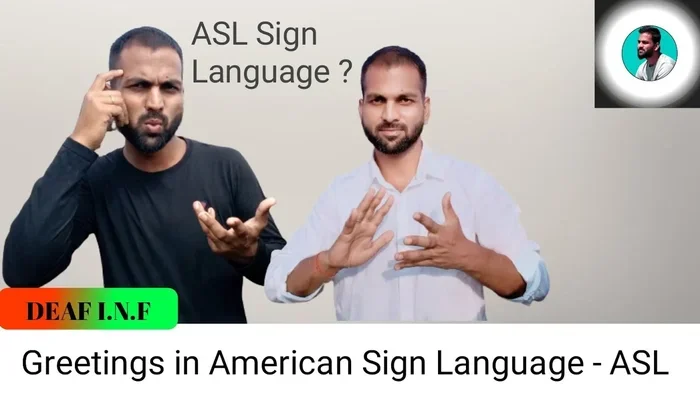
Learning how to say good afternoon in ASL is simpler than you think. This guide walks you through the exact hand movements, facial expressions, and cultural context needed to greet someone in American Sign Language confidently. Whether you are a beginner or brushing up on your skills, you will find practical tips and real-world examples to help you sign with ease.
Have you ever wondered how to say good afternoon in ASL? Maybe you met someone who uses American Sign Language and wanted to greet them properly. Or perhaps you are just curious about nonverbal communication and want to expand your skills. Whatever the reason, you are in the right place.
American Sign Language is a rich, complete language used by millions of people in the Deaf community across the United States and parts of Canada. Unlike spoken languages, ASL relies on hand shapes, movements, facial expressions, and body language to convey meaning. Every detail matters. A slight shift in palm direction or a missing eyebrow raise can change the entire message. That is what makes learning ASL both challenging and deeply rewarding.
In this guide, we will break down exactly how to sign good afternoon in ASL. You will learn the hand shape, the movement, the facial expression, and the cultural context behind it. By the end, you will feel confident enough to use this greeting in real conversations. Let us get started.
Key Takeaways
- The basic sign for good afternoon in ASL: combines a forward sweeping motion with a palm-down hand near your chin.
- Facial expressions matter just as much as hand signs: your expression conveys the time of day and warmth in ASL.
- Context and palm orientation change meaning: small adjustments make a big difference in clarity.
- Learning ASL builds connection with the deaf community: it opens doors to richer, more inclusive communication.
- Practice with real people whenever possible: online videos help, but live interaction builds true fluency faster.
- Common mistakes include rushing the motion and ignoring facial cues: slow down and focus on both elements.
📑 Table of Contents
What Is ASL and Why Does It Matter?
Before we dive into the specific sign, let us take a moment to understand what ASL really is. Many people assume sign language is universal. It is not. Just like spoken languages, sign languages vary by country and region. British Sign Language, or BSL, is quite different from American Sign Language. Even within the United States, regional variations exist.
ASL has its own grammar, syntax, and idioms. It is not simply English translated into hand gestures. The structure follows a different order. For example, a sentence in ASL might drop the subject or rearrange the verb and object. This is one reason why learning ASL properly matters. You cannot just guess the signs and expect to communicate effectively.
The Role of Nonverbal Communication
One of the most fascinating aspects of ASL is how much meaning lives outside the hands. Your face tells a story. Raised eyebrows signal a yes-or-no question. Furrowed brows indicate a who-what-where-when-why question. A relaxed, warm expression sets a friendly tone for any greeting. This is why learning good afternoon in ASL is about more than just moving your hands. You are learning an entire system of expression.
Nonverbal communication also includes posture, eye gaze, and body orientation. When you sign to someone, you face them directly. You do not look away or check your phone. This shows respect and engagement. In the Deaf community, these social norms are deeply valued. Understanding them helps you connect on a human level, not just a linguistic one.
How to Say Good Afternoon in ASL
Now let us get to the heart of the matter. How do you actually sign good afternoon in ASL? The sign combines two elements: the word “good” and the concept of “afternoon.” In ASL, you often build meaning by combining simpler signs together. This is similar to how you might combine words in spoken language, but the execution is entirely visual.
Step-by-Step Breakdown of the Sign
Here is how you sign good afternoon in ASL, broken down into simple steps:
- Start with your dominant hand. Hold your hand with your palm facing inward, fingers together, and thumb extended slightly.
- Place your hand near your chin. The fingertips should point downward, hovering just below your lower lip.
- Move your hand forward and slightly downward. Sweep the hand outward in a small arc, as if you are brushing something off your chin.
- Add a warm facial expression. Slightly raise your eyebrows and smile. This signals that the greeting is friendly and appropriate for the afternoon.
That is it. Four simple steps. But do not underestimate the importance of each one. The palm orientation, the arc of the movement, and the facial expression all work together to create a clear, natural greeting. Practice each step slowly at first. Speed will come with time.
Common Variations You Might See
Just like spoken languages have dialects, ASL has regional variations. Some signers might use a slightly larger sweeping motion. Others might keep the hand closer to the face. Some Deaf individuals may also use a two-handed version where both hands move together. These variations are normal and expected. What matters most is clarity and consistency. As long as the person watching understands your intent, the sign is working.
It is also worth noting that some signers may fingerspell “good afternoon” instead of using the combined sign. Fingerspelling involves signing each letter of the alphabet individually. While this is a valid approach, the combined sign is more natural and fluid in everyday conversation. If you want to sound smooth and native-like, the combined version is the way to go.
The Importance of Facial Expressions in ASL
If there is one piece of advice every ASL learner should hear, it is this: do not neglect your face. In spoken English, your tone of voice carries emotion and emphasis. In ASL, your face takes on that role entirely. Without proper facial expression, your signs can feel flat or confusing.
When signing good afternoon in ASL, your expression should match the time of day and the tone of the greeting. In the early afternoon, a bright, cheerful look works well. As evening approaches, a slightly softer expression feels more appropriate. ASL is deeply expressive, and the best signers use their entire face as a tool for communication.
Eyebrows and Their Meaning
Your eyebrows are one of the most powerful tools in ASL grammar. Here is a quick guide to how eyebrows work in greetings and questions:
- Raised eyebrows: Used for yes-or-no questions and statements of surprise or excitement.
- Lowered eyebrows: Used for who, what, where, when, and why questions.
- Neutral eyebrows: Used for statements and casual greetings like good afternoon.
For a simple good afternoon greeting, neutral eyebrows with a gentle smile are perfect. You do not need to overdo it. Just let your face feel natural and warm.
When to Use the Sign in Real Conversations
Knowing the sign is only half the battle. Understanding when and how to use it is what turns knowledge into real communication. ASL greetings are often the first thing you sign when you enter a room or meet someone new. They set the tone for the entire interaction.
Imagine walking into a Deaf community event. You see people signing back and forth. You want to join in. You approach someone and sign good afternoon in ASL with a warm smile. The person smiles back and responds with a similar greeting. In that moment, you have bridged a gap and opened a door to connection. That is the power of learning even a single sign.
Using ASL Instead of Spoken Words
There are many situations where ASL replaces spoken language entirely. In Deaf spaces, signing is the primary mode of communication. Using ASL in lieu of speaking shows respect for the community and its norms. It also helps you blend in and feel more included. When you make the effort to sign rather than rely on spoken words, people notice and appreciate it deeply.
Some people also use ASL in noisy environments, underwater, or across distances where speaking is impractical. The visual nature of sign language makes it uniquely versatile. Whether you are in a Deaf club, a classroom, or just hanging out with Deaf friends, knowing how to sign good afternoon gives you an immediate and meaningful way to connect.
Common Mistakes to Avoid When Learning ASL
Every learner makes mistakes, and that is perfectly okay. But being aware of common errors can save you a lot of frustration. Here are the mistakes most beginners make when learning ASL greetings:
1. Rushing the Movement
Speed is not your friend when you are starting out. Many beginners try to sign too fast, which makes the hand shape unclear. Slow down. Focus on clean, deliberate movements. Once the motion feels natural, speed will come on its own.
2. Forgetting Facial Expressions
This is the number one mistake new signers make. They focus entirely on the hands and forget that the face carries half the meaning. Without expression, your greeting can feel robotic or confusing. Always pair your hand signs with appropriate facial cues.
3. Using the Wrong Palm Orientation
Palm direction matters a lot in ASL. If your palm faces the wrong way, the sign can mean something entirely different. For good afternoon in ASL, your palm should face inward or slightly downward, not outward. Pay close attention to this detail as you practice.
4. Ignoring Cultural Context
ASL is not just a language. It is a gateway to Deaf culture. Understanding the values, norms, and history of the Deaf community makes you a better signer and a more respectful communicator. Take time to learn about Deaf culture alongside the language itself.
Tips for Practicing and Improving Your ASL Skills
Learning any new language takes consistent practice. ASL is no different. But the good news is there are many fun and effective ways to build your skills every day. Here are some practical tips to help you improve:
- Watch ASL videos daily. Channels on social media platforms offer short, engaging lessons. Watching native signers helps you pick up natural rhythm and expression.
- Practice in front of a mirror. This lets you see your own hand shapes and facial expressions. You can adjust your form in real time.
- Find a signing partner. Practicing with a real person is far more effective than signing alone. Look for local Deaf meetups or online signing communities.
- Use an ASL dictionary app. These tools let you look up signs quickly. They are especially helpful when you want to expand beyond basic greetings.
- Be patient with yourself. Language learning is a journey. Celebrate small wins and stay consistent.
Remember, every expert was once a beginner. The fact that you are learning how to say good afternoon in ASL means you are already taking a meaningful step toward deeper communication and connection.
Resources to Help You Learn More
If you want to go beyond the basics, there are excellent resources available. Online platforms offer structured ASL courses for all levels. Many of these include video demonstrations, which are essential for learning a visual language. You can also find ASL dictionaries that let you search for specific signs and see them in slow motion.
Some learners also benefit from formal classes at community colleges or Deaf centers. These environments provide real-time feedback from experienced instructors. If you prefer self-paced learning, apps and YouTube channels are fantastic starting points. The key is to find a resource that fits your learning style and stick with it.
One helpful approach is to compare how different languages express the same concept. For instance, understanding how greetings translate across spoken languages can give you a broader perspective on communication. If you are curious about how meanings shift across languages, you might enjoy exploring how to translate expressions between English and Hindi or learning about text abbreviations like wyo meaning in text. These topics highlight the beautiful complexity of language in all its forms.
Also, keep in mind that language learning often involves understanding context and nuance. When you encounter phrases where one thing stands for another, it is helpful to understand the deeper meaning behind those expressions. Learning about concepts like in lieu of meaning can strengthen your overall grasp of how language works, whether spoken or signed.
Final Thoughts
Learning how to say good afternoon in ASL is a wonderful way to connect with the Deaf community and expand your communication skills. The sign itself is simple, but the meaning behind it is rich. It carries warmth, respect, and a genuine desire to reach out to others.
As you practice, remember to focus on the full package: hand shape, movement, facial expression, and cultural awareness. Each element plays a vital role in making your greeting clear and authentic. Do not get discouraged if it feels awkward at first. Every bit of practice brings you closer to fluency.
The journey of learning ASL does not stop with one greeting. Each new sign you learn opens up new possibilities for connection. So keep going. Sign with confidence. And most importantly, enjoy the process. The Deaf community welcomes learners with open arms, and your effort to communicate in their language will always be appreciated.
Frequently Asked Questions
Is ASL the same as English?
No, ASL is a completely separate language with its own grammar, syntax, and structure. It is not a visual version of English. While it is used in English-speaking countries, it operates independently and has its own rules and idioms.
Can I learn ASL on my own?
Yes, you can start learning ASL on your own using videos, apps, and online resources. However, practicing with native signers or taking a class will dramatically improve your skills. Real interaction helps you pick up nuances that books and videos alone cannot teach.
How long does it take to learn basic ASL greetings?
Basic greetings like good afternoon in ASL can be learned in a single practice session. However, becoming comfortable and natural with the signs takes consistent practice over days or weeks. Repetition and real-world use are the fastest paths to confidence.
Do facial expressions really matter in ASL?
Absolutely. Facial expressions are a core part of ASL grammar. They convey emotion, indicate questions, and add context to your signs. Without them, your signing can be difficult to understand or may come across as flat and unnatural.
Is ASL used only in the United States?
ASL is primarily used in the United States and parts of Canada. Other countries have their own sign languages. For example, British Sign Language is different from ASL. If you travel or interact with international Deaf communities, you may encounter different sign languages.
What if I make a mistake while signing?
Everyone makes mistakes when learning a new language. Deaf community members are generally very patient and encouraging with learners. Mistakes are a natural part of the process. The important thing is to keep practicing, stay respectful, and enjoy the journey of learning.
=== CONCLUSION ===
Mastering how to say good afternoon in ASL is a rewarding experience that goes far beyond a single hand gesture. You have learned the hand shape, the movement, the facial expression, and the cultural context that brings this greeting to life. These are the building blocks of meaningful communication with the Deaf community.
Remember that every sign you learn strengthens your connection to a vibrant and rich culture. Keep practicing, stay curious, and never underestimate the power of a simple, warm greeting. Your effort to communicate in American Sign Language shows respect, openness, and a genuine desire to understand others. That is something worth celebrating.