
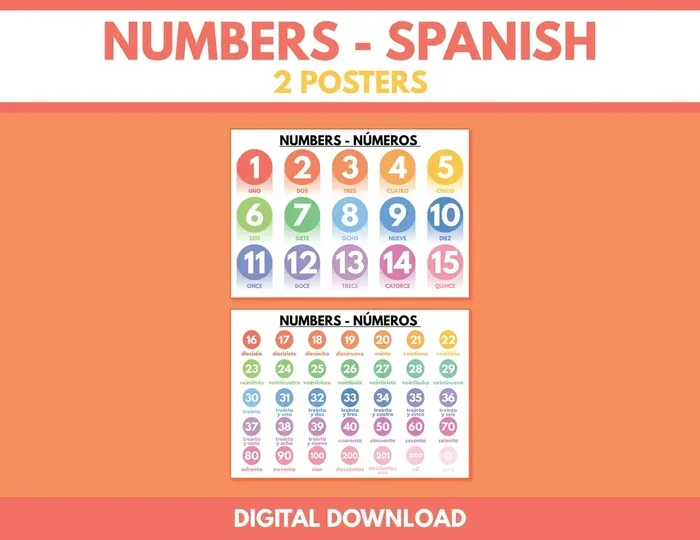
Learning how to say 1600 in Spanish is easier than you think. The number is “mil seiscientos,” and once you understand the pattern, you can say many other large numbers too. This guide breaks down pronunciation, real-life usage, and common mistakes so you can speak with confidence.
Have you ever found yourself in a situation where you needed to say how to say 1600 in spanish and completely blanked out? You are not alone. Numbers in a foreign language can feel tricky, especially when they get into the thousands. But here is the good news — saying 1600 in Spanish is surprisingly simple. The phrase is “mil seiscientos,” and once you understand how Spanish builds numbers, you will be able to say hundreds more.
Whether you are traveling to a Spanish-speaking country, chatting with friends, or just expanding your language skills, knowing how to express large numbers in Spanish is a must. This guide walks you through everything step by step. You will learn the exact words, how to pronounce them, and how to use them in real conversations. Let us get started.
Key Takeaways
- 1600 in Spanish is “mil seiscientos” — a straightforward combination of thousand and six hundred.
- Spanish number rules follow a logical pattern, making it simple to scale up once you know the basics.
- Pronunciation is key — mastering the rhythm of “mil” and “seiscientos” helps you sound natural.
- Real-world practice matters — using the number in conversations builds fluency fast.
- Avoid common errors like mixing up word order or misplacing accents.
- Learning numbers boosts overall Spanish skills — it opens doors to shopping, travel, and daily chats.
📑 Table of Contents
Understanding How to Say 1600 in Spanish
Before diving into the number itself, it helps to understand how Spanish handles large numbers. Unlike English, where we group digits in sets of three, Spanish uses the same base-10 system but builds words differently. Once you grasp the pattern, learning how to say 1600 in spanish becomes just one small step.
The number 1600 is made up of two parts: one thousand and six hundred. In Spanish, “one thousand” is “mil,” and “six hundred” is “seiscientos.” Put them together, and you get “mil seiscientos.” That is it. No extra words, no complicated rules — just two parts joined cleanly.
Why Spanish Numbers Follow a Logical Pattern
One of the best things about the Spanish numeric system is how logical it is. Once you learn the base numbers, you can combine them to build any large number. Here is a quick look at how it works:
- Mil = One thousand
- Seiscientos = Six hundred
- Mil seiscientos = One thousand six hundred (1600)
This pattern repeats for other numbers too. For example, 1700 is “mil setecientos,” and 1800 is “mil ochocientos.” See how easy that is? Understanding this pattern means you do not have to memorize every single number individually.
It is worth noting that the way Spanish handles numbers is very similar to how translation works across languages. Just like learning how to translate to english in hindi meaning requires understanding word patterns, Spanish numbers follow predictable rules too. Once you see the structure, everything clicks.
Pronouncing 1600 in Spanish Correctly
Pronunciation is where many learners struggle. But with a little practice, saying “mil seiscientos” will feel completely natural. Let us break it down syllable by syllable.
Breaking Down “Mil”
The word “mil” is pronounced like “meel.” It is a single syllable, and the “i” sounds like a long “e” in English. Keep it short and crisp. Do not add extra sounds or stretch it out.
Breaking Down “Seiscientos”
“Seiscientos” has three syllables: say-es-cien-tos. Wait — that is four syllables. Let us slow it down:
- Say — rhymes with “day”
- Es — a quick “ess” sound
- Cien — sounds like “see-en”
- Tos — ends with a soft “tos”
Put it all together, and you get “say-es-see-en-tos.” The rhythm flows smoothly. Practice saying it a few times out loud. Once the rhythm feels right, you will be able to say 1600 in Spanish without thinking twice.
Quick Tips for Better Pronunciation
- Listen to native speakers say the number on YouTube or language apps.
- Record yourself and compare your pronunciation to the original.
- Practice slowly first, then gradually speed up.
- Focus on the stress — in “seiscientos,” the stress falls on the first syllable.
Using 1600 in Real Conversations
Knowing how to say a number is one thing. Using it in a real conversation is another. Let us look at some practical situations where you might need to say 1600 in Spanish.
Talking About Money
If you are shopping in a Spanish-speaking country and see a price of 1600 pesos, you might say: “¿Cuánto cuesta? Son mil seiscientos pesos.” This translates to “How much does it cost? It is one thousand six hundred pesos.” Using the number in context helps you remember it better.
Discussing Dates and Years
Spanish speakers might also use 1600 when talking about historical dates. For example, “el año mil seiscientos” means “the year 1600.” This comes up often in history class or when visiting old landmarks in places like Spain or Latin America.
Texting and Casual Communication
In casual digital conversations, Spanish speakers sometimes use shortcuts, much like how people use abbreviations such as wyo meaning in text in English texting. While there is no standard abbreviation for 1600, knowing the full number helps you understand texts and social media posts where numbers appear in full.
Giving Directions or Addresses
Addresses in Spanish-speaking countries can include numbers in the thousands. If someone asks for your street number and it is 1600, you would say “mil seiscientos” clearly and confidently. This is a great way to practice in a real-world setting.
Common Mistakes When Saying 1600 in Spanish
Even simple numbers can trip up learners. Here are the most common mistakes people make when trying to say how to say 1600 in spanish — and how to avoid them.
Mistake 1: Adding “uno” Before “Mil”
In English, we say “one thousand.” Some learners think they should say “un mil” in Spanish. But that is wrong. In Spanish, you simply say “mil” — no “un” or “uno” needed. The word “mil” already means “one thousand” on its own.
Mistake 2: Mixing Up Word Order
In English, we say “one thousand six hundred.” In Spanish, the order is the same: “mil seiscientos.” But when the number gets more complex, word order can change. For example, 1601 is “mil seiscientos uno,” where “uno” comes after the hundreds. Always place smaller units after larger ones.
Mistake 3: Forgetting the Plural
“Seiscientos” is already plural (it means “six hundred”), so you do not need to add anything extra. Some learners try to change the ending, which is unnecessary. Keep it as “seiscientos.”
Mistake 4: Overcomplicating the Number
Here is a secret — you do not need to overthink it. 1600 is just “mil” plus “seiscientos.” There is no hidden rule or special exception. Keep it simple and move on to practicing.
Why Learning Spanish Numbers Like 1600 Matters
You might wonder why learning a specific number like 1600 matters so much. The truth is, numbers are the building blocks of daily communication. Whether you are haggling at a market, reading a bus schedule, or discussing a timeline, numbers come up constantly.
When you learn how to say 1600 in Spanish, you are not just memorizing one number. You are learning a pattern that applies to many others. The same structure works for 1500 (“mil quinientos”), 1700 (“mil setecientos”), and beyond. Once you master the pattern, expanding your numeric vocabulary becomes effortless.
Think about it this way — just as understanding the in lieu of meaning helps you find the right words when speaking, understanding how Spanish numbers work helps you find the right words when counting. Both skills give you flexibility and confidence in real conversations.
The Bigger Picture of Spanish Number Skills
Learning numbers in Spanish does more than help you count. It strengthens your overall language ability in several ways:
- Listening skills — You get better at catching numbers when native speakers talk fast.
- Speaking confidence — Using numbers out loud builds your comfort with the language.
- Reading ability — Numbers appear in menus, signs, schedules, and documents.
- Cultural understanding — Knowing how people in Spanish-speaking countries handle numbers gives you cultural insight.
Bonus: Numbers Close to 1600 You Should Know
Now that you know how to say 1600, here are a few nearby numbers that are useful to learn as well:
- 1500 — mil quinientos
- 1550 — mil quinientos cincuenta
- 1600 — mil seiscientos
- 1650 — mil seiscientos cincuenta
- 1700 — mil setecientos
See how easy that is? Each number follows the same pattern. Once you know “mil seiscientos,” you can figure out the rest on your own. This is the power of understanding the system instead of memorizing each number separately.
Practice Exercise
Try this quick exercise. Write down the Spanish words for these numbers without looking back at this article:
- 1600
- 1500
- 1700
- 1650
Check your answers. If you got them all right, you are doing great. If not, no worries — just review the patterns above and try again. Repetition is the fastest way to remember.
Final Thoughts on Saying 1600 in Spanish
So there you have it. Learning how to say 1600 in Spanish is straightforward, practical, and incredibly useful. The phrase “mil seiscientos” is easy to pronounce, simple to remember, and works in countless real-world situations.
The key is to practice regularly. Say the number out loud a few times each day. Use it in imaginary conversations. Write it down. Over time, it will stick without any extra effort. Small, consistent practice beats long cramming sessions every single time.
Remember, every number you learn brings you closer to fluency. Numbers are not just digits — they are a window into how a language works. Master them, and you will find that speaking Spanish becomes more natural and enjoyable with each passing day.
Now go ahead and try saying “mil seiscientos” out loud. Feel the rhythm, own the pronunciation, and own the number. You have got this.
Frequently Asked Questions
What is 1600 in Spanish?
The number 1600 in Spanish is “mil seiscientos.” It combines “mil” (one thousand) and “seiscientos” (six hundred) to form the complete number.
How do you pronounce “mil seiscientos”?
Pronounce it as “meel say-es-see-en-tos.” Break it into syllables at first, then practice saying it smoothly. The stress falls on the first syllable of “seiscientos.”
Is there a shortcut or abbreviation for 1600 in Spanish text speak?
There is no standard abbreviation for 1600 in Spanish texting. Unlike casual shorthand like wyo meaning in text, Spanish speakers generally write out the full number or use digits (1600) in informal messages.
Can I use “un mil” instead of “mil” for 1600?
No. In Spanish, you do not add “un” before “mil.” The word “mil” already means “one thousand” on its own. Just say “mil seiscientos” directly.
What other numbers follow the same pattern as 1600?
Numbers like 1500 (mil quinientos), 1700 (mil setecientos), and 1800 (mil ochocientos) all follow the same structure. Once you learn the pattern for 1600, you can easily apply it to other numbers in the thousands.
Why is learning Spanish numbers important for beginners?
Numbers appear in everyday situations like shopping, travel, and scheduling. They also build a strong foundation for more advanced language skills. Mastering numbers early makes the rest of your Spanish learning journey much smoother.
=== CONCLUSION ===
Learning how to say 1600 in Spanish is one of those small wins that builds big confidence. The phrase “mil seiscientos” is simple, logical, and easy to use in real conversations. By understanding the pattern behind Spanish numbers, you unlock the ability to say many more without extra effort.
Focus on pronunciation, avoid the common mistakes we covered, and practice regularly. Whether you are talking about money, dates, or addresses, you now have the tools to express 1600 in Spanish like a native speaker. Keep practicing, keep learning, and enjoy the journey of mastering the Spanish language one number at a time.