
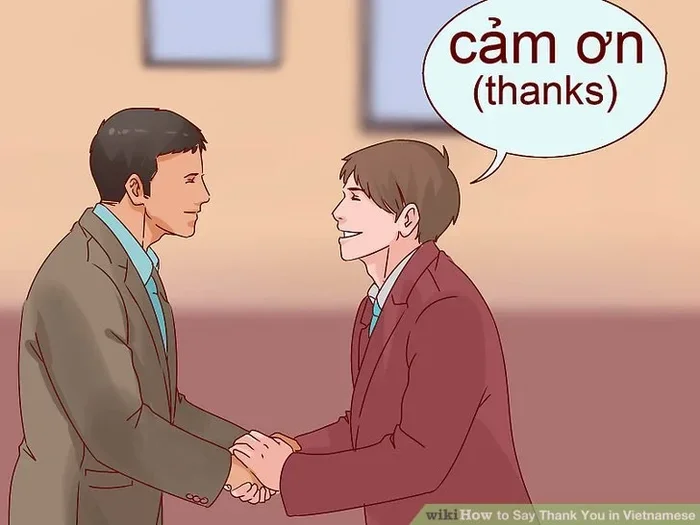
Learning how to say thank you in Vietnamese is one of the simplest yet most meaningful ways to connect with native speakers. Whether you need a formal thank you in a business setting or a casual thanks among friends, this guide covers every scenario. You will discover the correct phrases, pronunciation tricks, cultural context, and even text message shortcuts to sound natural and respectful in any situation.
Traveling to Vietnam, making Vietnamese friends, or simply curious about the language? Knowing how to say thank you in Vietnamese opens doors faster than almost any other phrase. It shows respect, warmth, and a genuine interest in the culture. Vietnamese people truly appreciate when visitors make the effort to speak even a few words of their language.
The Vietnamese language has a beautiful way of expressing gratitude. Unlike English, where “thank you” works in almost every situation, Vietnamese thank you phrases shift based on formality, age, and context. This guide walks you through every common and useful way to express thanks in Vietnamese. You will learn the correct pronunciation, cultural tips, and even how to text thank you messages to your Vietnamese friends.
By the end of this article, you will feel confident saying thank you in any situation. Whether you are ordering phở at a street market or writing a formal email to a business partner, you will have the right phrase ready. Let us dive in and explore the wonderful world of Vietnamese gratitude.
Key Takeaways
- Cảm ơn is the standard and most widely used way to say thank you in Vietnamese for everyday situations.
- Xin cảm ơn adds a layer of politeness and is ideal for formal settings or showing deep gratitude.
- Vietnamese thank you phrases change depending on the speaker’s age, gender, and relationship with the listener.
- Learning the correct pronunciation and tone is essential because Vietnamese is a tonal language.
- Responding to a thank you in Vietnamese shows cultural awareness and makes conversations smoother.
- Texting thank you in Vietnamese uses shorter, more casual forms that younger speakers prefer.
- Understanding Vietnamese cultural etiquette around gratitude helps you avoid awkward social moments.
📑 Table of Contents
- Why Learning Thank You in Vietnamese Matters
- Basic Ways to Say Thank You in Vietnamese
- How to Respond When Someone Thanks You in Vietnamese
- Vietnamese Thank You Phrases for Different Occasions
- How to Say Thank You in Vietnamese Texts and Online
- Common Mistakes to Avoid When Saying Thank You in Vietnamese
- Expert Insights on Vietnamese Gratitude Expressions
- Key Takeaways
- Conclusion
Why Learning Thank You in Vietnamese Matters
Gratitude is a universal feeling, but every culture expresses it differently. In Vietnamese culture, saying thank you carries more weight than you might expect. It reflects your upbringing, your respect for others, and your awareness of social norms. When you learn to say thank you correctly, you immediately stand out as someone who cares.
Vietnamese people are generally warm and forgiving of language mistakes. However, making the effort to use the right phrase shows that you have done your homework. This small gesture can lead to bigger smiles, better service at markets, and deeper friendships. The phrase cảm ơn (pronounced “kahm-uhn”) is the foundation of all Vietnamese gratitude expressions.
The Role of Gratitude in Vietnamese Culture
In Vietnam, respect for others is deeply rooted in daily life. Age, social status, and relationships all influence how people communicate. Saying thank you is not just a polite formality. It is a reflection of the Confucian values that shape Vietnamese society. Showing gratitude properly means acknowledging the other person’s effort or kindness.
When you visit Vietnam, you will hear thank you expressions everywhere. From shops and restaurants to family homes, the right phrase fits the right moment. Understanding this cultural layer makes learning Vietnamese thank you phrases even more rewarding.
Basic Ways to Say Thank You in Vietnamese
Let us start with the essentials. These are the phrases you will use most often in daily life. Each one has its own flavor and best-use scenario.
Cảm ơn — The Standard Thank You
Cảm ơn is the go-to phrase for almost any situation. It works with friends, strangers, shopkeepers, and coworkers. This phrase is simple, versatile, and universally understood across Vietnam.
Here is how to use it in everyday sentences:
- Cảm ơn bạn. — Thank you, friend.
- Cảm ơn nhân viên. — Thank you, staff member.
- Cảm ơn rất nhiều. — Thank you very much.
The phrase cảm ơn is gender-neutral and appropriate for most age groups. It is the first phrase every learner should memorize. Think of it as the Vietnamese equivalent of a friendly and reliable “thank you.”
Xin Cảm ơn — The Polite and Formal Version
When you want to add extra politeness, use xin cảm ơn. The word “xin” means “please” or “I humbly ask.” Adding it before cảm ơn makes the expression more formal and respectful.
This version is perfect for:
- Business meetings and professional settings
- Thanking someone who is older or in a position of authority
- Formal events or ceremonies
- Writing thank you letters or emails in Vietnamese
For example, you might say Xin cảm ơn quý khách to thank a valued customer. The extra layer of politeness shows that you understand Vietnamese social hierarchy and are making an effort to speak respectfully.
Thank You Very Much — Cảm ơn Rất Nhiều
Sometimes a simple thank you is not enough. When someone goes above and beyond, you need a stronger expression. Cảm ơn rất nhiều translates to “thank you very much” and carries genuine warmth.
You can also shorten it to cảm ơn nhiều in casual settings. Both versions work well and will make the other person feel truly appreciated.
How to Respond When Someone Thanks You in Vietnamese
Knowing how to say thank you is only half the equation. Responding gracefully when someone thanks you is equally important. Vietnamese has several natural responses that keep conversations flowing smoothly.
Không Có Chi — You Are Welcome
The most common response to thank you in Vietnamese is không có chi (pronounced “kohng kah chee”). It literally means “it is nothing” and is the equivalent of “you are welcome” or “do not mention it.”
Use this phrase when someone thanks you for a small favor, a compliment, or a kind gesture. It is warm, humble, and perfectly natural in almost every context.
Không Sao — No Problem
For a more casual and relaxed response, try không sao. This phrase means “no problem” or “it is fine.” Younger Vietnamese speakers use this one frequently in text messages and everyday conversations.
It is a great option when a friend thanks you for something minor. It keeps the tone light and friendly.
Chúc Bạn Vui Vẻ — Have a Nice Day
If you want to go the extra mile, respond with chúc bạn vui vẻ, which means “have a nice day.” This response turns a simple thank you exchange into a moment of genuine connection. It shows that you care about the other person’s well-being.
| Situation | Thank You Phrase | Response |
|---|---|---|
| Casual with friends | Cảm ơn | Không có chi |
| Formal or professional | Xin cảm ơn | Không có chi |
| Deep gratitude | Cảm ơn rất nhiều | Chúc bạn vui vẻ |
| Casual text message | Cảm ơn nhiều | Không sao |
| Thanking an elder | Xin cảm ơn | Không có chi, bác |
Vietnamese Thank You Phrases for Different Occasions
Not every thank you situation is the same. Vietnamese has specific phrases for different contexts, and knowing them helps you sound more natural and culturally aware.
Thank You for a Gift
When someone gives you a gift in Vietnam, the way you express gratitude matters. Use cảm ơn bạn đã tặng quà (thank you for the gift). Vietnamese people often give gifts with both hands, and receiving them with a warm thank you shows good manners.
You can also say bạn thật là tử tế, which means “you are so kind.” This adds a personal touch that Vietnamese people love.
Thank You for Hospitality
If you are invited to someone’s home, expressing gratitude for their hospitality is essential. Say cảm ơn bạn đã chiếu đãi to thank someone for their generosity and hosting. This phrase acknowledges the effort the host put into making you feel welcome.
Vietnamese hospitality is legendary. Guests are treated with incredible warmth and generosity. Matching that energy with a heartfelt thank you strengthens the bond between host and guest.
Thank You in a Business Setting
Professional environments in Vietnam require a more formal tone. Use xin cảm ơn and avoid overly casual language. If you are writing an email, you might include a phrase like xin gửi lời cảm ơn chân thành, which means “sincere thanks.”
Business culture in Vietnam values respect and politeness. Taking the time to thank your colleagues, clients, or partners properly builds trust and long-term relationships.
How to Say Thank You in Vietnamese Texts and Online
Texting has changed the way people communicate, and Vietnamese is no exception. When you are chatting with friends on WhatsApp, Facebook Messenger, or Zalo, you do not need to use full phrases. Shorter, more casual forms are perfectly acceptable.
Here are the most common ways to text thank you in Vietnamese:
- CMN — Short for cảm ơn, this is the most popular text abbreviation.
- CMN nhiều — Thank you very much in text.
- Tks — A direct borrowing from English “thanks.”
- Cảm ơn nha — A friendly and warm text thank you.
Younger Vietnamese speakers often mix Vietnamese and English in their messages. Using “tks” alongside Vietnamese phrases is completely normal and widely understood. When you are unsure which form to use, CMN is always a safe and natural choice.
Many people also use translate to English in Hindi meaning tools and similar translation apps to learn Vietnamese phrases quickly. These tools can help you double-check your phrasing before sending a message, though nothing replaces learning the phrases yourself.
If you want to sound extra casual and fun, you can add emojis or even a playful miss you pun to your thank you text. This is especially common among close friends and shows a warm, personal touch.
Quick Tips for Texting Thank You in Vietnamese
- Keep it short and casual with friends.
- Use CMN for the most natural text feel.
- Add “nha” at the end for a friendly tone.
- Avoid formal phrases like “xin cảm ơn” in casual chats.
- Match the tone of the conversation your friend is using.
Common Mistakes to Avoid When Saying Thank You in Vietnamese
Even with good intentions, learners sometimes make mistakes that can cause confusion or awkwardness. Here are the most common errors and how to avoid them.
Using the Wrong Tone
Vietnamese is a tonal language, which means the pitch of your voice changes the meaning of words. Saying cảm ơn with the wrong tone could accidentally say something completely different. The word “cảm” uses a rising tone, and “ơn” uses a level mid-tone. Practice these tones slowly until they feel natural.
Being Too Formal with Close Friends
Using xin cảm ơn with a close friend can feel stiff and unnatural. Save the formal phrases for elders, bosses, and professional settings. With friends, stick to cảm ơn or even the casual text abbreviation CMN.
Forgetting to Respond to Thanks
In Vietnamese culture, when someone thanks you, it is polite to respond. Simply saying nothing can feel awkward. Always reply with không có chi or a similar response. This small habit shows good manners and cultural awareness.
Overusing Foreign Words
While “thanks” and “thank you” are widely understood in Vietnam, overusing English phrases can make you seem lazy or disrespectful. Make the effort to use Vietnamese phrases, even if your pronunciation is not perfect. Vietnamese people will genuinely appreciate the attempt.
Ignoring Age and Social Hierarchy
Vietnamese society places great importance on age and social rank. When thanking someone older, use more respectful language. When thanking someone your own age, casual is perfectly fine. Paying attention to these social cues shows that you understand and respect Vietnamese culture.
Expert Insights on Vietnamese Gratitude Expressions
Learning a language is about more than memorizing words. It is about understanding the people and culture behind them. Vietnamese gratitude expressions carry layers of meaning that go beyond their literal translations.
Language experts often emphasize that the way you say thank you in Vietnamese reflects your relationship with the speaker. A shopkeeper, a teacher, a parent, and a close friend all deserve different levels of formality. Paying attention to these nuances is what separates a good language learner from a great one.
One useful tip from Vietnamese language teachers is to listen carefully to how native speakers thank each other in different settings. Pay attention to the tone, the words they choose, and the context. This passive learning method helps you internalize the natural flow of Vietnamese gratitude expressions.
Another expert recommendation is to practice saying thank you out loud every day. Repetition builds muscle memory, and over time, the correct pronunciation and tone will become second nature. Even five minutes of daily practice can lead to significant improvement.
If you are exploring other languages and want to compare gratitude expressions, you might find it helpful to explore how different languages handle common phrases. For instance, understanding the in lieu of meaning in various languages can give you deeper insight into how cultures express alternatives and gratitude in unique ways.
Key Takeaways
- Cảm ơn is the standard and most widely used way to say thank you in Vietnamese for everyday situations.
- Xin cảm ơn adds a layer of politeness and is ideal for formal settings or showing deep gratitude.
- Vietnamese thank you phrases change depending on the speaker’s age, gender, and relationship with the listener.
- Learning the correct pronunciation and tone is essential because Vietnamese is a tonal language.
- Responding to a thank you in Vietnamese shows cultural awareness and makes conversations smoother.
- Texting thank you in Vietnamese uses shorter, more casual forms that younger speakers prefer.
- Understanding Vietnamese cultural etiquette around gratitude helps you avoid awkward social moments.
Conclusion
Mastering how to say thank you in Vietnamese is a small investment that pays off in big ways. Whether you are traveling through Hanoi, working with Vietnamese colleagues, or building friendships with Vietnamese speakers, the right thank you phrase makes every interaction better. Start with cảm ơn, practice the pronunciation, and gradually add more formal and casual variations to your repertoire.
Remember that Vietnamese people value sincerity over perfection. Your effort to speak their language, even imperfectly, will always be noticed and appreciated. Use the phrases from this guide, keep practicing, and soon expressing gratitude in Vietnamese will feel as natural as it does in your own language.
Thank you for reading, and cảm ơn bạn for taking the time to learn something new. Your journey into Vietnamese language and culture starts with a simple but powerful two words: cảm ơn.
Frequently Asked Questions
What is the most common way to say thank you in Vietnamese?
The most common way is cảm ơn (pronounced “kahm-uhn”). It works in almost every situation, from casual conversations with friends to polite exchanges with strangers. It is the first phrase every Vietnamese learner should know.
Is Vietnamese a tonal language, and does it affect how I say thank you?
Yes, Vietnamese is a tonal language with six tones. The tone you use changes the meaning of words. For cảm ơn, use a rising tone on “cảm” and a level mid-tone on “ơn.” Getting the tones right ensures you say thank you correctly and avoid unintended meanings.
Can I just say “thank you” in English when visiting Vietnam?
While many Vietnamese people understand English, especially in cities and tourist areas, using Vietnamese thank you phrases shows respect and effort. Locals truly appreciate it when visitors try to speak even a few words of Vietnamese. It can improve your interactions and make your trip more meaningful.
What is the difference between cảm ơn and xin cảm ơn?
Cảm ơn is casual and suitable for everyday use with friends and peers. Xin cảm ơn adds the word “xin,” which makes it more formal and respectful. Use xin cảm ơn in professional settings, when speaking to elders, or when you want to express extra politeness.
How do Vietnamese people text thank you to their friends?
Younger Vietnamese speakers commonly use abbreviations like CMN (short for cảm ơn) or even borrow the English word “tks” for thanks. Adding “nha” at the end makes the message feel warm and friendly. Keep it short, casual, and natural.
What should I say when someone thanks me in Vietnamese?
The standard response is không có chi, which means “you are welcome” or “it is nothing.” For casual settings, không sao (no problem) works perfectly. Always respond to a thank you to keep the conversation respectful and flowing smoothly.