
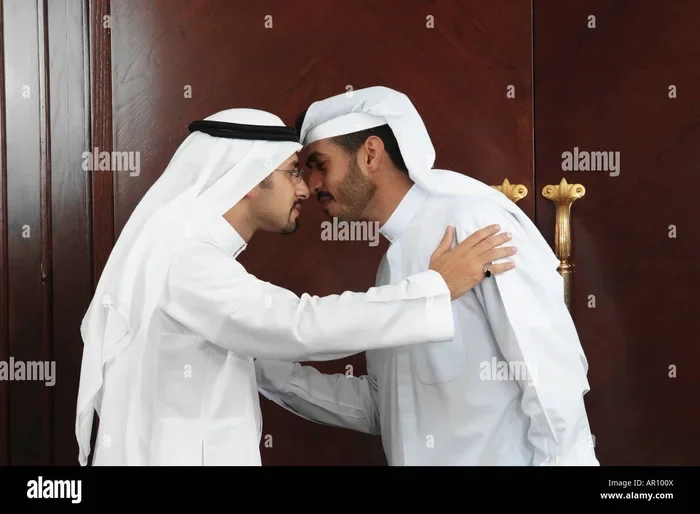
Learning how to say hi in Arabic is simpler than you think. Whether you are traveling to the Middle East or connecting with Arabic-speaking friends, mastering basic greetings opens doors. This guide covers the most common Arabic hellos, pronunciation tips, and cultural context so you can greet people with confidence and make a great first impression.
Have you ever wanted to how to say hi in Arabic but felt unsure where to start? Maybe you are planning a trip to the Middle East, or perhaps you have Arabic-speaking friends and want to impress them with a warm greeting. Either way, you are in the right place. Arabic greetings are rich, beautiful, and full of cultural meaning. They do more than just say hello. They show respect, warmth, and goodwill.
In this guide, we will walk you through every common way to say hi in Arabic. You will learn the standard phrases, the formal versions, the casual text greetings, and even some pronunciation tips that will make you sound like a local. By the end, you will feel confident greeting anyone in Arabic. Let us dive in!
Key Takeaways
- Marhaba is the most universal way to say hi in Arabic and works in almost any situation.
- As-salamu alaykum is the traditional Islamic greeting that carries deep cultural meaning and respect.
- Formal and informal greetings differ significantly in Arabic, so context matters a lot.
- Pronunciation is key to sounding natural when you say hello in Arabic.
- Cultural gestures like handshakes and smiles play a big role in Arabic greetings.
- Texting greetings in Arabic are evolving, with new casual phrases emerging among younger speakers.
- Learning a few extra Arabic phrases beyond just hi will boost your confidence and connections.
📑 Table of Contents
- Why Learning How to Say Hi in Arabic Matters
- The Most Common Ways to Say Hi in Arabic
- Formal vs. Informal Arabic Greetings
- Texting and Modern Greetings in Arabic
- Pronunciation Tips for Arabic Greetings
- Cultural Tips for Greeting in Arabic
- Common Mistakes to Avoid When Greeting in Arabic
- How Arabic Greetings Compare to Other Languages
- Putting It All Together: A Practical Greeting Guide
- Final Thoughts on How to Say Hi in Arabic
Why Learning How to Say Hi in Arabic Matters
First impressions matter everywhere in the world. But in Arabic-speaking cultures, greetings carry extra weight. A proper hello shows that you respect the person and their traditions. When you take the time to learn how to say hi in Arabic, you signal that you care about their language and culture.
Here is why it matters so much:
- Builds trust quickly. A warm greeting in someone’s native language instantly creates a connection.
- Shows cultural respect. Arabic speakers appreciate when visitors make the effort to greet them properly.
- Opens doors for deeper conversation. A good greeting often leads to a longer, more meaningful exchange.
- Breaks down barriers. Language is the first bridge between different cultures.
Think about it this way. When someone greets you in your own language, how does it feel? It feels good. It makes you want to keep talking. The same thing happens when you greet an Arabic speaker in their language. The how to say hi in Arabic journey is really about building human connections.
The Most Common Ways to Say Hi in Arabic
Now let us get to the fun part. There are several ways to say hi in Arabic, and each one has its own vibe and use case. Let us break them down one by one.
Marhaba — The Universal Hello
Marhaba (مرحبا) is the most widely used greeting in the Arabic language. It works in almost every Arabic-speaking country, from Morocco to Iraq. The word comes from the root word “rahaba,” which means to welcome. So when you say Marhaba, you are essentially saying “welcome” or “hello.”
Here is how to use it:
- Situation: Casual and formal settings alike.
- Pronunciation: mar-HA-ba (the “h” is soft, like in “hello”).
- Best for: First-time greetings, meeting new people, or starting any conversation.
Marhaba is your safe bet. If you only learn one greeting, make it this one. It is simple, friendly, and universally understood. When people ask you how to say hi in Arabic, Marhaba should always be your first answer.
As-salamu alaykum — The Traditional Greeting
As-salamu alaykum (السلام عليكم) is the traditional Islamic greeting that means “peace be upon you.” It is deeply rooted in Arabic culture and is used by Muslims around the world, not just in Arabic-speaking countries. This greeting carries a lot of warmth and spiritual meaning.
Here is what you need to know:
- Situation: Formal, religious, and everyday settings.
- Pronunciation: as-sa-LA-mu a-LAY-kum.
- Response: The proper reply is “Wa alaykum as-salam” (وعليكم السلام), meaning “and peace be upon you too.”
This greeting is powerful. When you use As-salamu alaykum, you are connecting to a tradition that is over 1,400 years old. Many Arabic speakers will light up when you greet them with this phrase. It shows that you understand their heritage and values.
Ahlan — The Warm Welcome
Ahlan (أهل) means “family” or “welcome.” It is a warm, casual greeting that feels like saying “you are like family to me.” You will hear this a lot in everyday conversations across the Arab world.
Use Ahlan when:
- You are greeting friends or people you have just met casually.
- You want to sound friendly and approachable.
- You are entering a home or a social gathering.
The pronunciation is simple: AH-lan. It rolls off the tongue easily, and people love the warmth behind it. Ahlan is one of the most heartwarming ways to say hello in Arabic.
Formal vs. Informal Arabic Greetings
Just like in English, Arabic has different levels of formality. Knowing when to use each one is important. Using a casual greeting in a formal setting can feel disrespectful, while using a formal greeting with close friends can feel stiff.
Formal Greetings
Formal greetings are for professional settings, older people, strangers, and official occasions. Here are the key ones:
- As-salamu alaykum — The gold standard for formal greetings.
- Marhaba — Works formally too, especially in business settings.
- Sabah al-khayr (صباح الخير) — Good morning. Use this before noon.
- Masa al-khayr (مساء الخير) — Good evening. Use this after noon.
In formal situations, always wait for the other person to initiate a less formal greeting before switching. Respect for hierarchy and age is deeply important in Arabic culture.
Informal Greetings
Informal greetings are for friends, peers, and casual settings. These are the phrases you will use most in everyday life:
- Marhaba — Also works informally.
- Ahlan — Perfect for casual, warm greetings.
- Hala (هلا) — A very casual, almost slang greeting popular in the Gulf region.
- Salam (سلام) — A shortened, friendly version of As-salamu alaykum.
The key difference is tone and context. Informal greetings are shorter, warmer, and often paired with a smile or a handshake. When you are learning how to say hi in Arabic, understanding this formality spectrum is essential.
Texting and Modern Greetings in Arabic
Greeting someone has changed a lot with the rise of texting and social media. Arabic speakers are no different. Younger generations have developed their own casual digital greetings that blend Arabic with modern texting culture.
Here are some common text greetings you might encounter:
- Hlo — A direct transliteration of “hello” used in casual texting.
- 3aleekum — A shortened version of As-salamu alaykum for text messages.
- Mar7aba — Written in Arabizi (Arabic using English letters) for informal digital communication.
It is worth noting that texting greetings in English also have their own meanings and evolution. For example, if you come across abbreviations like WYO meaning in text, you will find that modern greetings often shorten phrases for speed and convenience. The same trend exists in Arabic digital communication. People want quick, friendly ways to start a conversation on WhatsApp or Snapchat.
When greeting someone in a text, keep it simple. A quick Marhaba or Hala is perfect. You do not need to overthink it. The goal is to be friendly and approachable, just as you would in person.
Pronunciation Tips for Arabic Greetings
Pronunciation can make or break your greeting. Arabic has some sounds that do not exist in English, so getting them right takes a little practice. But do not worry — most greetings are still easy to pronounce even with a slight accent.
The Arabic “H” Sound
The letter “H” in Arabic (ح) is a deep throat sound. It is not like the English “h” in “hello.” Think of it as a breathy sound from deep in your throat. Practice saying “Marhaba” with this deeper H, and you will sound much more natural.
The Arabic “Kh” Sound
The “kh” (خ) sound is like the Scottish “loch” or the German “Bach.” It is a throaty, airy sound. You will hear this in words like “Masa al-khayr.” Do not worry if you cannot perfect it right away. Most Arabic speakers will still understand you perfectly.
The Arabic “Aa” Sound
Many Arabic words have a deep “aa” sound (ع). It comes from the back of the throat. Words like “As-salamu” have this sound. Practice saying “Aa-salaamu” with a throaty tone, and you will be on the right track.
Quick tip: Listen to native speakers on YouTube or language apps. Hearing the sounds in context helps more than any explanation. Repeat out loud, and do not be afraid to make mistakes. Every Arabic speaker was once a beginner learning how to say hi in Arabic.
Cultural Tips for Greeting in Arabic
Knowing the words is only half the battle. Understanding the cultural context behind Arabic greetings will make your interactions much more meaningful. Here are some essential cultural tips.
Greetings Are Not Rushed
In Arabic culture, greetings are an art form. People often exchange several pleasantries before getting to the point of a conversation. You might ask about someone’s health, their family, or their day. Do not rush through this. The greeting itself is the point. Skipping it can feel cold or disrespectful.
Physical Gestures Matter
Handshakes are common in formal settings, especially between men. In more casual or same-gender settings, cheek kisses (usually two or three) are common in many Arab countries. Always wait for the other person to initiate physical contact. When in doubt, a warm smile and a slight nod go a long way.
Use the Right Hand
In Arabic culture, the right hand is used for greeting, eating, and giving. Always offer your hand or give something with your right hand. Using the left hand for greetings is considered impolite in many Arabic-speaking communities.
Gender Considerations
In some more conservative Arabic-speaking communities, men and women who are not related may not shake hands or have physical contact. Pay attention to the other person’s cues. If they extend their hand, it is fine to shake it. If they do not, a verbal greeting with a smile is perfect.
Repeat the Greeting
In many Arab cultures, repeating a greeting shows sincerity. If someone says “As-salamu alaykum,” repeating it back with warmth creates a positive loop. This small gesture can leave a lasting impression and show that you genuinely care about the interaction.
Common Mistakes to Avoid When Greeting in Arabic
Even with the best intentions, beginners make mistakes. Here are some common ones to watch out for:
- Using the wrong level of formality. Calling a stranger “Ahlan” in a business meeting can feel too casual. Save it for friends.
- Mispronouncing As-salamu alaykum. A small mispronunciation can change the meaning. Take your time and practice.
- Skipping the response. If someone greets you, always respond. Even a simple “Wa alaykum as-salam” is enough.
- Using English greetings instead. Switching to English mid-greeting can feel dismissive. Stick with the Arabic phrase when possible.
- Ignoring the cultural context. A greeting is never just words. It is a gesture of respect and connection.
Avoiding these mistakes will help you greet people confidently and respectfully. When you get it right, people notice. And they appreciate it deeply.
How Arabic Greetings Compare to Other Languages
Every language has its own way of greeting people. Arabic greetings are unique because they often carry religious, cultural, and spiritual meanings. Let us look at a quick comparison.
| Language | Greeting | Literal Meaning | Cultural Note |
|---|---|---|---|
| Arabic (Formal) | As-salamu alaykum | Peace be upon you | Islamic tradition, used widely |
| Arabic (Casual) | Marhaba | Welcome | Universal, works everywhere |
| English | Hello | No specific meaning | Neutral, used globally |
| Spanish | Hola | No specific meaning | Casual and formal |
| French | Bonjour | Good day | Formal, time-specific |
| Hindi | Namaste | I bow to you | Respectful, spiritual |
As you can see, Arabic greetings are rich in meaning. Unlike a simple “hello,” phrases like As-salamu alaykum and Ahlan carry deep cultural weight. If you are curious about how greetings translate across languages, you might find it interesting to explore how phrases like translate to English in Hindi meaning work across different language pairs. Understanding translation helps you appreciate the depth of each culture’s greetings.
Putting It All Together: A Practical Greeting Guide
Let us put everything into practice. Here is a quick guide for different situations.
Meeting someone for the first time:
- Smile and make eye contact.
- Say “Marhaba” or “As-salamu alaykum.”
- Wait for their response.
- Add a simple “How are you?” — in Arabic, this is “Kayf halak?” (for men) or “Kayf halik?” (for women).
Greeting a friend casually:
- Smile and wave.
- Say “Ahlan” or “Hala.”
- Keep it light and warm.
- Follow up with “Long time no see” — in Arabic, “Mat tsawwafna” (متتوفّقنا).
Sending a text greeting:
- Keep it short and friendly.
- Use “Marhaba” or “3aleekum.”
- Add an emoji if it feels natural.
- Match the tone of the conversation.
These simple steps will help you navigate any greeting situation with confidence. The more you practice, the more natural it will feel. Remember, the goal is connection, not perfection.
Final Thoughts on How to Say Hi in Arabic
Learning how to say hi in Arabic is more than just memorizing a few words. It is about understanding a culture that values warmth, respect, and genuine human connection. Every greeting you learn is a small bridge to a deeper relationship with Arabic speakers around the world.
Start with Marhaba. Practice As-salamu alaykum. Try Ahlan with a smile. Soon, these phrases will feel natural to you. And when you use them, you will see the difference it makes. People will light up. Conversations will flow. Connections will grow.
The journey of learning a new language starts with a single greeting. Make it a great one. Impress everyone around you by showing that you care enough to say hi in their language. You will be glad you did.
As you continue your Arabic learning journey, remember that every phrase you learn adds another layer of understanding. Whether you are exploring formal greetings, casual text messages, or deep cultural traditions, each step brings you closer to fluency and genuine connection. If you ever wonder about how other phrases work across languages, exploring concepts like in lieu of meaning can help you understand how different cultures express similar ideas in unique ways. Language is a beautiful tapestry, and every thread — from the simplest “hi” to the most complex expression — adds to its richness.
So go ahead. Say Marhaba today. Say As-salamu alaykum tomorrow. And watch as the world opens up to you, one greeting at a time. You have got this!
Frequently Asked Questions
What is the easiest way to say hi in Arabic for beginners?
The easiest way is to say Marhaba (مرحبا). It is simple to pronounce, works in every Arabic-speaking country, and is appropriate for both casual and formal situations. If you only learn one greeting, make it Marhaba.
Is it okay to say “hello” in English to Arabic speakers?
While many Arabic speakers understand English, making the effort to greet them in Arabic shows respect and cultural awareness. Even a simple “Marhaba” can make a big difference in how you are perceived and received.
What is the difference between Marhaba and As-salamu alaykum?
Marhaba is a general, universal hello that works in any context. As-salamu alaykum is a traditional Islamic greeting that means “peace be upon you” and carries deeper cultural and spiritual significance. Use Marhaba for everyday use and As-salamu alaykum when you want to show extra respect.
Do Arabic greetings differ between countries?
Yes, there are regional variations. For example, “Hala” is very common in the Gulf states, while “Marhaba” is understood everywhere. The core greetings like Marhaba and As-salamu alaykum remain consistent across most Arabic-speaking regions.
Can I use Arabic greetings in text messages?
Absolutely. Short greetings like “Marhaba,” “Hala,” or even “3aleekum” work perfectly in text messages. They are casual, friendly, and show that you are making an effort to connect in the person’s language.
How do I respond when someone says “As-salamu alaykum” to me?
The proper response is “Wa alaykum as-salam” (وعليكم السلام), which means “and peace be upon you too.” This is the standard and respectful reply that shows you understand the greeting’s meaning and tradition.
=== CONCLUSION ===
Mastering how to say hi in Arabic is one of the most rewarding steps in learning any new language. From Marhaba to As-salamu alaykum, each greeting carries its own beauty and meaning. You now have the tools to greet anyone in Arabic with confidence and warmth. Practice these phrases, respect the cultural context, and enjoy the connections that come from speaking even a few words in someone else’s language. The world is bigger when you greet it with open hands and an open heart.