
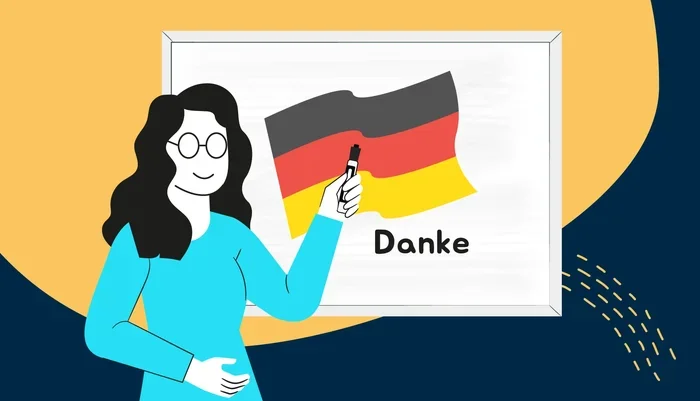
Learning how to say thank you in German is simpler than you think. This guide covers everything from basic phrases like danke schön to formal and informal ways to express gratitude. You will also discover creative ways to show appreciation and avoid common mistakes that learners make.
Have you ever found yourself in Germany, or maybe chatting with a German friend, and suddenly needed to say thank you? It happens to the best of us. Whether you are traveling, studying, or simply connecting with German speakers, knowing how to say thank you in German is a skill that opens doors. It shows respect, builds connections, and makes conversations flow more smoothly. This guide will walk you through every way to say thank you in German, from the simplest basics to the most heartfelt expressions.
German is a beautiful language with a rich tradition of politeness. The way Germans say thank you can vary based on the situation, the person you are talking to, and even the region you are in. But do not worry. By the end of this article, you will feel confident using German thank you phrases in any setting. Let us dive in and explore the wonderful world of German gratitude.
Key Takeaways
- Danke and danke schön are the most common ways to say thank you in German.
- German has different levels of formality, so choosing the right thank you phrase matters.
- There are many creative and heartfelt ways to express gratitude beyond the basics.
- Understanding German culture helps you use thank you phrases more naturally and appropriately.
- Practicing with real-life examples makes it easier to remember and use German gratitude expressions.
- Avoiding common mistakes like using the wrong form of address will make your German sound more authentic.
📑 Table of Contents
- Why Learning to Say Thank You in German Matters
- The Basic Ways to Say Thank You in German
- Formal vs. Informal: Choosing the Right Thank You
- Creative and Heartfelt Ways to Express Gratitude
- Common Mistakes to Avoid When Saying Thank You in German
- Quick Tips for Practicing German Thank You Phrases
- Conclusion
Why Learning to Say Thank You in German Matters
Thank you is one of the first phrases we learn in any new language. But in German, it carries more weight than you might expect. Germans value politeness and directness in equal measure. Saying thank you the right way shows that you understand German social norms and respect the people around you.
When you use the correct German gratitude expressions, people notice. It makes them feel appreciated and respected. This small effort can lead to deeper friendships, better service when traveling, and a more enjoyable experience overall. Plus, it is just a nice thing to do. Kindness translates across every language.
Building Trust Through Simple Gestures
A simple danke can break the ice faster than any long conversation. When someone helps you carry groceries or holds a door open, saying thank you in their language shows effort. That effort builds trust. It tells the other person that you care enough to learn their culture.
Even if your pronunciation is not perfect, Germans will appreciate the attempt. They understand that learning a new language takes time and dedication. So do not be afraid to practice. Every thank you you say brings you one step closer to fluency and cultural understanding.
The Basic Ways to Say Thank You in German
Let us start with the essentials. These are the phrases you will hear and use every day. They are simple, versatile, and perfect for beginners. Once you master these, you will be ready to move on to more advanced expressions.
Danke — The Universal Thank You
Danke is the most basic and widely used way to say thank you in German. It works in almost every situation, from casual chats to slightly formal settings. Think of it as the German equivalent of “thank you” in English. It is short, sweet, and easy to remember.
You can use danke when someone hands you something, gives you directions, or compliments you. It fits naturally into everyday conversational German. Here are a few examples of how to use it:
- Danke für die Hilfe. (Thank you for the help.)
- Danke, das ist sehr nett. (Thank you, that is very kind.)
- Danke, ich schätze das. (Thank you, I appreciate that.)
Danke Schön — A Polite Step Up
Danke schön adds a touch of extra politeness. The word schön means “beautiful” or “kind,” so danke schön literally translates to “thank you kindly.” This is the go-to phrase for polite German thank you in most situations.
Use danke schön when someone goes out of their way to help you. It shows a higher level of appreciation than a simple danke. You might say it after a nice dinner, after receiving a gift, or when someone spends extra time assisting you.
Vielen Dank — For Bigger Moments
Vielen Dank means “thank you very much.” It is perfect for moments when you want to express deeper gratitude. Use it when someone does something truly generous or meaningful for you. This phrase carries more weight than danke or danke schön.
Here are some situations where vielen Dank fits perfectly:
- When someone gives you a thoughtful gift.
- When a colleague helps you finish a big project.
- When a stranger goes out of their way to help you find something.
Formal vs. Informal: Choosing the Right Thank You
One of the most important things to understand about German is the difference between formal and informal speech. This affects how you say thank you too. Choosing the wrong level of formality can feel awkward, so let us break it down clearly.
Formal Thank You Phrases
In formal situations, Germans use Sie as the polite form of “you.” When speaking to strangers, older people, or in professional settings, you should use formal thank you expressions. Here are the top choices:
- Vielen Dank — Thank you very much.
- Herzlichen Dank — Heartfelt thanks.
- Tausend Dank — A thousand thanks.
- Ich danke Ihnen von Herzen — I thank you from the bottom of my heart.
These phrases work well in business meetings, formal emails, and when addressing people you do not know well. They show respect and professionalism. If you are ever unsure which level to use, it is always safer to go formal.
Informal Thank You Phrases
When talking to friends, family, or people your age, you switch to informal speech using du. The thank you phrases become warmer and more relaxed:
- Danke — Simple and casual.
- Danke schön — Still polite but friendly.
- Danke dir — Thank you (informal, directed at one person).
- Tausend Dank — Works in both formal and informal settings.
Using danke dir with a close friend feels natural and warm. It shows that your relationship is comfortable and personal. On the other hand, using danke with a boss or a stranger might feel too casual. Always consider who you are talking to before choosing your phrase.
A Quick Comparison Table
| Situation | Formality Level | Best Phrase to Use |
|---|---|---|
| Talking to a stranger | Formal | Vielen Dank or Danke schön |
| Talking to a friend | Informal | Danke or Danke dir |
| Receiving a big favor | Formal or Informal | Herzlichen Dank or Vielen Dank |
| Writing a professional email | Formal | Ich danke Ihnen von Herzen |
| Texting a buddy | Informal | Danke schön or Tausend Dank |
Creative and Heartfelt Ways to Express Gratitude
Sometimes a basic thank you is not enough. Maybe you want to express deeper gratitude or add a personal touch. German has many creative ways to say thank you that go beyond the basics. Let us explore some of these options.
Using Phrases That Show Deep Appreciation
If you want to sound really sincere, try these phrases:
- Das ist wirklich nett von dir. — That is really kind of you.
- Ich bin dir sehr dankbar. — I am very grateful to you.
- Du bist ein Schatz. — You are a treasure. (Very informal and warm.)
- Das bedeutet mir viel. — This means a lot to me.
These phrases work well when someone has done something meaningful for you. They show that you are not just saying thank you out of habit but that you truly feel grateful. Using das bedeutet mir viel can make someone’s day. It tells them their effort was noticed and valued.
Adding Thank You to Messages and Texts
In today’s world, a lot of communication happens through text messages and social media. When you are texting a friend and want to say thank you, you can keep it short and sweet. Use danke or danke schön just like you would in person.
If you are sending a longer message, you might write something like vielen Dank für alles (thank you for everything). Some people even like to pair their thank you message with fun elements, like sending miss you puns along with a thank you note to a close friend. This adds a personal and playful touch that German speakers in informal settings really enjoy.
When texting, you might also come across abbreviations or slang. For example, if someone texts you something and you are not sure what it means, you can look up terms like WYO meaning in text to better understand the conversation before responding with your thank you message. Understanding the full context helps you reply appropriately.
Thank You in Different German Regions
Did you know that German thank you phrases can vary by region? In some parts of Germany, Austria, and Switzerland, people use unique expressions that reflect local culture. For example, in Bavaria, you might hear a warmer, more melodic way of expressing thanks. In Switzerland, the German dialect adds its own charm to everyday phrases.
Exploring these regional differences is a fun part of learning the language. It also shows respect for the diversity within the German-speaking world. If you travel to different regions, you will notice these variations firsthand, and it can be a great conversation starter.
Common Mistakes to Avoid When Saying Thank You in German
Even the best learners make mistakes. The good news is that most of these mistakes are easy to avoid once you know what they are. Let us look at the most common pitfalls.
Mixing Up Formal and Informal
The biggest mistake learners make is using the wrong form of address. Saying danke dir to your boss or danke Ihnen to your best friend can feel off. Always match your thank you phrase to the level of formality in the conversation.
If you are unsure, it is better to default to formal. Germans appreciate politeness, and they will not mind if you use a slightly more formal expression. Over time, as you get to know people better, you can naturally shift to informal language.
Overusing the Same Phrase
Another mistake is using the same thank you phrase over and over again. While danke is perfectly fine, mixing it up makes your German sound more natural and fluent. Try using different phrases depending on the situation. Use vielen Dank for bigger gestures, danke schön for everyday kindness, and heartfelt phrases for special moments.
Forgetting to Say Thank You at All
This might sound obvious, but some learners get so caught up in forming perfect sentences that they forget the basics. Always remember to say thank you, even if it is just a simple danke. The effort matters more than perfection. Germans will always appreciate someone who takes the time to express gratitude in their language.
Quick Tips for Practicing German Thank You Phrases
Learning is one thing. Practicing is another. Here are some quick tips to help you remember and use German thank you phrases with confidence.
- Practice daily. Say danke and danke schön out loud every morning. Repetition builds muscle memory.
- Use flashcards. Write each phrase on one side and the English meaning on the other. Quiz yourself regularly.
- Watch German shows. Pay attention to how characters say thank you in different situations. This helps you understand the right tone and context.
- Find a language partner. Practice with a native German speaker. They can correct your pronunciation and suggest natural phrases.
- Write thank you notes in German. Even if it is just a quick message to a friend, writing reinforces what you have learned.
- Use translation tools wisely. If you need help with specific phrases, you can use a translate to English in Hindi meaning tool or similar resources to understand the nuances of translation before applying them in German conversations.
Consistency is key. Even five minutes of practice a day can make a huge difference. Within a few weeks, using German thank you phrases will feel second nature to you.
Conclusion
Knowing how to say thank you in German is more than just learning a few words. It is about connecting with people, showing respect, and embracing a new culture. From the simple danke to the heartfelt ich danke Ihnen von Herzen, each phrase carries its own weight and meaning.
Start with the basics and build from there. Practice formal and informal expressions. Add creative and heartfelt phrases as your confidence grows. And remember, the most important thing is the sincerity behind your words. Germans value genuine gratitude, and a heartfelt thank you in any language always leaves a lasting impression.
So go ahead. Try out these phrases today. Say danke schön to a friend, use vielen Dank in a professional setting, and surprise yourself with how natural it feels. Your journey into German gratitude starts with a single thank you.
Frequently Asked Questions
What is the most common way to say thank you in German?
The most common way is danke. It is simple, versatile, and works in almost every situation. For a slightly more polite version, you can use danke schön, which adds a warm and friendly touch to your gratitude.
When should I use formal thank you phrases in German?
Use formal thank you phrases when speaking to strangers, older people, or in professional settings. Phrases like vielen Dank and ich danke Ihnen von Herzen are perfect for formal situations. They show respect and professionalism, which Germans value highly in formal interactions.
Can I use the same thank you phrase for texting and speaking?
Yes, you can. Phrases like danke, danke schön, and vielen Dank work in both spoken and written German. When texting friends, you can keep it casual with danke or danke schön. For a more personal touch, try adding a heartfelt phrase like das bedeutet mir viel to your messages.
Are there regional differences in how Germans say thank you?
Yes, there are some regional variations. Different parts of Germany, Austria, and Switzerland have their own dialects and expressions for gratitude. Exploring these differences can be a fun part of learning the language. It also shows respect for the cultural diversity within the German-speaking world.
What is the difference between danke schön and vielen Dank?
Danke schön is a polite everyday thank you, while vielen Dank expresses deeper gratitude. Use danke schön for small acts of kindness and vielen Dank for bigger gestures or more meaningful gestures. Both are widely used and understood across all German-speaking regions.
How can I practice saying thank you in German every day?
You can practice by saying danke out loud every morning, using flashcards, watching German shows, and writing thank you notes in German. Finding a language partner to practice with is also very effective. Even five minutes of daily practice can help you remember and use these phrases naturally over time.