
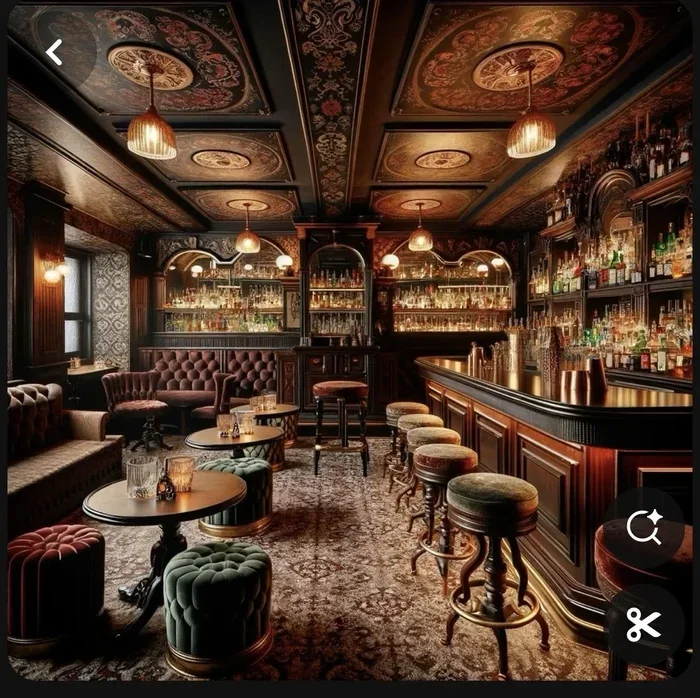
The speakeasy meaning refers to a secret, unlicensed bar that operated during the Prohibition era in the United States. These hidden drinking spots became cultural icons, shaping cocktail culture and nightlife as we know it today. Understanding the speakeasy meaning goes beyond just a name — it reveals a story of rebellion, creativity, and community. From secret passwords to hidden entrances, these establishments broke the law to serve people what they wanted most: a good drink and a good time.
You have probably heard the word speakeasy before. Maybe you saw it on a bar menu. Maybe a friend told you about a cool hidden bar with that name. But what does speakeasy meaning really stand for? More importantly, why does this term still matter today?
The speakeasy meaning goes way deeper than just a fancy name for a bar. It carries over a hundred years of history, rebellion, and culture. During one of the most turbulent times in American history, ordinary people found creative ways to come together. They built secret drinking spots behind bookcases, in basements, and inside everyday businesses. These places became more than just spots to drink. They became symbols of freedom and fun.
In this article, we will break down the true speakeasy meaning from every angle. You will learn where the word came from. You will discover how these hidden bars worked. And you will see how the speakeasy meaning lives on in modern nightlife. Whether you are a history buff or just curious about cocktail culture, this guide has something for you.
Key Takeaways
- Speakeasy meaning: A secret or unlicensed bar that operated illegally during Prohibition.
- Prohibition era origin: Speakeasies emerged in the 1920s when alcohol was banned in the U.S.
- Cultural impact: These hidden bars shaped jazz music, cocktail culture, and American nightlife.
- Modern revival: Today’s speakeasy-style bars honor the tradition with hidden entrances and craft cocktails.
- Common names: Blind pigs, gin mills, and back room bars were all types of speakeasies.
- Key features: Secret passwords, unmarked doors, and exclusive atmospheres defined the speakeasy experience.
📑 Table of Contents
- What Does Speakeasy Mean? The True Definition
- The Prohibition Era: How Speakeasies Were Born
- Life Inside a Speakeasy
- Different Types of Speakeasies
- Speakeasy Meaning in the Modern Era
- Common Mistakes People Make About Speakeasies
- Why the Speakeasy Legacy Matters Today
- How to Find and Experience a Speakeasy Today
- Conclusion
What Does Speakeasy Mean? The True Definition
At its core, the speakeasy meaning is simple. A speakeasy is a secret bar that sells alcohol illegally. The term became popular during the Prohibition era in the United States. From 1920 to 1933, the manufacture, sale, and transportation of alcohol was banned nationwide. This law was called the 18th Amendment, and it changed American culture forever.
But why the word “speakeasy”? The name itself gives you a clue. People had to speak quietly — or “easy” — about these places. If you shouted about a secret bar in public, you might attract attention from police. So customers were told to keep it down. The phrase “speak easy” became a code for these hidden establishments.
Over time, the speakeasy meaning evolved. Today, it can refer to any bar that has a secret or hidden feel. Many modern bars use the term to create an exclusive vibe. But the roots of the word are firmly planted in American history.
Where Did the Word “Speakeasy” Come From?
The exact origin of the word is debated among historians. Some believe it started in the 1880s, before Prohibition even began. Others trace it to the 1920s when illegal bars exploded across the country. One popular story says a bar owner in Pittsburgh told customers to “speak easy” about their visits. Another theory suggests the term came from the way bartenders whispered orders to avoid drawing attention.
No matter where the word started, it stuck. By the 1920s, everyone in America knew what a speakeasy was. The term became part of everyday language. And the speakeasy meaning became a symbol of resistance against unfair laws.
The Prohibition Era: How Speakeasies Were Born
To truly understand the speakeasy meaning, you need to understand Prohibition. In 1920, the United States made it illegal to sell alcohol. The goal was to reduce crime and improve public health. But the results were very different from what lawmakers expected.
Instead of ending drinking, Prohibition created a booming underground market. People still wanted alcohol. And where there is demand, someone will find a way to supply it. This is exactly what happened. Illegal bars popped up in every major city. They were called speakeasies, blind pigs, gin mills, and back room bars.
The speakeasy meaning during this time was tied closely to the idea of rebellion. People who visited these bars were breaking the law. But they did not see themselves as criminals. They saw themselves as regular Americans standing up for their right to enjoy a drink. This spirit of defiance made speakeasies incredibly popular.
How Speakeasies Stayed Hidden
Running a speakeasy was risky. Police raided bars regularly. So owners had to be very clever. They developed tricks to keep their businesses secret.
Here are some of the most common methods speakeasy owners used:
- Hidden entrances: Many speakeasies had doors behind bookcases, walls, or even laundromats. You had to know where to look.
- Secret passwords: Customers were often given a password or a special phrase. Without it, you could not get inside.
- Lookouts: Staff members watched for police or informants. If they spotted trouble, everyone was alerted quickly.
- Fake businesses: Some speakeasies operated behind legitimate businesses like ice cream shops or candy stores.
- Signal systems: Colored lights or specific doorknobs were used to signal whether the bar was safe to enter.
These clever tactics are a big part of the speakeasy meaning. They show how creative people became when their freedoms were restricted. The whole speakeasy experience was built on secrecy and exclusivity.
The Role of Bootleggers and Mobsters
You cannot talk about speakeasies without mentioning bootleggers. Bootlegging was the illegal production and distribution of alcohol. Many speakeasies got their liquor from bootleggers who operated in the shadows.
Some bootleggers were small-time operators. They made homemade wine or bathtub gin in their kitchens. Others were connected to organized crime. Gangsters like Al Capone built entire empires around the illegal alcohol trade. They supplied speakeasies and profited enormously.
This connection between speakeasies and crime is an important part of the speakeasy meaning. While many speakeasy owners were everyday people, the industry attracted criminal elements. The line between small business and organized crime was often blurry.
Life Inside a Speakeasy
What was it actually like inside a speakeasy? The speakeasy meaning is not just about the name or the law. It is also about the experience. These bars were some of the most exciting places in America during the 1920s.
Speakeasies ranged from tiny basement rooms to elegant clubs with live music. Some were smoky and crowded. Others were classy and sophisticated. But they all shared one thing in common: they were places where people could let loose and enjoy themselves.
Music and Entertainment
Jazz music and speakeasies go hand in hand. The 1920s were the Jazz Age. And speakeasies were the perfect venues for jazz performers. Musicians played in dark, intimate rooms for excited crowds.
Many famous jazz artists got their start in speakeasies. Names like Louis Armstrong, Duke Ellington, and Bessie Smith became legends partly because of these hidden venues. The music and the bars fed off each other. Speakeasies gave jazz a stage, and jazz gave speakeasies their soul.
This connection between music and the speakeasy meaning is still felt today. Modern speakeasy-style bars often feature live jazz or swing music to honor the tradition.
Food and Drinks
What did people drink in speakeasies? The speakeasy meaning is closely tied to the drinks served inside. Since speakeasies had to keep costs low and avoid attention, they often served cheap, homemade liquor.
Bathtub gin was one of the most common drinks. It was cheap gin mixed with water in a bathtub and then bottled. The taste was terrible. So bartenders got creative. They mixed gin with fruit juices, syrups, and spices to hide the bad flavor.
This is how classic cocktails were born. The speakeasy meaning includes the creation of drinks like the Sidecar, the Bee’s Knees, and the French 75. These cocktails were designed to make cheap liquor taste good. And they became the foundation of modern cocktail culture.
The Social Scene
Speakeasies were not just about drinking. They were social hubs. People from all walks of life came together in these hidden spaces. For the first time, different social classes mixed in the same room.
Women, who had long been excluded from public drinking spots, found a welcome in speakeasies. The 1920s saw a shift in social norms. The speakeasy meaning included a sense of equality and freedom that was rare for the time.
Dancing was a huge part of the speakeasy experience. Couples danced the Charleston and the Lindy Hop. The energy in these rooms was electric. People came to escape the stresses of daily life. They came to feel alive.
Different Types of Speakeasies
Not all speakeasies were the same. The speakeasy meaning covered a wide range of establishments. Some were upscale and exclusive. Others were rough and ready. Let us look at the main types.
| Type of Speakeasy | Description | Typical Crowd |
|---|---|---|
| Blind Pig | A low-key bar that charged a small fee to see a “free” show, like a blind pig viewing. | Working-class locals |
| Gin Mill | A rough, casual bar that mainly served gin and simple drinks. | Factory workers and laborers |
| High-End Club | A glamorous, well-stocked bar with live music and upscale décor. | Wealthy elites and celebrities |
| Back Room Bar | A small, hidden bar tucked behind a legitimate business. | Regulars and insiders |
| Jazz Cellar | A basement venue focused on live jazz performances and dancing. | Music lovers and artists |
Each type of speakeasy had its own character. The speakeasy meaning was flexible enough to include all of them. Whether you were a factory worker looking for a quick drink or a socialite hunting for excitement, there was a speakeasy for you.
Blind Pigs and Gin Mills
Two of the most common terms for speakeasies were “blind pig” and “gin mill.” A blind pig was a bar that charged a small admission fee and then gave customers a “free” show. This trick helped the bar claim it was not selling alcohol. It was a clever loophole.
A gin mill was a more casual, no-frills establishment. These places served mostly gin-based drinks. They were often noisy and crowded. But they were also where many people first experienced the speakeasy meaning in its rawest form.
Speakeasy Meaning in the Modern Era
Prohibition ended in 1933. The 21st Amendment repealed the 18th Amendment. Legal bars and restaurants returned to American streets. So you might think the speakeasy disappeared. But that is not what happened.
The speakeasy meaning survived and even thrived. Today, many bars around the world embrace the speakeasy concept. They create hidden, exclusive experiences that honor the original speakeasies. These modern bars may not be illegal, but they capture the same spirit of mystery and excitement.
Modern Speakeasy Bars
Modern speakeasy bars are all about the experience. They often have unmarked doors, secret entrances, and no signage. Some require a reservation. Others ask for a password. The goal is to create a feeling of exclusivity and adventure.
Cities like New York, Los Angeles, London, and Tokyo have seen a boom in speakeasy-style bars. These venues serve craft cocktails and focus on quality over quantity. They are a direct tribute to the speakeasy meaning of the 1920s.
What makes a modern speakeasy different from a regular bar? The atmosphere. A speakeasy bar wants you to feel like you have discovered something special. The lighting is dim. The music is carefully chosen. The cocktails are handcrafted. Every detail is designed to transport you back to the Prohibition era.
The Speakeasy Revival and Cocktail Culture
The modern speakeasy revival has had a huge impact on cocktail culture. People are rediscovering classic cocktails and the art of craft mixing. The speakeasy meaning has inspired a new generation of bartenders and cocktail enthusiasts.
Craft cocktail bars now focus on quality ingredients, fresh juices, and creative presentations. They use techniques like muddling, shaking, and layering that were perfected in the speakeasy era. The connection between today’s cocktail scene and the old speakeasies is stronger than ever.
Common Mistakes People Make About Speakeasies
There are a lot of misconceptions about the speakeasy meaning. Let us clear up some of the most common mistakes.
Mistake 1: Thinking speakeasies were only in New York. While New York had many famous speakeasies, they existed in every major city and even small towns across America. Chicago, Detroit, Chicago, and San Francisco all had thriving speakeasy scenes.
Mistake 2: Believing all speakeasies were connected to organized crime. Many speakeasies were run by ordinary people. A family might open a bar in their basement. A restaurant might add a hidden room. The connection to crime was real but not as widespread as movies suggest.
Mistake 3: Assuming speakeasies were dirty and dangerous. Some were, sure. But many speakeasies were clean, well-run, and even classy. The speakeasy meaning included a wide range of experiences, from rough dives to elegant lounges.
Mistake 4: Thinking the term only applies to the 1920s. The speakeasy meaning has evolved. Today it describes a style of bar and a feeling of exclusivity. It is not limited to the Prohibition era.
Mistake 5: Confusing speakeasies with regular bars. A speakeasy is defined by its secrecy and hidden nature. A regular bar is open and well-known. The speakeasy meaning is about the experience of discovery and exclusivity.
Why the Speakeasy Legacy Matters Today
The speakeasy meaning is more than a historical footnote. It represents something powerful. It shows what happens when people come together in defiance of unreasonable rules. It shows the creativity that emerges during difficult times.
The speakeasy spirit lives on in many ways. It lives in the craft cocktail movement. It lives in the love of hidden, exclusive venues. It lives in the desire for authentic, human experiences in a world that can feel overly digital and impersonal.
When you walk into a modern speakeasy bar, you are stepping into a tradition that is over a hundred years old. You are connecting with the people who refused to give up the simple pleasure of sharing a drink with friends. That is a powerful thing.
The speakeasy meaning reminds us that sometimes the best experiences are the ones that are hidden in plain sight. They require a little effort to find. A little curiosity. A willingness to explore. And that is what makes them so special.
How to Find and Experience a Speakeasy Today
If you want to experience the speakeasy meaning for yourself, here are some tips:
- Look for unmarked doors. Many modern speakeasies have no visible signage. They might be behind a bookshelf, a refrigerator door, or an unmarked hallway.
- Ask locals. The best speakeasies are often word-of-mouth only. Talk to bartenders, hotel concierges, or locals who know the nightlife scene.
- Check online reviews. Websites like Yelp and Instagram often feature hidden bars. Look for keywords like “secret bar,” “hidden lounge,” or “speakeasy.”
- Be prepared to wait. Some speakeasies have limited capacity. You might need to book ahead or wait in a separate area before being let in.
- Embrace the experience. A speakeasy is about more than drinks. It is about the atmosphere, the discovery, and the sense of being somewhere special.
The speakeasy meaning is alive and well. You just need to know where to look.
Quick Tips for Hosting a Speakeasy-Themed Party
Want to bring the speakeasy experience to your home? Here are some quick tips:
- Set up a “secret entrance” to your party space, like a curtain or a fake door.
- Serve classic Prohibition-era cocktails like the Sidecar, Bee’s Knees, or Old Fashioned.
- Play jazz music from the 1920s in the background.
- Dim the lights and use candles for atmosphere.
- Give guests a “password” they must whisper at the door.
- Encourage guests to dress in vintage-style clothing from the Roaring Twenties.
These small touches can transform any gathering into a speakeasy-style event. The speakeasy meaning is all about creating an experience that feels exclusive, fun, and memorable.
Conclusion
The speakeasy meaning is a rich and fascinating topic. It covers history, culture, rebellion, and creativity. From the dark basement bars of the 1920s to the sleek hidden lounges of today, the speakeasy has always been about more than just alcohol. It is about the human desire for connection, excitement, and a little bit of rule-breaking.
When you understand the speakeasy meaning, you see the world differently. You appreciate the craft of a well-made cocktail. You value the thrill of discovering a hidden place. You connect with a piece of history that still shapes our culture today.
So the next time you hear the word speakeasy, remember what it really means. It is not just a bar. It is a story. A story of people who refused to be told what they could and could not enjoy. A story of creativity born from restriction. And a story that continues to inspire us more than a hundred years later.
Embrace the speakeasy meaning. Seek out the hidden, the exclusive, and the unexpected. And raise a glass to the spirit of rebellion and good times that started it all.
Frequently Asked Questions
What is the original meaning of speakeasy?
The original speakeasy meaning was a secret, unlicensed bar that operated during the Prohibition era in the United States. The name came from the need to speak quietly or “easy” about these hidden establishments to avoid drawing attention from police.
Why were speakeasies called speakeasies?
They were called speakeasies because customers and owners had to speak softly or “easy” about these places. Talking openly about a secret bar could attract unwanted attention from law enforcement. The name became a code word for the entire underground drinking culture.
Are modern speakeasy bars illegal?
No, modern speakeasy bars are fully legal. They use the speakeasy concept to create an exclusive, mysterious atmosphere. While they are not breaking any laws, they honor the tradition of hidden bars by featuring secret entrances, unmarked doors, and password-protected entry.
What drinks were served in speakeasies?
Speakeasies served a wide range of drinks, but the most common were cocktails made to mask the taste of cheap, homemade liquor. Popular drinks included bathtub gin cocktails, the Sidecar, the Bee’s Knees, and the French 75. These drinks laid the foundation for modern cocktail culture.
What is the difference between a speakeasy and a regular bar?
The key difference is secrecy and atmosphere. A speakeasy is defined by its hidden nature, exclusive entry, and intimate setting. A regular bar is openly accessible and well-known. The speakeasy meaning is about the experience of discovery and exclusivity that goes beyond just serving drinks.
How can I find a speakeasy bar near me?
Start by searching online for hidden bars or speakeasy-style venues in your city. Check Instagram, Yelp, and local food blogs. Ask bartenders at other bars for recommendations. Look for bars with unmarked entrances, no visible signage, or password requirements. The best speakeasies are often found through word of mouth.