
MMORPG stands for Massively Multiplayer Online Role-Playing Game. It describes a type of online game where thousands of players explore a shared virtual world, create characters, and complete quests together. These games blend role-playing elements with persistent online worlds that never stop running. Understanding MMORPG meaning helps you navigate the gaming landscape with confidence. This guide breaks everything down in simple, easy-to-follow terms.
Key Takeaways
- MMORPG stands for Massively Multiplayer Online Role-Playing Game: It is a genre of online games where players share a persistent virtual world.
- MMORPGs combine role-playing with online multiplayer: Players create characters, level up, and interact with others in real time.
- Popular MMORPGs include World of Warcraft, Final Fantasy XIV, and Guild Wars 2: Each offers a unique experience and gameplay style.
- Game mechanics include quests, character progression, and player versus player combat: These core elements keep players engaged.
- MMORPGs come in subscription and free-to-play models: Understanding the business model helps you choose the right game.
- The genre has a rich history dating back to the 1990s: Early games like Ultima Online paved the way for modern titles.
- MMORPGs build strong communities: Guilds, raids, and social features make these games more than just entertainment.
📑 Table of Contents
- What Does MMORPG Mean? A Simple Breakdown
- How MMORPGs Work: The Core Game Mechanics
- MMORPG vs. Other Game Genres: What Sets Them Apart?
- Popular MMORPGs You Should Know
- The History of MMORPGs: From Text to Virtual Worlds
- MMORPG Business Models: Free-to-Play vs. Subscription
- Why People Play MMORPGs: The Social Side
- Quick Tips for Getting Started with MMORPGs
- Common Mistakes New Players Make
- Expert Insights: What Makes a Great MMORPG?
- Key Takeaways
- Conclusion: Understanding MMORPG Meaning Opens a Whole New World
What Does MMORPG Mean? A Simple Breakdown
You have probably seen the term MMORPG floating around gaming forums, streaming chats, and app stores. But what does MMORPG actually mean? The letters stand for Massively Multiplayer Online Role-Playing Game. That is a mouthful, so let us break it down piece by piece.
Every part of that acronym tells you something important. Massively means a huge number of players can be in the same world at once. Multiplayer means you play with other people, not alone. Online means you need an internet connection. And Role-Playing Game means you create a character and control their story, choices, and growth.
When you put it all together, an MMORPG is a virtual world that lives on game servers around the clock. Thousands of players log in at the same time. They explore, fight monsters, trade items, and build friendships. The world keeps going even when you log off. That is what makes it feel alive.
If you are new to this genre, you are in the right place. This guide explains everything from the basics to the deeper details. You will learn how these games work, what makes them different from other games, and which ones are worth your time.
How MMORPGs Work: The Core Game Mechanics
Understanding MMORPG meaning is one thing. But knowing how these games actually work is another. Let us look at the core mechanics that make MMORPGs tick.
Character Creation and Progression
Every MMORPG starts with character creation. You pick a race, a class, and a starting appearance. Some games let you customize every tiny detail, from your character’s scars to their hairstyle. This is where your personal story begins.
Once you create your character, you start leveling up. You complete quests, defeat enemies, and earn experience points. As you gain levels, your character gets stronger. You unlock new abilities, better gear, and access to tougher content. This character progression system is what keeps players coming back for more.
Persistent Online Worlds
Unlike single-player RPGs, MMORPGs run on persistent game servers. The world does not pause when you close the game. Other players are out there doing their own thing at all hours. This creates a sense of a living, breathing world.
You might log in and find that a world event just happened while you were away. Or you might stumble upon a group of players fighting a boss you have never seen before. These surprises are part of what makes MMORPGs exciting.
Quests and Storylines
Most MMORPGs offer a main storyline alongside hundreds of side quests. The main story gives you a reason to keep playing. Side quests fill in the world and give you extra rewards. Some games have branching storylines where your choices actually matter.
Player Versus Player Combat
Many MMORPGs include player versus player, or PvP, combat. This lets you fight against other real players instead of computer-controlled enemies. PvP can be friendly or highly competitive, depending on the game.
MMORPG vs. Other Game Genres: What Sets Them Apart?
It is easy to confuse MMORPGs with other types of games. Let us clear up the differences.
MMORPG vs. Regular RPG
A regular RPG, like Skyrim or Baldur’s Gate, is usually a single-player experience. You play alone, and the story follows a set path. An MMORPG adds the multiplayer and online elements on top of those RPG foundations.
MMORPG vs. MMO
People often use MMO and MMORPG interchangeably. But there is a subtle difference. MMO is a broader term that covers any massively multiplayer online game. It includes genres like MMO shooters, MMO survival games, and more. MMORPG is specifically about role-playing elements.
MMORPG vs. Online Multiplayer Games
Games like Fortnite or Call of Duty are online multiplayer games. But they are not MMORPGs. They lack the deep role-playing systems, character progression, and persistent worlds that define the genre.
| Feature | MMORPG | Regular RPG | Online Multiplayer Game |
|---|---|---|---|
| Players in World | Thousands at once | Single player | Small groups (squads) |
| Persistent World | Yes | No | No (match-based) |
| Character Progression | Deep and ongoing | Deep but finite | Limited or none |
| Role-Playing Elements | Strong | Strong | Minimal |
| Internet Required | Always | No | Yes |
Popular MMORPGs You Should Know
The MMORPG genre has some true giants. Here are the most popular titles that define the space today.
World of Warcraft
World of Warcraft, or WoW, is the biggest name in MMORPGs. Released in 2004, it still has millions of active players. It is set in the Warcraft universe and offers a rich story, vast world, and deep gameplay. If you want to understand MMORPG meaning in practice, WoW is the gold standard.
Final Fantasy XIV
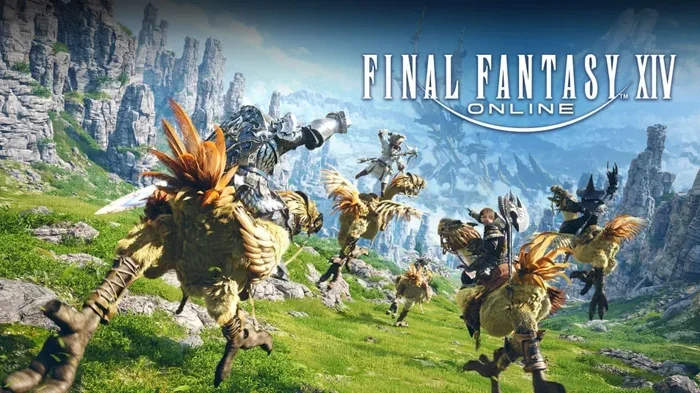
Final Fantasy XIV is a Japanese MMORPG that has won over millions of fans worldwide. It is known for its incredible story, beautiful graphics, and welcoming community. The game went through a rocky start but completely rebuilt itself into a masterpiece.
Guild Wars 2
Guild Wars 2 offers a unique approach to the genre. It has no subscription fee and focuses on dynamic events instead of traditional quests. The combat is action-based, which feels different from most MMORPGs.
New World
New World by Amazon Games takes a survival-crafting approach to the MMORPG formula. It is set in a colonial-era fantasy world. The game emphasizes player-driven economies and territory control.
The History of MMORPGs: From Text to Virtual Worlds
The MMORPG genre has a fascinating history. It did not start with flashy graphics or massive budgets. It started with simple text.
The Early Days
The first MMORPGs appeared in the late 1990s. Ultima Online launched in 1997 and is widely considered one of the pioneers. It let thousands of players share a fantasy world for the first time. Players could fight, trade, build houses, and form guilds.
Not long after, EverQuest arrived in 1999. It took the formula further with 3D graphics and challenging group content. Players formed tight-knit communities and spent countless hours raiding dungeons together.
The Golden Age
The early 2000s are often called the golden age of MMORPGs. World of Warcraft launched in 2004 and became a cultural phenomenon. It brought the genre to the mainstream. Millions of people who had never heard of MMORPGs suddenly knew what MMORPG meaning was.
Other notable titles from this era include Star Wars Galaxies, City of Heroes, and Lineage II. Each brought something unique to the table.
Modern MMORPGs
Today, the genre continues to evolve. Final Fantasy XIV proved that a game could be completely rebuilt and still thrive. New World showed that Amazon was willing to invest in the space. And free-to-play models have opened the door for more players than ever.
MMORPG Business Models: Free-to-Play vs. Subscription
One of the biggest decisions when choosing an MMORPG is the business model. Here is how they break down.
Subscription-Based MMORPGs
Games like World of Warcraft and Final Fantasy XIV require a monthly subscription. You pay a set fee each month to access the full game. In return, you get regular content updates, live events, and ongoing support from the developers.
Subscription models give developers steady income to keep improving the game. They also create a more consistent player base since everyone is paying to be there.
Free-to-Play MMORPGs
Free-to-play MMORPGs let you download and play without paying upfront. Games like Guild Wars 2 and Black Desert Online follow this model. They make money through in-game purchases, cosmetic items, and expansion packs.
Free-to-play lowers the barrier to entry. Anyone can try the game without spending money. But some games include pay-to-win elements, where spending real money gives you a gameplay advantage.
Buy-to-Play MMORPGs
Guild Wars 2 uses a buy-to-play model. You pay once for the base game and get access to all core content. Expansions are separate purchases. This model gives you a clear upfront cost with no monthly fees.
Why People Play MMORPGs: The Social Side
One of the biggest reasons MMORPGs have lasted so long is the social experience. These games are not just about fighting monsters. They are about connecting with people.
Guilds and Communities
Most MMORPGs have a guild system. A guild is a group of players who band together for shared goals. You join a guild to tackle harder content, share resources, and make friends. Some guilds become lifelong communities that outlast the games themselves.
Raids and Group Content
Raids are large-scale group challenges that require teamwork and coordination. A typical raid might involve 10 to 100 players working together to defeat a powerful boss. These moments create some of the most memorable experiences in gaming.
In-Game Social Spaces
Many MMORPGs include social hubs like taverns, cities, or player housing areas. These spaces give players a place to hang out, trade, and chat. They make the virtual world feel more like a real community.
Quick Tips for Getting Started with MMORPGs
Ready to dive into the world of MMORPGs? Here are some quick tips to help you get started on the right foot.
- Start with a beginner-friendly game: Final Fantasy XIV is widely regarded as one of the best starting points for new players.
- Do not stress about choosing the perfect class: Most games let you respec or try different characters later.
- Join a friendly guild early: A good community makes the learning curve much smoother.
- Set time limits: MMORPGs can be addictive. Decide how much time you want to spend before you log in.
- Explore before you grind: Take time to enjoy the world and story, not just the loot and leveling.
- Watch gameplay videos first: Seeing a game in action helps you decide if it is the right fit for you.
Common Mistakes New Players Make
Everyone makes mistakes when they start playing MMORPGs. Here are the most common ones to avoid.
- Trying to do everything at once: Spreading yourself too thin across multiple activities leads to burnout. Focus on one thing at a time.
- Ignoring the tutorial: The tutorial teaches you the basics. Skipping it means you will struggle later.
- Comparing yourself to veterans: Experienced players have hundreds of hours of practice. Give yourself grace and learn at your own pace.
- Skipping the story: MMORPGs often have rich narratives. The story adds depth and makes your character feel more meaningful.
- Not managing your money: In-game currency adds up fast. Spend wisely and avoid impulse purchases.
Expert Insights: What Makes a Great MMORPG?
We asked experienced MMORPG players what separates a great game from a forgettable one. Here is what they said.
Community matters most. A game with a toxic community will drive players away no matter how good the mechanics are. The best MMORPGs foster positive, welcoming environments.
Updates keep players engaged. Games that receive regular content drops, patches, and expansions maintain their player base over time. Stagnation kills MMORPGs.
Balance between challenge and accessibility is key. Too easy and the game gets boring. Too hard and new players quit. The best games offer difficulty options for every skill level.
Freedom of choice creates immersion. When your decisions in the game actually matter, the experience becomes deeply personal. That is the heart of role-playing.
Key Takeaways
- MMORPG stands for Massively Multiplayer Online Role-Playing Game: It is a genre where thousands of players share a persistent virtual world.
- Core mechanics include character progression, quests, and social systems: These elements work together to create engaging gameplay.
- Popular titles include World of Warcraft, Final Fantasy XIV, and Guild Wars 2: Each offers a different take on the genre.
- The genre has evolved from text-based games in the 1990s to stunning modern worlds: Technology has pushed the boundaries of what MMORPGs can be.
- Business models vary from subscriptions to free-to-play: Choose the model that fits your budget and play style.
- The social experience is a huge part of the appeal: Guilds, raids, and communities make MMORPGs more than just games.
Conclusion: Understanding MMORPG Meaning Opens a Whole New World
Now you know the full MMORPG meaning and everything that comes with it. You understand how these games work, what sets them apart from other genres, and why millions of people around the world love them. The MMORPG genre offers something for everyone, whether you want deep stories, challenging combat, or just a place to hang out with friends.
The beauty of MMORPGs is that they keep evolving. New titles bring fresh ideas, and existing games receive years of updates and support. Whether you are a seasoned gamer or someone who has never picked up a controller, there has never been a better time to explore this genre.
Start small. Pick one game that catches your eye. Join a guild. Explore the world. And most importantly, have fun. The virtual worlds of MMORPGs are waiting for you.
Frequently Asked Questions
What does MMORPG stand for?
MMORPG stands for Massively Multiplayer Online Role-Playing Game. It refers to a genre of online games where thousands of players share a persistent virtual world, create characters, and go on adventures together.
What is the difference between an MMORPG and a regular RPG?
A regular RPG is usually a single-player game where you follow a story alone. An MMORPG adds online multiplayer elements, meaning you play alongside thousands of other real players in a shared world that never stops running.
Are MMORPGs free to play?
Some MMORPGs are free to play, while others require a monthly subscription or a one-time purchase. Free-to-play games make money through in-game purchases, while subscription games give you full access for a recurring fee.
Which MMORPG is best for beginners?
Final Fantasy XIV is widely recommended for beginners because of its welcoming community, excellent story, and beginner-friendly design. Guild Wars 2 is another great choice with no subscription fee and a gentle learning curve.
Do you need a powerful computer to play MMORPGs?
It depends on the game. Some modern MMORPGs require a strong gaming PC, while others are optimized to run on lower-end hardware. Always check the system requirements before downloading a game.
What makes MMORPGs so addictive?
MMORPGs combine character progression, social interaction, and endless content. The feeling of leveling up, completing quests with friends, and exploring a living world creates a powerful sense of accomplishment and connection that keeps players coming back.