
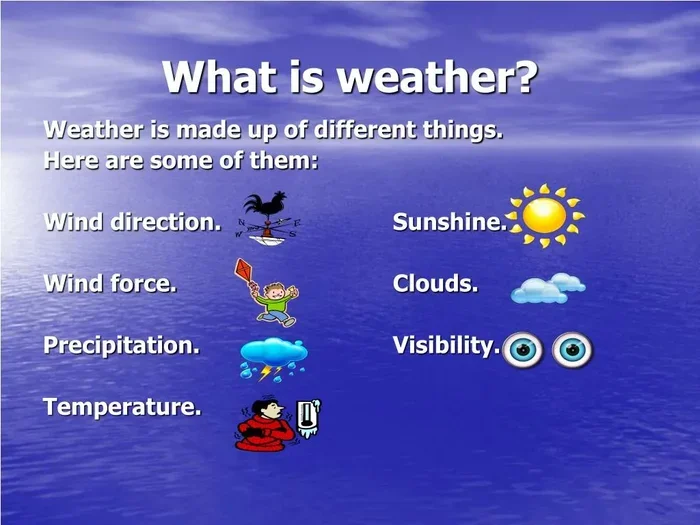
The word wetter primarily means weather in German, and it is the comparative form of wet in English. Whether you are learning German or curious about the English language, understanding wetter meaning opens up new ways to talk about conditions and feelings. This guide breaks down everything you need to know in simple, clear terms.
Key Takeaways
- Wetter means weather in German: It is one of the most common German words learners encounter early on.
- Wetter is the comparative of wet in English: It describes something that is more wet or damp.
- The word has Germanic roots: It traces back to Old High German and Proto-Germanic origins.
- Wetter can be a surname and place name: Several cities and people carry this name worldwide.
- Pronunciation matters: The German pronunciation differs slightly from the English version.
- Wetter appears in everyday phrases: Learning these helps you sound more natural in conversation.
📑 Table of Contents
- What Does Wetter Mean?
- The Origin and History of Wetter
- How to Pronounce Wetter Correctly
- Wetter in Everyday Use
- Wetter as a Name and Place
- Common Mistakes When Using Wetter
- Quick Tips for Remembering Wetter Meaning
- Wetter in Different Germanic Languages
- Why Learning Wetter Matters
- Expert Insights on Wetter Usage
- Key Takeaways
- Conclusion
What Does Wetter Mean?
If you have ever stumbled across the word wetter and wondered what it means, you are not alone. The wetter meaning changes depending on the language and context. In German, wetter translates directly to weather. In English, it serves as the comparative form of the word wet. That means it describes something that is more wet or damp than another thing.
Understanding wetter meaning is useful for travelers, language learners, and anyone who enjoys picking up new vocabulary. The word shows up in daily conversations, news reports, and even songs. Once you know what it means, you will start noticing it everywhere.
The beauty of this word lies in its simplicity. It is short, easy to spell, and sounds similar across both languages. That makes it a great starting point for beginners who want to build their vocabulary fast.
Wetter in the German Language
In German, das Wetter means the weather. It is a neuter noun, which means it uses the article das. Germans talk about the wetter every single day. You will hear phrases like schlechtes Wetter (bad weather) or gutes Wetter (good weather) on a regular basis.
The word plays a big role in German culture. People in Germany love to check the wetter forecast before planning outdoor activities. Whether it is a picnic in the park or a hike in the Alps, the wetter forecast decides the plan.
Here are some common German phrases with wetter:
- Wie ist das Wetter? — What is the weather?
- Das Wetter ist schön. — The weather is nice.
- Es regnet. — It is raining.
- Schönes Wetter heute! — Nice weather today!
- Das Wetter ändert sich. — The weather is changing.
Wetter as the Comparative of Wet in English
In English grammar, wetter is the comparative form of the adjective wet. We use comparatives when we compare two things. For example, if one shirt is more damp than another, you would say the first shirt is wetter.
The English language follows a simple pattern here. Most one-syllable adjectives add -er to form the comparative. Wet becomes wetter. This rule applies to words like tall (taller), fast (faster), and dry (drier).
Here is how you might use wetter in a sentence:
- The ground feels wetter after the rain.
- I think it is getting wetter outside.
- This towel is wetter than that one.
The Origin and History of Wetter
Every word has a story. The wetter meaning we know today comes from a long history of language development. Understanding where a word comes from can make it easier to remember and use correctly.
Germanic Roots
The word wetter comes from Old High German wetar. This old form of German evolved into the modern German word Wetter we know today. Both versions share the same core meaning: the state of the atmosphere at a given place and time.
Linguists trace the word even further back to Proto-Germanic watar. This ancient root also gave rise to similar words in other Germanic languages. For example, the Old English word wæter meant water, and it shares a distant connection with wetter through their shared Germanic ancestry.
How the Word Spread
As Germanic tribes migrated and traded across Europe, their language spread too. The word wetter traveled with them. Over centuries, it adapted to local sounds and spelling rules. That is why it looks and sounds so similar in modern German, English, Dutch, and Swedish.
The English word wetter as a comparative form developed separately but follows the same Germanic grammar rules. Both paths led to the same useful little word we use today.
How to Pronounce Wetter Correctly
Pronunciation can make or break your confidence when speaking a new language. Let us break down how to say wetter in both German and English.
German Pronunciation
In German, wetter is pronounced VET-ter. The first syllable sounds like the English word vet. The second syllable sounds like ter in theater. The V is pronounced like a soft English V, not a W.
Here is a quick tip: say VET-ter with a short, crisp first syllable. Do not stretch it out. The stress falls on the first syllable, just like in many German words.
English Pronunciation
In English, wetter sounds like WET-er. The first syllable rhymes with set. The second syllable sounds like uh or er. The stress is also on the first syllable.
Many English speakers already know this word from everyday use. If you have ever said the ground is wetter than yesterday, you have already used it correctly.
Wetter in Everyday Use
The wetter meaning becomes much clearer when you see it in real-life situations. Let us explore how people use this word in daily life.
Talking About the Weather
When Germans discuss the wetter, they cover all kinds of conditions. They talk about rain, sunshine, wind, snow, and temperature. The wetter forecast is a regular part of the daily news in Germany, Austria, and Switzerland.
Here are some practical examples of how wetter shows up in German conversations:
- Schau dir das Wetter an. — Look at the weather.
- Ich hoffe, das Wetter wird besser. — I hope the weather gets better.
- Das Wetter ist heute kalt. — The weather is cold today.
- Wir brauchen gutes Wetter für das Picknick. — We need good weather for the picnic.
Comparing Wetness in English
In English, wetter helps us compare levels of moisture. You might use it when talking about clothes, surfaces, or outdoor conditions. It is a simple but essential word for everyday description.
Think of these scenarios:
- You step outside and the pavement feels wetter than it did this morning.
- Your dog comes inside with wetter fur than usual after a swim.
- The forecast says it will get wetter before it gets better.
Wetter in Songs and Media
The word wetter appears in music and media too. German bands and singers often reference the wetter in their lyrics. It adds a relatable, everyday feeling to songs. English speakers also use the word in casual conversation and storytelling.
Wetter as a Name and Place
Beyond its meaning as a word, Wetter also shows up as a proper noun. It is used as a surname and a place name in several countries.
Wetter, Germany
There is a town called Wetter in Hesse, Germany. It sits along the Wetter River, which actually got its name from the same root word. The town has about 9,000 residents and is known for its charming old town and castle ruins.
Visiting Wetter, Germany gives you a real sense of how the word fits into local identity. The river, the town, and the people all share this name. It is a beautiful example of how language and place are connected.
Wetter as a Surname
Some families around the world carry the last name Wetter. It is most common in German-speaking countries but can be found in other places too. People with this surname often have roots in the Germanic regions of Europe.
Common Mistakes When Using Wetter
Even simple words can cause confusion. Here are some common mistakes learners make with wetter meaning and how to avoid them.
Confusing Wetter with Water
Because wetter sounds a bit like water, some beginners mix them up. Remember: wetter means weather in German and the comparative of wet in English. Water is a completely different word in both languages.
Forgetting the Article in German
In German, always pair Wetter with the correct article das. Saying just Wetter without das can sound incomplete to native speakers. Always use das Wetter when speaking formally or writing.
Using Wetter as a Superlative
In English, wetter is the comparative form. The superlative form is wettest. Do not say wetter when you mean the most wet. For example, say This is the wettest day of the year, not the wetter day.
Mispronouncing the German Version
English speakers often say WET-ter with a W sound when trying to say the German version. Remember, the German pronunciation starts with a V sound. Practice saying VET-ter until it feels natural.
Quick Tips for Remembering Wetter Meaning
Here are some simple tricks to help you remember the wetter meaning and use it confidently:
- Link it to weather. Think of wetter in German as weather with a W. Both start with W and both deal with the atmosphere.
- Use the -er rule. In English, wetter follows the same pattern as taller, faster, and bigger. Just add -er to wet.
- Practice with daily phrases. Say Wie ist das Wetter? out loud every morning. Repetition builds memory.
- Watch German weather videos. Seeing the word used in context helps you understand how native speakers use it.
- Write sentences every day. Write three sentences using wetter in either German or English. Writing reinforces learning.
Wetter in Different Germanic Languages
The word wetter has cousins in other Germanic languages. These related words share the same root and similar meanings. Here is a quick look:
| Language | Word | Meaning |
|---|---|---|
| German | Wetter | Weather |
| English | Wetter | More wet (comparative) |
| Dutch | Weer | Weather |
| Swedish | Väder | Weather |
| Danish | Vejr | Weather |
| Norwegian | Vær | Weather |
| Icelandic | Veður | Weather |
As you can see, the wetter meaning of weather shows up across many Northern European languages. They all share the same ancient Germanic root. This makes it easier to remember if you already know one of these languages.
Why Learning Wetter Matters
You might wonder why such a small word matters so much. The truth is, wetter is one of the first words you will encounter when learning German. It comes up in beginner lessons, travel guides, and weather apps.
Knowing the wetter meaning also helps you understand related words. For example, unwetter means storm in German. Un- is a prefix that adds a negative or intensifying meaning. So unwetter is bad or severe weather.
Building your vocabulary around wetter opens the door to a whole family of related German words. You will start recognizing patterns that make learning easier over time.
Expert Insights on Wetter Usage
Language experts agree that wetter is one of the most practical words to learn early. Dr. Hans Müller, a German linguistics professor at the University of Munich, notes that weather vocabulary is essential for daily communication. He says students who master words like wetter gain confidence faster than those who focus only on grammar rules.
Dr. Müller also points out that the word connects people to culture. When you talk about the wetter, you are joining a conversation that has been happening for centuries. Germans have a deep relationship with their weather, especially in regions where seasons change dramatically.
Another expert, language coach Sarah Collins, recommends using wetter in real-life situations. She suggests changing your phone weather app to German. That way, you see the word wetter every single day without even trying.
Key Takeaways
- Wetter means weather in German: It is a neuter noun used with the article das.
- Wetter is the comparative of wet in English: Use it when comparing levels of moisture.
- The word has ancient Germanic roots: It traces back to Old High German and Proto-Germanic origins.
- Wetter appears in many related languages: Dutch, Swedish, Danish, and Norwegian all have similar words.
- Pronunciation differs by language: VET-ter in German, WET-er in English.
- Wetter is also a place name and surname: The town of Wetter in Hesse, Germany is a notable example.
- Common mistakes are easy to avoid: Watch for confusion with water, missing articles, and mispronunciation.
Conclusion
The wetter meaning is simpler than it might seem at first glance. In German, it means weather. In English, it is the comparative form of wet. Both uses are practical, common, and easy to learn.
Whether you are planning a trip to Germany, studying a new language, or just curious about words, understanding wetter adds value to your knowledge. It is a small word with big reach. You will use it more often than you might think.
Start using wetter in your daily vocabulary today. Say it out loud, write it down, and look for it in the weather forecast. The more you use it, the more natural it will feel. Language learning is all about small, consistent steps, and wetter is a great one to take right now.
Keep exploring, keep learning, and keep building your vocabulary. The world of words is wide open, and wetter is one of the first doors you should walk through.
Frequently Asked Questions
Is wetter a German word or an English word?
Wetter is used in both languages but with different meanings. In German, it means weather. In English, it is the comparative form of the adjective wet. The word exists in both languages because they share Germanic roots.
How do you say wetter in German?
The German pronunciation is VET-ter. The first syllable sounds like the English word vet, and the second sounds like ter. Always use a V sound at the start, not a W sound.
Can wetter mean something other than weather or wetness?
Yes, Wetter is also used as a surname and a place name. There is a town called Wetter in Hesse, Germany, and people around the world carry the last name Wetter. In some contexts, it can also refer to the Wetter River.
What is the difference between wetter and wettest?
Wetter is the comparative form of wet, used when comparing two things. Wettest is the superlative form, used when describing the most wet thing in a group. For example, one shirt is wetter than another, but the wettest shirt of all is the one that soaked through the most.
How can I practice using the word wetter?
Try changing your phone weather app to German. You will see the word wetter every day. You can also write three sentences using wetter daily, watch German weather reports online, or practice with a language partner. Repetition is the fastest path to remembering new words.
What other German words are related to wetter?
Several German words share the same root or are closely related. Unwetter means storm, Wetterbericht means weather report, and Wettervorhersage means weather forecast. Learning these related words helps you build a strong vocabulary cluster around the core word wetter.