
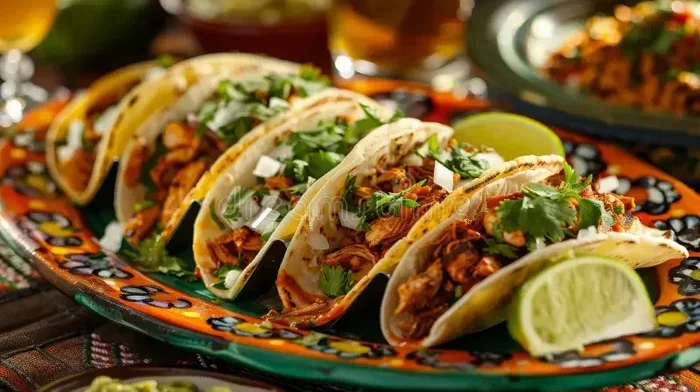
The taco meaning is more than just a wrapped meal — it represents centuries of culture, tradition, and culinary evolution. This article dives into the surprising origin of the word, the many types of tacos, and how this beloved dish became a global phenomenon. You will learn everything from authentic preparation methods to fun facts that will change how you see your next taco.
Have you ever stopped to think about taco meaning beyond just a delicious meal? The word “taco” carries a rich history that stretches back centuries. It connects to ancient Mexican traditions, mining culture, and even modern food innovation. Understanding taco meaning opens your eyes to how one simple dish shaped global cuisine.
When you bite into a warm tortilla filled with seasoned meat and fresh toppings, you are tasting history. The taco origin story is full of surprises. It involves silver miners, street vendors, and a whole lot of flavor. In this article, we will explore everything about taco meaning — from its earliest roots to the taco bars and taco trucks you see today.
Whether you love soft tacos, hard shell tacos, or loaded street tacos, this guide covers it all. You will learn about the different types, how to make authentic tacos at home, and some truly fun facts. By the end, you will never look at a taco the same way again.
Key Takeaways
- Taco meaning traces back to pre-Columbian Mexico: The word has deep roots in indigenous Mexican culture and mining history.
- Many taco types exist: From soft tacos to hard shell tacos, each region has its own unique style and filling.
- Authentic tacos use simple, fresh ingredients: Quality tortillas, real seasoning, and fresh toppings make all the difference.
- Tacos have gone global: Street tacos, taco trucks, and fusion styles have spread the love for this dish worldwide.
- Making tacos at home is easy: With the right tortilla, filling, and toppings, anyone can create restaurant-quality tacos.
- The taco industry is massive: From Taco Bell to local taquerias, tacos are one of the most popular foods on earth.
- Taco meaning connects to food culture and community: More than just a meal, tacos bring people together across cultures.
📑 Table of Contents
What Does Taco Meaning Really Mean?
The taco meaning in its simplest form refers to a traditional Mexican dish. It consists of a tortilla, usually corn or flour, wrapped around a filling. The filling can be meat, beans, cheese, vegetables, or any combination of these. But the taco meaning goes much deeper than that.
The word “taco” in Spanish has informal roots. Long before it became a name for a food, it was a Mexican slang term. Miners in 18th-century Mexico used the word “taco” to describe small explosives wrapped in paper. The shape of these paper-wrapped charges looked a lot like a folded tortilla with filling inside. This connection gave the food its name.
Over time, taco meaning evolved from a slang term into a beloved culinary identity. Today, when people say “taco,” they think of vibrant Mexican food culture. The word represents flavor, tradition, and community. It has become a symbol of Mexican cuisine recognized around the world.
The Linguistic Roots of Taco
The exact origin of the word “taco” in the food context is still debated. Some food historians believe the term emerged in the 19th century. Mexican silver miners are often credited with popularizing the word. They would eat small tortillas filled with spiced meat during their shifts. These portable meals were easy to eat underground.
The taco meaning also connects to the Nahuatl language, which was spoken by the Aztecs. The Nahuatl word “tlahco” means “in the middle” or “half.” This describes how a tortilla is folded around a filling. So the taco origin may stretch back even further than the mining era. It could be rooted in thousands of years of indigenous food traditions.
The Surprising Origin of the Word Taco
The taco meaning has a fascinating journey. It started as informal slang and grew into a global food term. Let us look at the key moments in the history of this word.
From Mining Slang to Food Term
In the 1700s, Mexican silver miners used the word “taco” to describe explosive charges. These were small sticks of gunpowder wrapped in paper. They were shaped like a thin cylinder, much like a folded tortilla. The miners called these charges “tacos de minero,” meaning “miner’s tacos.”
As the mining industry grew, so did the food culture around it. Workers needed quick, portable meals. A folded tortilla with meat and salsa fit the bill perfectly. The name “taco” stuck to this style of food. By the late 1800s, the word was widely used in Mexico to describe this type of dish.
How Tacos Entered American Culture
The taco meaning crossed into the United States in the early 20th century. Mexican immigrants brought their recipes and cooking traditions with them. In cities like Los Angeles, San Antonio, and Chicago, Mexican food stalls and carts became popular. These early street taco vendors served authentic fillings on fresh tortillas.
The first Taco Bell opened in 1962 in Downey, California. It helped spread taco meaning across America. Glen Bell simplified the recipe for mass appeal. The hard shell taco became the signature style. While some purists debate its authenticity, there is no denying its impact. Taco Bell made the taco cuisine accessible to millions of people.
Types of Tacos You Should Know
One of the most exciting things about taco meaning is the sheer variety. Tacos come in many shapes, sizes, and styles. Every region in Mexico has its own traditional taco. Here are some of the most popular types you should know.
Soft Tacos
Soft tacos are the most traditional style. They use small corn tortillas that are warm and pliable. The filling is placed in the center and folded in half. Common fillings include carnitas, al pastor, and barbacoa. Soft tacos are often topped with fresh cilantro, diced onion, and a squeeze of lime.
These tacos are simple but incredibly flavorful. The taco shell is soft and slightly chewy. It lets the filling shine. Many food lovers consider soft tacos the most authentic option. They are the kind you find at local taquerias and street taco carts.
Hard Shell Tacos
Hard shell tacos have a crispy, U-shaped tortilla. They are deep-fried until golden and crunchy. The taco shell holds its shape, making it easy to pile on toppings. Ground beef, shredded cheese, lettuce, and salsa are classic fillings.
Hard shell tacos became popular in the United States. They are the style most associated with Taco Bell and fast-casual dining. While they are less traditional than soft tacos, they are beloved by many. The crispy texture adds a satisfying crunch that pairs well with creamy sauces.
Tacos al Pastor
Tacos al pastor are one of Mexico’s most iconic styles. They feature thinly sliced pork cooked on a vertical spit called a trompo. The meat is marinated in a blend of dried chilies, pineapple, and spices. Each slice is grilled and served on a small corn tortilla.
The taco filling is topped with fresh pineapple, cilantro, and onion. The sweet and savory combination is unforgettable. Tacos al pastor were inspired by Lebanese shawarma brought to Mexico by immigrants. This fusion is a perfect example of how taco cuisine evolves over time.
Street Tacos
Street tacos are small, simple, and packed with flavor. They are served from carts and stalls on sidewalks and market corners. Each taco is small, usually with two tortillas to prevent tearing. Common fillings include carne asada, grilled chicken, and lengua (beef tongue).
The beauty of street tacos lies in their simplicity. They use minimal toppings and let the quality of the meat speak for itself. A squeeze of lime, some fresh salsa, and a sprinkle of cilantro are all you need. This is the heart of authentic taco food culture.
Breakfast Tacos
Breakfast tacos have exploded in popularity in recent years. They feature eggs, cheese, bacon, sausage, or potatoes wrapped in a flour or corn tortilla. The taco filling is hearty and satisfying. They are perfect for any meal of the day, not just morning.
States like Texas and New Mexico have their own breakfast taco traditions. In Austin, Texas, the breakfast taco is practically a religion. Local taquerias compete to make the best version. Whether you prefer a simple egg and cheese taco or a loaded version with all the fixings, breakfast tacos are a delicious way to start the day.
How to Build the Perfect Authentic Taco
Making authentic tacos at home is easier than you might think. The secret lies in using fresh ingredients and simple techniques. You do not need fancy equipment. Just a good taco shell, quality filling, and fresh toppings.
Choosing the Right Tortilla
The tortilla is the foundation of every taco. Corn tortillas are the traditional choice for most Mexican tacos. They have a earthy flavor and a slightly chewy texture. Look for tortillas made from masa harina, which is dried corn dough treated with lime.
Flour tortillas are softer and more pliable. They are common in northern Mexico and in Tex-Mex cooking. They work well for larger tacos and breakfast tacos. Both types have their place in taco cuisine. Choose based on your filling and personal preference.
Preparing the Filling
The taco filling is where the magic happens. For meat fillings, slow cooking is key. Pulled pork, braised beef, and shredded chicken all benefit from low and slow cooking. This creates tender, juicy meat with deep flavor.
Taco seasoning can be store-bought or homemade. A simple blend of cumin, chili powder, paprika, garlic powder, and oregano works wonders. Toast your spices briefly in a dry pan to release their aroma. Then add them to your meat during cooking. This small step makes a big difference in flavor.
Toppings and Salsas
Toppings make or break a taco. Fresh ingredients are essential. Diced white onion, fresh cilantro, and a squeeze of lime are classic choices. Pickled jalapeños add a tangy kick. Shredded cabbage or lettuce adds crunch.
Salsa is perhaps the most important topping. A fresh tomato salsa (salsa roja) or a creamy avocado salsa (salsa verde) elevates any taco. The key is balance. Your toppings should complement the filling, not overpower it. Keep it simple and let the quality of your ingredients shine.
Quick Tips for the Best Tacos at Home
- Warm your tortillas on a dry skillet or over an open flame before filling them.
- Do not overfill — a little goes a long way with a proper taco.
- Use two corn tortillas for extra strength and to prevent tearing.
- Prep all your toppings before you start assembling.
- Serve immediately so the tortilla stays warm and fresh.
- Experiment with salsas — different salsas completely change the taco experience.
Tacos Around the World
The taco meaning has spread far beyond Mexico. Today, tacos are enjoyed in nearly every country. Each culture has put its own spin on this versatile dish. Let us take a quick tour of tacos around the world.
Tacos in the United States
In the U.S., tacos have become a staple of casual dining. Taco trucks and taco bars can be found in nearly every city. From fish tacos in San Diego to Tex-Mex hard shell tacos in Texas, the American taco scene is incredibly diverse. Fusion tacos combine Mexican flavors with Korean, Japanese, and even Indian ingredients.
Tacos in Japan
Japan has embraced the taco in unique ways. Taco rice, a dish from Okinawa, features taco-seasoned meat served over rice instead of in a tortilla. Japanese taco chains offer creative fusion fillings. The taco meaning has adapted to local tastes while keeping the spirit of the original dish alive.
Tacos in Europe
In Europe, tacos have become a popular home-cooked meal. Many supermarkets carry taco kits with tortillas, seasoning, and fillings. European food trucks serve gourmet tacos with locally sourced ingredients. The taco cuisine continues to evolve as it spreads to new regions.
Fun Facts About Tacos You Did Not Know
The taco meaning is full of surprises. Here are some fun facts that show just how special this dish really is.
- The first taco stands in the U.S. appeared in the early 1900s in cities like Los Angeles and San Antonio.
- October 4th is National Taco Day in the United States. It is a beloved food holiday for taco lovers everywhere.
- The word “taco” was not included in the first English-Spanish dictionary until the 1930s, showing how recently the food gained wider recognition.
- The average American eats about 4.5 tacos per month, making it one of the most popular quick-service foods in the country.
- Tacos were one of the first ethnic foods to achieve mainstream popularity in the United States, paving the way for other international cuisines.
- The world’s largest taco was created in Mexico in 2019. It measured over 100 meters long and fed thousands of people.
- Corn tortillas have been made in Mexico for thousands of years, dating back to ancient Mesoamerican civilizations like the Maya and Aztec.
These facts show how deeply tacos are woven into food culture and history. The taco origin story is a testament to how simple ingredients can create something extraordinary.
Final Thoughts
The taco meaning is so much more than a wrapped tortilla with filling. It represents centuries of tradition, innovation, and cultural exchange. From ancient Nahuatl roots to modern taco trucks serving fusion creations, the taco has come a long way. Its journey from Mexican mining camps to global fame is truly remarkable.
Whether you prefer a simple street taco with fresh salsa or a loaded breakfast taco with all the fixings, there is a taco for everyone. The beauty of this dish lies in its versatility and simplicity. You can eat a taco on the go, at a taco bar, or as a sit-down meal at a family dinner.
Next time you enjoy a taco, take a moment to appreciate its rich history. Think about the miners who first called it a “taco.” Think about the generations of cooks who perfected the taco filling and the taco shell. And most importantly, savor every bite. The taco meaning is not just in the name — it is in the experience, the community, and the joy it brings to people all around the world.
So go ahead. Grab a warm tortilla, pile on your favorite toppings, and celebrate one of the most beloved foods in human history. The story of the taco is still being written. And you are part of it.
Frequently Asked Questions
What is the literal meaning of the word taco?
The literal taco meaning in Mexican Spanish refers to a folded or wrapped food item. The word originally was slang for a small explosive charge wrapped in paper, used by silver miners. The shape of the paper-wrapped charge resembled a folded tortilla, and the name eventually transferred to the food.
Where did the taco originate?
The taco origin can be traced to Mexico, with roots in indigenous food traditions. The Aztec and Maya peoples made tortillas filled with small fish and other ingredients long before the Spanish arrived. The modern taco as we know it evolved in 18th and 19th century Mexico, especially among silver miners and street vendors.
What is the difference between a soft taco and a hard shell taco?
A soft taco uses a pliable corn or flour tortilla that is folded around the filling. A hard shell taco uses a tortilla that has been shaped and deep-fried until crispy. Soft tacos are more traditional in Mexico, while hard shell tacos became popular in the United States, especially through chains like Taco Bell.
How do I make authentic tacos at home?
Start with warm corn tortillas, a well-seasoned taco filling like carnitas or al pastor, and fresh toppings such as diced onion, cilantro, and lime. Use a simple salsa and avoid overfilling. The key to authentic tacos is quality ingredients and simplicity. You do not need many components to make a great taco.
Why are tacos so popular around the world?
Tacos are popular worldwide because they are versatile, customizable, and easy to eat. The taco meaning has evolved to include countless fillings and styles. From street tacos to fusion creations, there is a taco for every palate. Their portability and bold flavors make them perfect for any occasion.
What is the difference between a taco and Tex-Mex food?
Taco cuisine refers to traditional Mexican tacos made with authentic ingredients like corn tortillas, fresh salsas, and regional fillings. Tex-Mex is a fusion style that blends Mexican and American flavors. Tex-Mex often includes ingredients like yellow cheese, flour tortillas, and ground beef with heavy seasoning. Both styles share a common taco origin but have evolved differently.
=== CONCLUSION ===
The taco meaning is a story of culture, history, and delicious food. From its humble beginnings as mining slang in Mexico to its current status as a global food phenomenon, the taco has come a long way. Understanding the taco origin and the many types of tacos helps us appreciate this dish even more. Whether you enjoy a simple street taco or an elaborate taco bar creation, the taco brings people together. So the next time you wrap your hands around a warm tortilla, remember — you are holding a piece of culinary history. The taco meaning is real, it is rich, and it is absolutely delicious.