
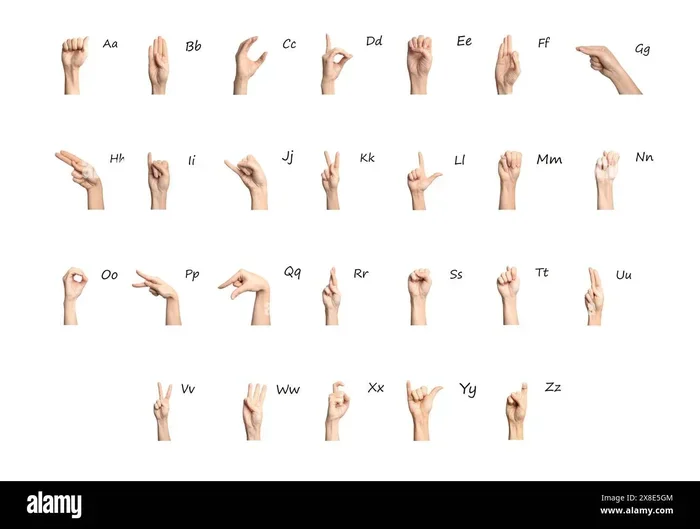
Learning how to say of in sign language is easier than you think. This step by step guide breaks down the exact hand movements, facial expressions, and grammar rules you need. Whether you are a beginner or brushing up on your skills, you will find practical tips and examples to help you sign with confidence.
Have you ever wondered how to say of in sign language? It is one of those small words that seems simple in English but can feel tricky when you move to the hands. In American Sign Language, or ASL, even tiny words carry big meaning. This guide will walk you through everything you need to know. You will learn the exact hand shape, movement, and context for this important sign.
Sign language is not just about moving your hands. It involves your face, your body, and the space around you. The word of is a preposition, which means it shows a relationship between two things. In English we say things like “the color of the sky.” In ASL, you handle this differently. Understanding how to say of in sign language opens the door to smoother, more natural conversations. Let us dive in and break it all down.
Key Takeaways
- Simple Hand Motion: The sign for of uses a relaxed open hand moving in a small circular motion near your chest.
- Facial Expressions Matter: Non manual markers like slightly raised eyebrows help convey the meaning clearly.
- Context Is Key: The sign changes slightly depending on what comes before and after it in a sentence.
- Practice Makes Perfect: Regular repetition and real life conversations build muscle memory fast.
- ASL Grammar Differs from English: The word of works differently in sign language than it does in spoken English.
- Use Visual Aids: Videos and sign language dictionaries make learning much more effective.
📑 Table of Contents
What Does Of Mean in Sign Language
In spoken English, of is a connector. It links a part to a whole or shows possession. For example, “a cup of coffee” or “the tail of a dog.” In ASL, you do not always sign the word of directly. Instead, you use hand movements and spatial grammar to show the same relationship. This is one of the biggest differences between English and sign language grammar.
When you do sign of, the basic movement involves an open hand making a small circle near your chest. Your palm faces outward or slightly toward your body. The motion is soft and relaxed. Think of it as showing a connection between two ideas without using a heavy word. The sign looks effortless, but it carries a lot of meaning.
Here are some common ways of shows up in sign language:
- Part to Whole: Showing that something belongs to a larger group.
- Possession: Indicating ownership or association.
- Description: Linking a descriptor to a noun, like the size of a room.
- Origin: Showing where something comes from or what it is made of.
Why Small Words Matter Big Time
Do not underestimate small words like of. In sign language, skipping or misplacing them can change the whole meaning of your sentence. Deaf communication relies heavily on precision. Even a tiny shift in hand position or movement speed can alter what you are trying to say. That is why learning how to say of in sign language properly matters so much.
Also, many beginners focus only on nouns and verbs. They skip the smaller words. But in ASL, prepositions and connectors give your sentences structure. They help the person you are signing with understand the flow of your ideas. Think of them as the glue that holds your signs together.
Step by Step: How to Sign Of
Now let us get into the actual steps. Breaking down the sign into smaller parts makes it much easier to learn. Follow along and practice each step slowly before putting them together.
Step 1: Get the Right Hand Shape
Start with your dominant hand. Keep your fingers slightly apart and relaxed. Your palm should face outward or angle slightly toward your body. Do not clench your fist or press your fingers tightly together. A loose, natural hand shape is the foundation of this sign. If your hand is too stiff, the movement will look forced and unnatural.
Think about holding a small ball gently in your palm. That is the kind of relaxed openness you want. Your thumb can rest lightly against your side fingers. Keep everything soft and easy.
Step 2: Find the Right Position
Bring your hand up to about chest level. This is your signing space. The sign for of does not travel far. It stays close to your body, usually right in front of your chest or slightly to the side. Keeping the movement compact helps make the sign clear and easy to read.
Remember that sign language uses space differently than spoken language. You do not need to wave your hand around. Small, controlled movements are more effective. This is especially true for prepositions like of.
Step 3: Add the Movement
Now comes the core motion. Move your hand in a small, gentle circle. The circle should be about the size of a tennis ball. Do not make it too big or too fast. A slow, smooth rotation is the key. The motion should feel natural and relaxed, almost like you are stirring something very gently.
Some signers also use a slight forward and backward motion instead of a full circle. Both versions are acceptable. The important thing is that the movement stays small and controlled. Practice this motion several times until it feels comfortable.
Step 4: Add Facial Expressions
Here is something many beginners miss. Your face plays a big role in sign language. When signing of, keep your expression neutral or slightly engaged. Raise your eyebrows just a little if you are asking a question that uses of. This is called a non manual marker, and it adds important context to your signs.
Facial expressions in sign language are not optional. They are a core part of the grammar. Without the right expressions, your signs can feel flat or confusing. So practice in front of a mirror. Watch your face as you sign. Make sure your expressions match your words.
Common Mistakes to Avoid
Learning any new language comes with mistakes. The good news is that knowing the common pitfalls helps you avoid them. Here are the most frequent errors people make when learning how to say of in sign language.
Making the Movement Too Big
This is the number one mistake. Beginners often make the circular motion too large or too dramatic. Remember, of is a small, subtle sign. Keep the movement compact and close to your chest. A big sweeping motion can confuse the meaning or make you look unsure of yourself.
Forgetting Facial Expressions
As we mentioned, your face matters a lot. Signing with a blank stare makes it hard for others to follow your meaning. Even if you get the hand shape and movement right, missing the facial component can leave your message unclear. Always pair your signs with appropriate expressions.
Rushing Through the Sign
Speed is not your friend when you are learning. Signing too fast makes the of sign blurry and hard to read. Slow down. Focus on clarity. Once you have the motion down, speed will come naturally. There is no need to rush.
Copying English Word Order
This is a tricky one. In English, we say “the color of the sky.” In ASL, the word order changes. You might sign “sky color” without explicitly signing of in many cases. ASL uses spatial relationships to show connections. So do not always look for a one to one match between English and sign language. Let the grammar of ASL guide you.
Practical Examples and Practice Tips
Theory is great, but practice is where the real learning happens. Here are some practical examples to help you put the sign for of into action.
Example 1: “The top of the mountain.”
- Sign mountain by shaping both hands like a peak.
- Then use the of sign to connect top and mountain.
- Your facial expression should stay neutral and focused.
Example 2: “A piece of cake.”
- Sign piece with a pinching motion using your thumb and index finger.
- Follow with the of sign near your chest.
- Then sign cake using the appropriate hand shape.
Example 3: “The end of the story.”
- Sign story by moving both hands in a storytelling motion.
- Use the of sign to link end and story.
- Point to the ending with a slight forward motion.
Quick Tips for Better Practice
- Practice with a partner: Signing with a real person helps you get feedback on your movements.
- Use a sign language app: Apps can show you slow motion videos of each sign. They are a great supplement to practice.
- Record yourself: Watching your own signing helps you spot mistakes you might not notice in the moment.
- Sign along with videos: Find ASL videos online and sign along. This builds fluency and muscle memory.
- Keep a daily practice routine: Even five minutes a day adds up fast over time.
How to Build the Habit
Consistency beats intensity when it comes to learning sign language. Instead of practicing for an hour once a week, aim for ten to fifteen minutes every day. This keeps the movements fresh in your mind and builds steady progress. You will be surprised how quickly the signs start to feel natural.
Also, try to use the signs in real conversations. Find a deaf friend or join a local signing group. Real practice is the fastest way to improve. And do not worry about making mistakes. Every fluent signer was once a beginner. The key is to keep going and enjoy the process.
How of Works in ASL Grammar
Understanding the grammar behind the sign for of gives you a deeper grasp of ASL. It is not just about copying hand movements. It is about understanding how ideas connect in sign language.
In English, we use of to show relationships between words. But in ASL, the same idea often comes through spatial positioning. For example, if you are talking about the color of a shirt, you might point to the shirt and then show the color near it. The relationship is shown through space, not just through a single sign. This is called spatial grammar, and it is one of the most fascinating parts of sign language.
That said, the explicit sign for of does exist and is used in many contexts. It is especially helpful when you want to be clear or when the sentence structure needs it. Learning when to use the sign and when to rely on spatial grammar is part of mastering ASL. This is where lessons and practice really pay off.
When to Use the Explicit of Sign
- When the relationship between two ideas is not clear from context alone.
- When you are signing with someone who is still learning ASL.
- When you want extra clarity in complex sentences.
- When teaching or explaining sign language to beginners.
Knowing when to use the sign flexibly shows a high level of fluency. It also makes your signing more accessible to others. Keep this in mind as you practice and grow your skills.
Resources to Help You Learn More
There are many great tools out there for learning sign language. Here are some resources that can support your journey:
- Online sign language dictionaries: These let you look up signs quickly and see videos of each movement.
- ASL learning apps: Apps offer structured lessons and daily practice prompts.
- Local Deaf community groups: Joining a group gives you real world practice and cultural insight.
- YouTube ASL channels: Free videos cover everything from basic signs to advanced grammar.
- Online courses: Structured courses provide a clear path from beginner to advanced levels.
Using a mix of resources gives you the best results. Dictionaries help with individual signs. Courses teach you grammar and sentence structure. And real conversations with fluent signers build your confidence and speed. Combine all of these and you will progress faster than you think.
One fun way to practice is to look up how common phrases are signed. For instance, if you enjoy movies, you might explore how phrases from popular culture are expressed. You can even find Lord Of The Rings jokes that reference sign language and use them as a fun starting point for conversations with friends who are learning ASL.
Another great exercise is to explore how prepositions work across languages. If you have ever studied how in lieu of meaning works in English, you know that small connecting words carry a lot of weight. The same is true in ASL. Understanding this connection makes you a better signer overall.
Final Thoughts
Learning how to say of in sign language is a small but powerful step in your ASL journey. The sign itself is simple: a relaxed hand, a small circle, and a bit of facial expression. But what it represents is big. It connects ideas, shows relationships, and adds clarity to your communication. With regular practice and the right resources, you will sign this word naturally in no time.
Remember to stay patient with yourself. Every fluent signer started exactly where you are right now. Celebrate small wins. Practice a little every day. And most importantly, have fun with it. Sign language is a beautiful way to connect with others and express yourself in a whole new way. Keep going, and you will be amazed at how far you can go.
Frequently Asked Questions
Is the sign for of the same in all types of sign language?
No, sign language varies by region and country. This guide focuses on American Sign Language, or ASL. Other sign languages like British Sign Language may use different signs for the same concept. Always learn from resources specific to the sign language you want to use.
Can children learn how to say of in sign language easily?
Yes, children often pick up sign language faster than adults. Their brains are highly adaptable, and they are less self-conscious about making mistakes. Baby sign language programs even teach young children basic prepositions like of in a playful way.
Do I need to learn grammar to sign the word of correctly?
Understanding basic grammar helps a lot. ASL grammar is different from English grammar, and prepositions like of work through spatial relationships. Learning the grammar rules gives you a clearer picture of when and how to use the sign effectively.
How long does it take to master this sign?
Most learners can pick up the basic sign for of within a few practice sessions. However, using it naturally in conversation takes more time. Consistent daily practice, even just ten minutes, helps build the muscle memory you need for fluency.
Are there any videos that show how to say of in sign language?
Yes, there are many free videos available online. ASL dictionaries and learning platforms often include slow motion demonstrations of the of sign. Watching and mimicking these videos is one of the most effective ways to learn the hand movements and facial expressions.
What if I make mistakes while practicing?
Mistakes are completely normal and even helpful. They show you where you need to improve. The best way to handle mistakes is to keep practicing, ask for feedback from fluent signers, and stay patient. Every error you correct brings you closer to fluency.
=== CONCLUSION ===
Mastering how to say of in sign language is a rewarding part of your ASL journey. The sign is simple, elegant, and essential for clear communication. By following the steps in this guide, you now know the hand shape, the movement, the facial expressions, and the grammar behind this important preposition. Keep practicing daily, use the resources available to you, and do not be afraid to make mistakes. Every sign you learn brings you closer to fluent, confident communication in sign language. Start today, and you will be signing like a pro before you know it.