
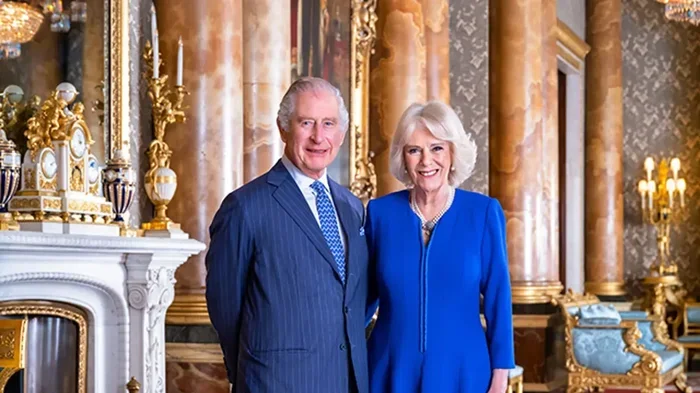
The queen consort meaning refers to the wife of a reigning king. She holds a royal title and supports the monarch but does not rule in her own right. A queen consort plays a vital role in the royal family, carrying out public duties, charitable work, and ceremonial responsibilities. Understanding this title helps clarify the difference between a queen consort and a queen regnant, who reigns with full sovereign power.
Have you ever wondered what the queen consort meaning actually is? Maybe you saw it on the news when King Charles became king, and Camilla received a new title. Or perhaps you stumbled across the term while reading about royal history. Either way, you are not alone. Many people hear the words “queen consort” and feel confused about what they really mean.
The queen consort meaning is simpler than most people think. At its core, a queen consort is the wife of a reigning king. She shares his life, supports his work, and takes on important royal duties. But she does not rule the country on her own. That is a very different role, and understanding the distinction matters a lot. In this article, we will break down everything you need to know about the queen consort definition, the history behind it, and what the role looks like today.
By the time you finish reading, you will have a clear picture of what a queen consort does, why the title matters, and how it fits into the broader world of royal titles. Let us dive right in.
Key Takeaways
- Queen consort meaning: The wife of a reigning king who supports but does not rule.
- Queen consort vs queen regnant: A queen regnant rules in her own right; a queen consort does not hold sovereign power.
- Historical roots: The role dates back centuries and has evolved significantly over time.
- Modern duties: Today’s queen consort focuses on charity, public engagement, and supporting the monarch.
- Notable examples: Camilla, Queen Consort of the United Kingdom, is the most recent example of this royal title.
- Global relevance: The title exists in many monarchies around the world, not just in Britain.
- Common confusion: Many people mix up queen consort and queen regnant, but the difference is simple and important.
📑 Table of Contents
What Does Queen Consort Mean?
The Simple Definition
The queen consort meaning is the wife of a sitting king. The word “consort” comes from the Latin word “consors,” which means partner or companion. So a queen consort is essentially the king’s royal partner. She stands beside him during official events, joins him at state functions, and helps carry out the duties of the royal family.
Here is the key point that many people miss. A queen consort does not have the same ruling powers as the king. She cannot make laws, sign treaties on her own, or govern the country independently. Her role is supportive and ceremonial. She represents the monarchy alongside the king and helps uphold monarchy traditions that stretch back hundreds of years.
Think of it this way. The king is the head of state. The queen consort is the partner who stands next to him, sharing the spotlight and the responsibilities that come with public life. She is a royal spouse who plays a vital part in the monarchy, even if she does not hold sovereign power.
Breaking Down the Word “Consort”
The word “consort” might sound old-fashioned, but it is straightforward once you break it apart. A consort is simply a companion or partner, especially in a royal setting. When you add “queen” in front of it, you get the wife of the reigning king.
It is worth noting that the title “queen consort” is not the same as just “queen.” A woman can become queen in two very different ways. She can be born into the royal family and inherit the throne. Or she can marry a king and become a queen consort. These are two separate paths, and they lead to very different levels of power and authority.
The consort meaning applies beyond queens as well. In some royal families, the husband of a reigning queen is called a prince consort. Prince Albert, the husband of Queen Victoria, is a famous example. He was not a king, but he played a significant supporting role in the monarchy. This shows that the concept of a consort is not limited to women. It is about partnership, not power.
Queen Consort vs Queen Regnant: What Is the Difference?
Understanding Queen Regnant
This is where things get really interesting. The queen consort meaning is very different from the meaning of a queen regnant. A queen regnant is a queen who rules in her own right. She has inherited the throne, usually through a direct line of succession. She holds the same sovereign powers as any king would.
Queen Elizabeth II was a queen regnant. She became queen because her father, King George VI, passed away, and she was next in line. She did not gain her title through marriage. She ruled the United Kingdom for over 70 years, making her one of the most influential monarchs in history.
A queen regnant can make decisions, lead the government, and exercise full royal authority. Her power comes from birthright and succession, not from marriage. This is the biggest distinction between the two titles, and it is one that many people get wrong.
Side-by-Side Comparison
To make things even clearer, here is a simple comparison of the two roles:
| Aspect | Queen Consort | Queen Regnant |
|---|---|---|
| How She Gets the Title | By marrying the reigning king | By inheriting the throne |
| Holds Sovereign Power | No | Yes |
| Can Rule Independently | No | Yes |
| Role Is | Supportive and ceremonial | Sovereign and governing |
| Example | Camilla, wife of King Charles | Queen Elizabeth II |
| Royal Duties | Yes, alongside the king | Yes, as the head of state |
| Title Comes From | Marriage | Birth and succession |
As you can see from the table, the queen consort meaning is all about partnership and support, while a queen regnant holds full sovereign authority. Both roles are important, but they serve very different purposes within the royal system.
The History of Queen Consorts
Queen Consorts in Medieval Times
The queen consort meaning has deep roots in history. Going back to medieval times, queens consort played important roles in royal courts across Europe. They often came from noble families and married into the royal bloodline. Their marriages were frequently arranged to create political alliances between kingdoms.
In those early days, a queen consort had more influence than you might expect. Some queen consorts acted as advisors to their husbands. Others managed estates, oversaw household affairs, and even played a role in diplomacy. Eleanor of Aquitaine, who was queen consort of both France and England, is one of the most famous examples from this era.
However, the power of a queen consort varied greatly depending on the king and the time period. Some queens consort were kept mostly in the background. Others wielded significant informal influence behind the scenes. The queen consort role has always been shaped by the personality of the individual and the customs of the era.
How the Role Has Changed Over Centuries
Over the centuries, the queen consort meaning has evolved. In earlier times, queens consort sometimes had more direct involvement in governance. As monarchies became more constitutional, the role shifted toward ceremony, charity, and public service.
Today, a queen consort is expected to be a dignified figure who supports the monarch without stepping into his political shoes. She focuses on charitable causes, public engagements, and representing the nation at home and abroad. The modern queen consort is a symbol of stability and continuity within the royal family.
This evolution shows how the monarchy has adapted to changing times. The queen consort title has survived for centuries, but its purpose has shifted from political alliance to public service and cultural representation.
What Does a Queen Consort Actually Do?
Public and Charitable Duties
A queen consort takes on a wide range of royal duties that keep the monarchy connected to the public. These duties are not just about waving at crowds from a balcony. They involve real, meaningful work that impacts communities across the country and around the world.
Here are some of the key responsibilities a queen consort typically handles:
- Attending official events: State dinners, charity galas, national celebrations, and diplomatic receptions.
- Leading charitable organizations: Most queen consorts choose specific causes to champion, such as education, health, or the arts.
- Visiting communities: Traveling across the country to meet people, visit schools, hospitals, and local organizations.
- Supporting the monarch: Standing beside the king at key moments, from coronations to parliamentary openings.
- Representing the nation: Acting as a cultural ambassador during state visits and international tours.
These duties require a lot of time and dedication. A queen consort must be gracious, articulate, and deeply committed to public service. The role is not just a title; it is a full-time responsibility that shapes the public image of the monarchy.
Supporting the Monarch
Beyond the public-facing duties, a queen consort provides personal support to the reigning king. This is a role that rarely makes the headlines but is just as important. The king and queen consort work as a team, navigating the demands of royal life together.
The queen consort responsibilities include being a trusted advisor, a sounding board for ideas, and a steady presence during both joyful and difficult times. The partnership between a king and his queen consort is built on mutual respect and shared commitment to the monarchy.
Quick Tips for Understanding the Role
- Remember that a queen consort does not rule the country. Her power is symbolic and supportive.
- The title comes from marriage, not from birthright or election.
- A queen consort can choose her own charitable focus areas, giving her a personal legacy within the monarchy.
- The role has changed dramatically over centuries, becoming more focused on public service than political influence.
Famous Queen Consorts in History
Notable Queen Consorts from Around the World
History is full of remarkable queen consorts who left their mark on the world. While each one had a unique story, they all shared the common thread of being the wife of a reigning king. Here are a few names worth knowing:
- Queen Alexandra (wife of King Edward VII): She was beloved for her charitable work and her grace during World War I.
- Queen Mary (wife of King George V): Known for her dedication to the monarchy and her support during both World Wars.
- Queen Elizabeth The Queen Mother (wife of King George VI): She became a symbol of British resilience during World War II.
- Prince Albert (husband of Queen Victoria): A prince consort who played a major role in shaping the modern monarchy.
- Camilla, Queen Consort: The most recent example, who has embraced the title and continues to build her own role within the royal family.
Each of these figures shows that the queen consort meaning is not a one-size-fits-all role. Every queen consort brings her own personality, interests, and strengths to the position. The title carries history and tradition, but it also allows room for individual expression.
Common Mistakes People Make About Queen Consorts
There are a few common mistakes that people make when thinking about the queen consort title. Avoiding these misunderstandings will help you have a much clearer picture of the role:
- Confusing queen consort with queen regnant: This is the most common error. A queen consort is the wife of a king, while a queen regnant is a ruling queen in her own right.
- Assuming a queen consort has no power: While she does not hold sovereign power, a queen consort can wield significant influence through her charitable work and public presence.
- Thinking the title is only British: Many countries with monarchies have queen consorts, including Spain, the Netherlands, Belgium, and others.
- Believing a queen consort becomes queen regnant upon her husband’s death: This is not true. When a king dies, his wife does not automatically become the ruling queen. She becomes a queen dowager or retains the title of queen consort, depending on the circumstances.
These mistakes are easy to make, especially since the media sometimes uses the titles loosely. But understanding the correct queen consort definition is essential for anyone who wants to follow royal news with confidence.
The Modern Role of a Queen ConsortCamilla, Queen Consort
The most recent and widely discussed example of the queen consort meaning is Camilla, the wife of King Charles III. When Charles became king in September 2022, Camilla took on the title of Queen Consort. This was a significant moment for the British monarchy and sparked conversations about the role around the world.
Camilla has embraced the title with grace and purpose. She has chosen to focus on several key areas, including literacy, the arts, and support for military families. Her work shows that the modern queen consort is not just a figurehead. She is an active participant in shaping the public face of the monarchy.
Camilla’s journey to becoming Queen Consort was not without its challenges. She faced public scrutiny for many years, particularly during the time after Princess Diana’s passing. But she has grown into her role with dignity, and her dedication to charitable causes has earned her widespread respect. Her story is a powerful example of how the queen consort role can evolve with the times.
Expert Insights on the Evolving Role
Royal experts and historians agree that the queen consort meaning continues to evolve. In the past, the role was largely defined by tradition and protocol. Today, queen consorts have more freedom to choose their own causes and shape their public identities.
Dr. Anna Whitelock, a royal historian, has noted that modern queen consorts are expected to be both traditional and contemporary. They must honor the past while also connecting with modern audiences. This balance is not always easy, but it is essential for keeping the monarchy relevant and respected.
The queen consort duties have also expanded in the digital age. Queen consorts now use social media, websites, and video content to reach wider audiences and share their work. This shift shows that even centuries-old royal titles can adapt to new technologies and changing public expectations.
The role of a queen consort is not about ruling. It is about representing, supporting, and serving. That distinction is at the heart of everything this title stands for.
Queen Consorts Around the World
The Title Beyond Britain
While the British monarchy gets the most attention, the queen consort meaning applies to many royal families around the world. In Spain, the queen consort supports the king in his official duties and champions her own charitable initiatives. In the Netherlands, the queen consort plays a similar role, representing the nation at home and abroad.
Other countries with queen consorts include Belgium, Denmark, Norway, Sweden, and Japan. Each monarchy has its own traditions and customs, but the core idea remains the same. The queen consort is the king’s partner, standing beside him as he carries out his duties as head of state.
This global perspective helps us see that the queen consort title is not just a British concept. It is part of a broader system of monarchy that exists in many cultures and nations. Understanding this gives us a richer appreciation of the role and its significance.
Why Does This Title Matter?
The queen consort meaning matters because it helps us understand how monarchies work. The titles and roles within a royal family are not random. They follow a clear logic that has developed over centuries. Knowing what a queen consort is, and what she is not, gives us insight into the structure of constitutional monarchies around the world.
For regular people who are not royal experts, understanding this title can make royal news much more accessible. Instead of feeling confused when you hear the term on the news or read it in an article, you will know exactly what it means. That knowledge is empowering and helps you engage more confidently with topics related to the monarchy.
The queen consort role also matters because it reflects broader changes in society. As monarchies have become more modern and transparent, the expectations placed on queen consorts have shifted. Today, they are expected to be relatable, hardworking, and dedicated to public service. This evolution mirrors the changing relationship between monarchies and their citizens.
Conclusion
The queen consort meaning is clear and straightforward once you break it down. A queen consort is the wife of a reigning king. She supports the monarch, carries out royal duties, and represents the monarchy with grace and dignity. She does not hold sovereign power, and that distinction is what sets her apart from a queen regnant.
From medieval courts to the modern era, the role of a queen consort has evolved significantly. Today, figures like Camilla, Queen Consort of the United Kingdom, show us that this title is about partnership, service, and public engagement. The queen consort definition may be simple, but the role itself is rich with history, tradition, and real-world impact.
Now that you understand the queen consort meaning, you can follow royal news with confidence and clarity. You will know exactly what people are talking about when they mention this title, and you will be able to explain it to others as well. The next time you hear the words “queen consort,” you will know precisely what they mean. And that is a piece of knowledge that is both useful and fascinating.
Take what you have learned here and share it with friends and family who might be curious about royal titles. The more people understand the queen consort role, the better they can appreciate the traditions and workings of constitutional monarchies around the world. It is a small but meaningful step toward becoming a more informed and engaged citizen of the world.
Frequently Asked Questions
What is the queen consort meaning in simple terms?
A queen consort is the wife of a reigning king. She holds a royal title and takes part in official duties, but she does not rule the country. Her role is supportive, ceremonial, and focused on public service and representing the monarchy alongside the king.
How is a queen consort different from a queen regnant?
A queen consort gains her title through marriage to a king, while a queen regnant inherits the throne and rules in her own right. The queen regnant holds full sovereign power, but the queen consort does not. Queen Elizabeth II was a queen regnant, while Camilla is a queen consort.
Does a queen consort have any political power?
No, a queen consort does not have political power or sovereign authority. She cannot make laws or govern independently. However, she can influence public opinion and support causes through her charitable work and public engagements. Her role is symbolic and supportive rather than governing.
Can a queen consort become queen regnant after her husband dies?
No, a queen consort does not automatically become a queen regnant when her husband dies. She may become a queen dowager or retain the title of queen consort, depending on the situation. The crown passes to the next person in the line of succession, regardless of gender in modern monarchies.
Who is the current queen consort?
Camilla, the wife of King Charles III, is the current queen consort of the United Kingdom. She assumed the title in September 2022 when Charles became king. She has embraced the role with a focus on literacy, the arts, and support for military families and charitable organizations.
Do other countries have queen consorts besides the UK?
Yes, many countries with monarchies have queen consorts. Spain, the Netherlands, Belgium, Denmark, Norway, Sweden, and Japan all have or have had queen consorts. The title exists across different royal families worldwide, and the core meaning remains the same: the wife of a reigning king who supports him in his duties.