
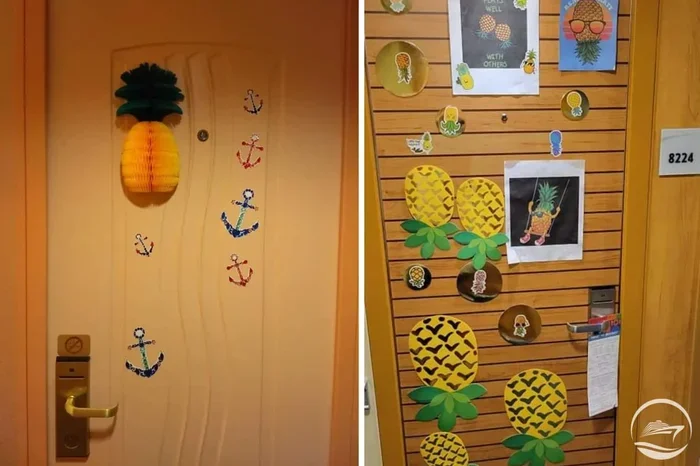
The upside down pineapple meaning goes far deeper than most people realize. This tropical fruit symbol carries centuries of history tied to hospitality, friendship, and secret social codes. Whether you spot one on a porch, in decor, or in pop culture, the upside down pineapple holds layers of significance that many overlook. In this guide, we break down every meaning, myth, and modern use so you never have to wonder again.
You have probably seen it. A pineapple, flipped upside down, sitting on a porch railing, a welcome mat, or even a tattoo on someone’s arm. At first glance, it looks like a quirky decoration. But the upside down pineapple meaning runs much deeper than most people realize. This humble tropical fruit carries a fascinating mix of history, symbolism, and modern cultural codes that have evolved over hundreds of years.
So, what is the real deal with the upside down pineapple? Why do people display it? What does it mean in different settings? And is there a hidden message behind it that you have been missing? If you have ever wondered about the pineapple symbol and its various interpretations, you are in the right place. This guide covers everything from the fruit’s ancient roots to its role in today’s world.
We are going to explore the upside down pineapple meaning in full detail. You will learn about its historical origins, its role in social signaling, how it shows up in modern decor and pop culture, and the common myths that swirl around it. By the end, you will see this tropical fruit in a completely new light.
Key Takeaways
- Hospitality Symbol: The upside down pineapple has long represented welcome, warmth, and open doors to guests.
- Secret Social Codes: In certain communities, the upside down pineapple serves as a discreet signal with specific meanings.
- Rich History: The fruit’s symbolism dates back centuries, rooted in trade routes and colonial-era traditions.
- Modern Decor Trend: Today, upside down pineapple decor is a popular design choice for its tropical and playful aesthetic.
- Pop Culture Presence: Movies, TV shows, and social media have amplified the pineapple symbol in unexpected ways.
- Multiple Meanings Exist: The upside down fruit can mean different things depending on context, location, and culture.
📑 Table of Contents
- What Does Upside Down Pineapple Mean?
- The History Behind the Upside Down Pineapple
- Upside Down Pineapple in Modern Culture
- Upside Down Pineapple in Relationships and Social Signals
- How to Use Upside Down Pineapple Decor
- Common Myths and Misconceptions
- Expert Insights on the Pineapple Symbol
- Key Takeaways
- Conclusion
What Does Upside Down Pineapple Mean?
The upside down pineapple meaning is not a single, fixed answer. It changes depending on who you ask, where you see it, and what culture you are looking at. At its core, the pineapple has always been a symbol of warmth, welcome, and generosity. When you flip it upside down, the symbolism takes on new layers and sometimes surprising twists.
In many Western cultures, the upside down pineapple on a front porch or door step is a sign of hospitality. It tells neighbors and visitors, “You are welcome here.” This tradition stretches back to the colonial era when pineapples were rare and expensive. Owning one, or displaying one, was a status symbol of wealth and open-heartedness.
But the story does not stop there. In some social circles, the upside down pineapple carries a more specific and sometimes secretive meaning. It has been used as a discreet signal in certain communities. We will dig into that later in this article. For now, just know that the pineapple symbol is versatile, rich, and full of surprises.
A Symbol of Welcome and Warmth
Let us start with the most common and widely accepted meaning. The pineapple, whether right side up or upside down, has been a hospitality symbol for centuries. In the American South, placing a pineapple on your porch or doorstep is a classic way to say “come on in, you are welcome.”
The upside down pineapple takes this a step further. Some believe that flipping the fruit signals an open invitation to strangers and travelers. It is like saying, “The door is always open.” This interpretation is especially popular among people who love hosting gatherings, dinner parties, and community events.
In Caribbean cultures, the pineapple holds deep significance too. It represents friendship, goodwill, and the sharing of resources. The tropical fruit symbol is woven into the fabric of island life and has been for generations. When people display an upside down pineapple in these regions, it often connects to these roots of community and care.
The History Behind the Upside Down Pineapple
To truly understand the upside down pineapple meaning, you need to travel back in time. The pineapple has a long and interesting history that stretches across continents and centuries. Its journey from the jungles of South America to the tables of European royals is nothing short of remarkable.
Origins in the Tropics
The pineapple plant is native to South America, particularly Brazil and Paraguay. Indigenous peoples cultivated it long before European explorers arrived. The fruit was already a part of cultural rituals and daily life in many tropical regions. Its sweet, juicy flesh made it a prized food source.
When European sailors and explorers reached the Americas in the 15th and 16th centuries, they brought the pineapple back to Europe. At the time, it was an incredibly rare and exotic fruit. Only the wealthiest people could afford it. King Ferdinand of Spain, Catherine of Aragon, and other royals were known to be fascinated by the pineapple. Its rarity made it a powerful fruit symbolism of wealth, luxury, and status.
The Pineapple as a Status Symbol
In the 17th and 18th centuries, pineapples became the ultimate status symbol in Europe and colonial America. They were so expensive that a single pineapple could cost the equivalent of several thousand dollars today. People would rent pineapples for dinner parties just to display them as centerpieces.
The upside down pineapple during this era was often used as a decorative motif on furniture, ceramics, and architecture. It was not about the fruit being literally flipped. Rather, the design of an inverted pineapple became a popular artistic choice. This pineapple tradition of using the fruit as a decorative element carried forward into modern times.
From Trade Routes to Front Porches
As trade routes expanded, the pineapple became more accessible. But its symbolic power did not fade. Instead, it evolved. Seafarers and traders adopted the pineapple as a symbol of safe return and warm welcome. Sailors would place a pineapple outside their home upon returning from a long voyage.
This tradition slowly merged with American culture. By the 19th century, the pineapple on porch had become a well-known sign of hospitality. The upside down pineapple variation added a new dimension to this already rich tradition. It gave people a way to put their own spin on the classic symbol while keeping its core meaning of welcome.
Upside Down Pineapple in Modern Culture
Fast forward to today, and the upside down pineapple has found new life in modern culture. It shows up in home decor, fashion, social media, and even tattoos. The tropical decor trend has brought the pineapple back into the spotlight, and the upside-down version adds a playful twist.
Pineapple Decor and Design
If you walk through any home goods store or browse interior design blogs, you will likely see pineapple-themed items. Wall art, throw pillows, candle holders, and tableware featuring the upside down pineapple are everywhere. People love the fun, bright, and welcoming vibe that this symbol brings to a space.
The upside down pineapple decor trend is especially popular in beach houses, tropical-themed rooms, and casual dining spaces. It adds a touch of warmth and personality. Some people choose this design simply because it looks cool. Others connect with the deeper hospitality symbol behind it.
Here are some popular ways people incorporate the upside down pineapple into their homes:
- Wall Art: Prints and paintings of the inverted fruit add a bold, tropical touch to any room.
- Outdoor Signs: Wooden or metal signs with the upside down pineapple make great porch decorations.
- Kitchen Accessories: Cutting boards, napkin holders, and salt and pepper shakers in the shape of the inverted fruit.
- Garden Decor: Planters and garden stakes featuring the pineapple symbol bring a playful vibe to outdoor spaces.
- Textiles: Throw blankets, curtains, and cushion covers with pineapple motifs create a cohesive tropical look.
Social Media and Pop Culture
The upside down pineapple has also made a big splash on social media. Platforms like Instagram, TikTok, and Pinterest are full of pineapple-themed content. People share their upside down pineapple decor setups, recipes, and even fashion choices featuring the fruit.
In pop culture, the pineapple has appeared in movies, TV shows, and music videos. It is often used as a visual shorthand for tropical vibes, fun, or a welcoming atmosphere. Some shows have used the upside down pineapple as a subtle plot device, hinting at hidden meanings or secret codes among characters.
One of the most notable pop culture moments involving the pineapple symbol was in the hit TV series “Schitt’s Creek.” The pineapple appeared throughout the show in various forms, sparking fan theories and discussions about its significance. This kind of media exposure has helped keep the upside down pineapple meaning in the public conversation.
Upside Down Pineapple in Relationships and Social Signals
Now, let us get into one of the most talked-about aspects of the upside down pineapple meaning. In certain social circles, the inverted pineapple is used as a discreet signal. This is where things get a bit more nuanced and, for some people, a little mysterious.
The Swingers Community Connection
You may have heard the rumor. In some communities, the upside down pineapple is used as a subtle code to indicate an interest in the swinging lifestyle. This meaning has been discussed widely online and has become one of the most well-known interpretations of the upside down fruit.
The idea is that displaying an upside down pineapple, whether on a porch, a car, or even on clothing, serves as a quiet signal to others who understand the code. It is meant to be discreet and recognizable only to those “in the know.” This use of the pineapple sign is similar to how other symbols have been used throughout history to communicate secretly.
It is important to note that this interpretation is not universal. Not everyone who displays an upside down pineapple is sending a secret message. Many people simply think it looks fun and tropical. The key is context. If you see one in a specific setting, the meaning might be different from what you expect.
Other Social Meanings
Beyond the swinging community connection, the upside down pineapple can carry other social meanings in different contexts. Some people use it to signal that they are open to meeting new people. Others see it as a sign of a fun, adventurous personality.
In the world of dating and social apps, some users have adopted the pineapple symbol as a way to express openness and friendliness. The upside down pineapple meaning in this context is less about secrecy and more about projecting a warm, approachable energy.
Here are some common social interpretations of the upside down pineapple:
- Open to New Connections: A signal that someone is friendly and open to meeting new people.
- Adventurous Spirit: A display of a fun-loving, spontaneous personality.
- Discreet Signal: In specific communities, a quiet way to communicate shared interests.
- Hospitality Marker: A traditional sign that guests and visitors are always welcome.
- Conversation Starter: A playful way to spark curiosity and conversation with strangers.
How to Use Upside Down Pineapple Decor
If you are feeling inspired by the upside down pineapple and want to incorporate it into your own space, there are plenty of fun and creative ways to do it. Whether you are going for a full tropical theme or just adding a subtle touch, the pineapple symbol works beautifully in many settings.
Choosing the Right Piece
Start by thinking about where you want to display the upside down pineapple. The front porch is a classic choice. A wooden sign or a decorative pineapple planter placed near the entrance sends a clear message of welcome. For indoor spaces, consider wall art or a statement piece on a coffee table.
When selecting upside down pineapple decor, think about your existing style. If your home has a coastal or bohemian vibe, a rustic wooden pineapple sign fits perfectly. For a more modern look, a sleek metal or ceramic pineapple sculpture can add a bold, contemporary touch.
Mixing It With Other Tropical Elements
The upside down pineapple shines even brighter when paired with other tropical elements. Think palm leaves, flamingo motifs, seashells, and lush green plants. These elements together create a cohesive tropical decor scheme that feels fresh and inviting.
Here are some quick tips for styling your space with the upside down pineapple:
- Keep It Balanced: Let the pineapple be the star. Do not overcrowd the space with too many tropical items.
- Play With Heights: Place a tall pineapple planter next to a shorter wall art piece for visual interest.
- Use Natural Materials: Wood, rattan, and jute complement the organic feel of the pineapple symbol.
- Add Warm Lighting: String lights or lanterns near your pineapple decor create a cozy, inviting atmosphere.
- Mix In Unexpected Colors: A bright pink or gold pineapple adds a pop of contrast against neutral tones.
Common Myths and Misconceptions
With so much talk about the upside down pineapple meaning, it is no surprise that myths and misconceptions have popped up. Let us clear up some of the most common ones so you can separate fact from fiction.
Myth: It Always Means Something Secret
This is probably the biggest myth. Many people believe that every upside down pineapple is a secret code. In reality, most people who display one simply think it looks fun and welcoming. The pineapple symbol has been used as a decoration for centuries, long before any secret codes became associated with it.
Myth: It Is Only a Southern Thing
While the upside down pineapple on porch tradition is strong in the American South, the symbol is not limited to that region. People all over the world use the pineapple as a sign of hospitality and decor. Its meaning transcends geographic boundaries.
Myth: It Is Always Negative
Some people hear about the secret code meanings and assume the upside down pineapple has a negative connotation. This is simply not true. At its heart, the pineapple is a positive symbol. It represents warmth, generosity, and friendliness. Even in contexts where it carries a more specific meaning, it is not inherently negative.
Expert Insights on the Pineapple Symbol
Cultural historians and design experts agree that the upside down pineapple meaning is a great example of how symbols evolve over time. What starts as a simple representation of hospitality can take on new layers as cultures mix and communities grow.
“Symbols are living things,” says interior design expert Maria Torres. “The pineapple has reinvented itself over the centuries. Today, it means something different to each person who displays it. That is what makes it so powerful.”
The beauty of the upside down pineapple is that it is flexible. You can interpret it in your own way. Whether you see it as a decoration, a hospitality sign, or a piece of cultural history, it adds character and warmth to any space.
Key Takeaways
- Hospitality at Its Core: The upside down pineapple meaning is fundamentally rooted in welcome and generosity.
- Historical Depth: The pineapple symbol has traveled from South American jungles to European courts to modern homes.
- Multiple Interpretations Exist: Depending on context, the upside down fruit can mean hospitality, a social signal, or simply a fun decoration.
- Modern Popularity: Upside down pineapple decor is a trending design choice that brings a tropical, playful energy to any space.
- Context Matters: The meaning of the upside down pineapple shifts based on where you see it and who is displaying it.
- Myths vs. Reality: Not every inverted pineapple carries a secret meaning. Most are simply expressions of style and warmth.
Conclusion
The upside down pineapple meaning is a fascinating topic that goes well beyond what most people assume. From its ancient roots as a symbol of hospitality and wealth to its modern role in decor, social signaling, and pop culture, the upside down pineapple has proven itself to be a remarkably versatile symbol.
Whether you display one on your porch, use it as a design element in your home, or simply appreciate its rich history, the pineapple symbol adds warmth, personality, and a touch of tropical charm to your world. The next time you see an upside down pineapple, you will know that there is much more to it than meets the eye.
So go ahead. Embrace the upside down pineapple meaning in your own way. Hang a sign on your door, add a piece of upside down pineapple decor to your living room, or just share what you have learned with a friend. The pineapple has been welcoming people for centuries. It is time you joined the tradition.
Frequently Asked Questions
What is the upside down pineapple meaning in relationships?
In some social circles, the upside down pineapple is used as a discreet signal related to the swinging lifestyle. However, this is not the only or even the most common meaning. For most people, the inverted pineapple simply represents hospitality, friendship, and a welcoming attitude. Context matters a lot when interpreting the pineapple sign in any relationship setting.
Why is the pineapple a symbol of hospitality?
The pineapple became a hospitality symbol centuries ago because it was incredibly rare and expensive. In colonial America and Europe, displaying a pineapple showed that you were wealthy and generous enough to host guests. Over time, this association stuck, and the pineapple tradition of welcoming guests became deeply embedded in Southern and Caribbean cultures. Today, the upside down pineapple carries forward this legacy of open doors and warm welcomes.
Is the upside down pineapple a secret code?
In some communities, yes. The upside down pineapple has been adopted as a subtle signal in certain social groups. That said, the vast majority of people who display one are simply using it as a fun, tropical decoration. The pineapple symbol is versatile and does not always carry a hidden meaning. Do not assume the worst or the most secretive interpretation every time you see one.
Can I use upside down pineapple decor in my home?
Absolutely. The upside down pineapple decor trend is all about adding warmth, personality, and a tropical vibe to your space. You can find wall art, signs, planters, and accessories in this style at most home goods stores. It works beautifully in kitchens, living rooms, porches, and even bathrooms. The key is to have fun with it and let the tropical fruit symbol reflect your personal style.
What does the upside down pineapple mean on a porch?
When displayed on a porch, the upside down pineapple is most commonly a sign of hospitality. It tells passersby and guests that the home is welcoming and friendly. This tradition has deep roots in American and Caribbean culture. Some people also interpret the porch pineapple as a subtle social signal, but the hospitality meaning is the most widely recognized and accepted interpretation.
Where did the upside down pineapple symbol originate?
The pineapple itself originated in South America, specifically in Brazil and Paraguay. European explorers brought it to Europe in the 15th and 16th centuries, where it became a status symbol among royalty. The upside down pineapple as a decorative motif gained popularity in the 17th and 18th centuries. Its use as a hospitality sign grew through the colonial era and into modern American culture. The pineapple history is a rich tapestry of trade, art, and social tradition.