
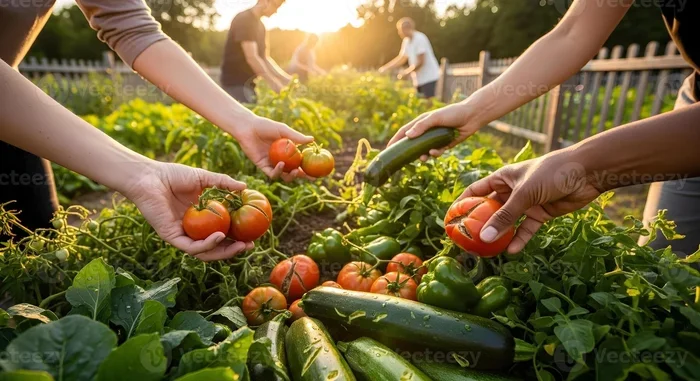
CSA stands for Community Supported Agriculture, a system where consumers buy shares of a local farm’s harvest before the growing season begins. This partnership between farmers and eaters supports sustainable farming, delivers fresh organic produce, and strengthens local food systems. Understanding CSA meaning helps you make smarter food choices and support your community.
Have you ever walked through a farmer’s market and wondered how you could get that same fresh produce delivered right to your door? You might have seen signs advertising a CSA program or heard someone mention their “farm box” from last week. The term pops up everywhere in the food and sustainability world, but what does it actually mean?
CSA meaning is simpler than most people think, yet the impact it has on local food systems is enormous. CSA stands for Community Supported Agriculture. But behind those three letters lies a powerful movement that connects farmers directly with the people who eat their food. It changes how we think about where our meals come from and who grows them.
In this article, we will break down the full CSA definition, explore how CSA programs work, and explain why millions of people around the world are signing up every year. Whether you are a food lover, a sustainability advocate, or just someone looking for fresher vegetables, this guide covers everything you need to know about what CSA stands for and why it matters.
Key Takeaways
- CSA stands for Community Supported Agriculture: A partnership model connecting local farms directly with consumers.
- CSA meaning goes beyond just food: It supports local economies, sustainable farming, and food security in communities.
- CSA shares work on a subscription basis: Members pay upfront and receive regular boxes of seasonal produce throughout the growing season.
- Multiple CSA meanings exist: CSA can also refer to Certified Securities Administrator, Customer Service Associate, and other professional or industry terms.
- Joining a CSA offers fresh, organic produce: You get farm-fresh food harvested at peak ripeness, often within 24 hours of delivery.
- Choosing the right CSA requires research: Consider farm location, share sizes, crop variety, and pickup logistics before committing.
- CSA programs reduce food waste: Farmers plan harvests based on pre-sold shares, minimizing overproduction and spoilage.
📑 Table of Contents
- What Does CSA Stand For?
- CSA Meaning in Agriculture: How Community Supported Agriculture Works
- Other Meanings of CSA Beyond Agriculture
- Benefits of Joining a CSA Program
- How to Choose the Right CSA for You
- Common Mistakes People Make When Joining a CSA
- Expert Tips for Getting the Most Out of Your CSA
- Key Takeaways
- Conclusion
What Does CSA Stand For?
The most widely recognized CSA meaning is Community Supported Agriculture. This is a farming model built on partnership and shared responsibility. Instead of buying produce from a grocery store that got it from a middleman, CSA members buy directly from the farm.
Here is how it works in simple terms. A local farm offers shares to the community before the growing season starts. Each share represents a portion of the farm’s harvest. Members pay upfront for their share, and in return, they receive a regular box of fresh produce throughout the season. This could be weekly, biweekly, or monthly depending on the program.
The beauty of this model is that it creates a direct relationship between farmers and eaters. Farmers get financial support early in the season when they need it most. Members get incredibly fresh food and a behind-the-scenes look at how their food is grown. It is a win-win arrangement that has been around for decades but has grown rapidly in recent years.
Why Is CSA So Popular Now?
The CSA movement has exploded in popularity for several reasons. First, people want to know where their food comes from. The modern food system feels disconnected. Most consumers have no idea which farm grew their tomatoes or how far those tomatoes traveled to reach their plate.
Second, concerns about food safety and pesticide use have pushed many people toward organic and locally grown options. A CSA farm box gives you transparency. You know exactly what went into growing your food because you are connected to the farmer directly.
Third, sustainability matters more than ever. Climate change, soil health, and food miles are all topics people think about daily. Supporting a local farm through a CSA program reduces transportation emissions and helps maintain agricultural land in your area. People want their food choices to align with their values.
CSA Meaning in Agriculture: How Community Supported Agriculture Works
Now that you understand the basic CSA definition, let us dive deeper into how a CSA program actually operates from season to season. Understanding the mechanics helps you appreciate why this model is so effective.
The Share Model Explained
At the heart of every CSA program is the concept of a share. A share is essentially a subscription to a farm’s harvest. When you join a CSA, you purchase a share for the season. In return, you receive periodic deliveries of whatever the farm is harvesting at that time.
Shares come in different sizes. A full share might feed a family of four. A half share works well for couples or smaller households. Some farms offer flexible options where you can choose the size that fits your budget and needs. Prices vary widely based on location, farm size, and what is included in each box.
Most CSA programs run for the full growing season, which typically spans from late spring through early fall. That is usually 20 to 24 weeks. Some farms offer winter CSA programs too, using greenhouse-grown produce or cold-hardy crops to extend the season.
What Goes Inside a CSA Box?
The contents of a CSA share box depend entirely on what is growing at the farm during that particular week. This means your box changes with the seasons. In early summer, you might receive leafy greens, strawberries, and radishes. By mid-summer, tomatoes, peppers, zucchini, and cucumbers take center stage. Fall boxes often include root vegetables, squash, and apples.
Many CSA farms also include additional items beyond vegetables. You might find eggs, honey, herbs, flowers, or even small amounts of fruit like berries or melons. Some farms partner with local producers to offer cheese, bread, or preserves alongside the produce.
One thing to keep in mind is that CSA produce is seasonal by design. You cannot expect strawberries in December if you live in a cold climate. This is actually one of the strengths of the model. Eating seasonally means your food is harvested at peak ripeness, which translates to better flavor and higher nutritional value.
The Farm-to-Table Connection
What makes CSA meaning so powerful is the farm-to-table connection it creates. In a traditional supply chain, produce might pass through five or six hands before reaching your kitchen. Each hand adds cost, time, and potential for waste. A CSA eliminates most of those middle steps.
When you participate in a CSA program, you are essentially a member of the farm. Many CSA farms invite members to visit the fields, attend harvest events, or volunteer during the growing season. This level of connection builds trust and creates a sense of community around food that is hard to find anywhere else.
Some farms also provide newsletters or recipes with each delivery. These help members learn how to cook with unfamiliar vegetables and make the most of their weekly box. It is not just about receiving food. It is about building a relationship with the land and the people who work it.
Other Meanings of CSA Beyond Agriculture
While Community Supported Agriculture is the most common meaning, CSA is an acronym used across many different industries. If you are reading about CSA in a different context, it might stand for something entirely different. Let us explore some of the other CSA meanings you might encounter.
Certified Securities Administrator
In the financial industry, CSA meaning often refers to Certified Securities Administrator. This is a professional designation for people who work in securities and financial services. A CSA in this context is someone licensed to manage and administer securities transactions and portfolios.
The Certified Securities Administrator designation is issued by the North American Securities Administrators Association, also known as NASAA. Professionals who hold this certification have passed rigorous exams covering securities law, regulations, and ethical practices. If you are dealing with financial advisors or investment firms, you might see this credential listed on their credentials.
Customer Service Associate
Another common CSA meaning in everyday business is Customer Service Associate. This refers to a frontline employee who handles customer inquiries, complaints, and support requests. Customer Service Associates work in retail stores, call centers, online platforms, and virtually every industry that interacts with consumers.
When you call a company’s support line or chat with someone on a website, you are often speaking with a Customer Service Associate. These professionals play a critical role in shaping customer experience and brand loyalty. The job requires strong communication skills, patience, and problem-solving ability.
CSA in Healthcare and Government
CSA also appears in healthcare and government contexts. In the U.S. healthcare system, CSA can refer to the Centers for Medicare and Medicaid Services Administration. In the military, it can stand for Command Sergeant Major, a senior enlisted rank. In education, some institutions use CSA to describe Community Service Activities or Community Service Awards.
The point is that what CSA stands for depends entirely on the context. When you encounter the acronym, consider the surrounding topic to determine the correct meaning. In the food and sustainability space, Community Supported Agriculture is almost always the intended meaning.
Benefits of Joining a CSA Program
So why should you consider joining a CSA program? The benefits go far beyond just getting a box of vegetables every week. Let us look at the real advantages that make CSA membership so rewarding for thousands of families.
Freshness You Can Taste
The single biggest benefit of a CSA farm box is freshness. Produce in a CSA box is typically harvested within 24 to 48 hours of delivery. Compare that to supermarket produce, which might have traveled thousands of miles and sat on a shelf for days or even weeks.
Freshly harvested vegetables taste dramatically different. A vine-ripened tomato from a local CSA farm has a sweetness and depth of flavor that you simply cannot find in a grocery store tomato picked green and ripened with ethylene gas. Once you taste the difference, it is hard to go back.
Supporting Local Farmers and the Local Economy
When you join a CSA program, your money goes directly to the farmer. You skip the grocery store markup, the distributor fees, and the long supply chain. This direct financial support helps small farms stay in business and keeps agricultural land in your community.
Local farming also creates jobs and keeps money circulating within your region. Studies show that for every dollar spent on local food, a significant portion stays within the local economy. This is called the local multiplier effect, and it is one of the most powerful reasons to support Community Supported Agriculture.
Eating Seasonally and Diversifying Your Diet
Most people eat the same few vegetables year-round. A CSA share pushes you out of that comfort zone. When your box arrives with kohlrabi, Swiss chard, or Romanesco, you are forced to try new things. This seasonal eating pattern introduces variety into your diet and expands your cooking skills.
Eating seasonally also aligns with what nature intended. Plants grown in their proper season are more nutritious and flavorful. Your body benefits from this natural rhythm. Over time, many CSA members report eating a wider variety of fruits and vegetables than they ever did before joining a program.
Reducing Your Environmental Footprint
CSA programs have a lower environmental impact than conventional food distribution. Because the produce travels a short distance from farm to table, transportation emissions are minimal. Many CSA farms also use sustainable farming practices, including organic methods, crop rotation, and minimal packaging.
When you reduce food miles, you reduce your carbon footprint. You also support farming practices that protect soil health, conserve water, and promote biodiversity. These environmental benefits add up significantly when thousands of households choose local food through a CSA program.
Building Community and Food Security
One of the most overlooked benefits of CSA meaning is the community it builds. CSA members often form connections with each other and with their farmers. Some farms host potluck dinners, farm tours, and harvest festivals that bring people together around shared values.
CSA programs also contribute to food security. By supporting local farms, communities build resilience against supply chain disruptions. When you know your food comes from a nearby farm, you are less vulnerable to the kind of shortages and delays that can affect global supply chains.
How to Choose the Right CSA for You
Ready to join a CSA program? Great choice. But not all CSAs are created equal, and finding the right fit takes a little research. Here are the key factors to consider before you commit.
Consider Your Budget and Share Size
CSA shares come at different price points. A full season share might cost anywhere from 300 to 800 dollars depending on the farm and region. Half shares and mini shares are often available for those on a tighter budget. Think about your household size and how much produce you actually consume each week.
Some farms offer payment plans or sliding scale options to make CSA membership more accessible. Do not assume it is out of reach just because the upfront cost seems high. Many programs also accept SNAP benefits or offer subsidies for low-income families.
Check What Crops the Farm Grows
Different farms specialize in different crops. Some focus on vegetables, while others include fruit, herbs, flowers, or animal products. Look for a farm whose offerings match your family’s preferences and dietary needs.
If you love leafy greens but hate turnips, you want a farm that prioritizes greens. If you are a family that cooks with lots of tomatoes and peppers, find a farm known for its summer abundance. Reading reviews and talking to current members can give you a good sense of what to expect.
Think About Pickup Logistics
Where and when do you pick up your CSA box? Most CSA programs have designated pickup locations, which might be a farm stand, a community center, or even a local grocery store. Make sure the pickup location and schedule work with your routine.
Some farms offer home delivery for an additional fee. This is convenient but often comes with a higher price tag. If you live close to a pickup point, going that route saves money and gives you a chance to connect with other CSA members in your area.
Look for Transparency and Farming Practices
Before you sign up, learn about the farm’s growing practices. Do they use organic methods? Are they certified organic or transitioning? What do they do about pest management and soil health?
A good CSA farm is transparent about its practices. Many farms publish detailed information about their methods on their websites or in their member newsletters. If you care about organic produce and sustainable agriculture, make sure the farm’s values align with yours.
Common Mistakes People Make When Joining a CSA
Jumping into a CSA program without preparation can lead to frustration. Here are some common mistakes to avoid so you get the best possible experience.
- Not understanding share sizes: Signing up for a full share when you only need a half share leads to food waste and frustration.
- Expecting variety in off-season months: CSA programs are seasonal. Do not expect strawberries in January unless you live in a warm climate or joined a winter CSA.
- Not planning meals around the box: A CSA box works best when you plan your weekly meals around what arrives. Impromptu cooking leads to wasted produce.
- Ignoring unfamiliar vegetables: Part of the CSA experience is trying new things. Skip the box if you want only familiar foods, or embrace the adventure.
- Not communicating with the farm: Good CSA programs welcome feedback. If something is not working for you, reach out. Most farms want to make the experience better for their members.
Expert Tips for Getting the Most Out of Your CSA
Once you join a CSA program, a few smart strategies will help you maximize the value and enjoyment of your weekly box.
- Plan your meals for the week around your CSA box. Check the contents when you pick up your share and build your meal plan from there. This reduces food waste and ensures you use everything before it spoils.
- Learn to store produce properly. Different vegetables have different storage needs. Leafy greens stay fresh in damp towels in the fridge. Root vegetables do best in a cool, dark place. Knowing proper storage techniques extends the life of your box significantly.
- Experiment with one new recipe per week. Use the unfamiliar vegetables in your box as a chance to try something new. Look up recipes online or ask the farm for ideas. This keeps mealtime exciting and builds your cooking skills.
- Connect with other CSA members. Many CSA programs have online groups or social media pages where members share recipes, swap extra produce, and build friendships. These connections add a social dimension to the experience.
- Communicate with your farmer. Let the farm know what you love and what you do not. Most CSA programs adjust future plantings based on member feedback. Your voice matters in shaping what grows on the farm.
Key Takeaways
- CSA stands for Community Supported Agriculture: A direct partnership between local farms and community members who share the risks and rewards of farming.
- CSA meaning in agriculture centers on shared responsibility: Members pay upfront and receive fresh, seasonal produce throughout the growing season.
- CSA programs benefit farmers and eaters equally: Farmers get early-season financial support, and members get farm-fresh food with full transparency about growing practices.
- CSA can mean other things too: Certified Securities Administrator, Customer Service Associate, and other professional or industry-specific terms depending on the context.
- Joining a CSA supports local economies and sustainability: Your food dollars stay in your community and promote environmentally friendly farming practices.
- Choosing the right CSA requires research: Consider share size, crop variety, pickup logistics, and farming methods before committing to a program.
- CSA membership is an investment in your health and community: Fresh organic produce, seasonal eating, and meaningful connections with local farms create lasting value.
Conclusion
The CSA meaning is about much more than an acronym. It represents a way of eating, shopping, and connecting that puts community and sustainability at the center of the food system. When you understand what CSA stands for, you open the door to fresher food, stronger local farms, and a more meaningful relationship with what you eat.
Community Supported Agriculture is not just a trend. It is a proven model that has been feeding communities for decades and continues to grow every year. Whether you are motivated by the desire for organic produce, the wish to support local farmers, or the goal of reducing your environmental impact, a CSA program offers a practical and rewarding path forward.
Take the time to find a farm near you. Talk to other members. Try a half share before committing to a full season. The experience of receiving a CSA box packed with just-harvested vegetables is genuinely transformative. Once you taste the difference and feel the connection to your local food system, you will wonder how you ever did without it.
Start your CSA journey today. Your health, your community, and the farmers who grow your food will all thank you for it.
Frequently Asked Questions
What does CSA stand for in food?
In the food world, CSA stands for Community Supported Agriculture. It is a model where consumers buy shares of a local farm’s harvest and receive regular deliveries of fresh, seasonal produce. This direct partnership between farmers and eaters supports sustainable farming and local food systems.
How much does a CSA share cost?
CSA share prices vary widely depending on the farm, location, and share size. A full season share typically costs between 300 and 800 dollars. Half shares and mini shares are often available for lower budgets. Many farms also offer payment plans or sliding scale options to make membership more accessible.
What kind of produce can I expect in a CSA box?
A CSA box contains whatever is currently in season at the farm. Early summer boxes often include leafy greens, strawberries, and radishes. Mid-summer brings tomatoes, peppers, zucchini, and cucumbers. Fall boxes typically feature root vegetables, squash, and apples. Some farms also include eggs, honey, herbs, or flowers alongside the produce.
Is CSA produce organic?
Many CSA farms use organic or sustainable growing practices, but not all are certified organic. Certified organic means the farm has passed specific government inspections and meets strict standards. When choosing a CSA, look for information about the farm’s practices. Most farms are transparent about their methods and welcome questions from members.
Can I join a CSA if I live in a city?
Yes, absolutely. Many CSA programs deliver to urban areas or have pickup locations in cities. Some farms even offer home delivery for an additional fee. City residents benefit greatly from CSA programs by accessing fresh, local food and supporting nearby farming communities. Check CSA directories or local farmer’s markets to find programs that serve your area.
What is the difference between CSA and a regular farm subscription?
A CSA program is a specific type of farm subscription built on the principle of shared risk. Members pay upfront before the growing season and share in both the abundance and the challenges of farming. A regular farm subscription might work more like a standard delivery service where you pay per order. CSA emphasizes the community and partnership aspect of the relationship between farm and consumer.