
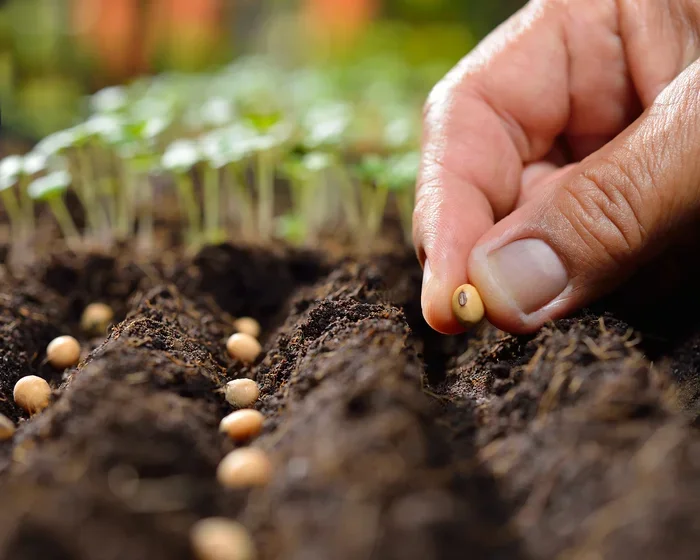
The word “sow” carries a rich and layered meaning that goes far beyond simple planting. Whether you are a gardener, a farmer, or just curious about language, understanding the sow meaning opens up a world of history, agriculture, and everyday expressions. This guide breaks down every definition, its origins, and how people use it today.
Have you ever stopped to think about what the word sow meaning really covers? At first glance, it might seem simple. You plant seeds in the ground. Done. But dig deeper, and you will find a word that carries centuries of history, multiple definitions, and a surprising connection to one very loud farm animal.
The sow meaning stretches across agriculture, language, culture, and even everyday conversations. Farmers use it when they prepare their fields. Gardeners whisper it when they start their spring planting. And writers use it in proverbs that teach powerful life lessons. In this article, we will explore every side of this fascinating word. You will learn where it came from, how it is used today, and why it still matters in modern life.
By the time you finish reading, you will have a clear and complete understanding of sow meaning in all its forms. Let us get started.
Key Takeaways
- Multiple Meanings: “Sow” can mean to plant seeds or refer to a female pig, depending on context.
- Deep Etymology: The word has Old English and Germanic roots that connect to growth and nurturing.
- Agricultural Importance: Proper sowing techniques directly impact crop yield and harvest quality.
- Rich Idioms: English is full of sayings that use “sow” to teach life lessons about cause and effect.
- Gardening Relevance: Home gardeners benefit greatly from understanding how and when to sow seeds.
- Cultural Significance: The act of sowing appears in myths, religions, and folklore across the world.
- Easy to Master: With basic knowledge, anyone can improve their planting results and language skills.
📑 Table of Contents
What Does Sow Mean?
The word “sow” has more than one meaning. This makes it a fun word to study. In its most common use, sow meaning refers to the act of planting seeds. You scatter them on soil or place them in rows. The seeds then grow into plants, crops, or flowers. This is the meaning most people think of first.
But there is another meaning that surprises many people. “Sow” also refers to a female pig, especially one that has had piglets. This pronunciation is the same but the meaning is completely different. Context tells you which one someone means. If a farmer talks about sowing a field, they mean planting. If a farmer talks about a sow in the barn, they mean the pig.
Both meanings are important. Both are used every day. And both share a deep connection to growth and life. Let us look at each one in detail.
The Primary Meaning: Planting Seeds
When most people search for sow meaning, they want to know about seed planting. This is the verb form of the word. You sow seeds. You do not plant them in a pot and forget them. Sowing is an active process that requires care and attention.
Farmers sow seeds in large fields. Gardeners sow seeds in small raised beds. Even homeowners sow grass seed on bare patches of lawn. The word covers all of these activities. It means to distribute seeds over a surface of soil so that plants can grow.
The beauty of sowing lies in its simplicity. You do not need fancy equipment. You need soil, water, seeds, and patience. The act of sowing connects humans to nature in a very direct way. You place a tiny seed in the ground. Days later, a green shoot appears. Weeks later, you have food, flowers, or a lush lawn. That transformation starts with sowing.
The Secondary Meaning: A Female Pig
Now let us talk about the other sow meaning. In animal husbandry, a sow is an adult female pig. She has given birth to at least one litter of piglets. Before that, she is called a gilt. After she has piglets, she earns the title of sow.
This meaning comes from Old English as well. The word “sow” for a female pig has been part of the language for over a thousand years. It shares roots with similar words in other Germanic languages. In Dutch, “zow” means a sow. In German, “Sau” refers to a female pig. These connections show how the word traveled through time and across borders.
You will hear this meaning on farms, in veterinary settings, and in rural conversations. It is less common in everyday city talk, but it is just as real and important. Both meanings of the word are valid. Both deserve your attention.
The Agricultural Meaning Of Sow
Agriculture is where the sow meaning shines the brightest. Farming depends on the proper timing and technique of sowing. A farmer who sows at the right time can expect a strong harvest. A farmer who sows too early or too late may lose the entire crop.
Sowing is not just tossing seeds around randomly. It is a science and an art. Farmers consider soil temperature, moisture levels, and seasonal weather patterns. They choose the right method for their crop and their land. Every decision affects the final yield.
Methods Of Sowing Seeds
There are several common methods used in agriculture and gardening. Each method has its own advantages. Let us look at the most popular ones.
- Broadcast Sowing: This is the simplest method. You scatter seeds evenly over the soil surface. It works well for crops like wheat, oats, and grass. The downside is that seeds may not be evenly spaced, which can reduce yield.
- Drill Sowing: A seed drill places seeds in neat rows at a consistent depth. This method gives each seed enough space to grow. It is the most common method in modern large-scale farming.
- Hand Sowing: Small-scale farmers and gardeners often sow by hand. You use your fingers or a simple scoop to place seeds in the soil. This method gives you the most control over spacing and depth.
- Dibbling: This method uses a stick or tool to make a small hole in the soil. You drop a seed into each hole and cover it. It works well for larger seeds like beans and corn.
Best Time To Sow Seeds
Timing is everything when you sow. The right window gives your seeds the best chance to germinate. Sowing too early can expose seeds to frost damage. Sowing too late can mean your crops do not mature before cold weather returns.
Most farmers follow local frost dates. The general rule is to sow after the last spring frost. Soil temperature matters too. Many seeds need the soil to be at least 50 to 60 degrees Fahrenheit before they sprout. Cool-season crops like lettuce and peas can go in earlier. Warm-season crops like tomatoes and peppers need warmer soil.
Here are some quick tips for timing your sowing:
- Check your local frost dates before planning your sowing schedule.
- Use a soil thermometer to confirm the temperature is right.
- Read the seed packet for specific sowing depth and spacing instructions.
- Start seeds indoors if your growing season is short.
- Consider succession planting to extend your harvest over several weeks.
Sow As A Female Pig
The second sow meaning might surprise people who only know the word from gardening. A sow is a mature female pig that has reproduced. She plays a vital role in pig farming and animal agriculture.
Sows are valued for their ability to produce large litters. A healthy sow can give birth to 10 to 12 piglets per litter. Some breeds produce even more. Farmers carefully manage their sows to ensure healthy pregnancies and strong piglets.
The Life Cycle Of A Sow
Understanding the life cycle of a sow helps you appreciate the word in its animal context. Here is how it works:
- Gilt Stage: A young female pig that has not yet given birth is called a gilt. She is still growing and developing.
- First Farrowing: When a gilt gives birth to her first litter, she becomes a sow. This is a big milestone in pig farming.
- Breeding Cycle: Sows go through regular breeding cycles. They are bred, pregnant for about three months, and then give birth again.
- Nursing Period: After birth, the sow nurses her piglets for several weeks. She is very protective and attentive during this time.
- Retirement: After several years of productive breeding, a sow may be retired from the breeding program.
The word “sow” in this context has been part of English for centuries. It reflects the deep connection between humans and farm animals. Without sows, pork production would not be possible on any meaningful scale.
The Etymology And Deep Roots Of Sow
Every word has a story. The sow meaning in both its forms traces back to ancient languages. Understanding the etymology of “sow” gives you a deeper appreciation of the word and its place in English.
Old English Origins
The word “sow” comes from Old English. In Old English, the word “sugu” or “sēow” referred to a female pig. This form is closely related to similar words in other Germanic languages. The Dutch word “zow” and the Old Norse “sauðr” share the same root.
Over time, the pronunciation and spelling shifted. The word also took on a second meaning related to planting. This happened because of a shared concept: putting something into the ground to let it grow. The connection between a mother pig giving birth and seeds growing into plants is a poetic one.
The Proto-Germanic Root
Linguists trace “sow” back to Proto-Germanic, an ancient language that predates modern English by thousands of years. The root word meant something related to sound or swelling, which connects to the idea of growth and creation. This ancient meaning still echoes in how we use the word today.
The sow meaning has evolved over centuries, but its core ideas remain the same. Growth. Nurturing. Creation. Whether you are talking about a mother pig or a bag of seeds, the word carries a sense of potential and new life.
Sow In Other Languages
The concept of sowing appears in many languages around the world. In Latin, the word “sero” means to sow. This root gives us words like “series” and “serum.” In Greek, “speirein” means to sow or to scatter. These shared roots show how central the act of sowing is to human civilization.
Every culture that farms has words for sowing. The concept is universal. It connects all of humanity through our shared relationship with the soil and the seeds we plant.
How To Properly Sow Seeds
Now that you understand the sow meaning in theory, let us talk about practice. Whether you are a beginner gardener or an experienced farmer, proper sowing techniques make a big difference. You can improve your results with just a few key steps.
Step-By-Step Guide To Sowing Seeds
Follow these steps for the best results when you sow seeds:
- Prepare The Soil: Clear the area of weeds and debris. Loosen the soil with a rake or fork. Add compost or organic matter to improve fertility.
- Check The Conditions: Make sure the soil temperature and moisture levels are right for the seeds you are planting. Most seeds need warm, moist soil to germinate.
- Follow Spacing Guidelines: Read the seed packet carefully. Each plant needs a specific amount of space to grow. Crowded plants compete for water and nutrients.
- Sow At The Right Depth: A general rule is to plant seeds at a depth two to three times their diameter. Tiny seeds like lettuce should sit on the surface. Large seeds like beans need deeper planting.
- Water Gently: After sowing, water the area lightly. You do not want to wash the seeds away. Use a gentle spray or a watering can with a fine rose.
- Monitor And Maintain: Keep the soil consistently moist until seeds germinate. Once seedlings appear, adjust your watering schedule as needed.
Common Mistakes When Sowing
Even experienced gardeners make mistakes. Here are some common errors to avoid:
- Sowing Too Deep: If seeds are planted too deep, they may not have enough energy to reach the surface. Follow the recommended depth on the seed packet.
- Overcrowding: Sowing too many seeds in one spot leads to weak, leggy plants. Thin seedlings once they sprout to give each plant room to grow.
- Ignoring Soil Prep: Skipping soil preparation is one of the biggest mistakes. Healthy soil leads to healthy plants. Take the time to enrich your soil before sowing.
- Sowing At The Wrong Time: Timing is critical. Sowing warm-season crops too early in cold soil can result in poor germination or seed rot.
- Inconsistent Watering: Seeds need consistent moisture. Letting the soil dry out during germination can kill young seedlings.
Quick Tips For Better Sowing Results
Here are some expert tips that can help you get the most out of your sowing efforts:
- Label every row or pot so you remember what you planted and when.
- Use a marker or stick to measure spacing and depth consistently.
- Start with easy-to-grow seeds like radishes, lettuce, or sunflowers.
- Keep a sowing journal to track what worked and what did not.
- Rotate your crops each season to keep the soil healthy and productive.
Common Phrases And Idioms With Sow
The word “sow” appears in many English idioms. These expressions carry deep wisdom and cultural significance. Understanding them adds richness to your language skills and your appreciation of the sow meaning beyond just agriculture.
You Reap What You Sow
This is perhaps the most famous idiom involving the word “sow.” It means that your actions have consequences. Good actions lead to good results. Bad actions lead to bad results. The phrase comes directly from the agricultural practice of sowing seeds and then harvesting the crop.
You cannot sow seeds and expect nothing to grow. You cannot sow weeds and expect a harvest of fruit. The same principle applies to life. What you put into the world comes back to you. This idiom teaches responsibility and accountability.
To Sow Discord
This phrase means to create conflict or disagreement among people. Just as sowing seeds leads to growth, sowing discord leads to division and strife. The metaphor is powerful and clear.
A Sow’s Ear
The phrase “you cannot make a silk purse out of a sow’s ear” means you cannot create something valuable from poor-quality materials. It reminds us that the starting point matters. A sow’s ear is a rough, imperfect thing. Trying to turn it into something fine is a fool’s errand.
These idioms show how deeply the sow meaning is woven into everyday English. Even people who never plant a seed in their lives use these expressions regularly.
The Cultural And Symbolic Significance Of Sowing
Sowing is more than a farming task. It is a powerful symbol in culture, religion, and mythology. The act of planting seeds represents hope, renewal, and the promise of abundance.
Sowing In Religion And Mythology
Many religious traditions use sowing as a metaphor for spiritual growth. In Christianity, Jesus often used farming parables to teach his followers. The Parable of the Sower is one of the most well-known stories in the Bible. It teaches about different types of hearts and how they receive the word of God.
In Greek mythology, Demeter is the goddess of the harvest and sowing. She taught humans how to grow grain and cultivate the earth. Her story connects sowing to themes of love, loss, and the cycles of nature.
In Hinduism, the goddess Lakshmi is associated with wealth and prosperity. Sowing is seen as an act that invites abundance into one’s life. The connection between sowing and prosperity is universal across cultures.
Sowing In Modern Culture
Today, the concept of sowing appears in literature, film, and music. It is a metaphor for starting something new. When someone begins a business, they are sowing seeds of success. When a teacher inspires a student, they are sowing seeds of knowledge. The sow meaning has expanded far beyond the farm.
Environmental movements also use the language of sowing. Organizations encourage people to sow native seeds to restore ecosystems. Community gardens invite neighbors to sow together and build connections. The act of sowing brings people together around a shared purpose.
Key Takeaways
- Multiple Definitions: The sow meaning includes both planting seeds and referring to a female pig. Context determines which meaning applies.
- Rich Etymology: The word traces back to Old English and Proto-Germanic roots connected to growth and nurturing.
- Agricultural Core: Proper sowing techniques are essential for successful farming and gardening. Timing, depth, and spacing all matter.
- Cultural Depth: Sowing appears in religious texts, myths, idioms, and modern metaphors across cultures worldwide.
- Practical Value: Understanding how to sow correctly can dramatically improve your garden or farm yields.
- Language Connection: Common English idioms like “reap what you sow” show how deeply the word is embedded in daily speech.
- Universal Symbol: Sowing represents hope, creation, and the promise of future abundance in virtually every human culture.
Conclusion
The sow meaning is far richer than most people realize. It is a word that bridges the gap between ancient farming practices and modern language. It connects us to the soil, to animals, and to the timeless cycles of growth and harvest.
Whether you are a farmer preparing your fields for spring, a gardener starting seeds on a windowsill, or someone who just wants to understand a tricky English word, the sow meaning has something valuable to offer. It teaches us about patience, cause and effect, and the quiet power of putting something small into the ground and trusting it to grow.
The next time you hear or read the word “sow,” you will know there is much more to it than meets the eye. You will think about the seeds in the soil, the pig in the barn, and the centuries of human wisdom wrapped up in a single word. And that is what makes language so wonderful. A simple word can carry the weight of history, the promise of harvest, and the depth of human experience. Now you are ready to use the word with confidence and understanding. Go ahead and sow some seeds, whether in your garden or in your knowledge.
Frequently Asked Questions
What is the primary sow meaning in everyday language?
The primary sow meaning in everyday language is the act of planting seeds. When someone says they will sow seeds in their garden, they mean they are going to place seeds in the soil so that plants can grow. This is the most common use of the word in both farming and home gardening contexts.
How do you tell the difference between the two meanings of sow?
Context is your best guide. If someone is talking about fields, crops, or planting, they mean to scatter seeds. If they are talking about farm animals, piglets, or livestock, they mean a female pig. The pronunciation is the same for both meanings, so listening to the surrounding conversation helps you understand which sow meaning applies.
Where does the word sow come from etymologically?
The word “sow” comes from Old English “sēow” or “sugu,” which referred to a female pig. It has deep roots in Proto-Germanic and is related to similar words in Dutch and German. The agricultural meaning developed over time as the concept of planting became closely associated with the idea of nurturing growth, much like a mother sow cares for her young.
Can you sow seeds indoors?
Yes, you absolutely can. Indoor sowing is a popular method for starting seeds before the growing season begins. You use seed trays, pots, or containers filled with seed-starting mix. This approach gives you a head start and protects young seedlings from outdoor weather. Once the danger of frost has passed, you can transplant them into your garden.
What does the idiom “you reap what you sow” mean?
This idiom means that your actions have consequences. If you do good things, good things will come back to you. If you do harmful things, you will face negative results. The phrase comes directly from farming, where sowing seeds leads to a harvest. You cannot sow corn and expect to harvest wheat. The same principle applies to life choices.
Is sowing the same as planting?
Sowing and planting are closely related but not exactly the same. Sowing typically refers to scattering or distributing seeds over a surface of soil. Planting often involves placing individual seeds or seedlings into prepared holes or rows. In everyday conversation, people use both words interchangeably, but in agriculture, the distinction matters for technique and equipment.