
The double entendre meaning is a fun way to say two things at once with one phrase. It adds humor, wit, and hidden layers to everyday conversations. Whether you find it in movies, songs, or casual chats, understanding this wordplay makes language more exciting and expressive.
Have you ever heard a joke that made you do a double take? You smiled at one level, but then a second meaning hit you, and you laughed even harder. That feeling is the magic of double entendre meaning. It is one of the oldest and most beloved tricks in the world of language. People use it in jokes, movies, songs, and even casual chats without realizing it.
At its core, double entendre is a figure of speech. It gives one phrase two possible meanings. Often, one meaning is innocent and the other is a little cheeky or clever. The beauty lies in the fact that both meanings can exist at the same time. You get to choose which one lands, depending on your mood or your audience.
In this guide, we will break down the double entendre meaning in plain, simple terms. You will learn how it works, where you can find it, and how to use it yourself. Whether you are a writer, a comedian, or just someone who loves clever language, this article has something for you. Let us dive in and explore the wonderful world of double meanings.
Key Takeaways
- Double entendre meaning refers to a phrase that carries two interpretations, one often playful or subtle.
- This literary device has been used in comedy, literature, and film for centuries to add depth and humor.
- Context plays a huge role in how listeners or readers pick up on the second meaning.
- Using double entendre in your writing can make conversations and content more engaging and memorable.
- It differs from innuendo, though both rely on suggested or hidden meanings.
- Practicing this form of wordplay can sharpen your creative writing and comedic timing.
- Learning to spot double entendre in daily life helps you appreciate language nuance and clever expression.
📑 Table of Contents
What Is the Double Entendre Meaning?
The Basic Definition
The double entendre meaning comes from a French phrase. It literally translates to “a double meaning.” In English, we use the term to describe any statement that can be understood in two different ways. One meaning is usually straightforward and obvious. The second meaning is often hidden, playful, or a bit mischievous.
Think of it as a linguistic gift. The speaker says one thing, but the listener gets a bonus. This second layer adds surprise, humor, or even a little flirtation. It is the kind of wordplay that makes people feel smart when they catch it. And it makes everyone else smile, even if they do not fully get the second meaning right away.
The Two Layers of Meaning
Every double entendre has two distinct layers. The first layer is the surface meaning. It is what you hear or read right away. The second layer is the hidden meaning. It sits underneath, waiting to be discovered.
Here is a simple example:
- Surface meaning: A person says, “I used to be a baker, but I could not make enough dough.”
- Hidden meaning: “Dough” also means money. So the sentence works on two levels at once.
This two-part structure is what gives the double entendre meaning its charm. The listener processes the first meaning quickly. Then, a moment later, the second meaning clicks into place. That little “aha” moment is what makes this form of wordplay so satisfying.
How Double Entendre Works in Everyday Conversation
The Role of Context
Context is everything when it comes to double entendre. The same phrase can be completely innocent in one setting and wildly suggestive in another. The people involved, the tone of voice, and the situation all shape how the message lands.
For example, imagine someone at a coffee shop saying, “That latte is really hitting the spot.” In a normal context, this is just a compliment about a good drink. But if the tone changes, and the setting shifts, the same words could take on a completely different vibe. The words did not change. The context did.
This is why double entendre meaning thrives in conversations where the atmosphere is relaxed and playful. When people are in a lighthearted mood, they are more likely to pick up on the second layer. In serious or formal settings, the hidden meaning often goes unnoticed.
Why People Use Double Entendre
People turn to double entendre for many reasons. Here are some of the most common ones:
- To add humor: A clever double meaning can turn an ordinary sentence into a laugh.
- To be subtly flirty: It allows people to say something suggestive without being too direct.
- To show wit: Using this kind of wordplay signals intelligence and creativity.
- To share a private joke: Only those who catch the second meaning feel like insiders.
- To soften a bold statement: The hidden layer lets the speaker say something edgy while maintaining plausible deniability.
No matter the reason, the result is the same. The conversation becomes more interesting. There is more going on beneath the surface. And that is exactly what makes double entendre so appealing.
Famous Examples of Double Entendre in Pop Culture
Double entendre has a long history in entertainment. Writers and comedians have used it for centuries to delight audiences. Let us look at some of the most memorable examples.
Double Entendre in Movies and TV
Animated films are a goldmine for this type of wordplay. In Disney movies, the writers often include jokes that kids enjoy on one level and adults enjoy on another. This technique keeps the whole family entertained.
In live-action comedies, double entendre is a staple. Characters in shows like The Office or Friends frequently use phrases that carry a second, funnier meaning. The best part is that these jokes do not feel forced. They blend naturally into the dialogue.
Here are some quick examples from popular culture:
- A character says, “I am not superstitious, but I am a little stitious.” — The humor comes from blending “superstitious” with “stitious,” creating a fake word that sounds playful.
- In many classic films, characters use innocent-sounding lines that take on a whole new meaning when you think about the situation.
Double Entendre in Music
Songwriters love double entendre. It lets them write lyrics that feel personal and universal at the same time. A song about one topic can secretly be about something else entirely.
Artists like Prince, The Beatles, and Bob Dylan have all used this technique masterfully. Their songs reward careful listeners who pick up on the second meaning. It adds depth and keeps people coming back to the music again and again.
Some songwriters use double entendre to get past radio censors, too. By saying something innocent on the surface, they can sneak in a bolder message. This clever trick has been a part of music for decades.
Double Entendre vs. Innuendo: What Is the Difference?
People often confuse double entendre with innuendo. While they are related, they are not the same thing. Understanding the difference helps you appreciate both forms of wordplay even more.
Double entendre is a specific phrase or statement that has two clear meanings. Both meanings are present in the words themselves. The speaker uses language that naturally supports both interpretations.
Innuendo, on the other hand, is more indirect. It hints at something without stating it outright. Innuendo relies on suggestion rather than actual wordplay. The speaker does not say two things at once. Instead, they plant a seed of a thought in the listener’s mind.
Here is a simple way to remember the difference:
- Double entendre: One sentence, two meanings, both built into the words.
- Innuendo: A subtle hint or implication that suggests something without directly saying it.
Both tools are powerful. Both add richness to language. But knowing when to use each one makes your communication sharper and more effective.
How to Use Double Entendre in Your Own Writing
Tips for Crafting Clever Double Meanings
Want to add some double entendre to your writing? Here are some practical tips to get you started:
- Start with a word that has multiple meanings. Words like “bank,” “bark,” “crane,” or “match” work great. Build a sentence around one meaning, and let the other meaning sit quietly underneath.
- Think about your audience. Double entendre works best when the reader or listener is paying attention. If your audience is relaxed and engaged, they are more likely to catch the second layer.
- Keep it natural. The best double entendre meaning does not feel forced. It should flow smoothly within the conversation or text. If it feels awkward, try a different word or phrase.
- Use context to set the stage. The situation around your words helps signal that a second meaning might be hiding. A playful tone or a raised eyebrow from the speaker can hint that something more is going on.
- Practice with everyday phrases. Look at common sayings and see if you can give them a second life. “It is raining cats and dogs” could become a joke about a messy pet disaster with a little creative reframing.
Common Mistakes to Avoid
Even experienced writers can stumble when using double entendre. Here are some pitfalls to watch out for:
- Making it too obvious: If the second meaning screams too loudly, it stops being clever and starts being distracting.
- Using it too often: Like any tool, overuse dulls the effect. A well-placed double meaning hits hard. A dozen in one paragraph feels cluttered.
- Ignoring context: Without the right setting, your audience may miss the second meaning entirely. And if they do not get it, the joke falls flat.
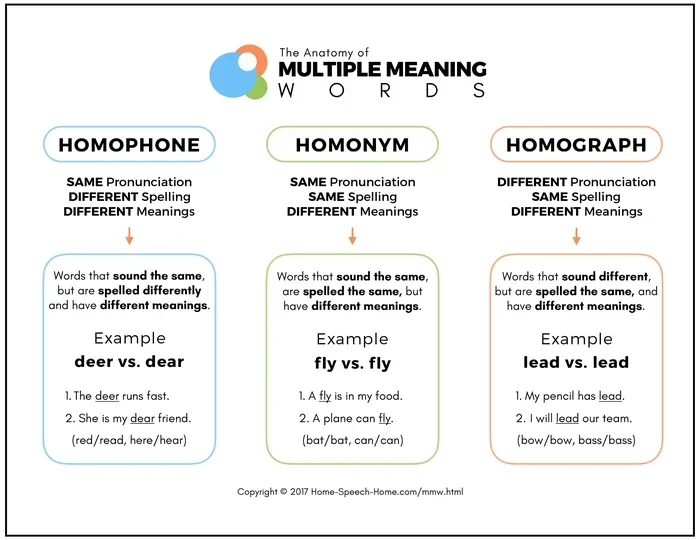
- Confusing it with simple puns: A pun relies on words that sound alike. Double entendre relies on words with different meanings but the same wording. Keeping this distinction clear helps you use both tools more effectively.
Why Double Entendre Matters in Communication
Double entendre meaning is more than just a party trick. It plays a real role in how we connect with others through language. When we use or catch a double meaning, we engage in a shared moment of creativity. Both the speaker and the listener participate in building the message.
This form of wordplay also builds community. Inside jokes, clever references, and shared laughter create bonds between people. When you and a friend both catch the second meaning of a phrase, you feel a little closer. You share a secret understanding that others might miss.
In literature, double entendre adds layers of depth to characters and themes. Authors use it to reveal hidden motivations, add humor to serious moments, or create tension between what is said and what is meant. Great writers understand that language is never just about the surface. There is always more going on beneath the words.
In everyday life, mastering the art of double entendre makes you a better communicator. You learn to read between the lines. You become more aware of the subtle messages that surround you every day. And you gain a fun new tool for making your own conversations more lively and engaging.
The beauty of this wordplay is that anyone can use it. You do not need to be a poet or a comedian. You just need to pay attention to the words you already know and see how they can work in two directions at once. That is the real power of double entendre.
So the next time someone says something that makes you pause and smile, take a moment. Think about what they really meant. You might discover a whole second message hiding in plain sight. And that discovery, that little spark of understanding, is what makes language truly magical.
Double entendre meaning reminds us that words are never just words. They are doors with multiple handles. And once you know how to look for them, you will find them everywhere — in conversations, in books, in songs, and in the funny things your friends say every day.
Wrapping It Up
The double entendre meaning is one of the most delightful tools in the English language. It gives ordinary words a second life. It turns simple conversations into moments of surprise and connection. And it rewards those who listen closely and think creatively.
Whether you encounter it in a movie, a song lyric, a witty comeback, or a casual chat with a friend, double entendre adds a layer of richness that makes language come alive. It is playful, clever, and endlessly versatile.
Now that you understand how it works, keep your ears open. You will start noticing double entendre everywhere you go. And maybe, just maybe, you will even start using it yourself. That is the best part of learning about language — it gives you new ways to play, connect, and express yourself every single day.
Frequently Asked Questions
What does double entendre mean in simple words?
Double entendre meaning refers to a phrase or statement that has two possible interpretations. One meaning is usually straightforward, while the other is often playful, suggestive, or clever. The listener gets to enjoy both layers of the message at the same time.
Is double entendre the same as a pun?
Not exactly. A pun relies on words that sound similar but have different meanings. Double entendre uses the same words but relies on two different meanings of those words. Both are forms of wordplay, but they work in distinct ways.
Where did the term double entendre come from?
The phrase comes from French, where it literally means “a double meaning.” It entered English usage centuries ago and has been a staple of comedy, literature, and everyday conversation ever since.
Can double entendre be offensive?
It depends on the context and the audience. Most of the time, double entendre is lighthearted and fun. However, if the hidden meaning is inappropriate or the audience is not comfortable with that type of humor, it can feel awkward or offensive. Always consider your audience before using it.
How can I spot double entendre in daily conversations?
Pay attention to words that have more than one meaning. When a sentence seems to make perfect sense on the surface but also fits another scenario, you have likely spotted a double entendre. Listening for tone and context helps too.
Is double entendre used in professional writing?
It can be, but it is more common in creative writing, comedy, advertising, and entertainment. In professional or formal writing, it is best used sparingly and only when it adds genuine value. Overuse can distract from the main message.