
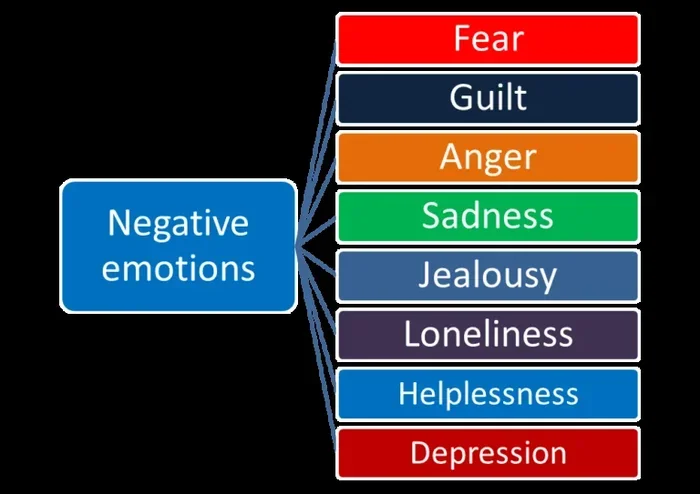
The despise meaning goes far beyond a simple dislike. It represents a deep, intense feeling of hatred and contempt toward someone or something. Understanding this powerful word helps you express strong emotions more clearly and navigate difficult relationships with confidence.
What does it really mean to despise something or someone? The despise meaning goes much deeper than simply not liking something. When you despise something, you feel a powerful mix of hatred, disgust, and contempt. This is not a light dislike or a mild annoyance. It is a strong emotional reaction that can affect how you think, feel, and behave every single day.
Understanding the despise meaning matters more than most people realize. Words shape how we see the world. When you use strong words like despise correctly, you communicate your true feelings with clarity and confidence. Whether you are writing a story, having a tough conversation, or just trying to understand your own emotions, knowing the exact meaning of despise helps you put your feelings into words the right way.
In this article, we will explore the full despise meaning in detail. You will learn how it differs from similar words, when people typically feel this way, and how to use it correctly in real-life situations. We will also look at the psychology behind these intense feelings and offer practical advice for handling them in a healthy way.
By the end, you will have a clear, confident understanding of what despise really means and why this word carries so much emotional weight. Let us dive in.
Key Takeaways
- Despise meaning: It means to feel intense hatred or contempt for someone or something.
- Despise vs. hate: Despise carries a deeper, more personal level of disgust than regular hatred.
- Common usage: People use despise when they feel strong negative emotions that go beyond ordinary dislike.
- Psychology connection: Feeling despise often stems from betrayal, disrespect, or repeated negative experiences.
- Healthy expression: Understanding and processing feelings of despise can lead to better emotional health.
- Despise synonyms: Words like loathe, abhor, and detest share similar meanings but carry different emotional weights.
📑 Table of Contents
- What Is the Despise Meaning and Why Should You Care?
- How Despise Differs from Other Strong Words
- Despise Meaning in Everyday Conversations
- The Psychology Behind Feeling Despise
- Using Despise Correctly: Examples and Tips
- How to Deal with Feelings of Despise
- Despise Meaning Across Cultures and Languages
- Despise Meaning and Emotional Intelligence
- Conclusion
What Is the Despise Meaning and Why Should You Care?
The despise meaning in the simplest terms is this: to feel a deep and intense hatred or disgust toward someone or something. When you despise something, it is not just that you do not like it. You actively feel repulsed by it. You may feel anger, frustration, or even disgust when you think about it.
Dictionaries define despise as a feeling of deep contempt or hatred. But the real despise meaning goes beyond dictionary definitions. It lives in how people actually use the word in everyday life. You might despise a behavior, a person, a situation, or even yourself in moments of deep frustration.
Why Understanding Despise Matters
You might wonder why understanding the despise meaning is so important. After all, it is just one word in a huge vocabulary. But words like despise carry enormous emotional weight. Here is why they matter:
- Clarity in communication: When you know the exact despise meaning, you can express your feelings precisely. Instead of saying “I really do not like this,” you can say “I despise this.” The difference is huge.
- Emotional awareness: Understanding strong words helps you recognize and process your own emotions. If you feel despise toward something, it signals that something deeper is going on inside you.
- Better relationships: Knowing how to express intense feelings correctly can prevent misunderstandings. When you tell someone you despise their behavior (not them as a person), it communicates your boundary clearly.
- Stronger writing: Whether you write articles, stories, or social media posts, using words like despise with precision makes your writing more powerful and engaging.
Think about it this way. Imagine you are at work and a coworker keeps taking credit for your ideas. You might feel annoyed. But if this continues over weeks and months, that annoyance can grow into something much deeper. The despise meaning captures that transformation from mild irritation to deep emotional rejection. It is the word that describes when your patience has completely run out.
Another reason the despise meaning matters is that it helps you set boundaries. When you can clearly name your emotions, you communicate them better. Saying “I despise this behavior” is far more powerful than saying “I do not like this.” It leaves no room for misunderstanding. The other person knows exactly where you stand.
How Despise Differs from Other Strong Words
One of the most common questions people ask is how the despise meaning compares to other strong negative words. Words like hate, loathe, detest, and abhor all describe intense negative feelings. But each one carries a slightly different emotional tone and context. Let us break it down so you can use each word with confidence.
Despise vs. Hate
Hate is a broad word. You can hate almost anything. You might hate rain, hate traffic, or hate a certain food. The despise meaning is more personal and intense. When you despise something, it feels deeper. It is not just a reaction. It is a settled feeling of disgust and contempt.
Think of it this way. You might hate a song because it is annoying. But you despise a person who has betrayed your trust. The despise meaning involves a moral or emotional judgment that hate alone does not always carry. Hate can be fleeting. Despise tends to be more permanent and deeply rooted.
Here is another way to think about it. You can hate a food because it tastes bad. But you despise a person who has hurt someone you love. The despise meaning involves a level of personal investment and emotional stakes that hate does not always require.
Despise vs. Loathe
Loathe and despise are very close. Both describe intense dislike. But loathe often has a stronger physical reaction attached to it. When you loathe something, you might feel sick to your stomach. The despise meaning is more about emotional contempt and disgust rather than a physical response.
People often use loathe when talking about food or habits. You might loathe the taste of a certain vegetable. But you despise a person who has wronged you deeply. The despise meaning centers more on the emotional and moral level. It is about who someone is or what they represent, not just how they make you feel physically.
Despise vs. Detest and Abhor
Detest means to feel intense dislike or hatred. It is very close to despise. Abhor is even stronger. It comes from Latin and means to regard with horror and disgust. While the despise meaning is intense, abhor carries an extra layer of moral outrage. You might despise a coworker who annoys you. But you abhor cruelty or injustice.
Here is a quick comparison table to help you see the differences clearly:
| Word | Intensity Level | Emotional Tone | Common Usage |
|---|---|---|---|
| Despise | Very High | Contempt, disgust, personal disgust | People, behaviors, values |
| Hate | High | Anger, aversion, strong dislike | Broad, many subjects |
| Loathe | Very High | Physical disgust, deep aversion | Food, habits, experiences |
| Detest | High | Strong dislike, hostility | Behaviors, people, situations |
| Abhor | Extreme | Moral horror, deep revulsion | Actions, cruelty, injustice |
As you can see, the despise meaning sits at a very high intensity level. It is personal, emotional, and carries a sense of contempt that sets it apart from other strong words. Use this table as a quick reference the next time you are trying to pick the right word for how you feel.
Despise Meaning in Everyday Conversations
You hear the word despise more often than you might think. People use it in casual conversations, in social media posts, in books, and in movies. Understanding how the despise meaning shows up in real life helps you use it naturally and confidently.
Common Situations Where People Feel Despise
There are certain situations where the despise meaning comes up naturally. Here are some of the most common ones:
- Betrayal: When someone you trust deeply lets you down, you might despise their actions. This is one of the most common triggers for feelings of despise.
- Disrespect: Repeated disrespect from a coworker, family member, or friend can build up until you feel despise toward that person.
- Injustice: Seeing unfair treatment of others can make you despise the system or the person responsible.
- Hypocrisy: People who say one thing and do another often inspire feelings of despise. The despise meaning fits perfectly with the disgust people feel toward fake behavior.
- Personal values violated: When someone acts against your core values, the despise meaning captures that deep emotional rejection.
- Manipulation: When someone tries to control or manipulate you, the despise meaning often arises as a protective emotional response.
Despise in Casual and Formal Settings
In casual conversations, people might say things like “I despise waking up early” or “I despise when people are late.” These uses are lighthearted and common. The despise meaning in these contexts is more about strong preference or annoyance than deep hatred.
In more formal or serious settings, the despise meaning carries much more weight. You might despise a political leader’s policies. You might despise the way a company treats its workers. In these cases, the word reflects genuine moral or emotional conviction.
The key is context. The despise meaning shifts depending on what you are talking about and how you feel about it. Learning to read that context is part of mastering this powerful word. Pay attention to how the people around you use despise. Notice the tone, the situation, and the intensity. This will help you develop a natural feel for when the word fits and when it does not.
Another important thing to note is that the despise meaning has evolved over time. In older literature, despise was used more formally and with a sense of high moral judgment. Today, it is used more casually in everyday speech. Both uses are correct. The meaning stays the same, but the tone and formality shift depending on the setting.
The Psychology Behind Feeling Despise
Why do people feel despise? The answer lies in human psychology. Feelings of despise are not random. They usually come from a place of deep emotional pain, repeated frustration, or a violation of personal values. Understanding the psychological roots of despise can help you make sense of your own feelings and respond to them more wisely.
The Emotional Roots of Despise
Psychologists explain that despise often stems from a sense of violation. When someone crosses a boundary that matters deeply to you, your brain registers it as a threat. This triggers a strong emotional response. Over time, if the behavior continues, that response can solidify into the despise meaning we recognize as deep contempt and disgust.
Here are some emotional roots that commonly lead to feelings of despise:
- Broken trust: Trust is foundational in relationships. When it breaks, the emotional response can be intense. The despise meaning often follows when trust is destroyed repeatedly.
- Repeated disrespect: A single rude comment might make you angry. But constant disrespect builds up. Eventually, it can transform into despise.
- Moral violation: When someone acts in ways that go against your moral beliefs, the despise meaning kicks in as a protective emotional response.
- Loss of control: Feeling powerless in a situation can lead to despise. When you cannot change something that hurts you, the emotional response often turns into contempt.
- Perceived injustice: When you feel that you or someone else has been treated unfairly, despise can arise as a way of asserting that the behavior is unacceptable.
Is Feeling Despise Normal?
Many people worry that feeling despise means something is wrong with them. It does not. Feeling despise is a normal human emotion. It is your mind and body telling you that something is deeply wrong or harmful to you.
The key is how you handle it. Feeling despise is natural. Acting on it in destructive ways is where the real problem lies. Understanding the despise meaning helps you process these feelings in a healthy way instead of letting them control you.
Research in psychology shows that labeling your emotions accurately is one of the best ways to manage them. When you can name what you feel as despise, you take power away from the emotion. You move from being controlled by it to understanding it. This is a crucial skill for emotional maturity and mental health.
Using Despise Correctly: Examples and Tips
Now that you understand the despise meaning deeply, let us look at how to use it correctly. Proper usage makes your communication clearer and more impactful. Using the wrong word in the wrong context can dilute your message or confuse your audience.
Despise in a Sentence: Examples
Here are some practical examples of how to use despise in different contexts:
- “I despise dishonesty in any form.” (Moral conviction)
- “She despises the way her boss micromanages every task.” (Workplace frustration)
- “He despises waking up before the sun comes up.” (Casual preference)
- “They despise the corruption in their local government.” (Social and political concern)
- “I despise it when people judge others without knowing them.” (Personal value statement)
- “I despise the way she lied to my face.” (Personal betrayal)
- “He despises laziness and expects everyone to give their best effort.” (Value-based statement)
Tips for Using Despise Effectively
Using despise correctly is about more than just dropping it into a sentence. Here are some practical tips:
- Match the intensity: The despise meaning is very strong. Do not use it for mild annoyances. Save it for situations where you genuinely feel deep contempt or disgust.
- Be specific: Instead of saying “I despise everything,” focus on what exactly you despise. Specificity makes your words more powerful and credible.
- Separate the person from the behavior: You can despise someone’s actions without despising who they are as a person. This distinction matters in healthy communication and conflict resolution.
- Use it to set boundaries: Saying “I despise this behavior” is a clear way to communicate your limits. It tells others exactly where you stand without being overly aggressive.
- Avoid overuse: If you use despise too often, it loses its impact. The despise meaning carries weight because it is a strong word. Use it sparingly for maximum effect.
- Consider your audience: Some people may be taken aback by the intensity of the word. Choose your words based on who you are speaking to and the context of the conversation.
Common Mistakes When Using Despise
Here are some mistakes to avoid when using this word:
- Using it too casually: Saying “I despise pizza” dilutes the real despise meaning. Reserve the word for situations that truly deserve its intensity.
- Confusing despise with dislike: Dislike is mild. Despise is intense. Do not use them interchangeably.
- Directing despise at yourself excessively: While you can despise certain behaviors in yourself, constantly saying “I despise myself” is harmful and unhealthy.
- Using despise as a substitute for honest communication: Sometimes people say “I despise you” when what they really mean is “I am hurt.” Learning the despise meaning helps you choose more accurate words.
- Ignoring the consequences: Saying you despise someone can cause real emotional damage. Make sure you are ready for the impact of those words before you say them.
How to Deal with Feelings of Despise
Feeling despise can be overwhelming. It is a heavy emotion that can consume your thoughts and drain your energy. Learning how to handle these feelings in a healthy way is essential for your emotional well-being and your relationships with others.
Acknowledge Your Feelings
The first step is to acknowledge what you feel. Do not suppress or ignore your emotions. The despise meaning is real and valid. If you feel despise toward something or someone, that feeling deserves to be recognized.
Try journaling about what you feel. Write down why you feel this way. What triggered these emotions? Understanding the source helps you process the feeling more effectively. Many people find that simply naming the emotion reduces its power over them.
Channel the Energy Constructively
Feelings of despise carry a lot of emotional energy. Instead of letting that energy eat you up, channel it into something positive. Here are some ideas:
- Set firm boundaries: If you despise someone’s behavior, take action to protect yourself. Set clear boundaries and enforce them consistently.
- Talk to someone you trust: Sharing your feelings with a friend, family member, or therapist can help you process them and gain perspective.
- Focus on what you can control: You cannot always change the person or situation you despise. But you can control your own response and your own actions.
- Use the emotion as motivation: Sometimes the despise meaning can fuel positive change. Let your disgust with a bad situation motivate you to make better choices in your own life.
- Practice self-care: Intense emotions like despise can be exhausting. Make sure you are taking care of your physical and mental health during difficult emotional periods.
When to Seek Professional Help
If feelings of despise are consuming your daily life, it may be time to seek professional support. A therapist or counselor can help you work through these intense emotions in a safe and constructive way. There is no shame in asking for help. Processing deep emotions like despise is a sign of emotional strength, not weakness.
Therapists can also help you understand whether your feelings of despise are rooted in past experiences or current situations. Sometimes the despise meaning we feel is connected to deeper wounds that we have not fully processed. A professional can guide you through that exploration with care and expertise.
Despise Meaning Across Cultures and Languages
The despise meaning is not limited to one culture or language. Almost every language has a word that captures this intense feeling of hatred and contempt. Exploring how different cultures express this emotion gives us a richer understanding of the despise meaning itself.
In Japanese, the word “keiraku” conveys a sense of disgust and contempt. In Spanish, “despreciar” carries a similar weight to despise in English. In Arabic, “yabgha” expresses deep hatred and aversion. In French, “mépriser” captures the same sense of looking down on something with contempt. Each culture has found ways to express this powerful emotion, which shows how universal the feeling truly is.
Understanding the despise meaning across cultures also helps in cross-cultural communication. What triggers despise in one culture might not have the same effect in another. Being aware of these differences makes you a more empathetic and effective communicator. It also reminds us that while the word may differ, the emotion behind it is something we all share as human beings.
Despise Meaning and Emotional Intelligence
Emotional intelligence plays a big role in how we understand and handle feelings of despise. People with high emotional intelligence can recognize when they feel despise and process it in a healthy way. They do not let the emotion control their actions or damage their relationships unnecessarily.
Building Emotional Intelligence Around Strong Emotions
Here are some ways to build your emotional intelligence when it comes to handling strong feelings like despise:
- Practice self-awareness: Pay attention to your emotions throughout the day. When you feel a strong negative reaction, pause and ask yourself why. Understanding the despise meaning in your own experience is the first step toward emotional mastery.
- Develop empathy: Try to understand why other people act the way they do. This does not mean you have to accept bad behavior. But empathy helps you respond thoughtfully instead of reacting impulsively.
- Learn to pause: When you feel despise rising, take a moment before reacting. This simple pause can prevent you from saying or doing something you will regret.
- Reflect regularly: Set aside time each week to reflect on your emotions. What triggered strong feelings? How did you handle them? What could you do differently next time?
- Practice active listening: Sometimes feelings of despise arise from misunderstandings. Listening carefully to others can help you see situations from a different perspective and reduce the intensity of your emotions.
Understanding the despise meaning is one part of emotional intelligence. Using that understanding wisely is the other part. Together, they help you navigate even the most intense emotions with grace and clarity. The goal is not to never feel despise. The goal is to feel it, understand it, and choose your response thoughtfully.
Conclusion
The despise meaning is powerful, personal, and deeply emotional. It goes far beyond simple dislike. When you despise something, you feel intense hatred, disgust, and contempt. This word carries weight because it reflects some of the strongest negative emotions humans experience.
Understanding the despise meaning helps you communicate more clearly, process your emotions more effectively, and navigate difficult relationships with confidence. Whether you are using the word in conversation, in writing, or simply trying to understand your own feelings, knowing what despise truly means gives you a valuable tool for self-expression and emotional growth.
Remember that feeling despise is a normal part of being human. The goal is not to never feel this way. The goal is to understand your emotions, express them appropriately, and use them as a force for positive change in your life. The despise meaning is not something to fear. It is something to understand and master.
Take what you have learned from this article and apply it. Pay attention to your own feelings. Use strong words like despise with intention and care. And when you feel this powerful emotion, handle it with the awareness and maturity it deserves. Your emotional vocabulary is a gift. Use it wisely and let it help you live a more honest and emotionally intelligent life.
Frequently Asked Questions
What is the simple definition of despise?
The simple definition of despise is to feel a deep and intense hatred or disgust toward someone or something. It goes beyond ordinary dislike and involves strong feelings of contempt and repulsion. When you despise something, you actively reject it on an emotional level.
How is despise different from hate?
Hate is a broad feeling of intense dislike. The despise meaning is more personal and carries a deeper sense of contempt and disgust. Despise often involves a moral judgment that hate alone does not always include. You might hate traffic, but you despise betrayal.
Can you despise yourself?
Yes, people can feel despise toward themselves, usually directed at certain behaviors or habits rather than their entire identity. However, constantly feeling despise toward yourself is unhealthy. If you struggle with self-directed despise, talking to a mental health professional can help you process these feelings in a constructive way.
Is despise a strong word?
Yes, despise is one of the strongest words in the English language for expressing negative feelings. It sits at a very high intensity level, above words like dislike and hate. You should use it when you genuinely feel deep contempt or disgust, not for mild annoyances or small frustrations.
What are some common synonyms for despise?
Common synonyms for despise include loathe, detest, abhor, and contempt. Each word carries a slightly different emotional tone. Loathe often involves physical disgust, while abhor carries moral outrage. The despise meaning centers on deep emotional contempt and personal disgust that is rooted in moral or emotional judgment.
Can feeling despise ever be healthy?
Feeling despise is a natural human emotion and can be healthy when processed correctly. It signals that a boundary has been crossed or a core value has been violated. The key is to acknowledge the feeling, understand its source, and channel it constructively rather than letting it control your actions or damage your relationships.