
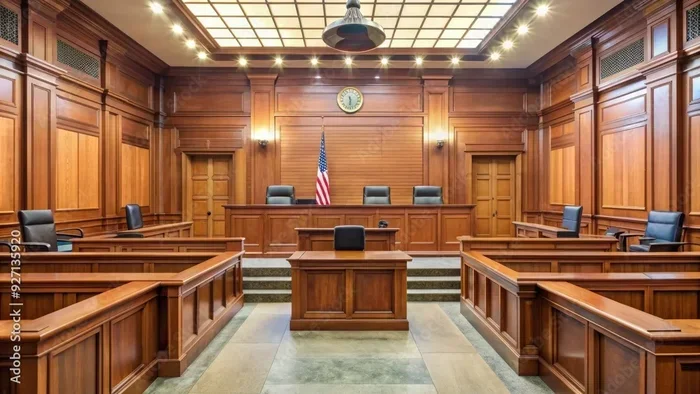
The absentia meaning refers to a legal situation where someone is tried or judged without being present in court. This Latin term is used across criminal and civil law systems worldwide. Understanding absentia in law helps you grasp how courts handle cases when a defendant cannot or will not show up.
Have you ever come across the word “absentia” and wondered what it actually means? You are not alone. Many people stumble upon this Latin legal term and feel confused. The absentia meaning is simpler than it sounds, and once you understand it, you will see it pop up in news stories, legal dramas, and even everyday conversations about the legal system.
In plain words, absentia refers to a situation where a court proceeds with legal proceedings even though one party is not present. Most of the time, we are talking about a defendant who is missing, hiding, or has chosen not to show up. Courts around the world use this concept to keep the wheels of justice moving. Without it, many cases would stall forever.
This guide breaks down the absentia definition in a way that anyone can understand. We will explore its history, how it works in different types of law, and what it means for real people. By the end, you will have a clear and confident understanding of this important legal concept.
Key Takeaways
- Absentia meaning: A legal proceeding where a person is tried or judged without being physically present in court.
- Latin origin: The term comes from Latin and has been used in legal systems for centuries.
- Criminal and civil use: Trial in absentia applies in both criminal and civil court proceedings around the world.
- Rights matter: Many countries require specific legal safeguards before proceeding with judicial proceedings in absentia.
- Default judgment: In civil cases, failing to respond often leads to a default judgment against the absent party.
- International law: Absentia plays a role in international courts and extradition treaties.
- Know your rights: Understanding legal terminology like absentia helps you protect yourself in court.
📑 Table of Contents
What Does Absentia Mean?
The absentia meaning comes straight from Latin. It translates roughly to “in the absence” or “while absent.” When a court hears a case in absentia, it means the person who should be there is not physically present. The judge still moves forward with the court proceedings and makes a ruling.
Think of it this way. Imagine you are called to court for a hearing. You ignore the summons, skip the date, and never show up. The judge does not simply dismiss the case. Instead, the court may continue without you. That is the essence of absentia in law. The court still has the power to rule, and the ruling can affect your life just as much as if you had been there.
This concept exists because courts cannot wait forever. People move, hide, or refuse to participate. The legal system needs a way to handle these situations fairly and efficiently. That is exactly what the absentia definition provides.
Why Is the Term in Latin?
Many legal terms come from Latin. This is because Roman law heavily influenced modern Western legal systems. Terms like pro bono, habeas corpus, and absentia have survived for centuries. They carry precision and tradition. When lawyers and judges use these terms, they connect to a long history of judicial proceedings.
The word “absentia” itself comes from the Latin root “absens,” which means “absent” or “away.” Over time, it became a standard term in courts across Europe and eventually spread worldwide. Today, you will find it in legal codes from Italy to the United States.
A Brief History of Absentia in Legal Systems
The use of absentia in court dates back thousands of years. Ancient Roman courts sometimes ruled on cases when a party was not present. However, they also had strict rules to protect the rights of the absent person. This balance between efficiency and fairness has shaped how trial in absentia works today.
During the Middle Ages, European courts adopted Roman legal principles. The concept of judging someone who was not present became more formalized. Courts in England, France, and the Holy Roman Empire all developed their own rules around absentia.
How It Evolved Over Centuries
In early legal systems, punishing someone who was not present raised big questions. Was it fair? Could a person defend themselves if they were not there? These concerns led to the development of procedural law — the set of rules that governs how courts operate.
Modern legal systems have refined these rules significantly. Today, most countries require courts to notify the defendant properly before proceeding in absentia. If the person was never properly informed, the ruling can often be overturned. This evolution shows how the legal system has grown to value both justice and fairness.
Absentia in Different Legal Traditions
Not all legal systems treat absentia the same way. Civil law countries, like France and Italy, use trial in absentia more commonly. Common law countries, like the United States and the United Kingdom, tend to be more cautious. In the U.S., the Constitution generally guarantees the right to be present. However, there are exceptions, especially in federal cases.
This difference in approach shows how culture and legal tradition shape the use of absentia in law. Understanding these differences helps us appreciate why the absentia meaning can vary depending on where you are.
Absentia in Criminal Law
Criminal absentia is one of the most dramatic uses of this concept. When someone is accused of a crime and flees the country or hides from authorities, the court may still pursue a conviction. This is known as being tried in absentia.
In many countries, criminal trial in absentia is a well-established practice. Italy, France, and Spain all allow courts to convict a defendant who is not present. The prosecution still must prove guilt beyond a reasonable doubt. The defendant still has certain rights, even from afar.
How Criminal Trial in Absentia Works
The process typically follows these steps:
- The court issues a warrant or summons for the defendant.
- The defendant is formally notified of the charges and hearing date.
- If the defendant does not appear, the court may proceed in absentia.
- The judge hears evidence from both sides.
- A court ruling is issued, which may include a conviction or sentence.
One important point: the defendant can often request a retrial if they return to the country. This protects their right to a fair hearing. The absentia meaning in criminal law is not about punishing people unfairly. It is about ensuring that serious cases do not go unresolved.
Famous Criminal Cases Involving Absentia
History is full of notable criminal absentia cases. Some of these shaped public opinion and legal policy.
In Italy, the trial in absentia of mafia bosses has been common for decades. Courts have convicted powerful crime figures who fled the country. These convictions are often used as leverage in extradition requests.
Another well-known example involves Nazi war criminals. After World War II, some fugitives were tried and convicted in absentia by courts in Europe. These rulings helped bring justice even when the accused were hiding in different countries.
More recently, courts in various countries have issued absentia rulings in terrorism cases. When suspects are beyond the reach of local law enforcement, these rulings serve as formal declarations of guilt.
Absentia in Civil Law
Civil absentia works differently from the criminal side. In civil cases, one party sues another for money, property, or other disputes. When the defendant fails to respond or show up, the court may issue a default judgment.
A default judgment means the court rules in favor of the plaintiff because the defendant did not participate. This is one of the most common ways absentia shows up in everyday life. Many people encounter it during divorce proceedings, debt collection, or property disputes.
The Role of Default Judgment
A default judgment is essentially the civil law version of being tried in absentia. Here is how it typically works:
- The plaintiff files a lawsuit and serves the defendant with papers.
- The defendant has a set period to respond.
- If the defendant ignores the papers or fails to respond, the court may grant a default judgment.
- The court ruling then becomes enforceable, often through wage garnishment or asset seizure.
This process highlights why understanding the absentia meaning matters for regular people too. It is not just about dramatic courtroom scenes. It affects real lives every day.
How to Avoid a Default Judgment
If you are served with court papers, do not ignore them. Even if you cannot afford a lawyer, showing up matters. Here are some practical tips:
- Read all court documents carefully and note every deadline.
- Respond to the complaint within the time allowed.
- Go to every scheduled hearing, even if you feel nervous.
- Talk to a legal aid organization if you cannot afford representation.
- File a motion to vacate a default judgment if you were never properly notified.
These steps can protect you from the consequences of absentia. Courts generally prefer that people participate. They want a fair chance to present your side of the story.
How Does Trial in Absentia Work Internationally?
International law adds another layer to the absentia meaning. When crimes cross borders, courts in different countries may need to coordinate. Trial in absentia becomes especially important in cases involving fugitives, extradition, and international crime.
Many countries have extradition treaties. These agreements allow one country to request the return of a suspect from another country. A court ruling made in absentia can sometimes support an extradition request. However, not all countries honor these requests equally.
The European Convention on Human Rights
The European Convention on Human Rights (ECHR) has specific rules about trial in absentia. The European Court of Human Rights has ruled that judicial proceedings in absentia must meet strict standards. The defendant must have been properly notified and given a chance to participate.
If these standards are not met, the court ruling can be challenged. This shows how seriously the international community takes fairness in legal proceedings. The absentia definition in international law is shaped by these human rights protections.
Absentia and International Courts
International courts, such as the International Criminal Court (ICC), also deal with absentia situations. When high-profile suspects like war criminals are at large, these courts may proceed with trials even without the accused present. The rulings send a powerful message: justice does not disappear just because a person flees.
However, international courts also face criticism. Some argue that being tried in absentia violates fundamental rights. Others believe it is a necessary tool for fighting impunity. This debate continues to shape how absentia in law is used on the global stage.
Common Mistakes People Make About Absentia
There are several misunderstandings about the absentia meaning that trip people up. Let us clear some of them up.
Mistake 1: Thinking Absentia Means the Case Is Over
A court ruling made in absentia is not always final. In many legal systems, the defendant can request a new trial if they return or become aware of the proceedings. This is a crucial safeguard that many people overlook.
Mistake 2: Believing Absentia Only Applies to Criminals
As we discussed, civil absentia is extremely common. Divorce cases, debt disputes, and contract disagreements all involve default judgments when a party does not show up. The absentia meaning is broader than most people realize.
Mistake 3: Assuming All Countries Use Absentia the Same Way
Legal systems vary widely. What is acceptable in one country may be considered a violation of rights in another. Always consider the legal system of the specific country when thinking about absentia in law.
Mistake 4: Ignoring Court Papers
Some people believe that if they simply ignore a lawsuit or criminal charge, it will go away. This is dangerously wrong. Courts can and will proceed in absentia. The resulting court ruling can have serious consequences, including fines, imprisonment, or asset seizure.
Quick Tips for Understanding Absentia
Here are some fast, practical tips to help you remember and use what you have learned about the absentia meaning:
- Think of it as “while absent”: Anytime you hear in absentia, picture a courtroom where someone is missing.
- It applies to both sides: In civil cases, either the plaintiff or the defendant can be absent.
- Notification matters: Courts must prove the absent party was properly informed. This is a key legal requirement.
- Retrial rights exist: Many systems allow a new trial if the person was not given a fair chance to participate.
- International cooperation is key: Extradition treaties and international courts rely on absentia rulings to pursue justice across borders.
Expert Insights on Absentia
Legal experts emphasize that the absentia meaning is not about bypassing fairness. It is about balancing efficiency with justice. According to procedural law scholars, the key is proper notification and the opportunity to be heard.
“The purpose of trial in absentia is not to punish someone for being absent,” explains a prominent legal terminology expert. “It is to ensure that the court can still deliver justice when one party cannot or will not participate.”
This perspective is important. The absentia definition is rooted in the idea that justice should not be delayed forever. At the same time, modern legal systems have built in protections to prevent abuse.
Key Takeaways
- Absentia meaning: A legal proceeding where a person is tried or judged without being physically present in court.
- Latin origin: The term comes from Latin and has been used in legal systems for centuries.
- Criminal and civil use: Trial in absentia applies in both criminal and civil court proceedings around the world.
- Rights matter: Many countries require specific legal safeguards before proceeding with judicial proceedings in absentia.
- Default judgment: In civil cases, failing to respond often leads to a default judgment against the absent party.
- International law: Absentia plays a role in international courts and extradition treaties.
- Know your rights: Understanding legal terminology like absentia helps you protect yourself in court.
Conclusion
The absentia meaning is a powerful and important concept in the legal system. Whether it appears in a criminal courtroom in Italy or a civil dispute in the United States, the core idea remains the same: justice moves forward even when someone is not present.
Understanding absentia in law empowers you as a citizen and a consumer of legal information. You now know what it means to be tried in absentia, how default judgments work, and why international courts use this concept. You also know how to protect yourself if you ever face court proceedings.
The absentia definition is more than just a fancy Latin term. It represents the ongoing effort to balance efficiency with fairness in the pursuit of justice. As legal systems continue to evolve, the way courts handle proceedings in absentia will likely change too. But the core principle will remain: no one should be able to hide from accountability forever.
Take what you have learned here and share it with others. Legal knowledge is power, and understanding terms like absentia meaning helps everyone navigate the legal system with greater confidence and clarity.
Frequently Asked Questions
What is the simple absentia meaning?
Absentia means being tried or judged while not physically present in court. It comes from Latin and is used when a defendant fails to show up for a hearing or trial. The court can still proceed and issue a ruling.
Is trial in absentia legal in the United States?
The United States generally requires defendants to be present for criminal trials. However, there are exceptions in federal cases and certain criminal law situations. Civil cases often proceed with a default judgment when a party does not respond or appear.
Can an absentia ruling be overturned?
Yes, in most legal systems, an absentia ruling can be challenged. The defendant typically needs to show they were not properly notified or were unable to attend. A new hearing or retrial may be granted under these circumstances.
How does absentia relate to extradition?
A court ruling made in absentia can support an extradition request. When a suspect flees to another country, the original country may use the absentia conviction as part of the legal basis for bringing the person back to face justice.
What is the difference between criminal absentia and civil absentia?
Criminal absentia involves a person being tried for a crime without being present. Civil absentia usually results in a default judgment when a party fails to respond to a lawsuit. Both involve judicial proceedings without the absent party, but the stakes and procedures differ.
Why do courts use absentia instead of dismissing the case?
Courts use absentia to avoid unnecessary delays and ensure justice is served. If a case is dismissed every time a defendant is absent, serious crimes might never be resolved. The legal system needs a way to move forward while still protecting the rights of all parties involved.