
The op meaning in slang refers to “original poster” in online forums or “overpowered” in gaming contexts. This guide covers how to use op correctly in texting, social media, and casual conversations with real examples. Whether you are new to internet slang or just brushing up, you will learn everything you need to know about op right here.
If you have ever scrolled through Reddit, Discord, or TikTok and saw the word op pop up, you are not alone. The op meaning can change depending on where you see it. Sometimes it stands for “original poster.” Other times it means “overpowered.”
Slang words like op move fast. They spread through social media, gaming chats, and group texts. If you do not know what op means, you might feel left out of the conversation. This guide will break down everything you need to know about the op meaning in simple, easy-to-follow steps.
By the end of this article, you will understand how to use op in text messages, gaming lobbies, forum posts, and everyday chats. You will also learn where the word came from, common mistakes people make, and tips to sound natural when you use it. Let us dive right in.
Key Takeaways
- Op means “original poster” in forums: It refers to the person who started a thread or conversation online.
- Op means “overpowered” in gaming: Gamers use op to describe characters, weapons, or abilities that are too strong.
- Op is used in texting and social media: Young people use op as a quick slang word in direct messages and posts.
- Context matters a lot: The same word op can mean something totally different depending on where you see it.
- Op has roots in gaming culture: The term grew from early online multiplayer communities and forums like Reddit.
- Using op correctly shows you understand modern internet language: It helps you connect with younger online communities.
📑 Table of Contents
Understanding the Op Meaning in Slang
The word op has become one of the most popular slang terms in English. You will see it everywhere online. But its op definition is not always the same. The meaning shifts based on the platform, the topic, and the community using it.
At its core, op has two main meanings. The first is “original poster.” The second is “overpowered.” Both are widely used, but they come from different worlds. Let us explore each one so you can tell them apart easily.
Where Did the Term Originate?
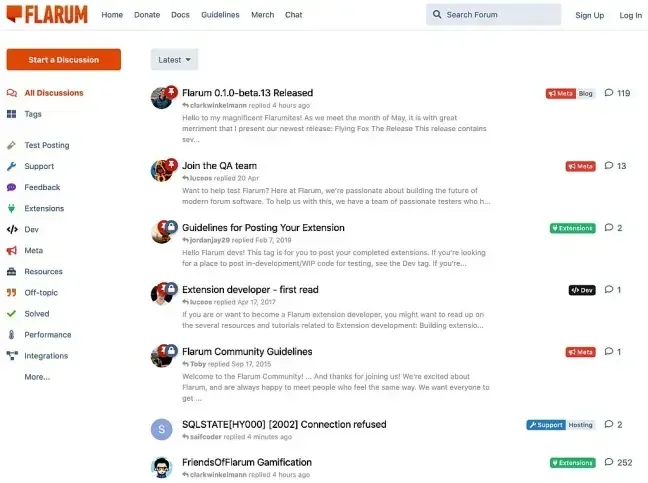
The word op started in early internet forums. Sites like Reddit, 4chan, and gaming boards needed a quick way to label the person who created a post. So they shortened “original poster” to just “op.” This made it easy to say things like “the op is wrong” or “what does the op think?”
At the same time, the gaming world was using op to describe something that was too strong. A character with too many abilities. A weapon that dealt too much damage. Gamers needed a short word for this, and op fit perfectly. Over time, both meanings became mainstream.
How Op Is Used in Different Contexts
Context is everything when it comes to op meaning in slang. The same word can mean two very different things depending on where you see it. Here are the main contexts where you will run into op:
- Online forums: Op refers to the person who started the thread.
- Gaming: Op describes something that is too powerful or unfair.
- Texting: Op can mean original poster or just a casual way to refer to someone.
- Social media: Op is used in comments and captions to reference the creator of a post.
- Workplace chats: Some teams use op in Slack or Teams to refer to the original message sender.
As you can see, op in conversations is flexible. It adapts to the situation. That is what makes it so useful and so popular.
Op Meaning in Gaming
Gaming is where the word op really took off. If you have ever played a video game online, you have probably heard someone say “that character is so op.” But what does that actually mean?
When Something Is Op in Video Games
In gaming, op meaning is simple. It means something has an unfair advantage. A character who is too fast. A gun that kills in one shot. A skill that heals too much. All of these can be called op.
Game developers often hear this feedback from players. When a character or item is too strong, the community will call it op. This helps the devs know what needs to be balanced or patched.
Here are some real examples of when something might be called op in a game:
- A warrior character who has too much health and deals too much damage.
- A sniper rifle that can hit targets from very far away with no recoil.
- A healing spell that restores 90 percent of your health in one use.
- A character ability that makes them immune to all damage for five seconds.
When players say something is op, they usually want it to be fixed. They want a fair playing field. So op in gaming is almost always a complaint or a call for balance.
Op Characters and Items in Popular Games
Almost every popular game has had op characters or items at some point. Think about games like Fortnite, League of Legends, or Call of Duty. Every few months, a new character or weapon comes out, and players quickly decide if it is op.
When something is op, it often gets nerfed. That means the developers make it weaker. This keeps the game fair and fun for everyone. Players love to discuss which things are op in online forums and streams.
Op in gaming communities is a huge topic. You will find entire Reddit threads and Discord channels dedicated to debating whether a character is op or not. It is one of the most common ways gamers talk about balance.
Op Meaning in Online Forums and Social Media
Beyond gaming, op has a different but equally important role. In forums and social media, op stands for “original poster.” This is the person who created the post or started the discussion.
Op in Reddit and Other Forums
Reddit is one of the biggest places where you will see op used. When someone starts a thread, other users will refer to them as the op. For example, someone might comment, “the op is right about this” or “the op did not explain the full story.”
Here are some common ways op is used in forum discussions:
- “The op should update their post with more details.”
- “I disagree with the op, but I respect their opinion.”
- “The op is clearly trolling here.”
- “Can the op share where they got this information?”
Using op in forums keeps conversations short and clear. Instead of saying “the person who made this post,” you just say “the op.” It is a quick and efficient way to communicate.
Op in Texting and Direct Messages
The op meaning in text is slightly different from forums. When you are texting with friends, op can mean “original poster” if you are talking about a social media post. But it can also just be a casual way to refer to someone.
For example, if your friend sends you a funny meme and asks for your opinion, you might text back, “op, that is hilarious.” Here, op just means “you, the person who posted this.”
In group chats, op can also refer to the person who started a conversation or a topic. It is a natural part of how young people communicate online. If you are not used to it yet, it might feel confusing at first. But once you see it a few times, it becomes second nature.
Common Ways People Use Op
The op meaning in everyday language has expanded even further. People now use op in many creative ways. Let us look at the most common uses.
Op as a Compliment
Sometimes, calling something op is a compliment. In gaming, if a player pulls off an amazing move, others might say “that was op.” They mean it was impressive and dominant. This is a positive use of the word.
Similarly, on social media, someone might comment “op, you killed it” on a post. Here, op means “original poster,” and the comment is praise. The word carries a sense of respect and admiration in these moments.
Op as a Complaint or Criticism
On the other hand, op is often used to express frustration. When something feels unfair or too strong, people call it op. This is the most common use in gaming and in discussions about game balance.
In forum threads, someone might write “the op is being unfair in this debate.” This is a way to push back against the original poster. The word op becomes a tool for discussion and even disagreement.
Op vs. Other Slang Terms
Slang evolves fast. There are many words that are similar to op or used alongside it. Understanding these related terms will help you fully grasp the op meaning and how it fits into the bigger picture of internet language.
Similar Slang Words You Should Know
Here are some slang terms that often appear near op in conversations:
- Nerf: The opposite of op. When something is nerfed, it gets made weaker. Game developers nerf op characters to bring balance.
- Buff: When something gets made stronger. A buff can turn a weak character into something op.
- Broken: Another word for op. If a character is broken, it means they are too powerful.
- Meta: Short for “most effective tactics available.” The meta often includes op characters or strategies.
- GG: Short for “good game.” Sometimes used sarcastically when someone uses an op strategy to win.
- Salty: Means upset or angry. Players often get salty when they lose to something op.
These words all connect to the world of op. They help paint a fuller picture of how people talk about power, balance, and fairness in games and online spaces.
How to Use Op Correctly in Conversations
Now that you understand the op meaning in different contexts, let us talk about how to use it yourself. Using slang correctly makes your conversations feel natural and shows that you understand the culture.
Quick Tips for Using Op Like a Pro
Here are some simple tips to help you use op the right way:
- Know your audience. If you are talking to gamers, op probably means overpowered. If you are on a forum, it likely means original poster.
- Pay attention to context. Look at the conversation around you. What are people discussing? That will tell you which meaning of op applies.
- Do not overuse it. Like any slang word, using op too much can feel forced. Use it when it fits naturally.
- Pair it with clear sentences. Say “that character is op” instead of just “op.” This helps people understand exactly what you mean.
- Stay up to date. Slang changes fast. Keep an eye on social media trends to see how op is being used in new ways.
Common Mistakes to Avoid
Even if you know the op definition, it is easy to make mistakes. Here are some common errors to watch out for:
- Using op in formal writing: Op is slang. Do not use it in emails to your boss or in school essays.
- Assuming everyone knows the meaning: Not everyone is familiar with internet slang. If you are talking to someone older or new to online spaces, explain what you mean.
- Mixing up the two meanings: Saying “the op is too strong” in a forum post might confuse people. Make sure your meaning is clear from the context.
- Using op to mock others: Calling someone’s post or character op as an insult can come across as rude. Use it respectfully.
Avoiding these mistakes will help you use op confidently and appropriately in any situation.
Expert Insights on Op and Modern Slang
Language experts say that slang words like op reflect how people adapt to new technologies. The speed of online communication demands short, efficient words. Op fits that need perfectly. It is two letters that carry a lot of meaning.
According to linguists, the rise of op in everyday language shows how gaming and internet culture have shaped the way we talk. Words that started in niche communities now appear in mainstream conversations. Op is a great example of this shift.
What makes op especially interesting is that it has two completely different meanings that coexist. This is rare in slang. Most words have one primary meaning. But op has carved out space in both the gaming world and the forum world, and both meanings are widely understood.
The Future of Op in Everyday Language
So what does the future hold for op meaning in slang? As online communities grow, slang words like op will only become more common. Younger generations are already using op in ways that previous generations never imagined.
We might see op show up in even more places. Workplace communication. Casual conversations. Even mainstream media. The word is already popping up in TV shows and movies that feature young characters or gaming storylines.
The key takeaway is this: op meaning is not going away. It is a living, evolving piece of internet culture. Understanding it now will help you stay connected to the conversations happening around you every day.
Whether you use op to describe a powerful game character or to refer to the original poster of a thread, you are participating in a global language that connects millions of people. That is pretty cool when you think about it.
So the next time you see op in a text message, a game chat, or a Reddit thread, you will know exactly what it means. And if you choose to use it yourself, you will do so with confidence and clarity. That is the real power of understanding modern slang.
Conclusion
The op meaning in slang is simple but versatile. It can mean “original poster” in forums and social media. It can mean “overpowered” in gaming and competitive spaces. Both meanings are widely used and understood across different platforms and communities.
Learning what op means opens up a new level of understanding for online conversations. You will read forum threads with more clarity. You will follow gaming discussions more easily. And you will text with friends in a way that feels natural and current.
Take what you have learned from this guide and start using op in your own conversations. Pay attention to context, avoid common mistakes, and stay curious about how slang evolves. Language is always changing, and being adaptable is the best way to keep up.
Now that you know the full op meaning, you are better equipped to navigate the fast-paced world of internet slang. Go ahead and put it to use. Your next online conversation will feel a little more natural, a little more connected, and a lot more fun.
Frequently Asked Questions
What does op mean in texting?
In texting, op most commonly means “original poster.” It refers to the person who started a conversation or shared a post. Sometimes it is also used as a casual way to address the person you are texting with directly.
Is op only used in gaming?
No, op is used in many places beyond gaming. You will see it on Reddit, Discord, TikTok, and in everyday group chats. In forums, op means “original poster.” In gaming, it means “overpowered.” The meaning depends entirely on the context.
Can op be used as a compliment?
Yes, absolutely. When someone says “that move was op” in a game, it can mean the move was incredibly impressive and dominant. On social media, calling the op “amazing” is a way to praise the person who created the post.
What is the opposite of op in gaming?
The opposite of op in gaming is “nerf.” When something is nerfed, it gets made weaker or less powerful. Game developers nerf op characters or items to keep the game balanced and fair for all players.
Should I use op in professional conversations?
It is best to avoid using op in professional or formal settings. Slang like op is casual and may not be understood by everyone. Save it for informal chats, gaming sessions, and online forums where it fits naturally.
Where did the slang term op originate?
Op originated in early internet forums like Reddit and 4chan as a shortcut for “original poster.” At the same time, the gaming community adopted op to mean “overpowered.” Both meanings have deep roots in online culture and have been around for over a decade.
=== CONCLUSION ===
The op meaning in slang is one of the most useful and widespread terms in modern internet language. Whether you are talking about the original poster of a thread or an overpowered game character, op connects you to a global community of online communicators. Understanding this simple two-letter word opens doors to clearer, more confident conversations across platforms.
Use the tips and examples from this guide to start incorporating op into your own vocabulary. Pay attention to context, avoid common pitfalls, and stay curious about how language evolves. The more you engage with online communities, the more natural op and other slang terms will feel.
Now go out there and use op with confidence. You are officially fluent in one of the most popular slang terms of the digital age.