
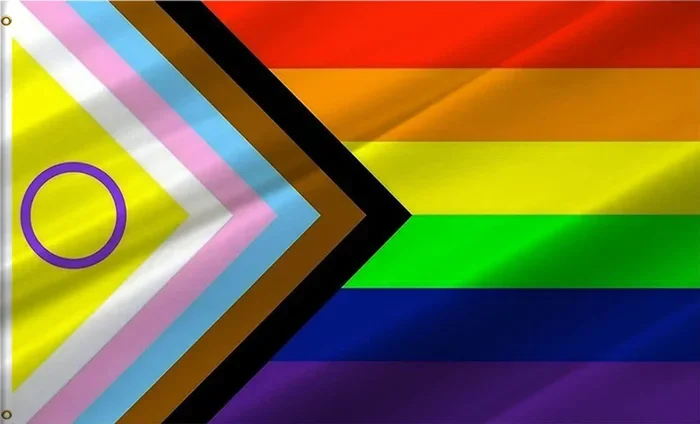
The intersex meaning refers to people born with biological traits that don’t fit typical male or female definitions. This includes variations in chromosomes, hormones, and anatomy. Understanding the intersex meaning helps build a more inclusive and respectful society for everyone.
Have you ever heard the term intersex and wondered what it really means? You’re not alone. Many people encounter the word but don’t fully understand the intersex meaning behind it. This guide breaks it all down in simple, clear language. By the end, you’ll have a solid understanding of what it means to be intersex, why it matters, and how we can all support intersex people better.
The intersex meaning goes far beyond a simple dictionary definition. It touches on biology, identity, human rights, and social awareness. Whether you’re asking for yourself or someone you care about, this article covers everything you need to know. Let’s dive in.
Key Takeaways
- Intersex meaning: A broad term for natural biological variations that don’t fit typical male or female classifications.
- It’s more common than you think: An estimated 1.7% of births involve intersex traits.
- Not a disorder: Intersex variations are natural differences, not medical conditions needing correction.
- Human rights matter: Intersex people face discrimination and harmful medical practices worldwide.
- Visibility is growing: More advocates and organizations are working to protect intersex rights and awareness.
- Support starts with education: Understanding the intersex meaning is the first step toward inclusion and respect.
📑 Table of Contents
What Does Intersex Mean?
The intersex meaning is straightforward once you break it down. Intersex is an umbrella term for people born with biological characteristics that don’t fit the typical definitions of male or female bodies. These variations can affect chromosomes, hormones, reproductive organs, or secondary sex traits.
Think of it this way. Most people are assigned male or female at birth based on their physical appearance. But nature doesn’t always follow a strict binary. Some people are born with a mix of traits that don’t neatly fit into either category. That’s what the intersex meaning covers.
Biological Sex vs. Gender Identity
It’s important to understand the difference between biological sex and gender identity when exploring the intersex meaning. Biological sex refers to physical traits like chromosomes, anatomy, and hormones. Gender identity is about how a person feels inside — whether they identify as male, female, both, or neither.
Being intersex relates to biological sex traits. It does not dictate gender identity. Many intersex people identify as male or female. Others may identify outside the binary. The intersex meaning is about biology, not about how someone feels about their gender.
Why the Term “Intersex” Exists
The word intersex was adopted by advocacy groups to replace older, often harmful medical terms. Terms like “hermaphrodite” or “disorders of sex development” have been used in the past. These labels carried stigma and didn’t respect the people they described.
Today, many people prefer the term intersex because it’s neutral and empowering. It focuses on natural variation rather than treating bodies as something broken. The intersex meaning centers on dignity, respect, and recognition of human diversity.
How Common Is Intersex?
A common question is: how many people are intersex? The answer might surprise you. Studies suggest that about 1.7% of all births involve some form of intersex trait. That’s roughly the same percentage of people born with red hair.
However, the exact number depends on how you define intersex. Some definitions are very broad and include subtle variations. Others are narrower and focus on more visible differences. Regardless of the number, the intersex meaning applies to a significant portion of the population.
Different Types of Intersex Traits
Intersex is not one single condition. It’s a spectrum of natural variations. Here are some of the most common intersex conditions and traits:
- Congenital Adrenal Hyperplasia (CAH): A condition where the body produces extra androgens. This can affect genital development.
- Androgen Insensitivity Syndrome (AIS): A person with XY chromosomes who doesn’t respond to male hormones. They may develop female physical traits.
- Klinefelter Syndrome: A condition where a male is born with an extra X chromosome (XXY). This can affect height, fertility, and other traits.
- Turner Syndrome: A condition where a female is born with only one X chromosome (X0). It can affect growth and development.
- Ovotesticular Disorder: A rare condition where a person has both ovarian and testicular tissue.
- Hypospadias: A condition where the urethral opening is on the underside of the penis rather than at the tip.
Each of these variations is part of the broader intersex meaning. They all represent natural differences in human biology.
The History of Intersex Awareness
Intersex people have always existed. But awareness and understanding have evolved over time. For much of history, intersex traits were hidden or treated as shameful. Medical professionals often performed surgeries on intersex infants without their consent.
In the 20th century, advocacy groups began pushing back. They demanded that intersex people be treated with dignity. The intersex meaning started gaining visibility in the 1990s, thanks to pioneers like the Intersex Society of North America.
Intersex Awareness Day
October 26 is recognized as Intersex Awareness Day. It marks the first public intersex protest in 1996. This day helps spread the intersex meaning to a wider audience. It also calls for an end to harmful medical practices and discrimination.
Since then, awareness has grown significantly. More countries are passing laws to protect intersex rights. But there’s still a long way to go. Many intersex people still face stigma, shame, and unnecessary medical interventions.
Why Understanding the Intersex Meaning Matters
Understanding the intersex meaning isn’t just about learning a definition. It’s about building a world where everyone is respected for who they are. Here’s why it matters so much.
Fighting Discrimination
Intersex people face discrimination in many areas of life. This includes healthcare, education, and employment. Many intersex children undergo non-consensual surgeries that can cause lasting physical and emotional harm.
When we understand the intersex meaning, we can challenge these harmful practices. We can advocate for laws that protect intersex people. And we can create a culture of acceptance and respect.
Promoting Inclusive Language
Language shapes how we see the world. Using the right terms helps reduce stigma. When you understand the intersex meaning, you can use language that respects people’s identities and bodies.
Simple steps like using inclusive language can make a huge difference. It shows intersex people that they are seen, valued, and accepted. That kind of support can change lives.
Improving Healthcare
Many intersex people report negative experiences with healthcare providers. Some doctors still treat intersex traits as emergencies that need immediate “fixing.” This approach ignores the patient’s autonomy and well-being.
Understanding the intersex meaning helps healthcare professionals provide better care. It encourages a more respectful, patient-centered approach. Intersex people deserve doctors who listen, educate, and support them without judgment.
Common Misconceptions About Intersex
There are many myths surrounding the intersex meaning. Let’s clear up some of the most common ones.
Misconception 1: Intersex Is Extremely Rare
As mentioned earlier, intersex traits are more common than many people realize. About 1.7% of births involve some form of intersex variation. That’s similar to the rate of naturally red hair in the population.
Misconception 2: Intersex Is a Medical Disorder
The intersex meaning is not about being sick or broken. Intersex variations are natural differences in human biology. Many advocacy groups emphasize that these traits don’t need to be “corrected.”
Misconception 3: All Intersex People Look the Same
This is far from the truth. Intersex traits vary widely from person to person. Some intersex people have visible differences. Others have traits that are only detectable through medical testing. The intersex meaning covers this entire spectrum.
Misconception 4: Intersex Is the Same as Transgender
While both intersex and transgender people face discrimination, they are not the same. Intersex relates to biological sex traits. Transgender relates to gender identity. Some intersex people are also transgender, but the two are distinct experiences.
Misconception 5: Intersex People Can’t Lead Normal Lives
Intersex people live full, healthy, and happy lives. With proper support and understanding, they thrive in every area of society. The intersex meaning doesn’t limit anyone’s potential or worth.
How to Support Intersex People
Now that you understand the intersex meaning, you might wonder how you can help. Here are some practical ways to support intersex people in your life and community.
Educate Yourself and Others
Start by learning more about intersex experiences. Read books, watch documentaries, and follow intersex advocates on social media. Share what you learn with friends and family. Education is one of the most powerful tools for change.
Listen to Intersex Voices
The best way to understand the intersex meaning is to listen to intersex people themselves. Their stories, experiences, and perspectives are invaluable. Amplify their voices instead of speaking over them.
Advocate for Policy Change
Support organizations that fight for intersex rights. Advocate for laws that ban non-consensual surgeries on intersex children. Push for inclusive healthcare policies and anti-discrimination protections.
Use Inclusive Language
Avoid outdated and harmful terms. Use “intersex” when referring to someone’s biological traits. Respect people’s pronouns and identities. Small changes in language can have a big impact.
Be an Ally in Everyday Life
You don’t need to be an activist to make a difference. Simply being kind, respectful, and open-minded goes a long way. Challenge stereotypes and correct misinformation when you hear it.
Intersex Rights Around the World
The intersex meaning is recognized differently across the globe. Some countries have made great strides in protecting intersex rights. Others still lag behind.
Countries Leading the Way
Malta was the first country to ban non-consensual medical interventions on intersex minors. Germany, Australia, and several other nations have also taken steps toward legal recognition and protection. These countries are setting important precedents for intersex rights worldwide.
Challenges That Remain
Despite progress, many intersex people still face significant challenges. In many countries, there are no legal protections against discrimination. Intersex children are still subjected to unnecessary surgeries. The fight for full equality and acceptance continues.
Understanding the intersex meaning is a crucial step toward global change. When more people know what it means to be intersex, they can become powerful allies in the fight for justice and equality.
Key Takeaways
- Intersex meaning: A term for people born with biological traits that don’t fit typical male or female definitions.
- It’s common: About 1.7% of people are born with intersex traits, making it as common as red hair.
- Natural variation: Intersex differences are a natural part of human biology, not a disorder or disease.
- Human rights are at stake: Intersex people face discrimination, stigma, and harmful medical practices worldwide.
- Visibility matters: Greater awareness and education help reduce stigma and promote acceptance.
- Support starts with you: Listening, learning, and advocating can make a real difference in intersex people’s lives.
Final Thoughts
The intersex meaning is about much more than a medical label. It represents the rich diversity of human biology and the experiences of millions of people worldwide. When we take the time to understand what it means to be intersex, we open the door to a more compassionate and inclusive world.
Knowledge is power. And understanding the intersex meaning gives us the power to challenge misconceptions, fight discrimination, and support the people around us. Whether you’re intersex yourself, know someone who is, or simply want to learn more, your curiosity matters.
Every conversation about the intersex meaning brings us one step closer to a world where everyone is accepted for exactly who they are. So keep learning, keep listening, and keep being an ally. The intersex community deserves nothing less.
Frequently Asked Questions
What does intersex mean in simple terms?
Intersex means a person is born with biological traits — like chromosomes, hormones, or anatomy — that don’t fit the typical definitions of male or female. It’s a natural variation of human biology, not a disorder or disease.
Is being intersex the same as being transgender?
No, they are not the same. Intersex relates to biological sex traits, while transgender relates to gender identity. Some intersex people may also be transgender, but the two experiences are distinct and separate.
How common are intersex traits?
About 1.7% of all births involve some form of intersex variation. That’s roughly the same percentage as people born with red hair. However, the exact number depends on how broadly intersex is defined.
Do intersex people need medical treatment?
Not necessarily. Many intersex variations don’t require any medical intervention. When treatment is needed, it should be the individual’s choice, not forced on them as infants. Respecting bodily autonomy is a key part of intersex advocacy.
What can I do to support intersex people?
You can start by educating yourself about the intersex meaning. Listen to intersex voices, use inclusive language, and advocate for policies that protect intersex rights. Even small acts of kindness and awareness make a big difference.
Is intersex a new concept?
No, intersex people have always existed. What is new is the growing awareness and advocacy around intersex rights. The term intersex has been used in advocacy circles since the late 20th century to replace older, stigmatizing medical labels.