
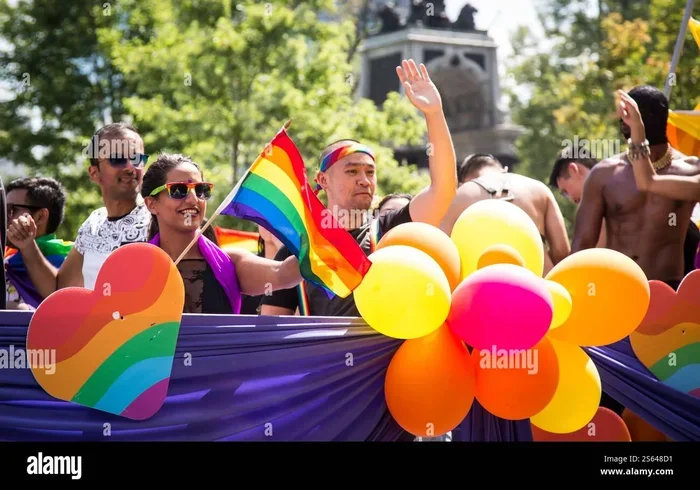
Queer meaning has evolved from a hurtful slur into a proud identity label embraced by millions worldwide. The word now serves as a flexible umbrella term for diverse gender identities and sexual orientations within the LGBTQ+ community. Understanding queer meaning is essential for fostering inclusive language and supporting queer visibility in everyday life.
Language shapes how we see the world. Words carry history, emotion, and real power. Few words have undergone a bigger transformation than the word queer. Today, queer meaning goes far beyond its original use. It has become a symbol of pride, resilience, and community for millions of people around the globe.
Whether you are exploring your own gender identity or simply want to be a better ally, understanding queer meaning matters. The word holds deep significance in LGBTQ+ conversations. It connects people to a rich queer history of fighting for queer rights and queer visibility. In this article, we will unpack what the word really means today and why it continues to resonate so strongly with so many people.
By the end, you will have a clear picture of queer meaning in its modern context. You will also learn how to use the word with respect and confidence. Let us dive in and explore this powerful word together.
Key Takeaways
- Queer meaning has transformed from a hurtful slur into a proud identity label embraced by millions of people.
- Queer functions as a flexible umbrella term covering a wide range of gender identities and sexual orientations.
- The word carries deep queer history rooted in activism, resistance, and community building over decades.
- Using inclusive language like queer shows respect and strengthens meaningful allyship in daily life.
- Common misconceptions about the word can cause real harm, so understanding its modern context is essential.
- Queer visibility and queer pride continue to grow, making the word more important than ever before.
- Every person in the queer community gets to decide how they want to be addressed and identified on their own terms.
📑 Table of Contents
What Does Queer Mean Today?
The queer meaning has shifted dramatically over the past few decades. What was once used as a weapon is now worn as a badge of honor. Understanding this shift is key to appreciating the word’s true power in modern life.
The Modern Definition of Queer
In everyday language, queer meaning today refers to anyone whose sexual orientation or gender identity falls outside the traditional norms. The word is often used as an umbrella term for people who identify as lesbian, gay, bisexual, transgender, nonbinary, asexual, and many other identities.
Unlike labels like gay or straight, queer does not lock someone into a single category. It allows for sexual fluidity and gender spectrum exploration. Many people love the flexibility it offers. As one queer community member shared, “Queer lets me exist without a box.” That sense of freedom is part of what makes the word so meaningful.
Here are some ways people use the word queer in their daily lives today:
- To describe a non-cisgender identity that does not match assigned sex
- To express attraction that does not fit neat, traditional categories
- As a political statement against heteronormativity and rigid social norms
- To build solidarity across different LGBTQ+ identities and experiences
- To celebrate queer pride, queer joy, and authentic self-expression
Quick Tip: Why Context Matters
The same word can mean different things in different settings. In a queer community space, queer is often a term of love and deep belonging. In a broader social setting, it might be used more casually or descriptively. Always pay attention to the context and the people around you. When in doubt, follow the lead of those who use the word themselves.
The History Behind the Word
The queer meaning we know today did not appear overnight. The word has a long, complex, and sometimes painful past. Understanding its queer history helps us appreciate why it holds so much weight and why reclamation matters so deeply.
From Slur to Reclaimed Word
The word queer was originally used as a negative label. For much of the 19th and 20th centuries, it was a cruel way to mock people who did not fit heteronormative expectations. It was used to shame, isolate, and harm. Many people carry painful memories tied to this word from their childhoods or early adult years.
But something powerful happened in the 1980s and 1990s. Activists began to reclaim the word. They decided to take back a term that had been used against them. This act of reclamation was bold and revolutionary. It turned a word of shame into a word of strength and solidarity.
The queer rights movement played a huge role in this shift. Groups like ACT UP and Queer Nation used the word openly and proudly. They wanted to challenge the status quo. They wanted to say that being different was not something to be ashamed of. That message still echoes today.
Today, the reclaimed word is a source of empowerment for many. People in the LGBTQ+ community wear the label queer with deep pride. It represents survival, resistance, and joy. It is a living reminder that communities can reshape language to serve their own needs and tell their own stories.
Key Moments in Queer Reclamation
- 1969: The Stonewall Riots sparked a new era of queer activism and visible resistance
- 1990: Queer Nation formed in New York City, using the word as a bold political tool
- 1990s: Queer theory emerged in academia, exploring gender identity and sexual orientation beyond simple binaries
- 2000s: The word gained wider acceptance in mainstream culture and media
- 2010s to present: Queer visibility exploded through social media, film, television, and politics
Queer as an Umbrella Term for Identity
One of the most important aspects of queer meaning is its flexibility. The word serves as a broad umbrella that covers many different identities. This is one reason it resonates so deeply with so many different people across the world.
Understanding the Umbrella Concept
When someone says they are queer, they may mean many different things. For some, it means they are attracted to more than one gender. For others, it means their gender identity does not match the sex they were assigned at birth. Some people use queer because no single label feels quite right.
The beauty of queer meaning as an umbrella term is that it does not demand a specific label. It allows people to explore and express themselves freely. This is especially meaningful for those who feel that words like gay, lesbian, or bisexual do not fully capture their experience. Queer opens the door to complexity and honesty.
Consider these real-life examples of how people use the word:
- A person who is nonbinary might use queer to describe their overall identity and experience
- Someone who experiences sexual fluidity may prefer queer over a fixed label that feels too restrictive
- A young person still figuring out their gender identity might feel comfortable with queer as a starting point
- People who reject rigid identity politics labels altogether may find queer to be a liberating and freeing alternative
Queer and the Gender Spectrum
The gender spectrum is a concept that recognizes gender is not strictly male or female. Queer meaning connects deeply to this idea. Many queer people see gender as a fluid, colorful spectrum rather than a simple binary of male and female.
This understanding has grown significantly in recent years. More people are identifying as nonbinary, genderfluid, agender, two-spirit, and many other identities along the spectrum. The word queer welcomes all of these identities under one inclusive and expansive roof. It says, “You are welcome here exactly as you are.”
| Term | General Meaning | How Queer Relates |
|---|---|---|
| Gay | Attracted to the same gender | Queer can include and encompass gay identity |
| Lesbian | Woman attracted to women | Queer is a broader alternative label |
| Bisexual | Attracted to two or more genders | Queer encompasses bisexual experiences and more |
| Nonbinary | Gender identity outside the male-female binary | Queer often used as an umbrella for nonbinary people |
| Transgender | Gender identity differs from assigned sex at birth | Queer can be used alongside trans identity |
| Asexual | Little or no sexual attraction to others | Queer includes asexual and aromantic identities |
Why the Word Matters More Than Ever
We live in a time when queer visibility is higher than it has ever been before. Social media, television, film, and public discourse have all helped bring queer meaning into everyday conversations around the world. But with this visibility comes new challenges and exciting opportunities for growth.
Visibility and Representation
Seeing yourself represented matters. For many people, especially young people, finding the word queer gave them a way to name their experience. It helped them feel less alone during confusing and sometimes painful times of self-discovery.
Queer representation in media has grown significantly in recent years. Shows like Pose, Euphoria, Heartstopper, and Sex Education have brought queer stories to mainstream audiences everywhere. These stories help normalize queer meaning and reduce the stigma that still exists in many parts of society.
But representation is not just about entertainment and storytelling. It is about queer rights and queer pride. When people see diverse identities celebrated in public life, it sends a powerful and affirming message. It says, “You belong. You are valid. You are not alone.” That message can change lives, especially for young people who may not have supportive communities nearby.
Queer Joy and Community
One of the most beautiful aspects of queer meaning today is the focus on queer joy. For decades, conversations about the LGBTQ+ community centered heavily on struggle, suffering, and discrimination. While those challenges are absolutely real and must be acknowledged, the narrative has shifted in powerful ways.
Today, queer pride celebrations highlight happiness, love, connection, and community. Pride parades, queer events, community gatherings, and online spaces all celebrate the fullness of life. The word queer captures this spirit of joy, togetherness, and celebration. It reminds us that being queer is about more than surviving. It is about thriving.
Quick Tip: If you want to support the queer community, seek out and celebrate queer joy in your daily life. Follow queer creators on social media, attend local pride events, read books by queer authors, and amplify queer voices in your everyday conversations and workplace. Small actions add up to big change.
Common Mistakes: Misunderstanding the Word
Even with growing awareness, misunderstandings about queer meaning still happen regularly. Here are some common mistakes to avoid so you can use the word with care and respect:
- Using queer as a slur: Even if unintentional, using the word to mock or insult someone is deeply harmful. The word carries the weight of real pain and real history. Using it carelessly dismisses that history and causes genuine harm to people who have been hurt by it.
- Assuming everyone in the community uses the word: Not every LGBTQ+ person is comfortable with queer. Some people still associate it with negative experiences from their past. Always let individuals self-identify and choose their own labels.
- Treating queer as a trend or aesthetic: The word is not a fashion statement or a trendy label. It represents real identity, real community, and real struggle. Using it casually for aesthetic purposes can feel deeply disrespectful to those who fought for its reclamation.
- Ignoring the history behind the word: Queer history is rich, complex, and deeply important. Understanding where the word comes from helps you use it with the respect and gravity it deserves.
Expert Insight: The Evolving Power of Language
Language is never static. Words change meaning as societies evolve and communities grow. The transformation of queer meaning is a perfect example of how communities can reshape language to serve their own needs and tell their own stories. According to queer theory scholars, this reclamation process is a form of powerful resistance. It challenges the power structures that once used language to oppress and erase.
“Words belong to the people who use them with intention and care,” says Dr. Susan Stryker, a prominent queer theorist and historian. “When a community reclaims a word, it takes back its power. That is exactly what happened with queer. The community turned a weapon into a banner.” This insight reminds us that language is alive. It shifts, grows, and transforms alongside the people who use it.
Using Queer Language Respectfully in Daily Life
Now that you understand queer meaning better, you might wonder how to use the word respectfully in your own life. Inclusive language is about more than just vocabulary choices. It is about showing genuine respect for people’s identities and experiences every single day.
How to Use Queer Respectfully
Using queer respectfully starts with a few simple but important principles:
- Follow the lead of the community: Pay close attention to how queer people themselves use the word. Let their usage guide yours and learn from the way they navigate this language.
- Do not out someone: Never use the word queer to describe someone without their explicit permission. Identity is deeply personal, and sharing someone’s identity without their consent can cause real harm.
- Ask when you are unsure: If you are not sure whether someone uses the word for themselves, it is perfectly okay to ask respectfully. “How do you identify?” is always a safe and caring question to ask.
- Use it as an adjective, not a noun: Saying “queer person” is generally preferred over “a queer.” This small but meaningful shift shows respect for the whole person, not just a single label.
- Stay updated and keep learning: Language evolves constantly. What feels inclusive today may shift over time. Stay curious, keep learning, and stay open to feedback from the community.
Queer in Everyday Conversations
You do not need to be part of the queer community to use the word respectfully. Many allies use queer in everyday conversation to show support and solidarity. Here are some practical ways to weave the word into your daily language:
- Say “queer community” when referring to LGBTQ+ spaces, groups, and networks
- Use “queer history” when discussing the past struggles, victories, and milestones of the community
- Reference “queer pride” events, celebrations, and gatherings in your conversations
- Talk about “queer visibility” in media, culture, and public life
- Discuss “queer rights” as part of broader human rights and social justice conversations
The goal is to make inclusive language a natural and comfortable part of how you speak and write. When you use words like queer with care, intention, and respect, you contribute to a more welcoming and affirming world for everyone. Your words matter. Use them thoughtfully.
Common Misunderstandings About Queer
Despite its growing acceptance and visibility, queer meaning is still surrounded by myths and misconceptions. Let us clear up some of the most common ones so you can navigate conversations with confidence and compassion.
Myth: Queer Is Just a Slur
This is perhaps the biggest and most damaging misunderstanding about the word. While queer was indeed used as a slur in the past, its queer meaning today is entirely different for many people. Many individuals within the LGBTQ+ community have reclaimed it as a positive, empowering, and affirming label. Of course, not everyone feels comfortable with it, and that is perfectly okay too. The key is always to respect individual preferences and let people choose their own words.
Myth: Only Certain People Can Use the Word
There is ongoing and healthy debate about who can use queer and in what contexts. Generally speaking, the word is most commonly used and embraced by people within the LGBTQ+ community itself. Allies can use it when referring to the community or discussing queer issues and queer rights, but it is always best to follow the guidance and preferences of queer individuals themselves.
Myth: Queer Means the Same Thing as Gay
Queer meaning is significantly broader than gay. While gay typically refers to attraction to the same gender, queer encompasses a much wider range of sexual orientations and gender identities under one flexible umbrella. It is intentionally designed to leave room for complexity, fluidity, and the full range of human experience that does not fit into neat categories.
Myth: Using Queer Is Just a Trend
Some people dismiss the word as trendy or performative. But queer meaning is rooted in decades of activism, struggle, community building, and resilience. It is not a passing fad or a social media trend. It is a living, evolving term that carries real historical weight and ongoing significance for millions of people worldwide.
Conclusion: Embracing the Full Queer Meaning
The queer meaning we see today is a powerful testament to the resilience of language and the strength of community. What was once a weapon of harm has become a symbol of pride, belonging, and freedom. The word queer carries the stories of countless people who fought for the right to simply exist as their authentic selves.
Understanding queer meaning is more than a vocabulary exercise or a language lesson. It is an act of respect, solidarity, and love. When we use the word thoughtfully, we honor the queer history that shaped it. We support queer visibility and queer pride in tangible ways. And we help build a world where everyone can express their true gender identity and sexual orientation without fear or shame.
Queer meaning reminds us that identity is beautiful in its diversity. The word invites us to move beyond rigid categories and embrace the full gender spectrum of human experience. Whether you are part of the queer community or an ally standing in solidarity, the word queer offers a shared language of dignity, respect, and love.
So the next time you encounter the word queer, remember its journey. Remember the queer rights movement, the brave activists who reclaimed the word, and the vibrant communities that continue to thrive and grow. Let queer meaning inspire you to speak with kindness, learn with curiosity, and love without limits. Your words have power. Use them to build bridges, not walls.
Frequently Asked Questions
Is queer a slur or a positive term?
Queer meaning has changed over time. It was once used as a hurtful slur, but many people in the LGBTQ+ community have reclaimed it as a positive and empowering label. However, not everyone is comfortable with the word, so it is always best to follow the preferences of individual people.
Can straight people use the word queer?
Straight allies can use queer when referring to the queer community or discussing queer issues. However, it is not appropriate for a straight person to use queer as a label for themselves. The word belongs most strongly to those within the LGBTQ+ community who have reclaimed it.
How is queer different from gay or lesbian?
Queer meaning is broader than gay or lesbian. While those terms describe specific sexual orientations, queer serves as an umbrella term that covers a wide range of gender identities and sexual orientations. It includes people who do not fit neatly into single categories.
Why is queer meaning important for young people?
Many young people find that the word queer gives them a way to express their gender identity and sexual orientation without feeling boxed in. It offers flexibility and a sense of belonging. For young people exploring who they are, queer visibility and representation can be incredibly affirming and life-changing.
Should you ask someone if they use the word queer?
Yes, it is perfectly okay to ask respectfully how someone identifies. You can say, “How do you like to describe your identity?” This shows that you respect their gender identity and sexual orientation and want to use the language they are comfortable with.
What role does queer theory play in understanding the word?
Queer theory is an academic field that explores gender identity, sexual orientation, and identity politics beyond traditional categories. It helps us understand why queer meaning has evolved and why the word continues to be a powerful tool for challenging heteronormativity and expanding how we think about identity.
=== CONCLUSION ===
Queer meaning is a word that carries history, hope, and heart. It has traveled from a place of pain to a place of power. Today, it stands as a symbol of the queer community’s resilience, joy, and unwavering commitment to living authentically. By understanding and respecting queer meaning, you become part of a movement that values every person for who they truly are.