
KPI meaning stands for Key Performance Indicator meaning — the measurable values that show how well your business is achieving its most important goals. Understanding KPI meaning helps you track progress, make data-driven decisions, and focus on what truly moves the needle for your company. This guide breaks down KPI meaning in plain language with actionable tips you can use today.
Every successful business owner knows one thing for sure — you cannot improve what you do not measure. That is where KPI meaning comes into play. KPI stands for Key Performance Indicator, and at its core, it is a simple way to measure whether your business is moving in the right direction.
Think of KPI meaning like a dashboard in your car. You look at the speedometer, fuel gauge, and engine light to know if everything is running smoothly. Business KPIs work the same way. They tell you if your company is on track, falling behind, or accelerating toward success. Without them, you are basically driving blind.
In this article, we will break down the KPI meaning in the simplest terms possible. You will learn what key performance indicators are, why they matter, how to choose the right ones, and how to avoid common pitfalls. Whether you run a small startup or manage a growing team, this guide will give you the clarity and confidence to use performance metrics that actually work.
Key Takeaways
- KPI meaning refers to measurable values that track how well your business is performing against its goals.
- Different types of KPIs exist, including leading and lagging indicators, each serving a unique purpose.
- Choosing the right KPIs depends on your business objectives and the stage of growth you are in.
- KPI dashboards make it easy to visualize and monitor your business metrics in one place.
- Common mistakes like setting too many KPIs can dilute focus and reduce effectiveness.
- Tracking KPIs regularly turns raw numbers into actionable insights for business growth.
- KPI meaning goes beyond numbers — it connects daily actions to long-term company objectives.
📑 Table of Contents
What Is KPI Meaning and Why Does It Matter?
At its simplest, KPI meaning is the definition of a measurable value that shows how effectively a company is reaching its most important business goals. Key performance indicators are not just random numbers pulled from a spreadsheet. They are carefully chosen metrics that reflect real progress.
When you understand KPI meaning, you understand the language of business performance. It tells you whether your sales team is hitting targets, whether your marketing efforts are paying off, or whether your customers are happy enough to stick around. Every department in a company can have its own set of performance metrics that align with the bigger picture.
Here is why KPI meaning matters so much for your business:
- Focus and clarity: KPIs help you and your team know exactly what matters most right now.
- Accountability: When everyone tracks the same business metrics, it is easier to own your results.
- Early warning signals: Performance tracking through KPIs catches problems before they become big issues.
- Better decisions: Data-driven decisions based on real numbers beat gut feelings every time.
- Growth tracking: KPIs show you whether your business growth strategies are actually working.
Without clear KPI meaning, teams waste time on activities that feel busy but do not move the needle. With the right key metrics, every hour of work connects directly to your company objectives. That is the real power behind understanding what KPIs truly mean for your organization.
KPIs vs. Regular Metrics — What Is the Difference?
Many people confuse business metrics with key performance indicators. While all KPIs are metrics, not all metrics are KPIs. The difference lies in importance and relevance. A KPI is a metric that directly supports a critical business goal. A regular metric is just data you happen to track.
For example, tracking how many emails your team sends per day is a metric. But tracking how many new paying customers your team brings in each month is a KPI. One tells you about activity, and the other tells you about real business performance. Understanding this KPI meaning distinction is a game changer for any business owner.
Types of KPIs You Should Know
Not all KPIs are created equal. Different types of key performance indicators serve different purposes. Knowing the right KPI meaning for each type helps you build a balanced view of your business. Let us explore the main categories.
Leading Indicators
Leading indicators are performance metrics that predict future results. They give you a heads-up about what is coming so you can adjust course early. Think of them as early weather forecasts for your business.
Examples of leading indicators include:
- Number of qualified leads generated each week
- Website traffic growth rate
- Customer engagement scores
- Employee training hours completed
These KPIs do not show you what already happened — they show you what is likely to happen next. That is why KPI meaning for leading indicators focuses on prevention and preparation rather than reaction.
Lagging Indicators
Lagging indicators measure results that have already happened. They confirm whether your strategies worked or fell short. These are the numbers you look at after the fact to understand your business performance.
Common examples include:
- Quarterly revenue
- Customer retention rate
- Net profit margin
- Number of completed projects
Lagging indicators are essential because they validate your progress. But relying only on lagging KPIs means you are always playing catch-up. The best businesses use both leading and lagging indicators together for a complete picture of performance tracking.
Quantitative vs. Qualitative KPIs
Quantitative KPIs are numbers you can count or measure. Revenue, conversion rates, and customer count all fall into this category. Qualitative KPIs capture feelings, opinions, and experiences — like customer satisfaction scores or employee feedback ratings.
Both types matter for KPI meaning. Numbers tell you what is happening, and qualitative data tells you why. Together, they give you the full KPI dashboard story your business needs.
How to Choose the Right KPIs for Your Business
Choosing the right KPIs is one of the most important decisions you will make. Picking too many metrics creates noise. Picking too few leaves you blind to important trends. Here is how to get it right.
Start by asking yourself one simple question: what are my top three business goals for the next 12 months? Your KPIs should directly support those goals. If your goal is to increase revenue by 20%, your KPI meaning should revolve around sales pipeline, conversion rates, and average deal size.
The SMART Framework for KPIs
Every KPI you choose should follow the SMART framework. This means your performance metrics should be:
- Specific: Clear and well-defined, not vague
- Measurable: You can track it with actual numbers
- Achievable: Realistic given your resources and timeline
- Relevant: Directly tied to a business goal
- Time-bound: Has a clear deadline or review period
Using the SMART approach ensures your KPI meaning stays focused and actionable. A vague goal like “improve sales” does not have KPI meaning because it is not measurable. But “increase monthly sales by 15% in the next quarter” is a perfect KPI because it hits every SMART criterion.
Aligning KPIs with Company Objectives
Your KPIs should always ladder up to your company objectives. If your company goal is to become the most trusted brand in your niche, your KPIs might include customer trust scores, repeat purchase rates, and online review ratings.
This alignment is the secret sauce behind KPI meaning. When every team member sees how their personal performance metrics connect to the bigger picture, motivation and clarity follow naturally. That is how KPI meaning transforms from abstract numbers into daily action.
KPI Meaning in Different Business Areas
KPI meaning shifts depending on which part of your business you are looking at. A sales KPI looks very different from a marketing KPI or a customer service KPI. Let us walk through the most important areas where performance metrics make a real difference.
Sales and Revenue KPIs
Sales teams thrive on clear KPI meaning. These key performance indicators keep everyone focused on closing deals and growing revenue. Top sales KPIs include:
- Revenue growth rate: How fast your sales are increasing over time
- Conversion rate: The percentage of leads that become paying customers
- Average deal size: The typical amount of money each sale brings in
- Sales cycle length: How long it takes to close a deal from first contact
- Customer acquisition cost: How much you spend to win each new customer
When your sales team understands KPI meaning, they stop guessing and start strategizing. They know exactly which activities drive the best business metrics and where to focus their energy.
Marketing KPIs
Marketing KPIs measure how well your campaigns are reaching and engaging your audience. KPI meaning in marketing is all about connection — connecting the right message with the right people at the right time.
Essential marketing KPIs include:
- Website traffic: How many people visit your site
- Lead generation rate: How many prospects enter your funnel
- Cost per click: How much you pay for each ad interaction
- Social media engagement: Likes, shares, comments, and saves
- Return on ad spend: How much revenue you earn for every dollar spent
These performance metrics tell you whether your marketing budget is working hard or just sitting there. KPI meaning in marketing gives you the confidence to scale what works and cut what does not.
Customer Service and Retention KPIs
Keeping existing customers happy is just as important as finding new ones. KPI meaning in customer service revolves around satisfaction, loyalty, and support efficiency.
Key customer service KPIs include:
- Customer satisfaction score: How happy customers are with your service
- Net promoter score: How likely customers are to recommend you
- First response time: How quickly your team answers support requests
- Customer retention rate: The percentage of customers who stay over time
- Churn rate: The percentage of customers who leave
When you track these business metrics, you build a customer experience that keeps people coming back. And repeat customers are the backbone of sustainable business growth.
Common Mistakes People Make with KPIs
Even with the best intentions, many businesses get KPI meaning wrong. These mistakes can waste time, money, and energy. Let us look at the most common pitfalls and how to avoid them.
Setting Too Many KPIs
One of the biggest mistakes is tracking way too many performance metrics. When your team stares at a KPI dashboard with 30 or more numbers, nothing stands out. The result is confusion, not clarity. A good rule of thumb is to focus on 5 to 8 KPIs per team or department.
Choosing Vanity Metrics
Vanity metrics look impressive but do not actually help you make data-driven decisions. For example, having 100,000 social media followers sounds great, but if only 50 people ever click through to your site, that KPI is not telling you much. True KPI meaning comes from numbers that drive real action and meaningful business performance.
Ignoring Leading Indicators
Many business owners only look at lagging KPIs after the damage is done. If you wait until the end of the quarter to review performance tracking data, you miss the chance to adjust course in real time. Balancing leading and lagging indicators is a core part of understanding KPI meaning.
Not Reviewing KPIs Regularly
A KPI is not a set-it-and-forget-it tool. Performance metrics need regular review and adjustment. What was a meaningful KPI six months ago might not reflect your current business goals. Schedule weekly or monthly KPI reviews to keep your target goals fresh and relevant.
Failing to Assign Ownership
Every KPI should have a clear owner — someone responsible for tracking and improving it. When nobody owns a performance metric, it falls through the cracks. Clear ownership is essential for making KPI meaning translate into real results.
How to Track and Measure KPIs Effectively
Knowing KPI meaning is only half the battle. The other half is actually tracking and using your KPIs effectively. A good KPI dashboard makes this process simple and visual.
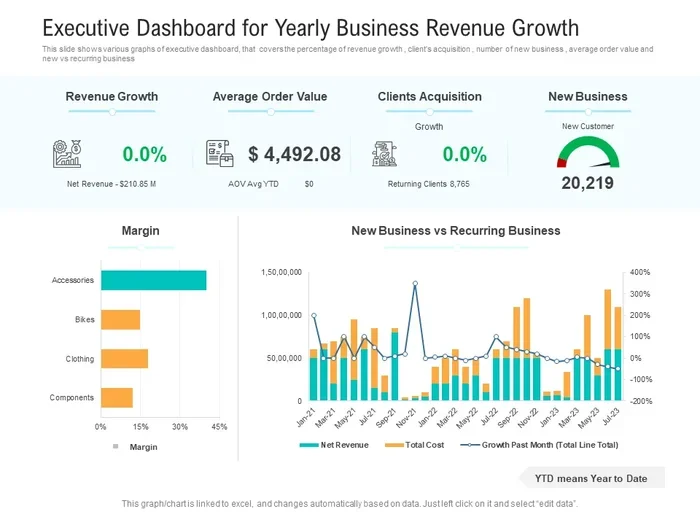
KPI dashboards are tools — either software or simple spreadsheets — that display your most important business metrics in one place. They use charts, graphs, and color-coded indicators so you can see at a glance whether you are hitting your target goals.
Here are some practical tips for effective performance tracking:
- Keep it visual: Use charts and graphs so your brain processes information faster
- Update regularly: Real-time or weekly updates keep your data relevant
- Compare to benchmarks: Look at industry performance benchmarks to see where you stand
- Share with your team: Transparency builds accountability and motivation
- Automate where possible: Use tools like Google Analytics, CRM software, or dedicated KPI tracking platforms
The goal is not to collect data for the sake of data. The goal is to use KPI meaning to guide your data-driven decisions and push your business growth forward every single day.
Quick Tips for Better KPI Tracking
- Start small — pick 3 to 5 KPIs and master them before adding more
- Use the same KPI dashboard tools across your team for consistency
- Review your KPIs in team meetings to keep everyone aligned
- Celebrate wins when you hit target goals — it keeps morale high
- Adjust your performance metrics as your business evolves and grows
Expert Insights on KPI Meaning
Business leaders who master KPI meaning share a common trait — they treat KPIs as living tools, not static reports. The best performance tracking systems evolve with the business. They adapt to new goals, new markets, and new challenges.
One of the most powerful things you can do is connect your KPIs to your company culture. When your team sees that business metrics reflect shared values and collective effort, KPI meaning goes beyond spreadsheets. It becomes a language everyone speaks fluently.
Another expert insight is to always ask “so what?” after looking at any KPI. If a number does not lead to a clear action, it might not be the right KPI for your business. This simple question keeps your KPI dashboard focused and your business performance moving in the right direction.
Finally, remember that KPI meaning is deeply personal to your business. What works for a tech startup may not work for a local bakery. The best KPIs are the ones that feel relevant to your unique situation and help you answer the question: “Are we getting closer to our goals today than we were yesterday?”
Conclusion
Understanding KPI meaning is one of the simplest yet most powerful things you can do for your business. Key performance indicators give you clarity, focus, and direction. They turn vague goals into measurable targets and raw data into data-driven decisions that drive real business growth.
From leading indicators that predict the future to lagging indicators that confirm past results, KPIs cover every angle of business performance. By choosing the right performance metrics, avoiding common mistakes, and tracking them consistently, you set your business up for lasting success.
Start small. Pick a few KPIs that matter most to your current goals. Build a simple KPI dashboard. Review your progress regularly. And watch how understanding KPI meaning transforms the way you lead, decide, and grow. The numbers will tell you the story — you just need to learn how to read it.
Frequently Asked Questions
What does KPI stand for?
KPI stands for Key Performance Indicator. It is a measurable value that demonstrates how effectively a company or individual is achieving key business objectives. Understanding KPI meaning is the first step toward using performance metrics that actually drive results.
How many KPIs should a business track?
Most experts recommend tracking between 5 and 8 KPIs per team or department. Too many performance metrics create noise and confusion. The key is to focus on the KPIs that directly support your most important company objectives and business goals.
What is the difference between KPIs and regular metrics?
All KPIs are metrics, but not all metrics are KPIs. A KPI is a metric that directly measures progress toward a critical goal. Regular metrics are just data points you track. Understanding this KPI meaning distinction helps you focus on what truly matters.
How often should I review my KPIs?
It depends on your business and goals, but weekly or monthly reviews are most common. Performance tracking should be frequent enough to catch trends early. Use your KPI dashboard to stay updated in real time and hold regular review meetings with your team.
Can KPIs be used in personal life too?
Absolutely! The KPI meaning applies to any area where you want to track progress. Whether it is fitness goals, personal finances, or career development, key performance indicators help you measure what matters and stay accountable to yourself.
What tools help with KPI tracking?
There are many great tools available for KPI tracking. Popular options include Google Analytics for web metrics, CRM platforms like HubSpot or Salesforce for sales KPIs, and dashboard tools like Tableau or Google Data Studio. Choose a KPI dashboard tool that fits your business size and needs.