
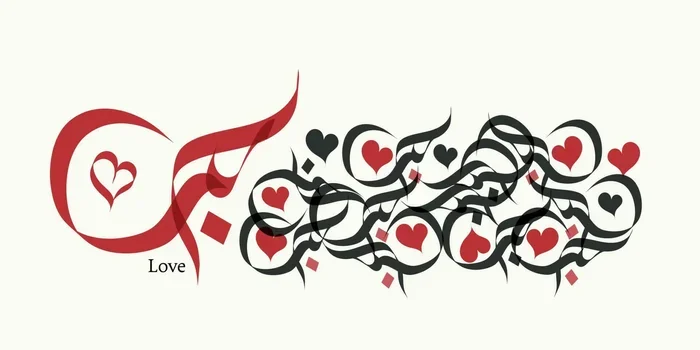
The word habibi is a popular Arabic term of endearment that means “my love” or “my dear.” It comes from the Arabic root word habib, which has deep roots in Islamic and Middle Eastern culture. People use habibi to show affection, friendship, and warmth in many different settings. This guide covers the full habibi meaning, its history, how dialects change it, and how to use it correctly in real life.
If you have ever heard someone say habibi in a song, a movie, or in a text message, you might have wondered what it really means. The term is everywhere right now. It shows up in pop songs, on social media, and even in casual conversations between people who are not Arabic speakers.
But the habibi meaning goes much deeper than a simple translation. It carries history, culture, emotion, and warmth. It is one of the most beloved words in the Arabic language. And once you understand its true depth, you will see why so many people around the world have fallen in love with it.
In this article, we will explore the full habibi meaning, where it comes from, how different dialects use it, and how you can use it in your own conversations. Whether you are curious about the cultural roots or just want to use the word correctly, this guide has you covered.
Key Takeaways
- Habibi means “my love” or “my dear” in Arabic and is used for both men and women.
- The word has deep roots in Arabic poetry, Islamic culture, and the Semitic language family.
- Habibti is the feminine form, used when addressing a woman or girl.
- Different Arabic regions pronounce and use habibi in unique ways.
- The term has gone global thanks to music, social media, and pop culture.
- Using habibi correctly depends on context, tone, and your relationship with the person.
- Common mistakes include using it too casually with strangers or in formal settings.
📑 Table of Contents
- What Does Habibi Mean?
- The Origin and History of Habibi
- How Habibi Is Used in Different Arabic Dialects
- How to Use Habibi in Everyday Conversation
- Habibi vs. Habibti: Understanding the Difference
- Why Habibi Became Popular Worldwide
- Common Mistakes People Make When Using Habibi
- Expert Insights on the Cultural Significance of Habibi
- Key Takeaways
- Conclusion
What Does Habibi Mean?
The habibi meaning in English is “my love” or “my dear.” It is a term of endearment used to express affection, care, and deep fondness. People use it in romantic settings, but also between close friends and family members.
The word comes from the Arabic root habib, which means “beloved” or “loved one.” When you add the suffix “i” at the end, it becomes “my beloved” or “my dear.” This small suffix makes the word personal and intimate.
Here are some ways people use habibi in everyday life:
- Between romantic partners as a sweet pet name.
- Between close male friends as a sign of deep friendship.
- Between family members to show warmth and care.
- As a general expression of kindness and goodwill.
- In casual conversation to make someone feel valued.
The beauty of habibi is its flexibility. You do not need to be in a romantic relationship to use it. In many Arabic cultures, it is perfectly normal to call your best friend habibi. It is like saying “my dear friend” or “my buddy” in English, but with much more heart.
Many people also confuse habibi with the word habib. While habib means “beloved” on its own, habibi adds the possessive “my.” This makes habibi feel more personal and direct. Understanding this small difference helps you use the word with the right emotion and intent.
Habibi in Different Contexts
The habibi meaning can shift slightly depending on the situation. Let us look at a few common contexts:
- Romantic context: Between couples, habibi is a sweet and intimate term. It shows deep love and attraction.
- Friendly context: Between male friends, it is warm and playful. It strengthens the bond between them.
- Family context: Parents or grandparents might use it with children or grandchildren to show unconditional love.
- Professional context: In some cultures, it can be used lightly among close coworkers, though it is not common in formal business settings.
- Cultural context: In Arabic music and poetry, habibi is a powerful symbol of love and longing.
Each of these uses shows a different shade of the habibi meaning. The word adapts to the relationship and the emotion behind it. This is part of what makes it so special and widely loved.
The Origin and History of Habibi
The habibi meaning has ancient roots. To truly understand the word, we need to look at where it comes from and how it has evolved over centuries.
The word habib comes from the Arabic root h-b-b, which is related to love, affection, and desire. This root appears in many Arabic words connected to love and beauty. For example, the word mahabba means “love” or “affection.” The word habibi is built on this same powerful foundation.
Arabic Poetry and Habibi
Arabic poetry has used forms of the word habib for thousands of years. Poets in the pre-Islamic era and beyond wrote about the beloved using words rooted in h-b-b. The concept of the “beloved” was central to classical Arabic literature.
In traditional Arabic poetry, the beloved could be a romantic partner, a friend, or even God. The word carried spiritual weight as well as emotional depth. This dual meaning still exists today in how people use habibi.
Islamic Cultural Influence
Islam has also shaped the habibi meaning over time. The Quran uses the root h-b-b in several verses. One famous verse refers to God as “the Beloved” (Al-Wadud). This adds a layer of spiritual love to the word habib and its variations.
Because of this religious connection, the word carries a sense of reverence and deep respect. When someone says habibi, they are tapping into a tradition of love that spans both the earthly and the spiritual.
The Word’s Journey Through Languages
The Arabic root h-b-b has also influenced other languages. In Turkish, the word hubb means love. In Hebrew, the word habib means “beloved.” This shows how the concept of love expressed through habib has spread across the Semitic language family.
Over time, as trade routes and cultural exchanges connected different regions, the word habib and its variations traveled far. Today, habibi meaning is understood not just in Arabic-speaking countries but around the world. Its journey is a beautiful example of how language connects people across cultures.
How Habibi Is Used in Different Arabic Dialects
Arabic is not one single language. It is a family of dialects that vary from region to region. The habibi meaning stays mostly the same, but the way people pronounce and use it changes across the Arab world.
Let us explore how different dialects handle this beloved word.
Levantine Arabic
In the Levant region, which includes Syria, Lebanon, Jordan, and Palestine, habibi is used very widely. People say it between friends, family members, and romantic partners. The pronunciation is soft and warm. In this dialect, you might also hear habibti for women.
Levantine Arabic speakers often use habibi in casual and emotional conversations. It is a word that feels natural and easy in daily life. You will hear it in cafes, markets, and homes throughout the region.
Egyptian Arabic
In Egypt, habibi is extremely popular. Egyptian music and film have spread the word far beyond the country’s borders. When people around the world hear habibi in a song, it is often Egyptian Arabic they are listening to.
Egyptians use habibi for both men and women in many contexts. The word feels friendly and accessible. It is one of the most recognized Arabic words globally, largely thanks to the reach of Egyptian entertainment.
Gulf Arabic
In the Gulf region, which includes Saudi Arabia, the UAE, Kuwait, and Qatar, habibi is also common. People use it between close friends and family. The pronunciation may be slightly different, with a softer “b” sound.
In Gulf culture, hospitality is very important. Habibi fits naturally into this culture of warmth and generosity. When someone offers you coffee or food, they might call you habibi as a sign of welcome.
Moroccan Arabic (Darija)
In Morocco, the word habibi exists but is used a bit differently. The local dialect, called Darija, has its own unique flavor. Moroccans might use habibi less frequently than other regions, preferring local terms of endearment instead.
However, because of media and cultural exchange, many Moroccans also use habibi, especially in urban areas and among younger generations. The habibi meaning remains the same, but the cultural flavor around it shifts.
Iraqi and Kurdish Arabic
In Iraq and among Kurdish communities, habibi is used warmly between friends and family. The word carries a sense of solidarity and closeness. In Iraqi culture, where tribal and family bonds are very strong, terms of endearment like habibi hold deep significance.
How to Use Habibi in Everyday Conversation
Now that you understand the habibi meaning, you might want to use it yourself. Here are some practical tips for using the word correctly and naturally.
When to Use Habibi
The best time to use habibi is when you feel genuine warmth toward someone. Here are some natural situations:
- When greeting a close friend or family member.
- When expressing gratitude to someone you care about.
- When giving a compliment or showing appreciation.
- When offering comfort or support to someone you love.
- When singing along to Arabic music or sharing lyrics with friends.
Tips for Using Habibi Naturally
Using habibi the right way comes down to tone and context. Here are some quick tips:
- Match the energy of the person you are speaking to. If they use it casually, you can too. If they are more reserved, be mindful.
- Smile when you say it. The word is warm and friendly. A smile adds to the positive energy.
- Do not overuse it. Like any term of endearment, using it too much can dilute its meaning. Save it for moments that feel genuine.
- Be aware of cultural context. In some settings, using it with someone you do not know well might feel too intimate. Read the room.
- Practice the pronunciation. The word is hah-bee-bee. Keep the vowels short and the tone warm.
Common Phrases with Habibi
Here are some popular phrases that include habibi. These will help you use the word in real conversations:
- Habibi, kiffak? — My dear, how are you?
- Shukran habibi. — Thank you, my love.
- Habibi, ma’a salama. — My dear, goodbye.
- Enta habibi. — You are my dear (said to a man).
- Enti habibti. — You are my dear (said to a woman).
- Habibi, ana mish fi haal. — My dear, I am not feeling well.
These phrases show how versatile habibi is. You can use it in greetings, goodbyes, expressions of thanks, and moments of vulnerability. It fits naturally into almost any emotional conversation.
Habibi vs. Habibti: Understanding the Difference
One of the most common questions people ask about habibi meaning is about the feminine form. The word habibti is used when addressing a woman or girl.
The suffix “ti” at the end of habibti means “my” in the feminine form. So while habibi means “my beloved” for a male, habibti means “my beloved” for a female.
Here is a simple comparison:
- Habibi — Used for males. “My dear” or “my love” (male).
- Habibti — Used for females. “My dear” or “my love” (female).
- Habib — The base word meaning “beloved” without the possessive “my.”
Using the correct form shows respect and cultural awareness. If you are speaking to a woman, use habibti. If you are speaking to a man, use habibi. Getting this right makes your use of the word feel natural and thoughtful.
Some people also wonder if habibi can be used for women. In casual and modern settings, some Arabic speakers do use habibi for women, especially in music and informal speech. However, the traditional and most respectful approach is to use habibti for women and habibi for men.
Why Habibi Became Popular Worldwide
The habibi meaning has captured hearts far beyond the Arabic-speaking world. But why has this one word become so globally popular?
The answer lies in music, media, and the power of social connection. Arabic pop music, especially from Egypt and the Levant, has introduced habibi to millions of listeners worldwide. Artists like Amr Diab, Mohamed Ramadan, and Nassif Zeytoun have used the word in hit songs that play on radio stations and streaming platforms across the globe.
Social media has also played a huge role. Platforms like TikTok, Instagram, and YouTube are full of clips where people use habibi in casual, fun, and heartfelt ways. This exposure has made the word familiar even to people who do not speak Arabic.
The diaspora community has also helped spread the word. Millions of Arabic speakers live outside the Arab world, in places like the United States, Europe, Australia, and Latin America. They bring their language and culture with them, and words like habibi naturally enter the broader vocabulary.
Another reason for the word’s popularity is its simplicity. It is easy to say, easy to remember, and easy to feel. You do not need to speak Arabic to understand the warmth behind the word. That universal appeal is what makes habibi a truly global term of endearment.
Common Mistakes People Make When Using Habibi
Even though habibi is a friendly word, there are some common mistakes people make when using it. Avoiding these mistakes will help you use the word with confidence and respect.
Using It with Strangers
The biggest mistake is using habibi with someone you do not know well. The word carries intimacy and warmth. Saying it to a stranger or a casual acquaintance can feel too forward or even uncomfortable for the other person.
Save habibi for people you have a genuine relationship with. This includes close friends, family members, and romantic partners. When in doubt, start with a neutral greeting and let the relationship guide your word choice.
Using It in Formal Settings
Habibi is a casual and affectionate word. It does not belong in formal business meetings, academic settings, or professional emails. Using it in these contexts can come across as unprofessional or out of place.
Stick to formal greetings and respectful language in professional settings. Save habibi for the moments that call for genuine warmth and connection.
Mispronouncing the Word
The correct pronunciation is hah-bee-bee. Some people mispronounce it as “ha-bee-bee” or “hab-ib-bee.” While most people will still understand you, getting the pronunciation right shows respect for the language and culture.
Take a moment to practice the word. Listen to native speakers say it in songs or videos. Over time, it will feel natural on your tongue.
Overusing the Word
Using habibi too much can make it lose its meaning. If every sentence ends with habibi, the word becomes hollow. Use it thoughtfully and in moments that truly call for warmth and affection.
Quality matters more than quantity. One sincere “habibi” carries more weight than ten careless ones.
Expert Insights on the Cultural Significance of Habibi
Linguists and cultural experts agree that words like habibi are more than just vocabulary. They carry the values of a culture. In Arabic-speaking societies, warmth, hospitality, and emotional expression are deeply valued. Habibi embodies all of these values in a single word.
Dr. Amira El-Sayed, a cultural linguist at the University of Cairo, explains that “words of endearment in Arabic are not just labels. They are expressions of identity, belonging, and emotional connection. When someone says habibi, they are saying ‘you matter to me.'”
This insight helps us understand why the habibi meaning resonates so deeply. It is not just a translation. It is a feeling. It is a way of saying “you are important to me” in the most beautiful and direct way possible.
As Arabic culture continues to influence the global stage through music, food, art, and media, words like habibi will continue to spread. They carry with them a piece of the culture’s heart, and that is something truly special.
Key Takeaways
- Habibi means “my love” or “my dear” in Arabic and is used for both men and women in different forms.
- The word has deep roots in Arabic poetry, Islamic culture, and the Semitic language family.
- Habibti is the feminine form, used when addressing a woman or girl.
- Different Arabic regions pronounce and use habibi in unique ways, from the Levant to the Gulf to North Africa.
- The term has gone global thanks to music, social media, and the Arabic diaspora community.
- Using habibi correctly depends on context, tone, and your relationship with the person.
- Common mistakes include using it with strangers, in formal settings, or overusing it to the point of losing its meaning.
Conclusion
The habibi meaning is so much more than a simple translation. It is a word filled with history, culture, and genuine human emotion. From ancient Arabic poetry to modern pop songs, habibi has carried the message of love and connection across centuries and continents.
Whether you are using it with a romantic partner, a close friend, or a family member, habibi brings warmth and sincerity to any conversation. It reminds us that expressing love and care is a universal human need, and sometimes the simplest words carry the deepest meaning.
Now that you understand the full habibi meaning, its origins, and how to use it properly, you can appreciate this beautiful word in a whole new way. Use it with care, use it with heart, and let it add a little more love to your conversations.
The next time you hear someone say habibi, you will know exactly what it means. And maybe you will feel inspired to say it yourself.
Frequently Asked Questions
Is habibi only used for romantic relationships?
No, habibi is not just for romantic relationships. People use it between close friends, family members, and even as a general term of warmth. While it can be romantic, it is also very common among male friends and family. The context and tone determine how romantic the word feels.
Can non-Arabic speakers use habibi?
Yes, non-Arabic speakers can use habibi. Many people around the world use the word without speaking Arabic. However, it is best to use it in casual and warm settings. Make sure the person you are speaking to is comfortable with the term, especially if they are not familiar with Arabic culture.
What is the difference between habibi and habib?
The word habib means “beloved” on its own. When you add the suffix “i” to make habibi, it means “my beloved” or “my dear.” The addition of “i” makes the word personal and possessive, showing that the person belongs to your heart.
Can women say habibi to other women?
Yes, women can say habibi to other women in casual settings. However, the more traditional and widely accepted form for women is habibti. Using habibti shows cultural awareness and respect. In modern and informal contexts, some women do use habibi for each other as well.
Why is habibi so popular in music?
Habibi is popular in music because it is a short, catchy, and emotionally powerful word. It carries deep meaning in just two syllables. Arabic pop music has spread the word globally, and listeners who do not speak Arabic still feel the warmth and emotion behind it. This universal appeal makes it a favorite in songs across genres.
Is it disrespectful to use habibi if I am not Arabic?
No, it is not disrespectful as long as you use it appropriately. The word is meant to spread love and connection. As long as you use it in warm, genuine contexts and with people who are comfortable with it, using habibi is a beautiful way to share in Arabic culture. Just be mindful of the setting and the relationship you have with the person.