
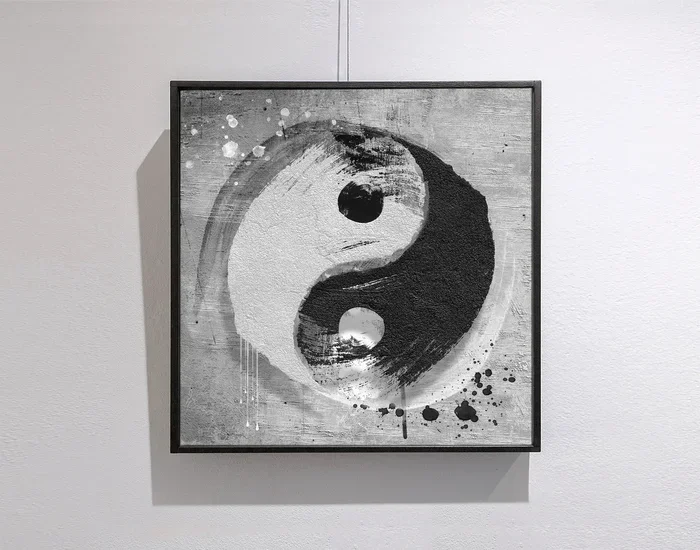
The yin and yang meaning goes far beyond a simple black-and-white symbol. It represents the idea that opposite forces are actually connected, complementary, and essential to balance in life. Rooted in ancient Chinese philosophy, this concept teaches us that light needs dark, action needs rest, and joy needs sorrow. Understanding yin and yang can transform how you see challenges, relationships, and your own inner world. Let us explore the deep symbolism and practical wisdom behind this timeless concept.
Key Takeaways
- Yin and yang represent complementary opposites: They are not enemies but partners that create balance and harmony in the universe.
- The symbol holds deep meaning: Every part of the yin-yang circle tells a story about interdependence, cyclical change, and the nature of existence.
- This philosophy applies to daily life: From health and relationships to work and rest, yin and yang principles guide us toward equilibrium.
- Balance does not mean equality: Yin and yang shift and flow, reminding us that life is always in motion and change is natural.
- Ancient wisdom meets modern life: The yin and yang concept remains deeply relevant for finding peace, clarity, and purpose today.
📑 Table of Contents
What Does Yin and Yang Mean?
At its core, yin and yang meaning is about duality. It is the idea that two opposite forces exist together in everything. One does not exist without the other. Think of night and day, hot and cold, stillness and motion. These pairs seem opposite, but they need each other. Without night, we would never appreciate the morning sun. Without silence, loud sounds would lose their power. This is the heart of yin and yang.
The concept comes from Taoist philosophy, an ancient Chinese way of thinking about the world. It teaches that the universe is not made of separate parts. Instead, everything is connected through a flow of energy. This energy moves between opposites in a never-ending cycle. The yin and yang symbol, with its swirling black and white circle, captures this idea perfectly. It shows that opposites are not fighting each other. They are dancing together.
Many people think yin and yang is just about good and evil. That is a common mistake. The philosophy is not about labeling things as right or wrong. It is about understanding that all things have both light and shadow. A flower needs both sunshine and rain. A person needs both excitement and calm. When we accept this, we stop fighting ourselves and start living with more peace.
The Two Sides of the Coin
Yin represents the feminine, dark, cool, and receptive energy. It is associated with the moon, water, and rest. Yang represents the masculine, bright, warm, and active energy. It connects to the sun, fire, and movement. But here is the key: neither side is better than the other. Both are equally important. They need each other to create balance and harmony.
Think of a breathing cycle. When you breathe in, that is a yin moment. It is quiet and receptive. When you breathe out, that is yang. It is active and releasing. Neither breath is more important. Both keep you alive. This simple example shows how complementary forces work in real life.
The Origins of Yin and Yang in Chinese Philosophy
The yin and yang meaning has roots stretching back thousands of years. It first appeared in ancient Chinese texts and cosmology. The idea was central to Chinese philosophy and shaped how people understood nature, health, and the universe. It is not just a symbol. It is a complete worldview.
The concept became widely known through the Tao Te Ching, a foundational text written by Lao Tzu around the 6th century BCE. This book explores the Tao, or the Way, which is the natural order of the universe. Within the Tao, yin and yang are the two forces that create all things. The text teaches that the Tao produces one, one produces two, two produce three, and three produce all things. The “two” here refers to yin and yang.
I Ching and the Book of Changes
Another important source is the I Ching, also known as the Book of Changes. This ancient divination text uses lines and hexagrams to represent yin and yang energies. Each line can be solid (yang) or broken (yin). By combining these lines, the I Ching creates 64 hexagrams that describe different life situations and their natural flow.
The I Ching teaches that change is the only constant. Everything shifts between yin and yang states. A seed is yin when it rests underground. It becomes yang when it sprouts and reaches for the sky. This cyclical nature of energy reminds us that hard times always give way to easier ones. And good times eventually invite new challenges.
How Ancient Thinkers Viewed the World
Ancient Chinese scholars saw the universe as a living, breathing system. They believed that cosmic balance was essential for health, prosperity, and peace. When yin and yang were out of balance, problems followed. Too much yang energy could lead to anger, fever, or restlessness. Too much yin could result in sadness, coldness, or stagnation.
This idea deeply influenced Traditional Chinese Medicine and feng shui. Practitioners of these arts still use yin and yang principles today. They look at the body, the home, and the environment as interconnected systems. When energy flows freely between opposites, harmony follows. When it gets stuck, imbalance and illness can take root.
The Symbol and Its Hidden Meanings
The yin and yang symbol is one of the most recognized images in the world. But most people only see the surface. The symbol holds layers of meaning that reveal themselves the more you look. Each part of the design carries a specific message about the nature of reality.
The outer circle represents the whole universe or the totality of existence. Within it, the black and white halves swirl together in a never-ending flow. Neither side is completely separate. They blend into each other at the curved edges. This shows that opposites are not rigid divisions. They are fluid and ever-changing.
The Dots of Transformation
Look closely at the symbol. You will see a small dot of white inside the black half and a small dot of black inside the white half. These dots are powerful. They mean that within every yin, there is a seed of yang, and within every yang, there is a seed of yin. This is one of the deepest lessons of the symbol.
It teaches us that nothing is ever purely one thing. A moment of deep sadness (yin) already contains the spark of joy (yang) waiting to grow. A burst of excitement (yang) already holds the seed of calm (yin) that will follow. This understanding can bring great comfort during difficult times. It reminds us that change is always coming, and that every situation carries the potential for its opposite.
Balance Does Not Mean Sameness
Another important lesson from the symbol is that balance is not about equal amounts. The black and white halves are the same size, but in real life, the balance shifts constantly. Sometimes yang dominates. Sometimes yin takes the lead. The key is that the flow continues. Stagnation is the real enemy of harmony.
This is why the symbol moves in a circular pattern. It shows that energy never stops. It just changes form. Winter gives way to spring. Rest leads to action. Silence makes space for speech. The yin and yang meaning is really a story about motion, transformation, and the beauty of natural cycles.
Yin and Yang in Everyday Life
The yin and yang meaning is not just abstract philosophy. It shows up in your daily life more than you might think. From the food you eat to the way you work and rest, complementary forces shape your experiences. Recognizing them can help you live with more intention and ease.
Health and Well-Being
Traditional Chinese Medicine uses yin and yang to understand the body. Health is seen as a state of balanced energy. Illness happens when that balance is disrupted. For example, inflammation and fever are considered excess yang energy. Fatigue and coldness signal too much yin. Practitioners use herbs, acupuncture, and diet to restore equilibrium.
You can apply this idea to your own health. Ask yourself: Am I pushing too hard (too much yang)? Do I need more rest and stillness (more yin)? Are my meals balanced between warming and cooling foods? These simple questions can guide you toward better physical and mental health.
Relationships and Communication
In relationships, yin and yang teaches us about giving and receiving. One person may be more yang in a conversation, taking the lead and speaking with energy. The other may be more yin, listening deeply and responding with care. Both roles are essential. A conversation where only one person speaks becomes unbalanced and exhausting.
The same goes for conflict. Yin energy brings patience and compassion. Yang energy brings honesty and action. The healthiest relationships use both. They hold space for vulnerability and for courage. They know when to listen and when to speak up. This balance creates deep connection and mutual respect.
Work, Rest, and Creative Flow
Many people struggle with the modern habit of constant busyness. This is an excess of yang energy. It leads to burnout, stress, and creative blocks. The yin and yang meaning reminds us that rest is not laziness. It is a necessary part of the cycle. Your best ideas often come during quiet moments of reflection, not during frantic action.
Creative work also follows this pattern. The yang phase is when you produce, build, and push forward. The yin phase is when you gather inspiration, rest, and let ideas settle. Both phases matter. Think of how even humor and laughter have this balance. A good joke builds tension (yang) and releases it with a punchline (yin). Even the world of dungeons and dragons jokes at https://jokecrackers.com/dungeons-and-dragons-jokes/ shows this interplay between tension and release, which mirrors the yin and yang flow perfectly.
The Balance of Opposites in Nature
Nature is the greatest teacher of yin and yang. Look around you. Every natural process follows the rhythm of opposites working together. The seasons shift between hot and cold, long days and short days. The tides rise and fall. Day turns to night and night turns to day. Nothing in nature stays fixed. Everything moves between poles of existence.
The Five Elements and Their Energies
In Chinese philosophy, the five elements — wood, fire, earth, metal, and water — each carry both yin and yang qualities. Wood and fire lean more toward yang. Water and metal lean more toward yin. Earth sits at the center, balancing them all. Together, these elements create the dynamic web of life.
This framework helps explain why different seasons, foods, and activities affect us differently. Summer is hot and active (yang). Winter is cold and still (yin). Eating warming foods in winter and cooling foods in summer aligns your body with the natural rhythms of the earth. It is a simple but powerful way to honor cosmic balance.
The Dance of Light and Shadow
Light and shadow are perhaps the most visible expression of yin and yang. You cannot have one without the other. Shadows define the shape of light. Light gives shadows their meaning. Together they create depth, dimension, and beauty. A world of only light would be flat and blinding. A world of only shadow would be dark and directionless.
This teaches us something profound about the human experience. Our joys and sorrows, successes and failures, strengths and weaknesses all work together to make us whole. Trying to eliminate the “negative” parts of life only creates more suffering. Embracing the full spectrum of experience is the path to true inner peace.
How to Apply Yin and Yang Wisdom Today
The beauty of ancient wisdom is that it stays relevant across centuries and cultures. The yin and yang meaning offers practical guidance for modern life. You do not need to be a philosopher or a monk to benefit from its teachings. You simply need to observe, reflect, and adjust.
Practicing Balance in Daily Habits
Start by noticing where your energy leans. Do you work nonstop and rarely rest? You may have too much yang. Do you sleep too much and avoid challenges? You may have too much yin. The goal is not to eliminate one side. It is to bring them into a healthy flow.
Small changes can make a big difference. Try scheduling short breaks during work. Spend time in nature. Practice deep breathing or meditation. These are simple yin practices that restore calm. On the other hand, setting goals, exercising, and starting new projects are yang practices that build momentum. A balanced life includes both.
Embracing the Full Spectrum of Emotion
Our culture often tells us to “stay positive” and avoid negative feelings. But the yin and yang meaning teaches something different. All emotions have their place. Sadness is not the enemy of happiness. Anger is not the opposite of peace. They are all part of the human experience, and they all serve a purpose.
When you feel a difficult emotion, try not to push it away. Instead, welcome it as a complementary force. It is showing you something important. It is teaching you about your needs and boundaries. Then, let it flow through you, knowing that its opposite is already on its way. This is the natural rhythm of life.
Finding Harmony in a Noisy World
We live in a world that often values speed, noise, and constant stimulation. These are yang qualities taken to the extreme. The yin and yang meaning invites us to slow down and seek stillness. To create quiet spaces in our busy schedules. To listen more than we speak. To be comfortable with not knowing everything.
Even in the world of entertainment and humor, balance matters. A good comedy show, much like the examples found in dungeons and dragons jokes, knows when to build tension and when to deliver the punchline. That rhythm of buildup and release mirrors the yin and yang principle beautifully. It is what makes the experience satisfying and memorable.
The same goes for relationships, work, and personal growth. Harmony comes not from extremes but from the graceful movement between them. When you learn to ride the wave of interdependence between opposites, life becomes less about fighting and more about flowing.
The Universal Truth Behind the Symbol
At the deepest level, the yin and yang meaning points to a universal truth. Everything in the universe is connected. Opposites are not separate. They are two expressions of the same underlying energy. The same force that creates a storm also creates a rainbow. The same energy that drives ambition also fuels compassion.
When you truly understand this, it changes how you see everything. You stop seeing the world as a battleground of opposites. Instead, you see it as a beautiful, interconnected web of complementary forces. Every challenge carries a gift. Every ending holds a new beginning. Every moment of darkness contains the promise of light.
This is the real power of yin and yang wisdom. It does not just explain the world. It transforms how you move through it. It gives you a framework for finding equilibrium in a chaotic world. It reminds you that you are part of something larger and more beautiful than you can fully see.
So the next time you see the yin and yang symbol, take a moment to reflect. Let it remind you of the balance within you. The balance around you. The balance of all things. It is an ancient reminder that you are exactly where you need to be, and that every moment holds the seed of something new.
Conclusion
The yin and yang meaning is one of the most enduring and powerful ideas in human history. It teaches us that opposites are not enemies. They are partners. They create balance, depth, and beauty in everything they touch. From the smallest breath to the vast cycles of the cosmos, complementary forces shape our reality.
By understanding and embracing yin and yang, you can bring more harmony into your daily life. You can find peace in challenges. You can appreciate the light by honoring the dark. You can move through change with grace and trust. This ancient wisdom from Chinese philosophy offers a timeless guide for navigating the complexities of modern life.
The symbol is simple. The meaning is profound. And the application is always within reach. Yin and yang is not just a concept to study. It is a way of living. It is a reminder that balance is always possible, always available, and always waiting for you to embrace it.
Frequently Asked Questions
What is the basic yin and yang meaning?
The basic yin and yang meaning is that opposite forces are complementary, not opposing. They work together to create balance and harmony in the universe. Yin represents dark, cool, and receptive energy, while yang represents light, warm, and active energy. Neither is better than the other; both are essential.
Where does the yin and yang concept come from?
The concept originated in ancient Chinese philosophy, particularly in Taoism. It is closely tied to the Tao Te Ching and the I Ching, two foundational texts that explore the nature of change and balance. The idea has been part of Chinese culture for thousands of years.
Can yin and yang apply to my daily life?
Absolutely. Yin and yang principles apply to every area of life. They guide how you balance work and rest, give and receive, action and reflection. By noticing where your energy leans, you can make small adjustments to bring more equilibrium into your routine and relationships.
Is yin and yang about good and evil?
No. This is one of the biggest misconceptions. Yin and yang is not about labeling things as good or bad. It is about understanding that all things contain both light and shadow. Every situation has qualities of both, and both are needed for growth and balance.
What does the yin and yang symbol represent?
The yin and yang symbol represents the interdependence of opposites. The circle shows the wholeness of the universe. The swirling halves show that energy flows constantly between states. The dots within each half show that every yin contains a seed of yang, and vice versa. It is a visual map of cyclical change and transformation.
How can I bring more yin and yang balance into my life?
Start by observing your daily patterns. Notice when you are overactive (too much yang) or sluggish (too much yin). Introduce more rest and reflection when you are overworking. Add more movement and action when you feel stuck. Simple practices like meditation, exercise, and time in nature help restore natural balance.
=== KEY TAKEAWAYS ===
Key Takeaways
- Yin and yang represent complementary opposites: They are not enemies but partners that create balance and harmony in the universe.
- The symbol holds deep meaning: Every part of the yin-yang circle tells a story about interdependence, cyclical change, and the nature of existence.
- This philosophy applies to daily life: From health and relationships to work and rest, yin and yang principles guide us toward equilibrium.
- Balance does not mean sameness: Yin and yang shift and flow, reminding us that life is always in motion and change is natural.
- Ancient wisdom meets modern life: The yin and yang concept remains deeply relevant for finding peace, clarity, and purpose today.