
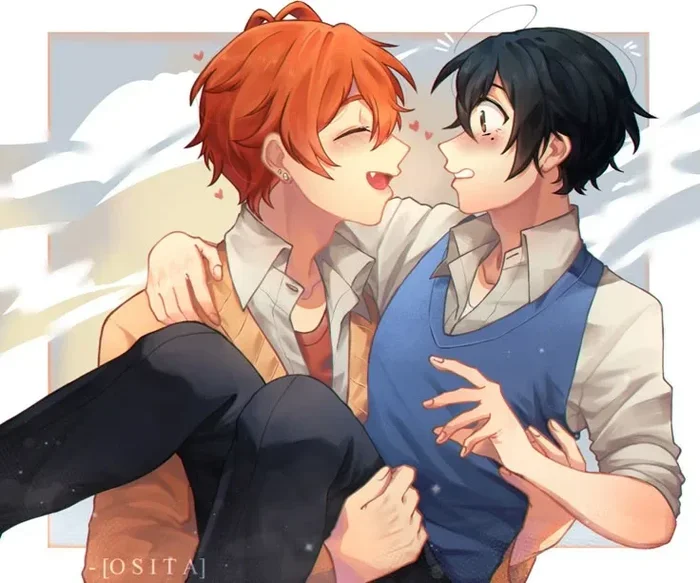
The yaoi meaning refers to a genre of manga and anime focused on romantic or sexual relationships between male characters. Originally rooted in Japanese fan culture, yaoi has grown into a global phenomenon that celebrates diverse storytelling and LGBTQ+ representation. Understanding yaoi meaning helps readers appreciate its cultural significance, creative depth, and the passionate community that surrounds it.
You have probably heard the word yaoi floating around online, in anime forums, or among manga fans. But what does it actually mean? The yaoi meaning goes far deeper than most people realize. It is not just a label for a type of story. It represents a rich cultural movement, a creative outlet for millions of fans, and a genre that has shaped how we think about romance in comics.
If you are curious about the yaoi meaning and want to understand why it matters, you are in the right place. This guide breaks everything down in simple, clear terms. We will cover the history, the key differences from related genres, common themes, and why this genre has such a devoted following. By the end, you will have a solid understanding of the yaoi meaning and its place in pop culture.
Key Takeaways
- Yaoi meaning: A genre of fictional media featuring romantic or intimate relationships between male characters, primarily created by and for women.
- Historical roots: Yaoi emerged in the 1970s from Japanese manga fandom and evolved into a distinct genre with its own conventions.
- Yaoi vs Boys Love: Yaoi often contains more explicit content, while Boys Love (BL) is a broader, sometimes softer term used more widely.
- Cultural impact: Yaoi has played a role in expanding LGBTQ+ representation in media and building a global fan community.
- Common tropes: Seme and uke dynamics, love triangles, and forbidden romance are popular themes in yaoi stories.
- Getting started: Many beginner-friendly yaoi titles exist, making it easy for new readers to explore the genre.
- Misconceptions: Yaoi is often misunderstood; knowing the yaoi meaning helps separate fact from stereotype.
📑 Table of Contents
What Does Yaoi Mean?
The yaoi meaning is straightforward once you look at its origins. The word yaoi is actually an acronym in Japanese. It stands for “No climax, no point, no meaning.” This sounds negative at first, but fans adopted the term with a sense of humor and pride. Over time, yaoi meaning became associated with stories that explore romantic or sexual relationships between male characters.
In simple terms, yaoi refers to fictional media, especially manga and anime, that centers on male-male romance. The genre is primarily created by women and for a female audience, though people of all genders enjoy it. The yaoi meaning has evolved over the decades, and today it is closely tied to the broader Boys Love (BL) genre. However, there are important distinctions we will explore below.
Understanding the yaoi meaning also means recognizing that it is a form of storytelling. Like romance novels or drama series, yaoi stories explore love, desire, conflict, and emotional growth. The only difference is the gender of the characters involved. At its core, the yaoi meaning is about love between men, told through a specific creative lens.
The History and Origins of Yaoi
The history of yaoi is fascinating. It all started in Japan during the 1970s. A group of female manga artists, known as the Year 24 Group, began creating stories that challenged traditional gender roles. These pioneers laid the groundwork for what would eventually become the yaoi genre. They wrote stories featuring strong emotional bonds between male characters, often drawing from slash fiction traditions in Western fan communities.
How Yaoi Started in Japan
In the early days, these stories were shared in fanzines called doujinshi. Fans would create their own manga and distribute them at conventions or through small circles. The yaoi meaning was still forming during this time. It was more of an underground movement than a recognized genre. Fans used the acronym yaoi as a playful shorthand for stories that focused on male relationships.
By the 1980s, yaoi had gained more visibility. Publishers began releasing dedicated magazines and volumes. The term shounen-ai was also used during this period, though it carried a different connotation. Shounen-ai focused more on emotional romance without explicit content, while the yaoi meaning often included more mature themes.
The Role of Fan Communities
Fan communities played a huge role in shaping the yaoi meaning we know today. Groups of readers, especially women, formed tight-knit circles where they shared stories, art, and discussions. These communities gave rise to the term fujoshi, which is a self-used label by female fans of yaoi and BL content. What started as a niche hobby grew into a massive cultural force.
Today, the yaoi meaning is recognized worldwide. Online platforms, social media, and streaming services have made yaoi stories accessible to a global audience. The fan communities that started in Japan have spread across every continent, creating a rich, diverse, and passionate fandom.
Yaoi vs Boys Love vs Shounen-Ai
One of the most common points of confusion is the difference between yaoi, Boys Love, and shounen-ai. These terms are often used interchangeably, but they each carry a slightly different yaoi meaning and connotation. Understanding the distinctions helps you navigate the genre with confidence.
Understanding the Differences
Here is a simple breakdown of these related terms:
- Yaoi: The yaoi meaning typically refers to stories with explicit or mature content focused on male-male romance. It is often used more casually and sometimes carries a more adult tone.
- Boys Love (BL): BL is a broader term that covers male-male romance stories of all levels of explicitness. It is the more commonly used and accepted term in Japan today. The yaoi meaning and BL overlap significantly, but BL is considered the more respectful and inclusive label.
- Shounen-Ai: This term refers to stories focused on the emotional and romantic aspects of male-male relationships without explicit sexual content. It is closer to a sweet romance than anything else.
In everyday conversation, many fans use yaoi and BL interchangeably. However, if you want to be precise, remember that the yaoi meaning leans toward the more mature end of the spectrum. Boys Love is the umbrella term, and shounen-ai sits on the softer, more emotional side.
Common Yaoi Tropes and Themes
Every genre has its signature tropes, and yaoi is no exception. The yaoi meaning is closely tied to certain storytelling conventions that fans have come to love. These tropes create familiar patterns that readers can recognize and enjoy.
Seme and Uke Dynamics
One of the most iconic elements of yaoi stories is the seme and uke dynamic. The seme is typically the more dominant or assertive character, while the uke is often portrayed as more passive or receptive. These roles are not always tied to physical appearance or personality. Sometimes a tall, strong character takes on the uke role, which subverts expectations and adds depth to the story.
Understanding seme and uke is key to grasping the yaoi meaning in practice. These dynamics shape how relationships develop in yaoi stories. They create tension, chemistry, and emotional conflict that drive the plot forward. Not all yaoi stories use these roles rigidly, but they remain a defining feature of the genre.
Popular Story Archetypes
Yaoi stories follow several popular archetypes. Here are some of the most common ones you will encounter:
- Forbidden Romance: Two characters face obstacles such as social norms, rivalries, or conflicting loyalties. The tension makes the romance more compelling.
- Enemies to Lovers: Characters who start out as rivals or adversaries gradually develop feelings for each other. This trope is hugely popular in yaoi manga.
- Workplace Romance: A boss and subordinate, or coworkers, navigate their feelings in a professional setting. These stories often explore power dynamics.
- Childhood Friends: Two male characters who have known each other since childhood finally realize their deeper feelings.
- Love Triangle: A third character creates tension and jealousy, testing the strength of the central relationship.
These tropes are not unique to yaoi, but they appear frequently because they resonate with the yaoi meaning of exploring deep emotional connections between male characters. Fans enjoy seeing these familiar patterns played out in new and creative ways.
Quick Tips for Reading Yaoi
If you are new to the genre, here are a few tips to help you get started:
- Start with beginner-friendly titles that focus on romance rather than explicit content.
- Do not worry about the seme and uke labels at first. Let the story flow naturally.
- Explore different subgenres within yaoi, such as comedy, drama, or fantasy.
- Join online communities to find recommendations and discuss your favorite stories.
- Keep an open mind. The yaoi meaning is about love and connection, not just romance tropes.
Why Yaoi Matters in Modern Culture
The yaoi meaning extends beyond just entertainment. Yaoi stories have had a real impact on culture, media, and how people think about relationships and representation. This is why the genre matters so much, not just to fans but to the broader conversation about media and diversity.
Representation and LGBTQ+ Themes
Yaoi stories often explore themes of love, identity, and acceptance. While the genre is primarily created by and for a female audience, it opens up conversations about LGBTQ+ representation in media. The yaoi meaning includes the idea that love between men deserves to be portrayed with the same depth and respect as any other romance.
Some yaoi stories tackle serious topics like discrimination, coming out, and societal pressure. These narratives can foster empathy and understanding among readers. Even when the stories are lighthearted or fantastical, they still challenge stereotypes and normalize male-male relationships in a way that mainstream media often does not.
It is important to note that yaoi is not the same as authentic LGBTQ+ media. Many yaoi stories are created from a female perspective and may not fully represent the real experiences of gay men. However, the yaoi meaning still contributes to a broader cultural dialogue about love and acceptance.
Global Fandom Growth
The yaoi meaning has spread far beyond Japan. Today, there are thriving yaoi and BL communities in North America, Europe, Southeast Asia, and beyond. Fan translations, online platforms, and social media have made it easier than ever for people around the world to discover and enjoy yaoi stories.
This global growth has led to more official English releases of yaoi manga and anime. Publishers now recognize the demand for Boys Love content. Streaming services have also started offering BL anime series, bringing yaoi stories to an even wider audience. The yaoi meaning is no longer confined to a niche subculture. It is a global phenomenon.
How to Get Started with Yaoi
If you want to explore the yaoi meaning through actual stories, there are many great entry points. You do not need to read dozens of titles to find something you enjoy. A few well-chosen books can introduce you to the genre and its appeal.
Recommended Beginner Titles
Here are some beginner-friendly titles that capture the essence of the yaoi meaning without overwhelming new readers:
- Junjou Romantica: A beloved series with multiple storylines, each focusing on a different couple. It balances romance, humor, and emotional depth.
- Given: A music-themed yaoi story that explores grief, healing, and first love. It has been adapted into a popular anime film.
- Love Stage!!: A lighthearted comedy about an aspiring actor and a famous manga artist. It is fun, sweet, and easy to enjoy.
- Sekaiichi Hatsukoi: A workplace romance series set in a manga publishing company. It offers a mix of humor and heartfelt moments.
- Twittering Birds Never Fly: A more mature title with complex characters and a darker tone. It is great for readers looking for deeper themes.
Where to Read Yaoi Manga
Finding yaoi manga has become much easier. Here are some places to look:
- Online Retailers: Sites like Amazon and RightStufAnime carry a wide selection of translated yaoi and BL manga.
- Digital Platforms: Apps like BookWalker, Viz Media, and Crunchyroll Manga offer digital copies of popular titles.
- Local Bookstores: Many bookstores now stock BL and yaoi titles, especially in areas with strong manga communities.
- Fan Translation Sites: For readers who want to explore titles not yet officially translated, fan sites can be a resource. Always support official releases when possible.
When you start exploring, remember that the yaoi meaning is personal. Every reader connects with the genre differently. Some love the romance, others enjoy the character development, and some appreciate the creative freedom that yaoi stories offer.
Common Misconceptions About Yaoi
There are many myths and misunderstandings surrounding the yaoi meaning. Clearing these up helps create a more respectful and informed conversation about the genre.
Myth 1: Yaoi is just pornography. While some yaoi stories do contain explicit content, many focus on romance, emotional growth, and character development. The yaoi meaning is much broader than just adult content.
Myth 2: Only gay men read yaoi. The primary audience for yaoi is women. The genre was created by women and for women, though readers of all genders and orientations enjoy it.
Myth 3: Yaoi disrespects the LGBTQ+ community. This is a common criticism, and it is worth acknowledging. Some yaoi stories do rely on stereotypes. However, many creators put thoughtful effort into portraying authentic, respectful relationships. The yaoi meaning includes both the flaws and the strengths of the genre.
Myth 4: Yaoi and yuri are the same. Yaoi focuses on male-male romance, while yuri focuses on female-female romance. They are related genres but distinct in their yaoi meaning and storytelling traditions.
Myth 5: Yaoi is a recent trend. The genre has existed since the 1970s and has a rich history. It is not a fad. The yaoi meaning is deeply rooted in decades of creative work and fan culture.
Understanding these misconceptions allows you to engage with the genre more thoughtfully. It also helps you appreciate the yaoi meaning for what it truly is: a diverse, creative, and emotionally rich form of storytelling.
The Future of Yaoi and Its Cultural Impact
The future of yaoi looks bright. The yaoi meaning continues to evolve as new creators bring fresh perspectives and stories. Digital publishing has made it easier than ever for independent artists to share their work with a global audience. This means more diverse voices and more varied storytelling within the genre.
We are also seeing more mainstream recognition of Boys Love and yaoi content. Anime conventions feature dedicated BL panels. Streaming platforms invest in BL adaptations. The yaoi meaning is slowly entering the mainstream conversation about representation and diversity in media.
As the genre grows, so does the responsibility of creators and fans alike. Respectful storytelling, accurate representation, and open dialogue will shape the future of the yaoi meaning. Fans who care about the genre have an opportunity to help it grow in positive, meaningful directions.
Conclusion
The yaoi meaning is much more than a simple label. It represents a genre with deep historical roots, a passionate global community, and a unique approach to storytelling about love and connection. From its origins in 1970s Japan to its current status as a worldwide phenomenon, yaoi has carved out a meaningful space in pop culture.
Understanding the yaoi meaning allows you to appreciate the genre on its own terms. Whether you are a longtime fan or a curious newcomer, there is always something new to discover. The stories within this genre explore universal themes of love, identity, and acceptance, making them relevant to readers from all walks of life.
So the next time you come across the word yaoi, you will know exactly what it means and why it matters. The yaoi meaning is a celebration of creativity, community, and the many forms love can take. Embrace it, explore it, and enjoy the journey.
Frequently Asked Questions
What is the yaoi meaning in simple terms?
The yaoi meaning refers to a genre of manga and anime that features romantic or intimate relationships between male characters. It originated in Japan and is primarily created by and for a female audience. At its core, yaoi is about love between men, told through fictional stories.
Is yaoi the same as Boys Love?
The yaoi meaning and Boys Love overlap significantly, but they are not exactly the same. Yaoi often refers to stories with more explicit or mature content, while Boys Love is a broader term that covers male-male romance at all levels of intensity. Many fans use the two terms interchangeably in casual conversation.
Who reads yaoi manga?
The primary audience for yaoi is women, and the genre was created largely by female authors. However, people of all genders and sexual orientations enjoy yaoi stories. The yaoi meaning is not limited to any one group; it is a genre that welcomes anyone interested in male-male romance stories.
Is yaoi appropriate for younger readers?
Some yaoi titles contain mature or explicit content, so they are not always suitable for younger readers. However, there are many beginner-friendly yaoi and Boys Love titles that focus on romance and emotional storytelling without explicit scenes. Always check the content rating before reading.
What are the common tropes in yaoi stories?
Popular tropes in yaoi include seme and uke dynamics, enemies to lovers, forbidden romance, workplace relationships, and childhood friends reuniting. These themes are central to the yaoi meaning and appear frequently across the genre. Each story puts its own unique spin on these familiar patterns.
Why is yaoi important in pop culture?
The yaoi meaning matters because it expands representation in media and builds a global community of fans. Yaoi stories explore themes of love, identity, and acceptance that resonate with readers worldwide. The genre has also paved the way for greater visibility of LGBTQ+ themes in mainstream entertainment.
=== CONCLUSION ===
The yaoi meaning is a rich and multifaceted concept that goes well beyond a simple genre label. It represents decades of creative work, a vibrant global community, and a unique lens through which to explore love and relationships. Whether you are diving into the genre for the first time or have been a fan for years, understanding the yaoi meaning deepens your appreciation for the stories and the culture behind them.
Take what you have learned here and start exploring. Read a new title, join a community, or simply share what you know with a curious friend. The world of yaoi is welcoming, creative, and full of stories worth discovering. The yaoi meaning is yours to explore and enjoy.