
Vicariously meaning refers to experiencing feelings, emotions, or events through someone else rather than directly. Understanding vicariously can transform how you connect with others and manage your own emotional well-being. This guide breaks down the definition, science, and real-life impact of vicarious experiences.
Have you ever felt thrilled when a friend got a promotion, even though it was not your achievement? Or maybe you felt a knot in your stomach watching someone else go through a tough breakup. These feelings are more than just empathy. They are vicariously meaning in action. The word vicariously describes how we experience emotions, events, or sensations through someone else rather than living them firsthand.
Understanding vicariously meaning matters more than most people realize. It affects your relationships, your mental health, and even your daily decisions. When you grasp what it means to live through others emotionally, you unlock a deeper understanding of human connection. This article walks you through everything you need to know about vicarious experiences, the science behind them, and how they shape your life every single day.
Whether you are curious about vicarious joy, worried about vicarious trauma, or simply want to understand yourself better, this guide has you covered. Let us dive in and explore the fascinating world of experiencing life through others.
Key Takeaways
- Vicariously meaning involves feeling or experiencing something through another person, not directly yourself.
- Living through others can bring both vicarious joy and vicarious pain, shaping your emotional health.
- Mirror neurons in the brain play a big role in how we empathize and share emotions indirectly.
- Vicarious experiences can boost learning, deepen relationships, and build emotional intelligence.
- Too much vicarious trauma or emotional overload can harm your mental well-being.
- Practical tips can help you use vicarious meaning in a healthy, balanced way.
📑 Table of Contents
- What Does Vicariously Mean?
- The Science Behind Living Through Others
- Vicarious Joy and Vicarious Pain
- How Vicarious Meaning Affects Your Daily Life
- When Vicarious Experiences Become Harmful
- How to Use Vicarious Meaning in a Healthy Way
- Expert Insights on Vicarious Meaning
- Common Mistakes People Make With Vicarious Meaning
- Conclusion
What Does Vicariously Mean?
The Dictionary Definition
At its core, vicariously meaning is straightforward. The word “vicariously” comes from the Latin word “vicarius,” which means substitute or deputy. When you do something vicariously, you are doing it through another person. You are not the one directly involved, but you feel the experience as if you were.
For example, if you watch a movie and feel scared even though you are safe on your couch, that is a vicarious experience. If you feel proud when your child wins a game, that is vicarious pride. The emotion is real, even though the event did not happen to you directly.
How People Use the Word in Everyday Life
You probably hear the word vicariously more often than you think. People say things like, “I lived vicariously through my favorite character in the show.” Or they say, “I experienced vicariously what it feels like to travel the world through my friend’s photos.”
The word shows up in conversations, books, and even psychology textbooks. It is a simple concept with deep implications. When you say you are doing something vicariously, you are admitting that someone else is your window into a new experience.
Common Situations Where Vicarious Meaning Shows Up
Here are everyday scenarios where vicariously meaning plays a role:
- Watching your sibling get married and feeling emotional even though you are not the one tying the knot.
- Feeling a rush of excitement when your favorite athlete scores a winning goal.
- Experiencing sadness when reading about someone else’s hardship in the news.
- Enjoying a delicious meal through a food blogger’s vivid description.
- Feeling brave after watching someone else overcome a fear.
In each case, you are not directly involved. Yet your emotions respond as if you were. That is the power of vicarious experience.
The Science Behind Living Through Others
How Mirror Neurons Drive Vicarious Emotions
Scientists have discovered something remarkable in the brain called mirror neurons. These special cells fire both when you perform an action and when you watch someone else perform the same action. They are the biological foundation of vicariously meaning.
When you see someone smile, your mirror neurons help you feel that smile internally. When you watch someone cry, your brain responds with a similar emotional signal. This is why empathy feels so natural. Your brain is literally mimicking what it observes in others.
Research from Italian neuroscientists in the 1990s first identified mirror neurons in macaque monkeys. Later studies confirmed that humans have a similar system. These neurons help explain why emotional contagion happens so easily. You catch feelings from others almost without trying.
The Role of Emotional Resonance
Emotional resonance is another key concept tied to vicariously meaning. It refers to the way your emotions sync up with the emotions of people around you. When a friend is anxious, you might feel anxious too. When a stranger on TV shares a joyful moment, you feel joy in your own body.
This resonance is not just metaphorical. Studies in social neuroscience show that shared emotions activate similar brain regions in both the person experiencing the emotion and the observer. Your brain treats indirect experiences with surprising seriousness.
Social Learning and Vicarious Meaning
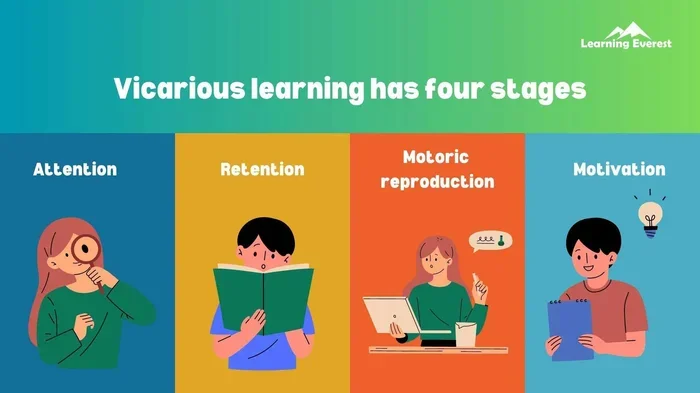
Long before modern neuroscience, psychologists understood the power of learning through others. Albert Bandura’s social learning theory showed that people can learn new behaviors by observing others. This is a form of vicarious learning.
Children learn language, manners, and social norms by watching their parents. Employees pick up work habits by watching their colleagues. Even animals learn new skills by observing others in their group. In every case, the observer gains something meaningful without direct experience.
This kind of surrogate experience saves time and reduces risk. You do not have to touch a hot stove to know it burns. Watching someone else get burned teaches you just as well. Vicariously meaning in this context is about gaining knowledge and emotional understanding through observation.
Vicarious Joy and Vicarious Pain
Experiencing Joy Through Others
One of the most beautiful aspects of vicariously meaning is vicarious joy. When someone you love achieves something wonderful, your brain releases dopamine just as it would if you had achieved it yourself. Studies show that sharing in others’ happiness strengthens bonds and improves your own mood.
Think about watching a wedding. You are not the one getting married. But tears of joy still roll down your cheeks. That is vicarious emotion at its finest. You are sharing in someone else’s milestone as if it were your own.
Social media amplifies this effect. When you scroll through friends’ vacation photos or engagement announcements, you feel a spark of happiness. That spark is vicarious joy in its purest form. It connects you to others even from a distance.
Experiencing Pain Through Others
But vicariously meaning is not always positive. Vicarious pain is just as real. When you watch someone suffer, your brain processes that suffering in many of the same ways it would process your own pain.
This is why watching a sad movie can make you cry. It is why reading about a stranger’s tragedy can leave you feeling heavy for hours. Your brain does not fully distinguish between direct and indirect emotional experiences. The pain feels real because, neurologically, it is.
Vicarious trauma takes this a step further. People who work with trauma survivors, such as therapists, journalists, or first responders, often develop symptoms similar to PTSD. They have not lived through the trauma themselves, but they carry its emotional weight vicariously. This is a serious condition that deserves attention and care.
The Balance Between Joy and Pain
The human capacity for vicarious emotion is a double-edged sword. On one hand, it allows you to celebrate with others and feel deeply connected. On the other hand, it can drain your energy and weigh down your mental health.
The key is balance. Learning to embrace vicarious joy while protecting yourself from excessive vicarious pain is an essential emotional skill. More on that later in this article.
How Vicarious Meaning Affects Your Daily Life
Building Stronger Relationships
Vicariously meaning plays a huge role in how you connect with others. When you feel what someone else feels, you build deeper trust and understanding. Relationships thrive on this shared emotional space.
Imagine a couple where one partner shares a stressful day at work. The other partner listens and feels a echo of that stress. That shared feeling creates closeness. It says, “I am with you. I feel your pain.” This kind of emotional connection is built on vicarious experience.
Even in friendships, sharing vicarious experiences strengthens bonds. You might not have traveled to Paris, but hearing your friend describe the Eiffel Tower at sunset gives you a taste of that joy. You connect through the shared emotional moment.
Influencing Your Decisions and Behavior
You might think your decisions are entirely your own. But vicarious meaning quietly shapes many of your choices. When you see someone succeed after taking a risk, you feel motivated. When you witness someone fail after a bad decision, you feel cautious.
This is vicarious learning in action. You absorb lessons from others’ experiences without having to make the same mistakes yourself. It is one of the most efficient ways humans learn and grow.
Marketing and advertising also rely on this principle. Commercials show happy people using products because the vicarious pleasure you feel watching them makes you want the same. You are essentially living through the people on your screen.
Shaping Your Identity and Worldview
Your identity is shaped not just by what you do but by what you witness. Reading books, watching films, and listening to others’ stories all contribute to who you become. These indirect experiences broaden your perspective in ways direct experience sometimes cannot.
For example, reading a novel about a character living in a different culture gives you a window into that world. You learn about their struggles, joys, and values vicariously. This builds empathy and cultural understanding that shapes how you see the world.
Vicariously meaning in this context is about personal growth. Every story you absorb, every emotion you share with others, adds a layer to your identity.
When Vicarious Experiences Become Harmful
Understanding Vicarious Trauma
Not all vicarious experiences are healthy. When you constantly expose yourself to others’ pain, you can develop vicarious trauma. This is especially common in caregiving professions, journalism, and even frequent social media users.
Symptoms of vicarious trauma include:
- Persistent feelings of sadness or hopelessness
- Difficulty separating your emotions from others’ emotions
- Avoidance of news or social situations
- Physical symptoms like fatigue or headaches
- Feeling emotionally numb or detached
If you recognize these signs, it is important to take a step back. Vicariously meaning should enrich your life, not drain it.
Emotional Overload and Empathy Fatigue
Empathy fatigue happens when you give too much emotional energy to others. You start to feel overwhelmed by the vicarious pain you absorb. This is especially true for highly empathetic people who naturally feel deeply for others.
Think of empathy like a battery. Every time you feel vicariously for someone, you use some of that battery. If you never recharge, you run dry. Empathy fatigue leaves you feeling exhausted, cynical, and disconnected.
The solution is not to stop caring. It is to set boundaries and protect your emotional energy. More on that in the next section.
Social Media and the Amplification of Vicarious Meaning
Social media has supercharged vicariously meaning in both positive and negative ways. On the positive side, you can feel connected to people across the globe. You can share in their triumphs and feel inspired by their stories.
On the negative side, social media bombards you with curated highlights and tragic news. You scroll through others’ perfect lives and feel inadequate. You watch heartbreaking videos and feel emotionally wrecked. The constant stream of vicarious experiences can overwhelm your brain.
Being mindful of your social media habits is crucial. You control how much vicarious meaning you let into your life.
How to Use Vicarious Meaning in a Healthy Way
Practical Tips for Managing Vicarious Emotions
You do not need to avoid vicarious experiences altogether. In fact, they are a vital part of being human. The goal is to manage them wisely. Here are some practical tips:
- Set emotional boundaries. It is okay to step back from heavy content or difficult conversations. You do not have to absorb everything you see.
- Practice self-care regularly. Exercise, meditation, and rest help recharge your emotional battery after intense vicarious experiences.
- Limit exposure to triggering content. If the news or social media drains you, reduce your consumption. Protect your peace.
- Talk about your feelings. Sharing your own vicarious reactions with a trusted friend or therapist helps process them.
- Focus on vicarious joy. Seek out uplifting stories and positive experiences. Balance the negative with the positive.
Turning Vicarious Experiences Into Growth
Vicariously meaning can be a powerful tool for personal growth. When you feel what others feel, you develop a deeper understanding of the human experience. This understanding makes you more compassionate, more patient, and more connected.
Try journaling about your vicarious experiences. Write down when you felt joy through someone else or when you felt pain watching a stranger struggle. Over time, patterns emerge. You learn what triggers your empathy and how to channel it constructively.
You can also use vicarious learning to your advantage. Watch how successful people handle challenges. Learn from their mistakes vicariously without having to make them yourself. This accelerates your growth in remarkable ways.
The Power of Shared Stories
Stories are one of the most powerful vehicles for vicariously meaning. When you read a book or watch a film, you step into someone else’s shoes. You feel their fears, their hopes, and their triumphs.
This is why storytelling has been central to human culture for thousands of years. Stories allow us to have surrogate experiences that shape who we are. They teach us lessons we could not learn any other way.
Make time for stories in your life. Read novels, watch meaningful films, listen to podcasts. Let other people’s experiences enrich your own understanding of the world.
Expert Insights on Vicarious Meaning
What Psychologists Say About Vicarious Experience
Dr. Brené Brown, a leading researcher on empathy, often speaks about the difference between empathy and sympathy. Empathy, she explains, is about feeling with someone. That is vicariously meaning in its purest form. Sympathy is feeling for someone from a distance.
Psychologists emphasize that vicarious experiences are not a sign of weakness. They are a sign of a healthy, functioning brain. The ability to feel what others feel is a gift. It just needs to be managed wisely.
How Therapists Use Vicarious Understanding
Therapists rely on their ability to experience vicariously what their clients feel. This emotional resonance helps them provide compassionate, effective care. However, therapists also practice self-care to avoid vicarious trauma and burnout.
If you are not a therapist, the same principle applies. Understanding your own vicarious reactions helps you navigate relationships and emotional situations with greater skill and awareness.
Common Mistakes People Make With Vicarious Meaning
Here are some pitfalls to avoid when it comes to vicariously meaning:
- Confusing vicarious emotions with your own. Just because you feel sad watching someone else grieve does not mean you are depressed. Learn to label your emotions accurately.
- Ignoring your own needs. Constantly focusing on others’ experiences can cause you to neglect your own emotional health.
- Over-consuming negative content. Doomscrolling through tragic news stories fills your mind with vicarious pain that serves no purpose.
- Assuming all empathy is helpful. While empathy is generally positive, unmanaged empathy can lead to burnout and emotional exhaustion.
Conclusion
Vicariously meaning is one of the most powerful aspects of human experience. It connects you to others, enriches your emotional life, and helps you learn without direct experience. From vicarious joy to vicarious pain, these indirect experiences shape who you are every single day.
The key is awareness. When you understand what it means to live through others emotionally, you can embrace the positive aspects and protect yourself from the negative ones. Vicariously meaning is not something to fear. It is something to understand and harness.
Start paying attention to your vicarious experiences today. Notice when you feel joy through someone else’s success. Notice when you feel pain watching a stranger struggle. These moments are not distractions. They are the threads that weave you into the fabric of human connection. And that connection is what makes life truly meaningful.
Frequently Asked Questions
What is vicariously meaning in simple terms?
Vicariously meaning refers to experiencing emotions, events, or sensations through someone else rather than directly yourself. It is the feeling of living an experience indirectly, such as feeling proud when a friend succeeds or sad when watching a character in a movie struggle.
Is vicariously the same as empathy?
They are closely related but not identical. Empathy is the broader ability to understand and share others’ feelings. Vicariously meaning specifically describes the experience of feeling something through another person as a substitute for direct experience. Empathy can include both direct and indirect emotional responses.
Can vicarious experiences be harmful?
Yes. While vicarious joy is generally positive, constant exposure to others’ pain can lead to vicarious trauma or empathy fatigue. This is especially common among caregivers, journalists, and heavy social media users. Setting emotional boundaries is essential to stay healthy.
How do mirror neurons relate to vicariously meaning?
Mirror neurons are brain cells that fire both when you perform an action and when you observe someone else performing it. They are the biological mechanism behind vicariously meaning. These neurons help explain why you feel emotions when watching others experience them, even from a distance.
How can I use vicarious meaning positively?
You can use vicariously meaning for learning by observing others’ successes and mistakes. You can deepen relationships by sharing vicarious joy with loved ones. You can also grow personally by engaging with stories and experiences that broaden your perspective and empathy.
What is the difference between vicarious joy and vicarious trauma?
Vicarious joy is the positive emotion you feel when witnessing someone else’s happiness or success. Vicarious trauma is the emotional damage that builds up from repeatedly witnessing others’ pain or suffering. Both are real vicarious experiences, but they affect your mental health in very different ways.