
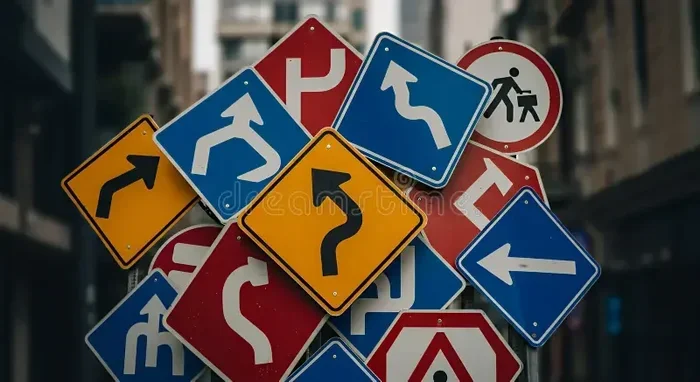
Traffic signs and meaning are the foundation of road safety for every driver, walker, and cyclist. This guide explains warning signs, regulatory signs, and guide signs in plain language anyone can understand. You will learn what each sign means, why it matters, and how to avoid common mistakes on the road.
Every day, millions of people get behind the wheel or step onto a sidewalk without really thinking about the signs around them. But traffic signs and meaning are what keep everyone safe on the road. Without them, streets would be chaos. Imagine driving down a highway with no speed limit signs, no stop signs, and no warnings about a sharp curve ahead. It would be terrifying.
That is exactly why understanding road signs and meaning matters so much. Whether you are a brand new driver, a parent teaching a teen, or someone who walks or bikes daily, knowing what signs mean keeps you and others safe. This guide breaks it all down in simple, easy-to-follow language. No confusing jargon. No legal fluff. Just clear explanations of every sign type you will encounter.
By the end of this article, you will have a solid grasp of traffic symbols and meaning, how different signs work together, and why ignoring even a small sign can lead to big trouble. Let us get started.
Key Takeaways
- Know the three main types: warning, regulatory, and guide signs each serve a unique purpose on the road.
- Colors and shapes matter: red means stop or prohibit, yellow warns of danger, and green guides you forward.
- Speed limit signs are not suggestions: they are legal limits with real consequences for breaking them.
- Warning signs protect you: they alert you to hazards like curves, animals, or construction ahead.
- Guide signs help you navigate: they show directions, distances, and points of interest on highways and local roads.
- Misreading signs causes accidents: understanding road signs and meaning reduces your risk of crashes and tickets.
- Signs are universal: even games and pop culture use traffic sign systems, proving how deeply they shape our world.
📑 Table of Contents
- What Are Traffic Signs and Why Do They Matter?
- The Three Main Types of Traffic Signs
- Colors and Shapes: The Secret Language of Road Signs
- Common Traffic Signs and What They Really Mean
- How to Read Signs in Different Driving Situations
- Common Mistakes People Make With Traffic Signs
- Quick Tips for Remembering Traffic Signs and Meaning
- Expert Insights on Traffic Sign Design and Effectiveness
- Conclusion
What Are Traffic Signs and Why Do They Matter?
Traffic signs and meaning go hand in hand. A sign is a visual device placed on or near a road to communicate important information. The meaning is what the sign tells you to do, slow down, stop, or be aware of something ahead. Together, they form the language of the road.
Think of traffic signs like a conversation between the road and you. The sign speaks, and you listen by following its instruction. When everyone understands this conversation, traffic flows smoothly and safely. When someone ignores or misreads a sign, problems start.
The History Behind Road Signs
Road signs are not new. Early versions appeared in ancient Rome, where milestones marked distances along roads. But modern traffic signs really took shape in the early 1900s as cars became more common. Countries worked together to standardize shapes, colors, and symbols so that drivers could understand signs even in foreign places.
Today, most countries follow guidelines set by organizations like the Federal Highway Administration in the United States. These rules ensure that a stop sign in New York looks and means the same thing as one in California. That consistency is what makes traffic control devices so effective.
Why Understanding Signs Saves Lives
The meaning behind traffic signs is not just about avoiding tickets. It is about survival. According to road safety organizations, many accidents happen because drivers fail to notice or understand a sign. A missed warning sign about a sharp turn or a pedestrian crossing can lead to a crash in seconds.
Here is why knowing traffic signs and meaning is so important:
- It prevents accidents: warning signs give you time to react to hazards.
- It keeps traffic moving: regulatory signs control the flow of vehicles and pedestrians.
- It reduces confusion: guide signs help you find your way without guessing.
- It protects vulnerable road users: signs alert drivers to school zones, crosswalks, and bike lanes.
- It builds a shared understanding: when every driver interprets signs the same way, roads become predictable and safer.
The Three Main Types of Traffic Signs
Not all signs are the same. In fact, traffic signs fall into three broad categories. Each type has a specific job, and understanding signs and their meaning starts with knowing which category a sign belongs to.
1. Warning Signs
Warning signs are designed to alert you to dangers or changes in road conditions ahead. They usually have a diamond shape and a yellow or orange background. Their job is to make you slow down and pay attention.
Common examples include:
- Curve ahead signs: these tell you the road is turning sharply.
- Pedestrian crossing signs: these warn that people may be walking across the road.
- Animal crossing signs: these alert you to wildlife in the area.
- Construction zone signs: these warn of road work and changed lanes ahead.
- Slippery when wet signs: these remind you that the road surface may be slick.
The meaning of warning signs is simple: something unusual or dangerous is coming up. You should reduce your speed, stay alert, and be ready to stop if needed. Missing a warning sign is one of the leading causes of single-vehicle accidents.
2. Regulatory Signs
Regulatory signs tell you what you must or must not do. They are the rules of the road written in sign form. Most regulatory signs are rectangular, and many use bold colors like red, white, and black to grab your attention.
Key examples include:
- Stop signs: the iconic red octagon that demands a full stop.
- Yield signs: a downward-pointing triangle that tells you to slow down and give way.
- Speed limit signs: these show the maximum or minimum legal speed on a road.
- No entry signs: a red circle with a white horizontal bar means you cannot enter that road.
- Do not turn signs: these prohibit specific maneuvers at intersections.
The regulatory meaning behind these signs is legal. Breaking these rules can result in fines, points on your license, or worse, a collision. Always obey regulatory signs without exception.
3. Guide Signs
Guide signs help you navigate. They tell you where you are, where you are going, and what lies ahead on your route. These signs come in many shapes and sizes depending on the setting.
Examples of guide signs include:
- Highway directional signs: large green signs that show exit numbers and destinations.
- Street name signs: the white or green signs posted at intersections.
- Distance markers: signs that tell you how many miles to the next town.
- Points of interest signs: these direct you to hospitals, gas stations, or tourist attractions.
- Recreation area signs: signs in parks or scenic areas that guide visitors.
The meaning of guide signs is all about direction and information. They do not tell you to stop or slow down. Instead, they help you make decisions about your route. Without guide signs, long-distance travel would be much harder and more stressful.
Colors and Shapes: The Secret Language of Road Signs
One of the most powerful tools in road signage is the use of color and shape. Even before you read the words or symbols on a sign, its color and shape give you clues about its meaning and purpose. This system is designed to work fast, because drivers often only have a split second to react.
What Each Color Means
Colors on traffic signs are not random. They follow a strict system that every driver should know:
- Red: stop, yield, or prohibit. Red signs demand immediate action.
- Yellow: warning. Yellow signs alert you to potential hazards.
- Green: guidance. Green signs provide directional information.
- Orange: construction or temporary conditions. These signs warn of changed road conditions.
- Blue: services and guidance. Blue signs point to hospitals, rest areas, and lodging.
- Brown: recreation and parks. Brown signs direct you to national parks, campgrounds, and attractions.
What Each Shape Tells You
Just like colors, shapes carry meaning too:
- Octagon: always means stop. You will never see another shape used for this command.
- Triangle: means yield. The downward point signals you must slow down and give way.
- Diamond: means warning. These signs alert you to hazards ahead.
- Rectangle: means regulatory or guide information. The orientation (vertical or horizontal) helps distinguish between the two.
- Circle: often indicates a railroad crossing or other specific regulation.
- Pentagon: indicates a school zone or school crossing.
Once you memorize this color and shape system, reading traffic signs and meaning becomes second nature. You will not even need to read the words to understand what a sign is telling you.
Common Traffic Signs and What They Really Mean
Let us look at some of the most common signs you will see every day. Understanding these specific signs and their meaning will make you a safer, more confident driver.
Stop Sign
The stop sign is the most recognized sign in the world. Its red octagon shape and white text leave no room for confusion. When you see a stop sign, you must come to a complete stop, check for traffic and pedestrians, and proceed only when it is safe.
Many people misunderstand the stop sign meaning. Rolling through a stop sign is still illegal. A full stop, with your wheels completely still, is required by law. Failing to stop properly can result in a ticket or a serious accident.
Speed Limit Sign
Speed limit signs show the maximum legal speed allowed on a given road. These numbers are not suggestions. They are based on road conditions, traffic patterns, and safety studies conducted by traffic engineers.
Here is something many drivers do not know: the speed limit is the fastest you should go, not a target speed. Driving too fast for conditions, even under the posted limit, can still get you a ticket if an officer deems it unsafe.
Yield Sign
The yield sign is a downward-pointing triangle that tells you to slow down and give the right of way to other vehicles and pedestrians. You do not always have to come to a complete stop at a yield sign, but you must be prepared to stop if necessary.
The yield sign meaning is about sharing the road. It tells you that other traffic has priority at that point, and you must wait your turn.
No Entry Sign
The no entry sign features a red circle with a white horizontal bar in the center. It means vehicles are not allowed to enter that road from the direction you are coming from. You will often see this sign at one-way street entrances and wrong-way ramps.
Driving the wrong way on a one-way street because you missed this sign is extremely dangerous. Always look for no entry signs before turning onto a new road.
Construction Zone Signs
Construction signs are usually orange with black text. They warn you of road work, lane closures, and workers ahead. These signs are temporary but no less important.
Slow down when you see orange signs. Construction zones have reduced speed limits for a reason. Workers are just feet away from moving traffic, and a moment of inattention can cause a tragic accident. Many states also impose doubled fines for violations in work zones.
How to Read Signs in Different Driving Situations
The meaning of traffic signs can shift depending on the situation you are in. A sign that is clear on a sunny highway might mean something different in a heavy rainstorm or a crowded city street.
Reading Signs at Night
Night driving makes sign recognition harder. Reflective materials on signs help, but you still need to stay alert. Reduce your speed so you have more time to read and react to road signs and meaning in low-light conditions.
Reading Signs in Bad Weather
Rain, snow, and fog can obscure signs. In these conditions, the meaning behind warning signs becomes even more critical. If you cannot see a sign clearly, slow down and drive cautiously until visibility improves.
Reading Signs in Unfamiliar Areas
When traveling in a new city or state, guide signs become your best friend. Look ahead for highway exit signs and directional signs. Do not wait until the last second to change lanes or exit. Planning ahead based on sign information keeps you safe and reduces stress.
Signs in Pop Culture and Everyday Life
Traffic signs are everywhere, even in places you might not expect. They appear in movies, video games, and even in fun online content. For instance, if you enjoy lighthearted humor about road themes, you might enjoy checking out some Dungeons and Dragons jokes that play on fantasy road signs and adventure themes. Even in games and jokes, the language of traffic signs shows up because it is so universally understood.
You can also find fun road-themed humor in driving jokes that play on real traffic rules and sign meanings. These light-hearted takes remind us how deeply traffic signs are woven into our culture and daily lives.
Common Mistakes People Make With Traffic Signs
Even experienced drivers make mistakes when it comes to traffic signs and meaning. Being aware of these common errors can help you avoid them.
Ignoring Temporary Signs
Construction and temporary warning signs are easy to overlook because they are not permanent. But ignoring them is risky. These signs are placed for a reason, and following them protects both you and the workers on the road.
Speeding Through Yellow Lights
Some drivers treat yellow lights as a challenge to speed up. In reality, a yellow light is a warning to slow down and prepare to stop. The same logic applies to yellow warning signs on the road. They are telling you to be cautious, not to accelerate.
Assuming You Know What a Sign Means
Familiarity can breed complacency. You may have driven the same route for years and stopped paying attention to the signs. But conditions change, new signs get added, and old signs can mean different things in different jurisdictions. Always stay alert and read every sign carefully.
Overlooking Small or Obscured Signs
Some signs are small, partially hidden by trees, or covered by snow. If you miss a stop sign or a speed limit sign because it was obscured, you are still responsible for the consequences. Make it a habit to scan ahead and look for signs even when visibility is limited.
Not Teaching New Drivers About Sign Meaning
If you are helping someone learn to drive, do not skip the lesson on reading signs. Understanding traffic symbols and meaning is one of the most important skills a new driver can develop. Spend time reviewing signs together and quiz them on what different colors and shapes mean.
Quick Tips for Remembering Traffic Signs and Meaning
Memorizing every sign can feel overwhelming, but these simple tips make it easier:
- Focus on shapes first: octagon means stop, triangle means yield, diamond means warning.
- Learn the color code: red is for stop or prohibition, yellow is for warning, green is for guidance.
- Practice on your daily commute: quiz yourself on each sign you pass.
- Use mnemonic devices: create little phrases to remember tricky signs.
- Stay calm and read ahead: give yourself time to process sign information before you need to act on it.
These tips for understanding road signs may seem simple, but they work. Over time, reading signs becomes automatic, and you will spend less mental energy on it and more on safe driving.
Expert Insights on Traffic Sign Design and Effectiveness
Traffic engineers spend years studying how signs communicate with drivers. Their research shows that the best signs are simple, high-contrast, and consistent. A sign that is too cluttered or uses confusing symbols fails to communicate its meaning quickly.
According to experts in road safety, the most effective signs have three qualities:
- Clarity: the message is easy to understand at a glance.
- Contrast: the sign stands out against its background.
- Consistency: the same sign means the same thing everywhere it appears.
These principles are why traffic signs and meaning work so well across different countries and languages. Even if you cannot read the local language, the shape and color of a sign will tell you what to do.
For more lighthearted takes on road themes, check out some road trip jokes that celebrate the adventures and mishaps of life on the road. And if you want to dive deeper into highway humor, highway jokes are a fun way to see how traffic signs play into everyday driving culture.
Conclusion
Traffic signs and meaning are far more than just pieces of metal or plastic on the side of the road. They are the silent guardians of every street, highway, and intersection. They speak a universal language that keeps millions of people safe every single day. When you take the time to truly understand what each sign means, you become a better, more responsible driver and road user.
Remember the three main types: warning signs alert you to danger, regulatory signs set the rules, and guide signs help you navigate. Learn the color and shape system, and you will find that reading signs becomes effortless. Avoid common mistakes like ignoring temporary signs or assuming you already know everything.
The road is shared by everyone, and signs are how we all communicate. Respect them, learn from them, and you will enjoy safer, smoother journeys every time you hit the road. Safe travels, and keep your eyes on those signs.
Frequently Asked Questions
What are the three main categories of traffic signs?
The three main categories are warning signs, regulatory signs, and guide signs. Warning signs alert you to hazards ahead. Regulatory signs tell you what you must or must not do. Guide signs help you navigate and find your way.
Why are traffic signs shaped differently?
Each shape carries a specific meaning that helps drivers recognize signs quickly. Octagons mean stop, triangles mean yield, diamonds mean warning, and rectangles carry regulatory or guide information. The shape system works even if a driver cannot read the sign clearly.
What does a yellow traffic sign mean?
A yellow sign is a warning sign. It alerts you to potential hazards, changes in road conditions, or dangerous areas ahead. You should slow down and stay alert when you see a yellow sign.
Can ignoring a traffic sign lead to serious consequences?
Yes, ignoring a traffic sign can lead to accidents, fines, license points, or even jail time in serious cases. Every sign is placed for a safety reason, and following them protects everyone on the road.
How can I teach a new driver about traffic signs?
Start by reviewing the color and shape system together. Practice on real drives and quiz the new driver on what each sign means. Focus on the most common signs first, like stop, yield, speed limit, and warning signs. Make it fun and repetitive.
Do traffic signs mean the same thing in every country?
Most countries follow similar conventions for shapes and colors, so the core meaning is often the same. However, specific rules, speed limits, and some symbols may differ by country. When traveling abroad, research the local traffic sign system beforehand.