
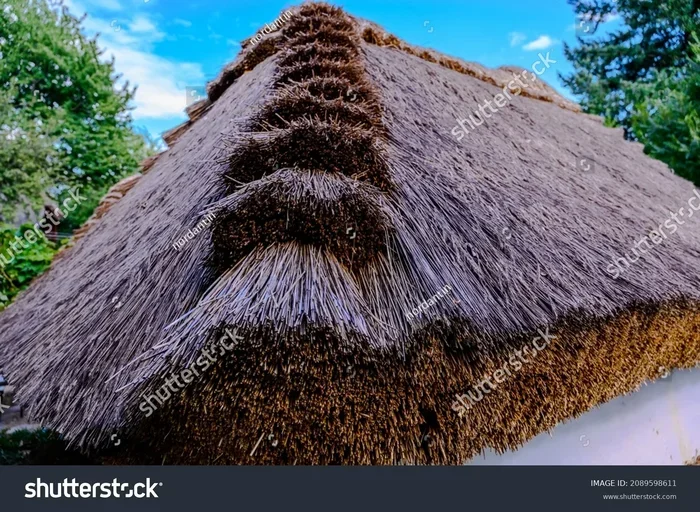
The thatch meaning refers to a natural roofing material made from dried vegetation like straw, reeds, or palm leaves. It has been used for thousands of years in rural architecture and heritage buildings around the world. Understanding thatch meaning helps you appreciate its role in traditional building, eco-friendly roofing, and waterproofing techniques that still stand strong today.
Have you ever walked past an old cottage with a thick, layered roof and wondered what that material actually is? That’s thatch, and understanding the thatch meaning opens up a fascinating world of traditional building, natural materials, and centuries-old craftsmanship.
The thatch meaning goes far beyond just “a roof made of straw.” It represents a whole approach to construction that people have relied on for thousands of years. From thatched roofs on English cottages to straw roofing in tropical villages, this material has shaped how humans shelter themselves across every continent.
In this article, we’ll break down the thatch meaning in simple terms. You’ll learn where it comes from, what it’s made of, why people still use it today, and how it compares to modern roof covering options. Whether you’re a history buff, a homeowner, or just curious about natural materials, this guide covers everything you need to know about thatch and its role in vernacular architecture around the globe.
Key Takeaways
- Thatch meaning refers to a natural roofing material made from dried plants like straw, reeds, or grass.
- Thatched roofs have been used for over 10,000 years and are still popular in many parts of the world.
- Thatch material offers excellent roof insulation, waterproofing, and eco-friendly building benefits.
- Common materials include straw, water reed, combed wheat reed, and palm leaves, each with unique properties.
- Proper maintenance and a skilled thatcher are essential for a long-lasting thatched roof.
- Thatch is making a comeback as a sustainable and beautiful alternative to modern roofing.
- Understanding thatch meaning connects you to centuries of traditional craftsmanship and vernacular architecture.
📑 Table of Contents
What Does Thatch Meaning Really Mean?
At its core, the thatch meaning is simple. Thatch is a roof covering made from dried plant materials. These materials are layered thickly on a roof structure to create a waterproof and insulating barrier. The word “thatch” comes from an Old English term that simply means a covering or shelter.
But the thatch meaning is richer than just a definition. It carries the weight of human history, survival skills, and cultural identity. When you say someone has a thatched roof, you’re talking about a building technique that predates modern construction by millennia.
The Basic Definition of Thatch
Thatch is any thatching material made from dried vegetation bundled together and layered on a roof. The key idea is that these dry plant fibers overlap tightly. This overlap sheds rainwater and creates a natural waterproof layer. The thickness of the layer matters a lot. A good thatched roof can be 12 to 24 inches thick at its peak.
Here are the most common materials used in thatch roofing:
- Straw — the most classic and widely recognized thatch material
- Water reed — prized for its durability and long lifespan
- Combed wheat reed — a refined version of wheat straw used in England
- Long grass — common in rural areas with abundant meadows
- Palm leaves — widely used in tropical regions for organic roofing
- Heather — used in parts of Scotland and Ireland
- Rushes — a lighter option used for temporary or seasonal shelters
Each of these materials brings something different to the thatch meaning. Some last longer, some insulate better, and some are easier to find locally. That’s part of what makes thatch roofing so adaptable across cultures.
A Brief History of Thatch Roofing
The history of thatch roofing is as old as human shelter itself. People have been using dried plants to cover their homes since the very dawn of permanent structures. The thatch meaning is deeply tied to survival, resourcefulness, and making the most of what nature provides.
Thatch in Ancient Times
Archaeologists have found evidence of thatched roofs dating back over 10,000 years. Early humans in Europe, Africa, and Asia all used some form of thatch material to roof their traditional building structures. In fact, thatch was likely the first roof covering ever used by humans.
In ancient Egypt, reed thatch roofing was common for homes and even some temples. In Northern Europe, straw roofing kept families warm through harsh winters. The thatcher — the skilled craftsperson who builds and repairs thatched roofs — was one of the most important tradespeople in any community.
Thatch Through the Middle Ages and Beyond
During the Middle Ages, thatched roofs dominated European rural architecture. Almost every peasant home, cottage, and farmhouse had a thick layer of straw or reed on its roof. Historic buildings from this era still stand today in England, France, Germany, and Scandinavia, thanks to the durability of well-maintained thatch.
As industrialization spread, thatch roofing began to decline. Cheaper manufactured materials like slate, tile, and corrugated metal took over. But the thatch meaning never fully disappeared. In many rural areas, people continued to use thatch material because it was free, local, and effective.
Expert Insight
According to the Thatch Research Group at the University of Cambridge, there are currently over 60,000 thatched roofs still in use across the United Kingdom alone. Many of these are heritage buildings that have been continuously thatched for over 300 years. This shows just how long-lasting and resilient thatch roofing can be when done right.
Types of Thatch Materials and Their Properties
Not all thatch material is the same. The thatch meaning shifts depending on what plant is being used and where it grows. Different materials offer different levels of durability, insulation, and weather resistance. Let’s explore the most popular types.
Straw Thatch
Straw is the most traditional and widely recognized form of thatch. It comes from the leftover stalks of grain crops like wheat, barley, or oats. Straw roofing is lightweight, easy to work with, and widely available in agricultural areas.
However, straw thatch material has a shorter lifespan than other options. A straw thatched roof typically lasts 15 to 25 years before it needs replacement. Still, its low cost and easy availability make it a popular choice for traditional building projects.
Water Reed Thatch
Water reed is considered the premium option in thatch roofing. It grows in wetlands and marshlands, and its stiff, hollow stems create an excellent waterproof layer. A water reed thatched roof can last 40 to 50 years or even longer with proper care.
This material is more expensive than straw, but its longevity makes it a smart investment. Water reed is the go-to choice for many heritage buildings and high-end eco-friendly roofing projects.
Combed Wheat Reed
Combed wheat reed is a refined version of wheat straw. The fibers are straightened and combed during processing, creating a neat, uniform appearance. This type of thatch material is especially popular in southern England and is prized for its clean, elegant look.
A combed wheat reed thatched roof typically lasts 25 to 35 years. It offers a great balance of aesthetics, durability, and cost. Many homeowners choose this option when they want the classic look of thatch without the shorter lifespan of plain straw.
Palm Leaf Thatch
In tropical regions, palm leaf is the dominant thatching material. Countries across Southeast Asia, Central America, and Africa use palm fronds for organic roofing. Palm leaf thatch is lightweight, breathable, and perfect for warm climates.
The thatch meaning in tropical regions often includes additional layers of palm thatch for extra roof insulation. These roofs are designed to handle heavy rain and intense sun, showing how adaptable the concept of thatch really is.
Quick Comparison Table
| Material | Lifespan | Best For | Cost Level |
|---|---|---|---|
| Straw | 15-25 years | Rural cottages, temporary shelters | Low |
| Water Reed | 40-50+ years | Heritage buildings, premium homes | High |
| Combed Wheat Reed | 25-35 years | Classic English countryside homes | Medium |
| Palm Leaves | 5-15 years | Tropical and warm climates | Low |
| Heather | 20-30 years | Scottish and Irish landscapes | Medium |
Why Thatch Roofing Still Matters Today
You might wonder why anyone would choose thatch over modern roofing materials in the 21st century. The answer lies in the many benefits that thatch roofing offers. The thatch meaning today is all about sustainability, beauty, and connection to nature.
Eco-Friendly and Sustainable
Thatch material is completely natural and biodegradable. Unlike asphalt shingles or metal panels, thatch doesn’t require factory processing or petroleum-based products. It’s one of the most eco-friendly roofing options available.
Because thatch is harvested from crops that grow back every year, it’s a renewable resource. A well-maintained thatched roof has a very low carbon footprint. For homeowners who care about sustainable building, thatch is hard to beat.
Excellent Insulation Properties
One of the best-kept secrets about thatch roofing is its incredible roof insulation. The thick layers of dried plant material trap air, creating a natural barrier against heat loss in winter and heat gain in summer.
This means a thatched roof can keep your home warmer in winter and cooler in summer. In fact, some studies show that thatch provides better insulation than many modern roofing materials. This is a huge advantage for energy efficiency and reducing heating costs.
Aesthetic Beauty and Curb Appeal
There’s no denying the visual appeal of a thatched roof. The rounded, organic shape and warm golden tones of straw roofing create a charm that no manufactured material can replicate. Heritage buildings with thatched roofs are among the most photographed and admired structures in the world.
For homeowners looking to build or restore a traditional building, thatch offers an unmatched aesthetic. It connects a home to its landscape and its cultural roots. The thatch meaning in this context is about beauty, identity, and place.
Noise Reduction
Here’s a benefit many people don’t expect: thatch is an excellent sound insulator. The thick, layered plant material absorbs sound waves, reducing noise from rain, hail, and even traffic. A thatched roof can make your home remarkably quiet inside, especially during stormy weather.
Common Mistakes People Make with Thatch
Even though thatch roofing has been around for thousands of years, many people get it wrong. Understanding the thatch meaning also means understanding what can go wrong. Here are the most common mistakes to avoid.
Skipping Regular Maintenance
The biggest mistake homeowners make is neglecting their thatched roof. Thatch material needs inspection every 12 to 18 months. A skilled thatcher can spot problems early and make repairs before they become major issues. Without regular maintenance, even the best thatch material will deteriorate quickly.
Using the Wrong Material for the Climate
Not every thatch material works everywhere. Using straw in a very wet climate will lead to rapid decay. Using palm leaves in a cold, snowy environment will cause them to become brittle and break. Choosing the right thatching material for your local climate is essential for longevity.
Hiring an Unskilled Builder
Thatch is a craft. A thatcher spends years learning how to layer, bind, and shape thatch material correctly. Hiring someone without proper training can result in leaks, poor insulation, and a roof that fails within just a few years. Always work with a qualified, experienced thatcher for your thatch roofing project.
Ignoring Ventilation
Thatch roofing needs proper ventilation to prevent moisture buildup. Without good airflow, the thatch material can become damp, leading to mold, rot, and pest infestations. Make sure your traditional building design includes adequate ventilation at the roof’s ridge and eaves.
Quick Tips for Thatch Care
- Have a professional thatcher inspect your roof at least once a year.
- Remove overhanging tree branches that can drop leaves and moisture onto the thatched roof.
- Avoid pressure washing, which can damage the delicate fibers of thatch material.
- Keep gutters clean to prevent water from pooling at the roof’s edge.
- Re-ridge the thatched roof every 10 to 15 years to maintain its shape and waterproofing.
Thatch in Modern Building and Design
The thatch meaning is evolving. What was once seen as a material of the past is now being embraced by modern builders and architects who value sustainability, beauty, and traditional craftsmanship. The revival of interest in thatch roofing is one of the most exciting trends in green building today.
Modern Thatch Homes
Today, you can find brand-new homes with thatched roofs designed using modern engineering principles. These homes combine the timeless beauty of thatch with contemporary energy efficiency standards. Builders use timber frame construction and cob building techniques alongside thatch material to create homes that are both beautiful and durable.
Many modern eco-friendly roofing projects choose thatch because it aligns with passive house principles. The natural roof insulation properties of thatch help reduce energy consumption, making these homes more comfortable and cheaper to heat.
Thatch and Heritage Preservation
Across Europe, governments and organizations invest heavily in preserving heritage buildings with thatched roofs. These structures are part of our cultural identity and vernacular architecture. Restoring a thatched roof on a historic building requires specialized knowledge and materials, but the result is a living piece of history.
The thatch meaning in this context is about preservation and respect for the past. Every restored thatched roof tells a story of the people who built it and the generations who lived beneath it.
The Future of Thatch Roofing
As the world moves toward more sustainable construction, thatch is poised for a major comeback. Researchers are developing new thatch materials that are even more durable and fire-resistant. Some companies are creating synthetic thatch that mimics the look of natural straw roofing while offering improved performance.
The growing interest in organic roofing, low-carbon building, and traditional craftsmanship all point toward a bright future for thatch. The thatch meaning of the future is one of innovation rooted in ancient wisdom.
Key Takeaways
- Thatch meaning refers to a natural roofing material made from dried plants like straw, reeds, or grass.
- Thatched roofs have been used for over 10,000 years and are still popular in many parts of the world.
- Thatch material offers excellent roof insulation, waterproofing, and eco-friendly building benefits.
- Common materials include straw, water reed, combed wheat reed, and palm leaves, each with unique properties.
- Proper maintenance and a skilled thatcher are essential for a long-lasting thatched roof.
- Thatch is making a comeback as a sustainable and beautiful alternative to modern roofing.
- Understanding thatch meaning connects you to centuries of traditional craftsmanship and vernacular architecture.
Conclusion
The thatch meaning is so much more than a simple dictionary definition. It represents thousands of years of human ingenuity, cultural identity, and harmony with nature. From the earliest traditional building structures to modern eco-friendly roofing projects, thatch continues to prove its value as a durable, beautiful, and sustainable roof covering.
Whether you’re restoring a heritage building, building a new home with natural materials, or simply curious about the world around you, understanding the thatch meaning gives you a deeper appreciation for one of humanity’s oldest and most resilient building techniques. The next time you see a thatched roof, you’ll know the story it tells.
Thatch is not just a relic of the past. It’s a living material with a bright future. And the thatch meaning will continue to evolve as new generations discover the beauty, practicality, and environmental benefits of this remarkable thatching material.
Frequently Asked Questions
What is the thatch meaning in simple terms?
Thatch meaning in simple terms is a natural roof covering made from dried plant materials like straw, reeds, or grass. These materials are layered thickly on a roof to create a waterproof and insulating barrier. It’s one of the oldest roofing methods used by humans.
How long does a thatched roof last?
The lifespan of a thatched roof depends on the material used. Straw thatch lasts about 15 to 25 years, while water reed can last 40 to 50 years or more. Regular maintenance by a skilled thatcher significantly extends the life of any thatched roof.
Is thatch roofing waterproof?
Yes, properly installed thatch is highly waterproof. The layered plant fibers create a natural waterproof layer that sheds rainwater effectively. The key is the thickness and skillful layering by a professional thatcher. When done right, a thatched roof handles heavy rain very well.
Is thatch roofing expensive?
The cost of thatch roofing varies by material and location. Straw thatch is generally affordable, while premium materials like water reed cost more upfront. However, thatch can be more cost-effective over time because of its excellent insulation properties and long lifespan with proper care.
Can you build a new home with a thatched roof today?
Absolutely. Many homeowners and builders choose thatch for new construction today. Modern engineering and building codes now support thatch roofing in many areas. Working with a qualified thatcher and using quality thatch material ensures a safe, beautiful, and long-lasting thatched roof.
What are the main disadvantages of thatch roofing?
The main drawbacks include the need for regular maintenance, potential fire risk (though fire retardants help), and the higher initial cost of premium materials like water reed. Also, finding a skilled thatcher can be challenging in some areas. Despite these factors, many people consider the benefits of thatch roofing well worth the effort.